Climate change, an omnipresent phenomenon today, fundamentally alters the environment we inhabit. At its core, it refers to the long-term alteration of temperature and typical weather patterns in the Earth’s atmosphere. Climate change is primarily driven by the accumulation of greenhouse gases—such as carbon dioxide and methane—resulting from human activities, particularly the burning of fossil fuels for energy and transportation. These gases trap heat in the Earth’s atmosphere, leading to a gradual increase in global temperatures, colloquially known as global warming. A series of undeniable scientific studies reveals that this warming influences a myriad of ecological systems, from extreme weather events like hurricanes and droughts to the delicate balance of natural habitats and species. The iciness of the Arctic is diminishing, a stark indicator that the balance between carbon emissions and absorption processes has been irrevocably tipped. Coastal areas are witnessing rising sea levels, creating existential threats for communities long established on these shorelines. Climate change is not a distant concern; it is an urgent reality that constantly reshapes the planet’s fabric, beckoning humanity to confront the repercussions of its choices.
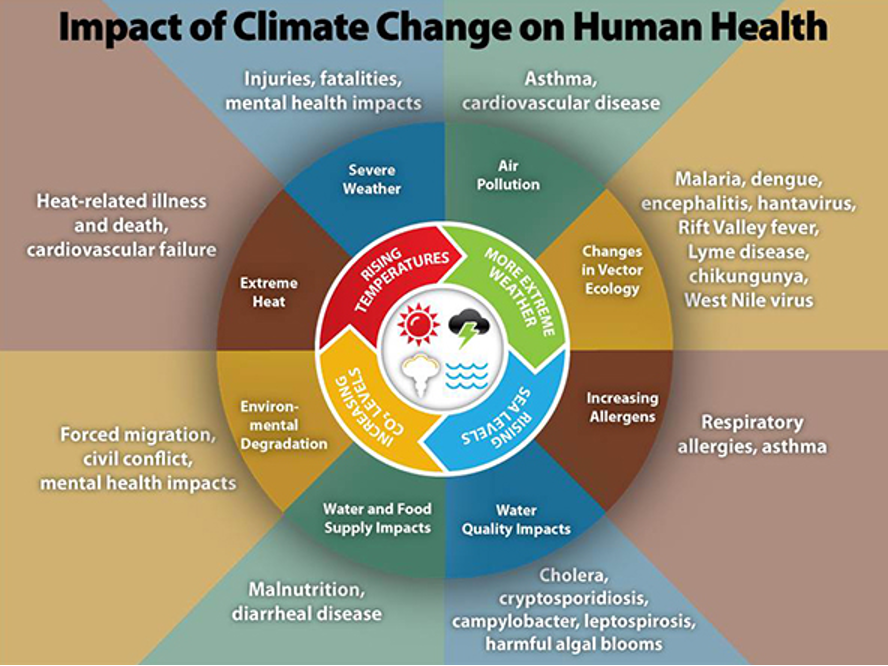
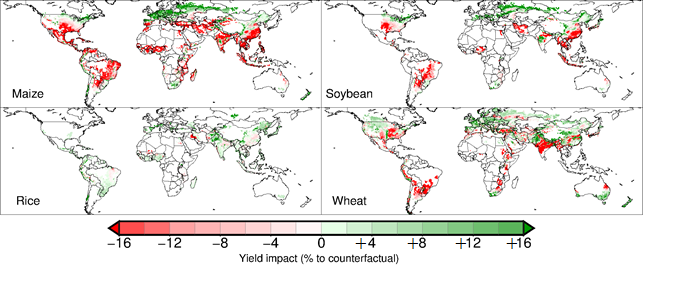
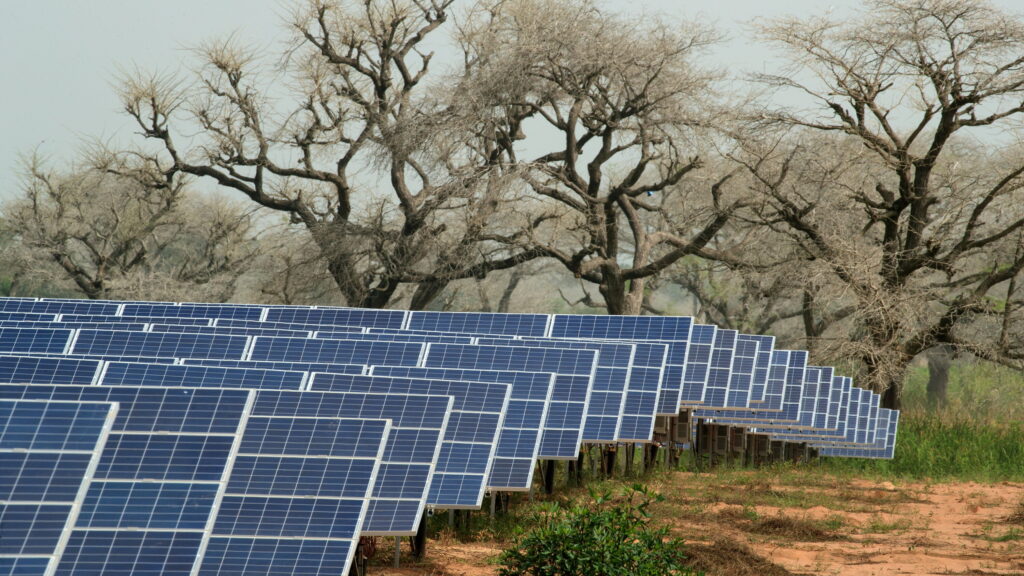
The repercussions of climate change extend far beyond environmental degradation—they touch upon the very fabric of society, economics, and human health. Perhaps most alarmingly, the vulnerable communities around the world face the brunt of this crisis, often lacking the financial and infrastructural means to adapt. Natural disasters, exacerbated by climate change, displace millions, leading to a surge in refugees and straining resources in regions already grappling with economic hardships. Agricultural patterns, too, are in turmoil. Crops that were once reliable are now vulnerable to unpredictable weather, which threatens food security on a global scale. However, amidst the disquietude, there is a glimmer of hope—a burgeoning awareness and perhaps a shift in perspective. Innovators and policymakers are collaborating to implement sustainable practices that not only mitigate the damage but also foster resilience against climate fluctuations. Renewable energy sources, such as solar and wind, offer promising alternatives to fossil fuels, empowering communities to harness clean energy for the future. By addressing these intricate issues with a holistic approach, humanity can steer the trajectory of climate change towards a more sustainable, equitable, and hopeful existence. Now is the time to find solutions, inspire action, and cultivate conscientious behaviors that will define the new norm in our relationship with the planet.






Leave a Comment