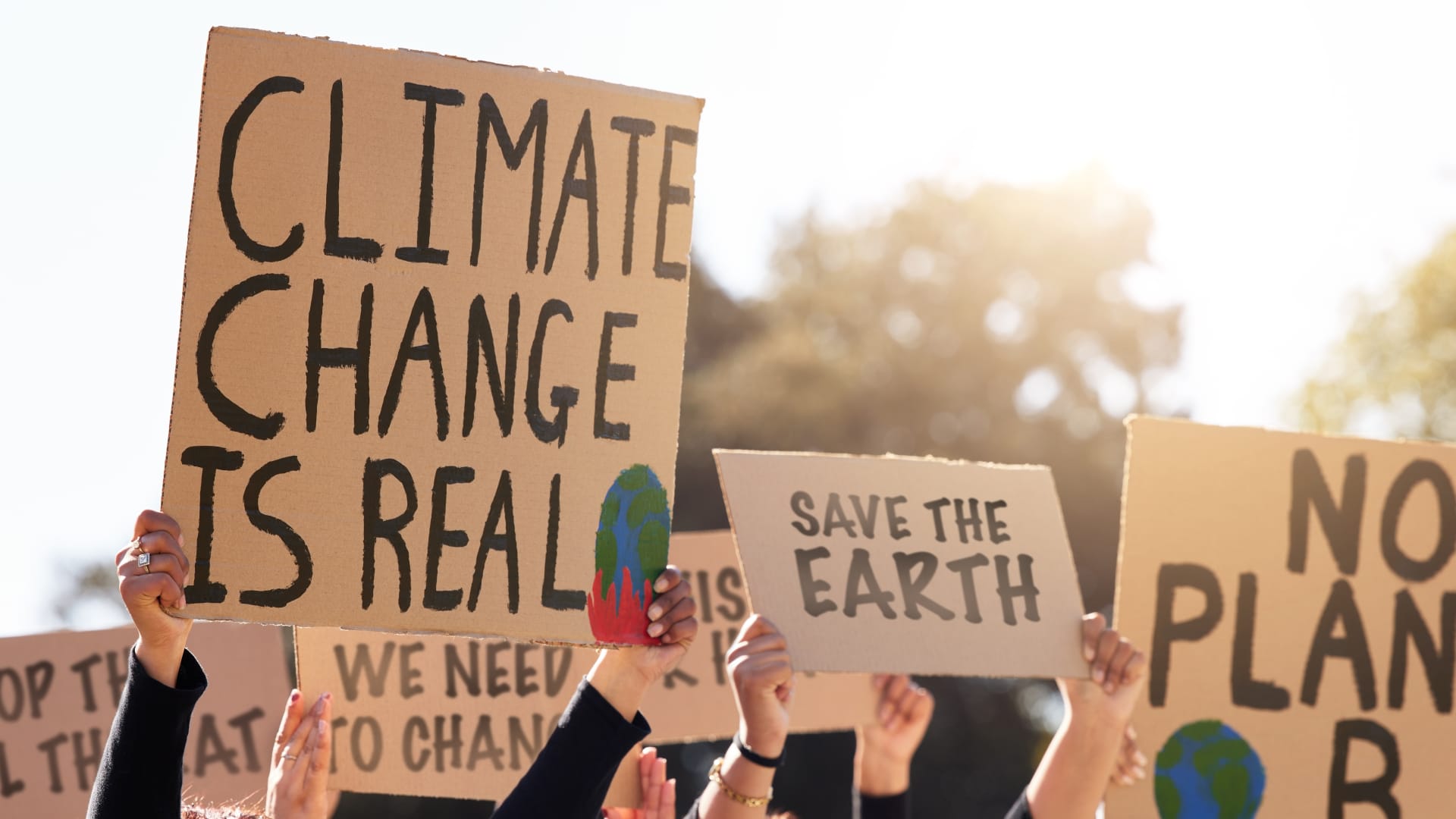
Climate change looms large over the global landscape, and Africa, with its diverse ecosystems and vulnerable populations, occupies a unique position in this unfolding narrative. Understanding climate change awareness on the continent requires delving into the depths of what knowledge exists and identifying the significant gaps that remain. This examination not only sheds light on the current state of awareness but also illuminates the avenues for future educational endeavors.
Firstly, it is essential to explore the baseline of climate change literacy across Africa. Various surveys and studies have indicated a substantial degree of awareness regarding climate change among African populations. Many citizens recognize the phenomena of rising temperatures, erratic weather patterns, and their ramifications for local agriculture and water resources. Despite these perceptions, the depth of understanding often remains superficial. Acknowledgment of climate change does not necessarily equate to an understanding of its root causes or the intricacies of its implications.
The predominant source of climate change information varies widely across the continent, influenced by factors such as geography, socioeconomic status, and education levels. In urban areas, access to internet connectivity and educational institutions tends to foster a higher level of awareness, while rural populations often depend on local leaders or community gatherings for information dissemination. However, the quality and accuracy of such information can be unpredictable. This disparity highlights the need for more robust educational frameworks that engage all sectors of society, ensuring equitable access to knowledge about climate change and its effects.
Another pivotal aspect of climate change awareness in Africa is the cultural lens through which communities view environmental changes. In many traditional societies, the relationship between humans and nature is deeply ingrained in cultural narratives, spirituality, and daily practice. Indigenous knowledge and practices regarding land use, water conservation, and biodiversity offer valuable insights into sustainable living. Yet, these traditional systems are frequently undermined by modern agricultural practices, industrialization, and urban sprawl. This creates a disconnect between traditional ecological knowledge and contemporary environmental challenges, thereby necessitating a hybrid approach that marries ancestral wisdom with modern scientific understanding.
Turning to the educational initiatives currently in place, numerous organizations are striving to enhance climate change awareness through various means. Workshops, community events, and school curricula are being tailored to address local environmental issues. These initiatives are commendable, yet they often lack the scale and commitment required to create widespread change. Moreover, there is an underlying need for innovation in how educational content is delivered. Incorporating visual aids, interactive workshops, and local case studies can significantly bolster engagement and retention of information.
Furthermore, it’s crucial to recognize the role of media in shaping public perception of climate change in Africa. With a rapidly evolving media landscape, the prominence of social media platforms cannot be overstated. These channels present an opportunity to reach a broader audience, particularly younger demographics. However, the proliferation of misinformation poses a significant threat. Sensationalism and inaccuracies can lead to apathy or misdirected efforts in combating climate change. Media literacy becomes essential in this context; fostering critical thinking skills allows audiences to navigate the complexities of climate-related information.
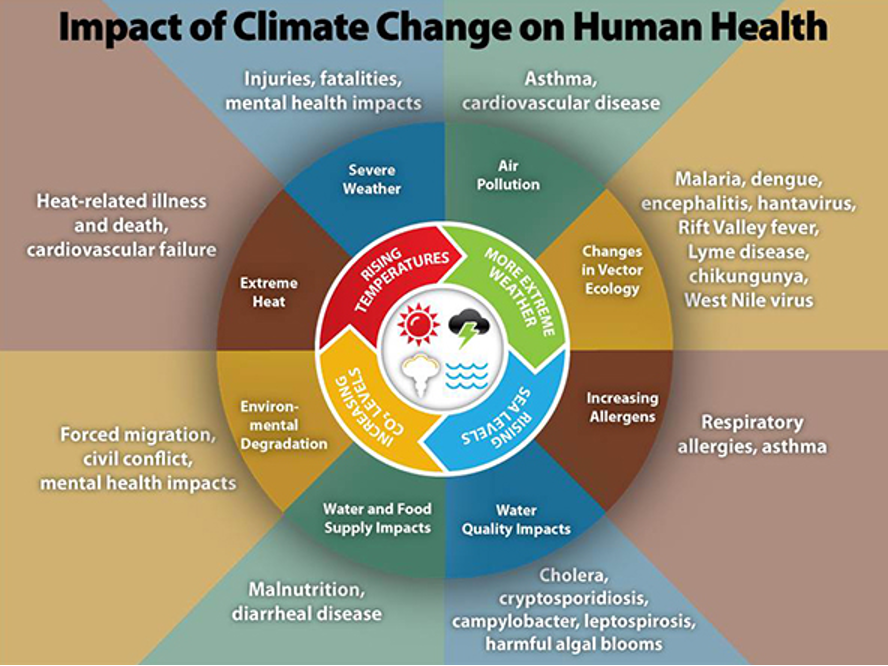
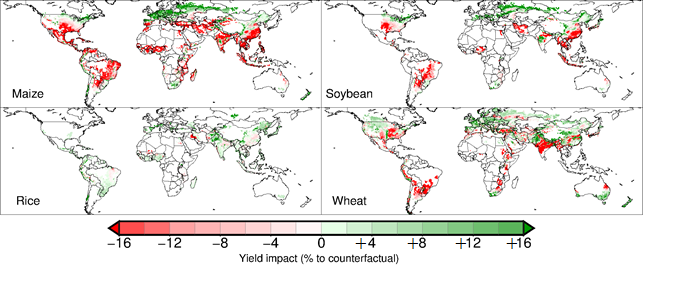
Moreover, the intersectionality of climate change with other pressing issues—such as poverty, health, and gender equality—must not be overlooked. For many communities, addressing immediate survival needs often takes precedence over long-term environmental considerations. Crafting messages that resonate with individuals’ daily lives—such as the impact of climate change on food security or health—is fundamental to garnering support for sustainable initiatives. By illustrating the interconnectedness of these issues, advocates can cultivate a broader base of understanding and urgency regarding climate action.
In addressing the gaps in climate change awareness, it becomes evident that more tailored and localized approaches are paramount. One-size-fits-all strategies are unlikely to effect meaningful change in diverse cultural settings. Collaboration between governments, NGOs, and local communities can facilitate the development of context-sensitive educational materials. Initiatives that include local voices and experience are more likely to resonate with communities, enhancing engagement and ownership of climate action efforts.
Additionally, promoting grassroots movements can elevate voices that often go unheard in larger climate discourse. Many African youth have emerged as advocates for change, passionately campaigning for sustainability and environmental justice. Their platforms harness the power of storytelling, art, and grassroots activism, infusing energy and creativity into the fight against climate change. Supporting these movements through funding, training, and visibility can amplify their impact significantly.
As Africa grapples with the impending realities of climate change, the importance of comprehensive awareness cannot be overstated. A myriad of factors contribute to the current understanding of climate issues, yet widespread gaps remain. By fostering inclusive educational initiatives, leveraging media responsibly, and recognizing the urgency of intersectional issues, Africa can cultivate a well-informed populace equipped to combat the climate crisis. The journey towards climate resilience is fraught with challenges, but through proactive engagement and empowerment, the continent can aspire to not only increase awareness but inspire tangible action toward a sustainable future.






Leave a Comment