
Air Pollution Ranked Second Leading Cause of Death Worldwide
Air pollution ranks as the second leading cause of death worldwide, linking millions of premature deaths each year to contaminated outdoor and indoor
May 8, 2026
Contaminants affecting air, water, land, and human‑well‑being.
Air pollution ranks as the second leading cause of death worldwide, linking millions of premature deaths each year to contaminated outdoor and indoor
May 8, 2026
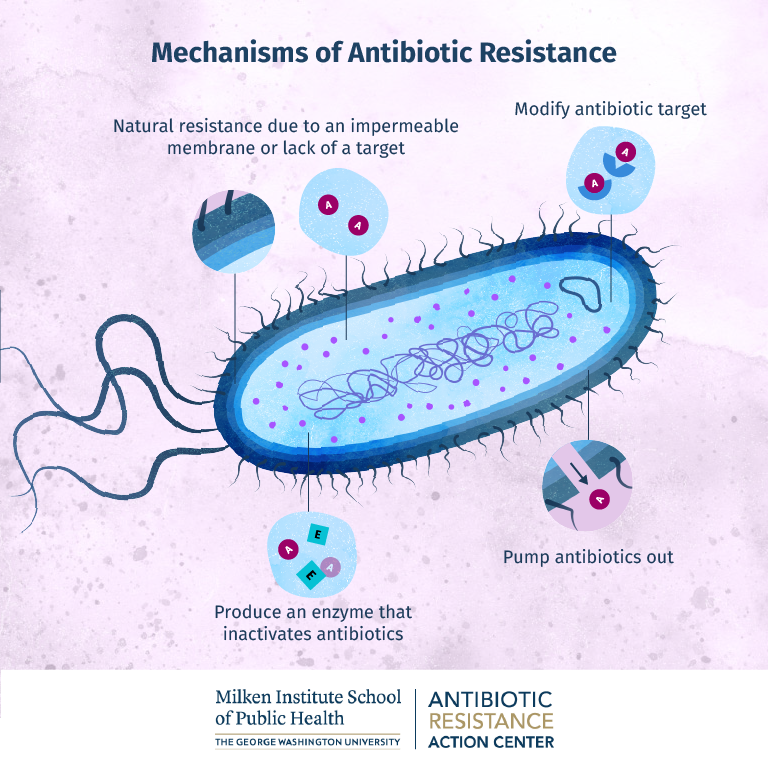
Antibiotic resistance is a global crisis in which bacteria evolve to survive drug treatments, driven by environmental contamination, agricultural practices, and clinical misuse,
May 7, 2026
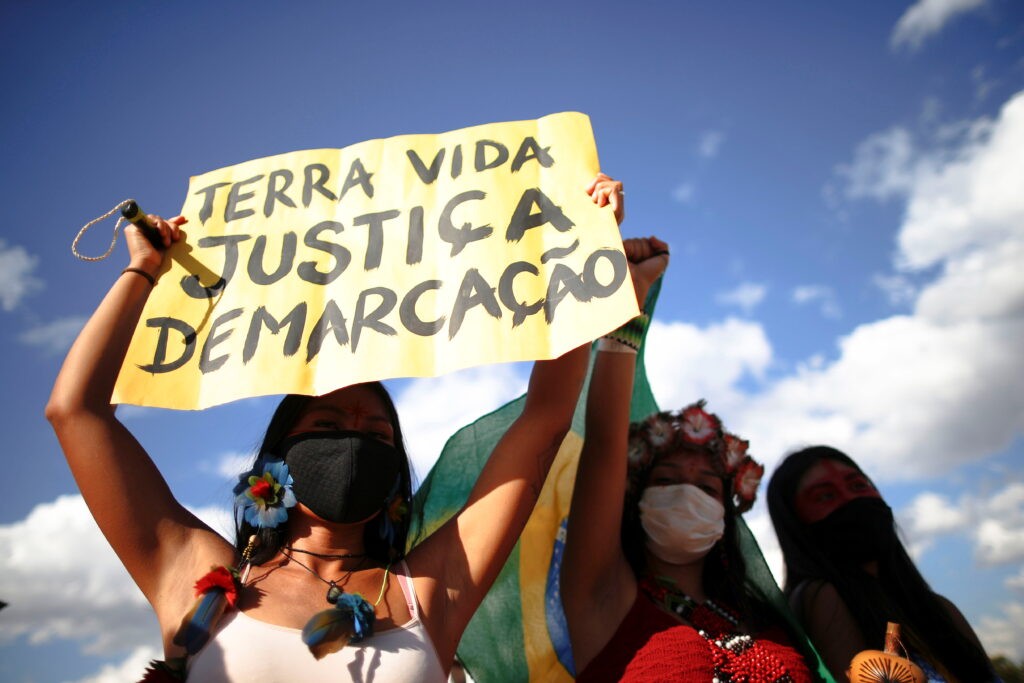
Brazil’s Supreme Court has affirmed the constitutional land rights of Indigenous peoples, reinforcing forest protection, cultural preservation, and legal precedent for sustainable stewardship
May 6, 2026
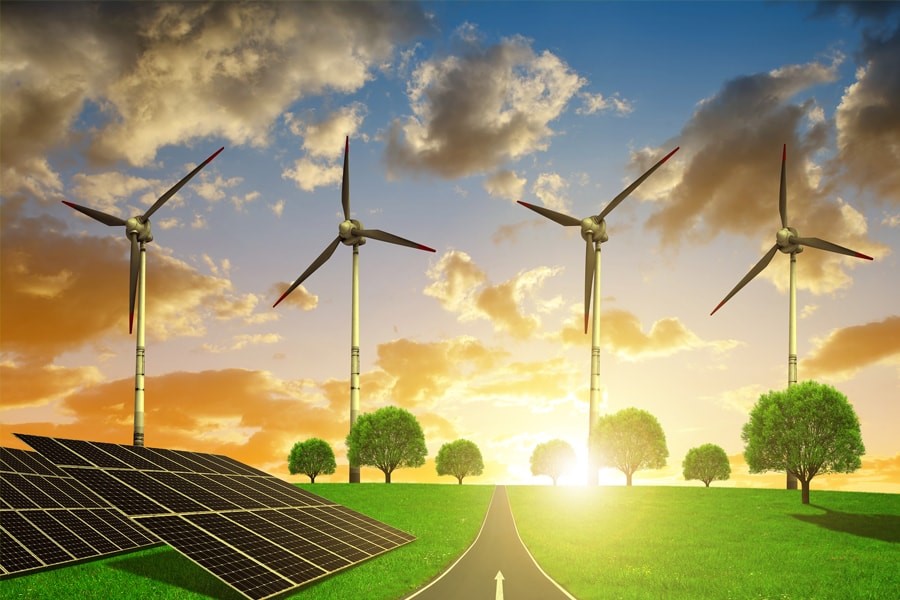
Bioplastics are plant‑derived polymers that can be biodegradable or not, and their promise of greener plastics depends on complex life‑cycle trade‑offs, resource use,
May 5, 2026

Automation, through AI, robotics and IoT, can lower emissions, waste and resource use in global supply chains, but its net sustainability depends on
May 2, 2026
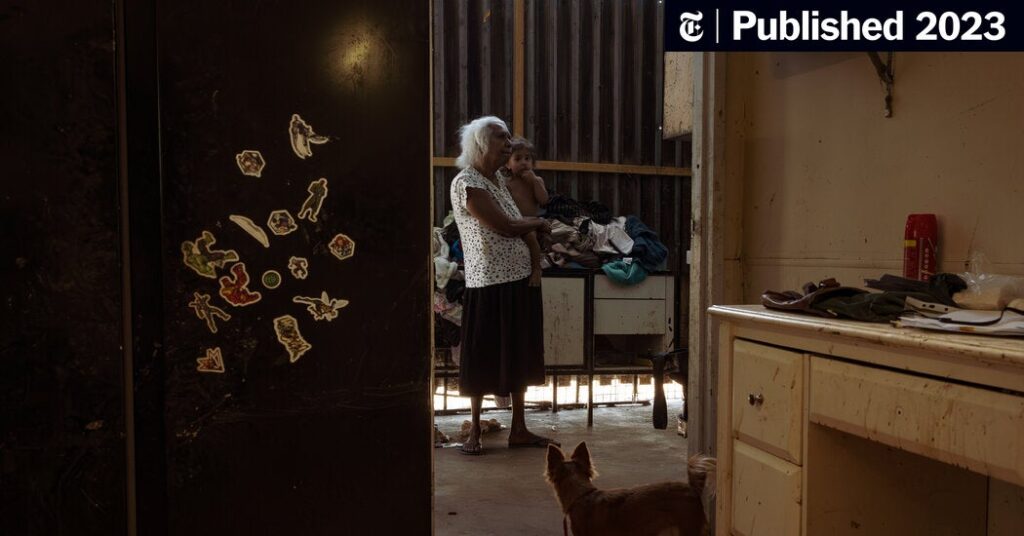
Australia’s 2023 referendum to enshrine an Indigenous advisory “Voice” in the Constitution was rejected, raising complex questions about environmental governance, land stewardship and
May 1, 2026
October 18, 2026

October 18, 2026

24Earth is an independent environmental knowledge platform explaining climate, oceans, biodiversity, pollution, energy, and planetary change through accessible, evidence-based reporting.
Copyright ©2026
24Earth.
