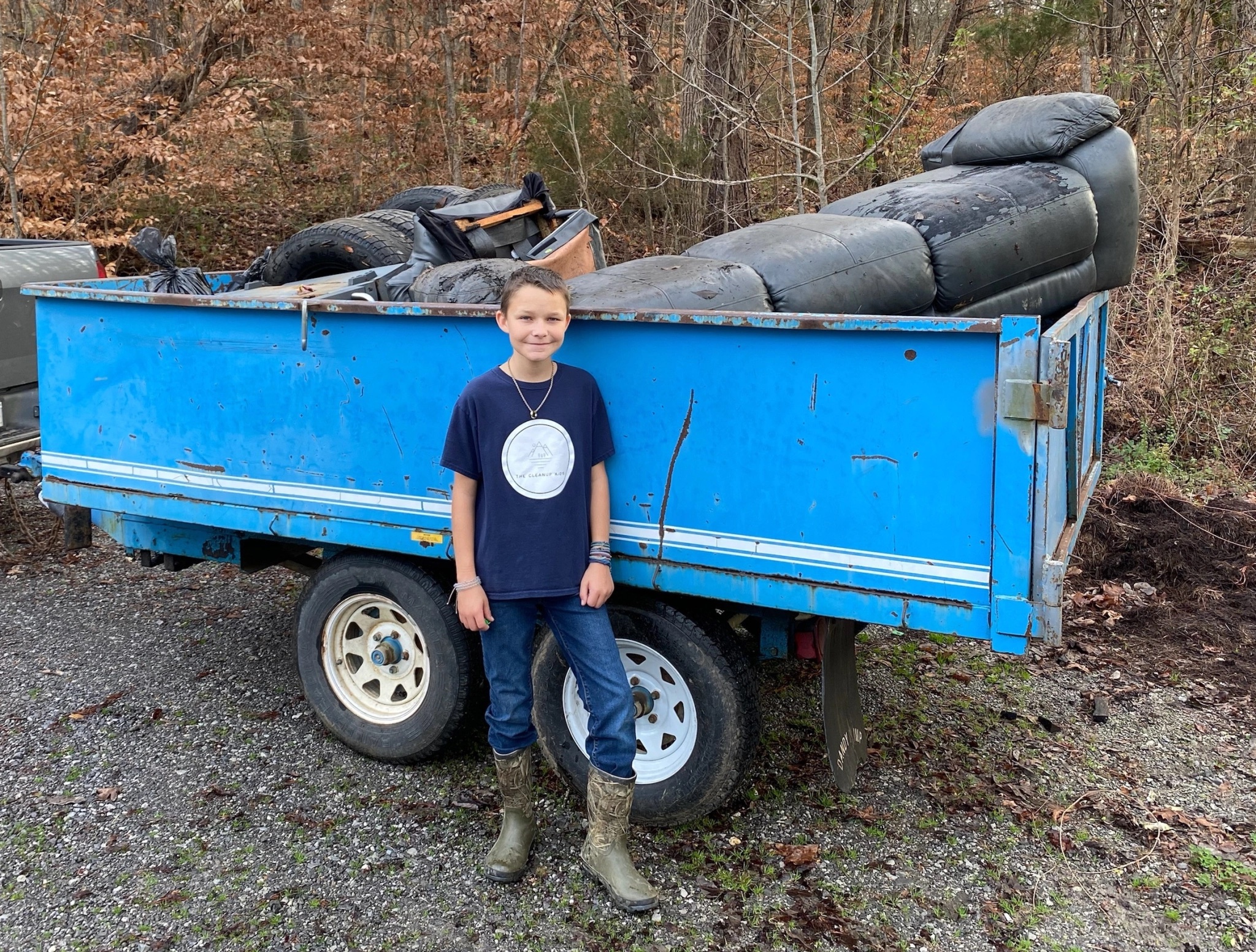
In an era characterized by environmental degradation and climate inaction, one young activist has emerged as a beacon of hope, igniting a sense of urgency among his peers to take action against the plastic crisis. Cash Daniels, often heralded as “The Conservation Kid,” has embarked on an ambitious mission: to collect one million pounds of trash. His movement, which resonates deeply with the youth, stands as a clarion call for environmental stewardship and a reshaping of the narrative around climate change.
Cash Daniels, a spirited young boy, epitomizes the notion that age does not dictate the capacity to effect change. He began his journey not out of obligation but out of a profound love for nature. It all started with a single trash pickup at a local park. Observing the beauty of his surroundings marred by litter ignited a passion that has blossomed into a full-fledged movement. Cash quickly realized that he could harness the collective power of his community and inspire others to join the cause.
The methodology behind Cash’s initiative involves engaging young minds through active participation. He orchestrates community clean-up events that bring together families, friends, and neighbors, transforming a mundane chore into a thrilling mission. These gatherings evoke a sense of camaraderie, reinforcing the notion that collective action can yield monumental results. Cash’s approach is not merely about picking up trash; it transcends the physical act to instill values of responsibility and accountability in both participants and spectators.
One might wonder what compels a young child to initiate such an extensive endeavor. Cash’s story is compelling; it is laced with a curiosity-driven quest to understand the ramifications of pollution on wildlife and ecosystems. He speaks of the detrimental effects of plastic, illustrating how it infiltrates waterways, jeopardizing aquatic life. He eloquently articulates the grave reality that wildlife, often analogized as innocent bystanders in this battle against human negligence, must contend with the consequences of our choices. This narrative serves to pique curiosity among the youth, fostering a deeper understanding of their environmental impact.
In an age dominated by social media, Cash leverages these platforms not just to promote his cause, but to cultivate a robust dialogue around environmental issues. His captivating posts and videos, which feature engaging content about the intricacies of recycling and the importance of reducing waste, have resonated with a wide audience. This digital engagement embodies a dual-layer approach: it educates peers while simultaneously challenging them to rethink their consumption habits. Cash’s movements ripple through online communities, inspiring others to take the baton and advocate for change within their locales.
The significance of Cash’s trash pickup movement extends beyond mere statistics. The impact is palpable; individual actions coalesce into a powerful message: change is possible when we band together. When participants perceive their efforts as part of a larger tapestry, they begin to confront the disillusionment often associated with climate activism. Therein lies the power of perspective – an elixir that motivates individuals to confront daunting challenges with optimism and vigor.
As Cash’s initiative gains momentum, it offers insights on the generational shift toward environmental consciousness. Kids are no longer just consumers; they are becoming advocates. This new wave of activism fosters discussions not only about litter but also about sustainability, conservation, and the urgency of climate action. By foregrounding tangible actions like clean-ups, Cash reframes climate discourse, facilitating a bridge between environmental issues and community involvement. His leadership reinforces the notion that climate action does not rest solely on the shoulders of policymakers; it begins with informed and passionate individuals.
The transformative nature of Cash’s movement lies in its ability to empower young activists, illustrating that leadership is not confined to age or experience. By encouraging his peers to confront systemic issues through grassroots activism, he cultivates a future generation poised to make informed decisions. His work acts as an essential reminder that resilience lies in the fabric of our communities, and collective voices yield singularly unique strengths.
Embarking on this journey, Cash Daniels has not merely set a goal; he has ignited an enduring passion among his peers. The movement encapsulates more than a mission to collect trash; it fosters a mindset of environmental stewardship that transcends geographic and socio-economic boundaries. It serves as a reminder that every small action contributes to a larger purpose – a reimagined vision for our planet.
In concluding this narrative, it is paramount to recognize the profound implications of Cash’s efforts. His commitment to collecting a million pounds of trash underscores the necessity of proactive engagement in environmental issues. The shift in perspective he embodies challenges the notion of environmentalism as predominantly adult affairs, reminding us all that children wield tremendous power in the realms of advocacy and action. As the waves of youth-led environmentalism continue to swell, inspired by figures like Cash, the potential for meaningful change has never been more palpable. The call to action resounds: will we heed the challenge and join the movement, transforming not only our communities but the world?







Leave a Comment