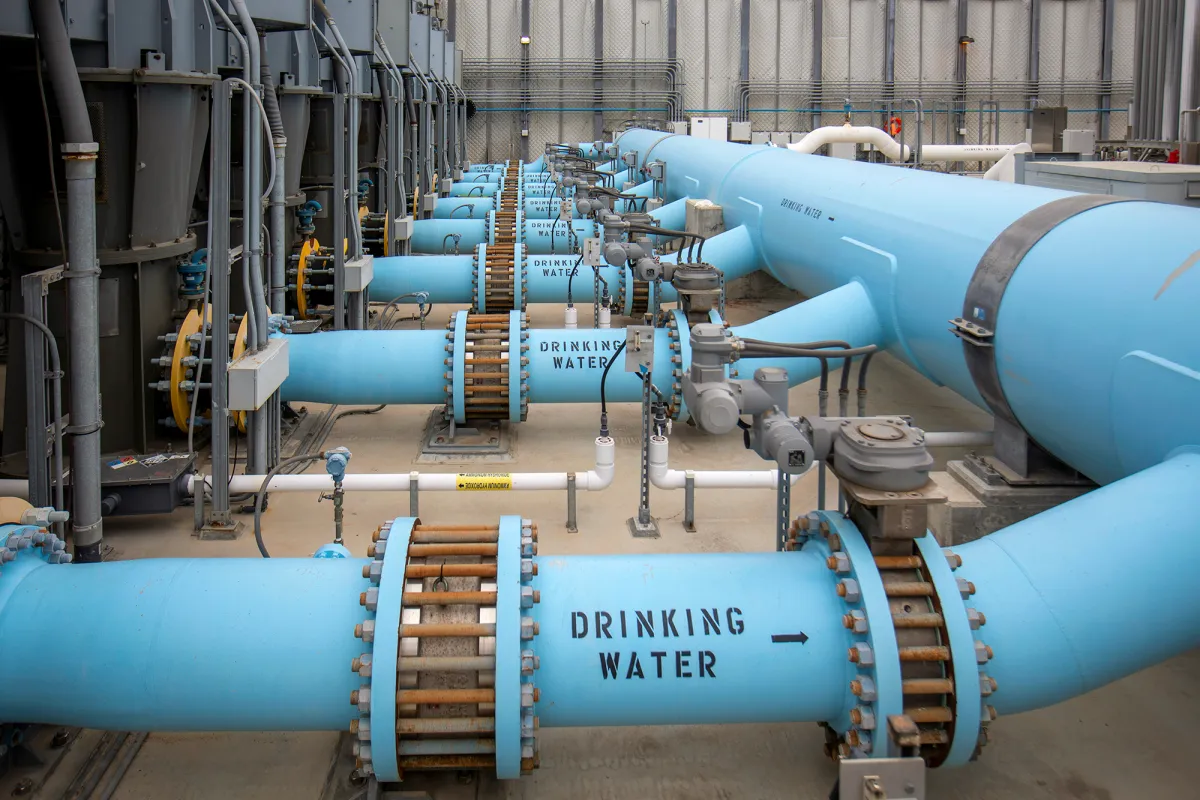
The burgeoning threat of rising sea levels looms large over coastal communities worldwide, underscoring a pressing urgency to explore innovative solutions. Among these solutions stands a technology that has often been shrouded in controversy and skepticism: desalination. This technological advancement has historically been viewed mainly through the lens of water scarcity in arid regions; however, could it also serve as a strategic bulwark against the encroaching seas?
Desalination, essentially the process of removing salt and other impurities from seawater to make it suitable for human consumption and irrigation, is not a new concept. It has been employed for decades in various parts of the globe, particularly where freshwater resources are scarce. Yet, as the climate crisis continues to exacerbate rising sea levels and heighten water insecurity, a paradigm shift in perspective is warranted. The urgent question arises: could desalination plants become pivotal in our fight against climate-driven displacement and disruption?
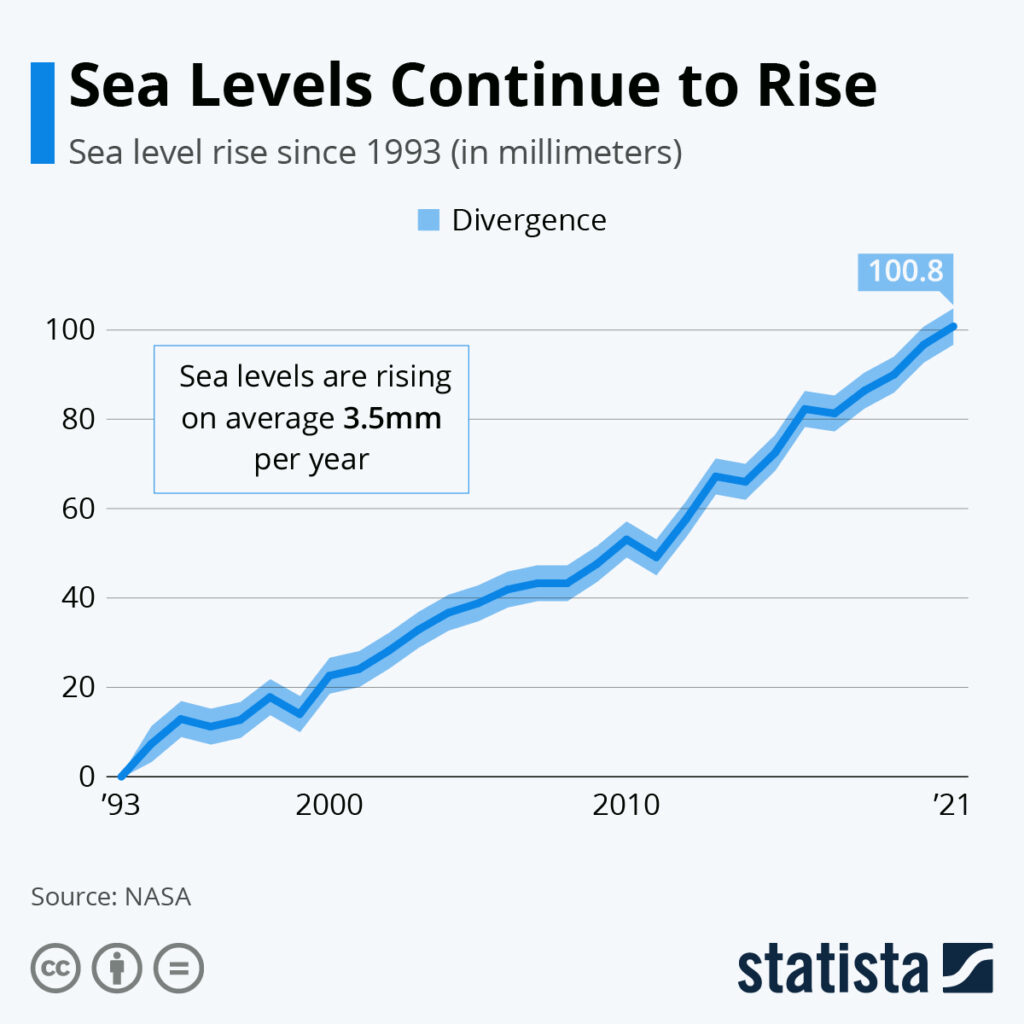
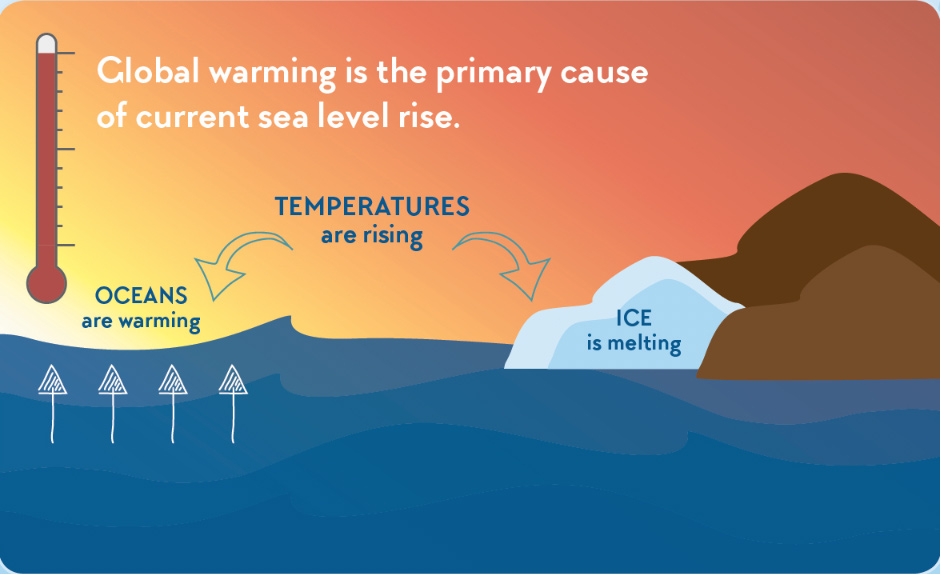
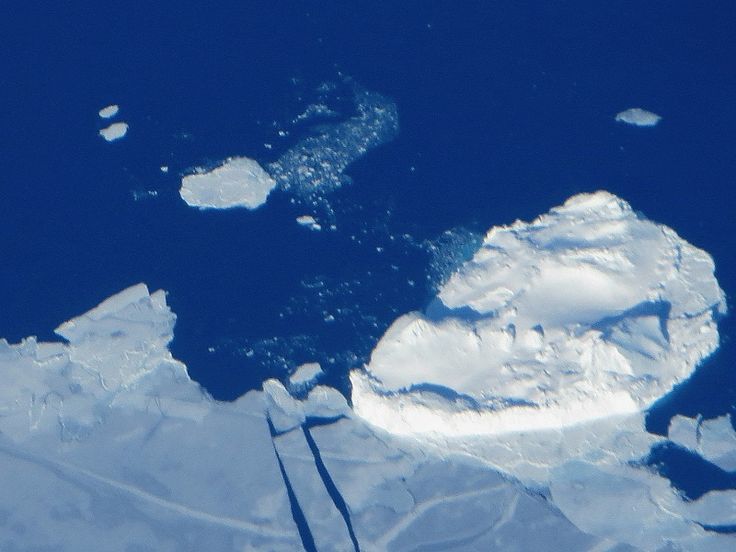
To grasp the potential of desalination in combating rising sea levels, it is crucial first to understand the underlying mechanisms propelling this phenomenon. Climate change, primarily driven by greenhouse gas emissions, has resulted in an accelerated melting of polar ice caps and glaciers, alongside thermal expansion of ocean waters. As these processes unfold, coastal areas are increasingly inundated, leading to the displacement of millions, salinization of freshwater sources, and devastating impacts on ecosystems.
In the face of these alarming realities, desalination presents compelling promises. Firstly, it can provide a reliable source of potable water in areas where traditional freshwater sources have been compromised by salinity intrusion—a phenomenon that occurs when rising sea levels push salty ocean waters into rivers and aquifers. This ability to produce large volumes of freshwater could be indispensable in sustaining local communities struggling under the strain of dwindling fresh supplies.
Moreover, the technologies employed in modern desalination plants have evolved significantly. Innovations such as reverse osmosis and solar desalination offer more energy-efficient solutions, potentially mitigating one of the principal critiques of desalination: its carbon footprint. While it is true that traditional desalination processes consume substantial energy and can contribute to greenhouse gas emissions, advancements in renewable energy integration, such as solar and wind, could position desalination as not merely a destructive force, but one aligned with sustainable practices in combating climate change.
The integration of desalination plants into coastal resilience strategies holds additional promise. These plants can be coupled with extensive water management systems that emphasize conservation, reuse, and watershed protection. By creating a holistic approach that encompasses all aspects of water use—from extraction to consumption—communities can enhance their adaptability to the vicissitudes of climate change while securing essential resources.
Furthermore, desalination plants can serve as societal equalizers. Coastal regions, particularly those in developing countries, often bear the brunt of climate change despite contributing the least to its causes. By investing in desalination infrastructure, governments could foster water equity, providing relief to vulnerable populations affected by both floods and water scarcity. In doing so, they could bolster not just resilience but also economic opportunities, empowering communities through the sustainable management of one of their most critical resources: water.
However, embracing desalination does not come without its challenges. The environmental impact of desalination plants merits serious consideration. The intake and discharge processes can harm marine life, disrupting delicate ecosystems. Nutrient imbalances and increased salinity levels pose threats to biodiversity in coastal waters. To address these issues, it is essential to develop stringent regulatory frameworks and innovative technologies that minimize ecological footprints. The deployment of environmentally sensitive practices, such as careful site selection for plants and mitigation strategies for marine fauna, will be crucial in ensuring that the potential benefits do not come at an insurmountable ecological cost.
Public perception of desalination also plays a pivotal role in its acceptance and integration into climate adaptation strategies. Alongside rigorous environmental considerations, transparent dialogue with communities is vital. This involves not only informing the public about the benefits and challenges of desalination but also actively engaging them in the planning processes. By fostering a sense of ownership and awareness, the potential stigmas surrounding desalination can be alleviated, opening the door for broader societal support.
In conclusion, while the prospects of desalination in addressing rising sea levels may seem daunting, they also present an invitation to reimagine our relationship with water. Embracing this technology could not only lead to a more sustainable supply of freshwater in an ever-warming world but also empower vulnerable communities facing existential threats. By recognizing desalination as part of a comprehensive climate adaptation toolkit, we can pivot our perspectives and galvanize efforts to safeguard our coastlines for generations to come.
As we stand at the crossroads of climate action and existential risk, the narrative surrounding desalination must shift from skepticism to curiosity. The solutions we seek may indeed lie beneath the waves, waiting for us to harness their potential with wisdom and responsibility. In doing so, we forge a path toward resilience, informed discrimination, and a more sustainable future.








Leave a Comment