The intricate web of life on our planet is a masterpiece in constant flux. Biodiversity loss and habitat loss are terms oftentimes used interchangeably in discussions about environmental degradation, yet they embody distinct phenomena with different implications for the ecosystems they affect. To understand the broader picture, one must delve into the nuanced intricacies of each concept, recognizing their interplay and acknowledging the urgency with which we must confront these urgent issues.
Understanding Habitat Loss
Habitat loss refers specifically to the destruction or alteration of the natural environments that organisms rely on for survival. This phenomenon primarily occurs due to anthropogenic activities—including urbanization, agriculture, logging, and mining—that encroach upon and fragment these vital ecosystems. Once a habitat is compromised, the flora and fauna that inhabit it may struggle to survive. For instance, the draining of wetlands for agricultural expansion not only leads to a loss of vital water filtration systems but also devastates species that depend on those wetlands for food and shelter.
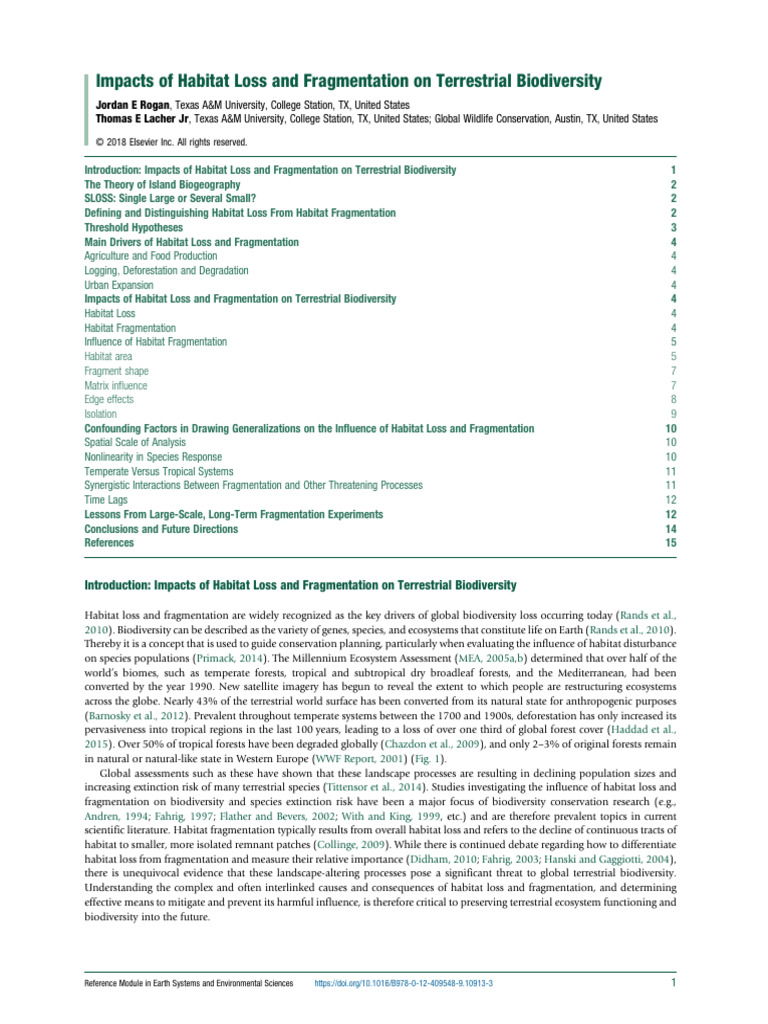
The ramifications of habitat loss extend beyond immediate species extinction; they reverberate throughout the ecosystem. As habitats shrink and degrade, the biodiversity within them suffers. The delicate balance of predator and prey relationships becomes disrupted, leading to cascading effects that can alter community dynamics significantly. Moreover, habitat fragmentation compels species to confront the “edge effect,” whereby the altered edges of habitats expose inhabitants to new threats—such as increased predation and competition—that they would otherwise not encounter in a stable environment.
Delineating Biodiversity Loss
Biodiversity loss, on the other hand, transcends mere habitat concerns, manifesting as a decline in the variety of life forms within a specific ecological setting. This includes the reduction in species richness, genetic diversity, and ecosystem diversity. Biodiversity is critical for ecosystem resilience—the ability of an ecosystem to recover from disturbances or adapt to environmental changes. In maintaining genetic diversity, populations are fortuitously equipped to adapt to shifting climate conditions or emerging diseases.
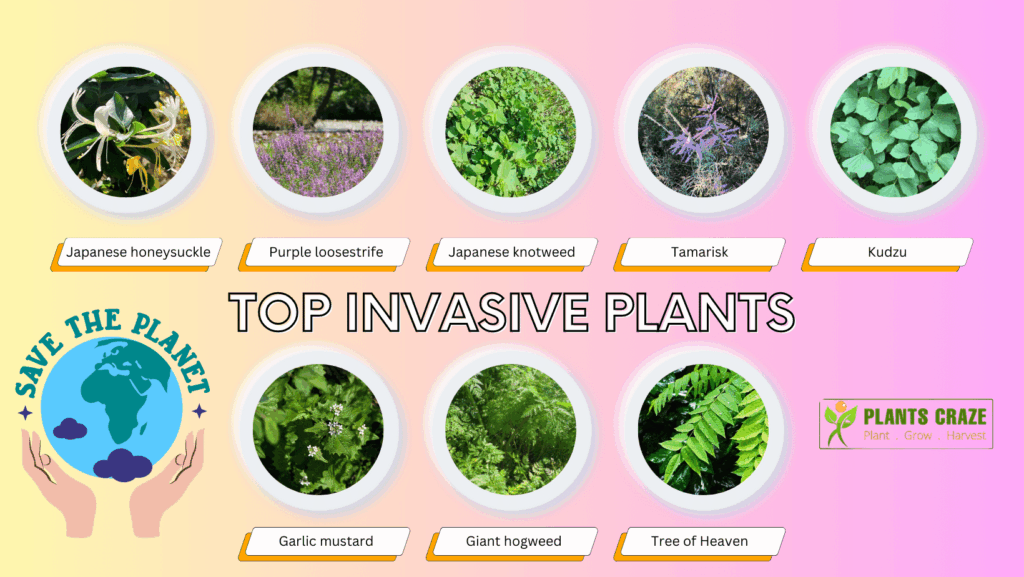
Species extinction rates currently accelerate at an alarming pace—estimates suggest that we are witnessing a species loss rate perhaps 1,000 times higher than the natural rate. This unprecedented loss can be attributed to numerous factors, including habitat destruction, climate change, invasive species, pollution, and overexploitation. As species become extinct, the intricate interdependencies among organisms unravel, leading to diminished ecosystem functionality. For instance, the extinction of a single pollinator species can hinder the reproductive success of numerous flowering plants, leading to cascading loss within the entire food web.
The Interconnectedness of Habitat and Biodiversity Loss
Understanding the distinction between habitat and biodiversity loss is imperative, yet, the connection between the two phenomena cannot be overstated. Habitat loss is a significant driver of biodiversity loss. As habitats are paved over for urban development or cleared for agricultural land, myriad species either relocate or succumb to the harsh realities of their diminishing ecosystems. It is critical to recognize that while habitat loss directly forfeits living spaces, it simultaneously precipitates a decline in biodiversity and ecological health.
Furthermore, the process of habitat fragmentation can create isolated patches of habitat, making it difficult for species to migrate, find mates, or access food sources. This isolation exacerbates genetic bottlenecks, leading small and fragmented populations to become increasingly unable to withstand environmental stresses. The cyclical nature of habitat and biodiversity loss serves as a harbinger, reinforcing the notion that these challenges are fundamentally interwoven.
Exploring Solutions: Conservation Strategies
In the face of these pressing issues, there exists a plethora of strategies to address both habitat and biodiversity loss. Conservation efforts could take on many forms—protected areas such as national parks and wildlife reserves serve to shield vulnerable ecosystems from development pressures. Ecosystem restoration projects aim to rehabilitate degraded habitats by reintroducing native species and removing pollutants, thereby incentivizing biodiversity recovery.
Moreover, sustainable land-use practices present a formidable answer to the challenges posed by habitat loss. Agroforestry systems, for example, integrate agricultural practices with native tree species, fostering biodiversity benefits while maintaining agricultural yield. Similarly, wildlife corridors that connect isolated habitats enable species migration, enhancing genetic exchange and facilitating resilience in the face of climate change.
A Call to Action
The narrative of biodiversity loss versus habitat loss constitutes a complex challenge; however, it simultaneously offers profound opportunities for transformative change. The depth of our ecological understanding and the robustness of our conservation efforts will ultimately dictate the future of our shared planet. We are at a pivotal moment—one that necessitates awareness and collective action. Protecting habitats, ensuring biodiversity, and restoring ecosystems must ascend to the forefront of our global priorities.
In conclusion, recognizing the uniqueness of habitat loss and biodiversity loss is instrumental not only in developing effective conservation strategies but also in fostering a culture of appreciation for the splendor of life on Earth. As we peer into the vast complexities and interconnections within our ecosystems, we can cultivate a reverence that inspires change and safeguards the rich tapestry of life for generations to come.







Leave a Comment