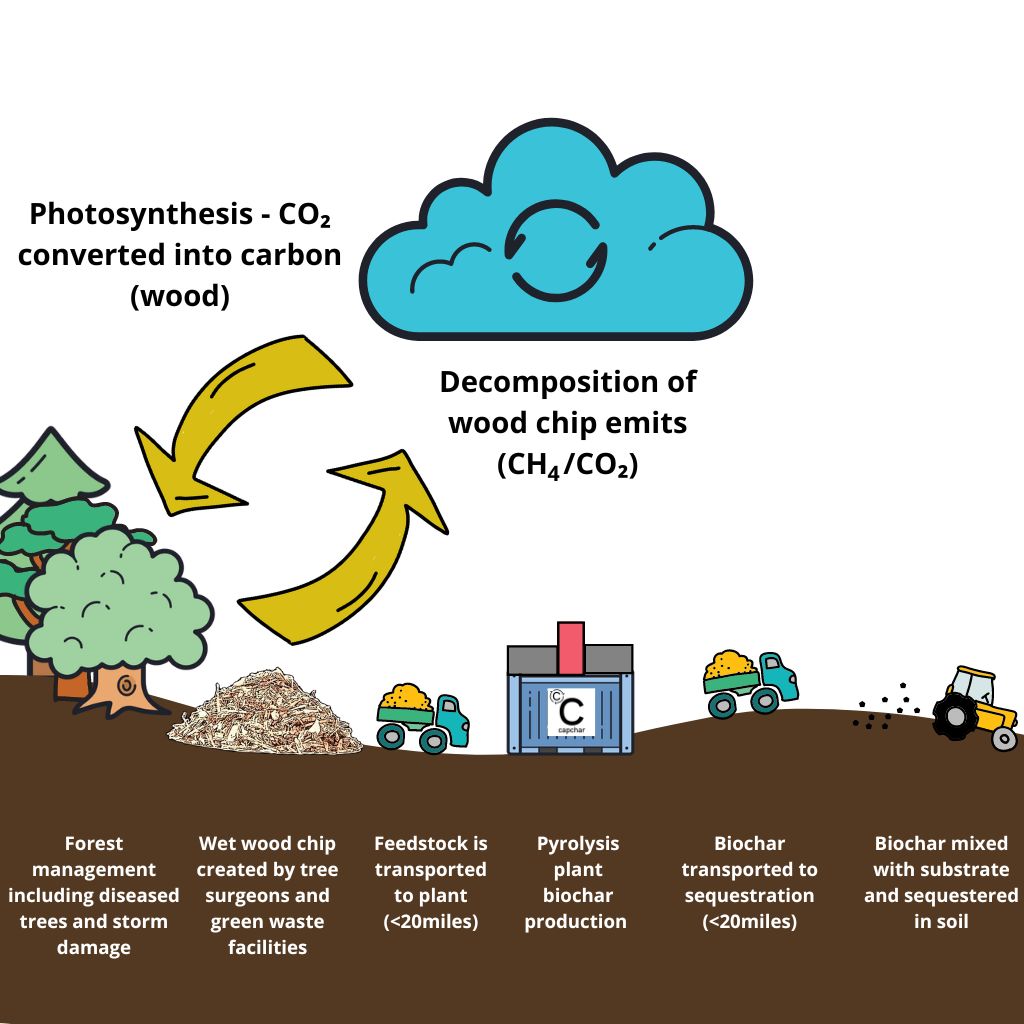
In a world increasingly grappling with the ramifications of climate change, the quest for innovative solutions has become more crucial than ever. Among the myriad of methods touted for carbon sequestration and environmental restoration, biochar stands out as a potent beacon of hope. This article delves into the intricacies of biochar, dissecting its multifaceted roles in carbon removal and soil health, while also shedding light on the deeper reasons that underpin its growing popularity.
Biochar, fundamentally, is a charcoal-like substance created through the pyrolysis of organic material—wood, agricultural residues, or even animal manure—under conditions of limited oxygen. This ancient technique has seen a resurgence in modern environmental discourse, raising intriguing questions: Why is biochar garnering such fascination? What are its implications for the planet’s fight against climate change and its potential for revitalizing soil health?
The foremost characteristic that positions biochar as an exemplary tool for carbon removal is its ability to sequester carbon for extended periods. When organic matter decomposes naturally, it releases carbon dioxide back into the atmosphere—a pressing concern given that increased atmospheric CO2 concentrations are a significant driver of climate change. However, when this same organic material is transformed into biochar, the carbon becomes locked in a stable form. Research indicates that biochar can sequester carbon for centuries, if not millennia, effectively serving as a long-term repository for greenhouse gases. This enduring stability renders biochar a formidable asset in the battle against climate change.
But the virtues of biochar extend beyond mere carbon sequestration. Soil health and fertility are perennial issues faced by agricultural practices worldwide. Conventional farming techniques, often reliant on chemical fertilizers, have led to soil degradation, nutrient depletion, and ecological imbalance. Biochar emerges as a salve for these ailments, enhancing soil properties in remarkable ways. It improves soil structure, enhances water retention, and increases microbial activity—essential components for sustaining agricultural productivity. With its porous nature, biochar provides a habitat for beneficial microbes, essentially fostering a thriving underground ecosystem. This biodiversity is crucial for nutrient cycling, which in turn supports plant growth.
Moreover, biochar’s effect on soil pH can be transformative. Many soils exhibit acidity, which impedes the growth of various crops. The alkaline nature of biochar can counteract this, moderating soil pH and creating a more hospitable environment for various plant species. Farmers, particularly in regions plagued by poor soil quality, are increasingly turning to biochar as a proactive measure to rejuvenate their land.
As climate advocacy sustains its momentum, the socio-economic ramifications of biochar utilization cannot be overlooked. Smallholder farmers, especially in developing countries, often bear the brunt of agricultural challenges exacerbated by climate change. The integration of biochar into their farming practices can uplift their livelihoods through enhanced crop yields and greater resilience to erratic weather patterns. Not only does this approach contribute to food security, but it also enables communities to engage in carbon markets, thereby incentivizing sustainable practices while fostering economic resilience.
The allure of biochar also stems from its multifarious applications beyond agriculture. Its use extends into construction materials, water filtration systems, and even energy generation—each a testament to its versatility and potential impact. For instance, incorporating biochar into concrete mixtures can improve the material’s strength while reducing its carbon footprint. Furthermore, its adsorption capabilities render biochar effective in filtering out contaminants from water, thereby addressing critical concerns regarding water quality.
Despite the promising landscape that biochar presents, there remain substantial challenges to its widespread adoption. The process of creating biochar, while potentially beneficial, is not devoid of complications. Pyrolysis requires energy, and sourcing this energy from fossil fuels could counteract biochar’s beneficial effects. Furthermore, the feedstock materials for biochar production must be sustainably sourced to avoid unintended ecological consequences, such as deforestation or competition with food production.
Moreover, the regulatory landscape surrounding biochar is still in its infancy. Policymakers and scientists are grappling with the definitions, standards, and certifications needed for biochar products to ensure their efficacy and environmental integrity. A collaborative approach involving farmers, scientists, and regulators will be crucial in shaping policies that foster the responsible use and marketing of biochar.
As we engage with the concept of biochar through a lens of environmental urgency, it becomes apparent that its multifaceted nature mirrors our intricate relationship with the earth. The deeper reasons for our fascination with biochar lie not solely in its potential for carbon removal and soil rejuvenation but also in its implications for sustainable development, community resilience, and responsible resource management. By nurturing this ancient practice through modern innovation, we may pave a pathway to a more sustainable future—one where our agricultural systems regenerate the land rather than deplete it.
In conclusion, biochar represents a convergence of innovative ecological practices and age-old agricultural wisdom. Its multifaceted benefits, from carbon sequestration to soil enhancement, position it as a formidable ally in the pursuit of climate stability. As we stand at a crossroads in our environmental narrative, embracing biochar could very well be a pivotal chapter toward a more sustainable and resilient global ecosystem.








Leave a Comment