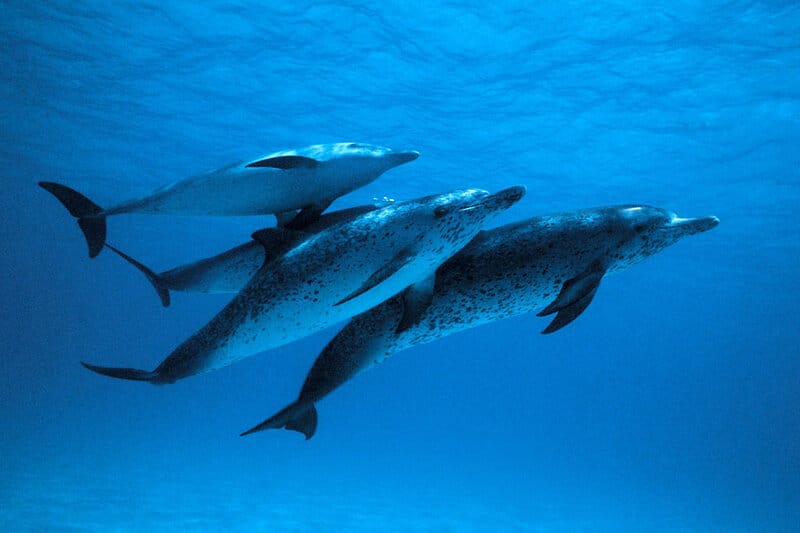
In the vast and mysterious depths of our oceans, where sunlight barely penetrates and life thrives in enigmatic forms, whales and dolphins reign supreme. These magnificent marine mammals, with their intelligence and social structures, captivate our imagination. However, lurking beneath their majestic surfaces is a perilous reality: industrial chemicals are poisoning their habitat and threatening their survival.
As we ponder the significance of these creatures, our fascination with them often stems from their ethereal beauty and complex behaviors. Whales, with their haunting songs echoing through the deep, and dolphins, with their playful acrobatics, embody the spirit of the ocean. Yet this wonder is increasingly juxtaposed with a grim narrative, as the relationship between industrialization and marine health reveals itself.
The toxicity of industrial chemicals in marine environments is well-documented. Persistent organic pollutants (POPs) like polychlorinated biphenyls (PCBs) and dichlorodiphenyltrichloroethane (DDT) have been meticulously studied. These substances, often originating from manufacturing processes and agricultural practices, do not decompose easily. Instead, they accumulate within the tissues of marine creatures over time through a process known as bioaccumulation.
When a small fish ingests these chemicals, they may seem harmless. Yet, as larger fish consume smaller ones, the concentration of toxins amplifies—a phenomenon referred to as biomagnification. This perilous cycle exposes apex predators, such as whales and dolphins, to increasingly high doses of harmful substances. The interconnectivity of ecosystems reveals a poignant truth: actions taken on land invariably ripple through the aquatic realms.
Research indicates that these toxicants can have detrimental effects on the reproductive and immune systems of cetaceans. Observational studies have linked PCB exposure to reduced reproductive rates in belugas and orcas. These reports are troubling; some species now find themselves teetering on the edge of extinction, their dwindling populations a stark signal of environmental degradation.
Moreover, the neurological implications of chemical exposure are profound. The intricate brains of whales and dolphins, which accommodate advanced social behaviors and communication skills, are particularly susceptible to disruption. Neurological impairments can lead to altered social behaviors, difficulties in hunting, and even increased mortality rates. The cognitive impacts of pollutants serve as a cruel irony; as these intelligent beings grapple with compromised abilities, we are left to wonder: what knowledge is lost in these oceanic civilizations?
But the story does not conclude with mere biological ramifications; it extends into the realm of human morality and responsibility. The oceans are, after all, a reflection of our choices. The chemicals we release into the atmosphere, soil, and waterways ultimately metamorphose into threats against marine life. As communities clamored for industrial growth, they neglected the sobering truth that such advancements often come at a significant environmental cost. It raises an imperative question: Are we willing to sacrifice the health of our oceans and the creatures within them for the sake of short-term gains?
Addressing this crisis demands a multi-faceted approach, encompassing policy reform, public awareness, and concerted conservation efforts. Stricter regulations regarding the use and disposal of chemicals must be implemented. Companies should be held accountable, not only for emissions but also for the lifecycle of their products. Encouraging sustainable practices in agriculture and manufacturing can diminish the influx of harmful substances into our waterways.
Moreover, investing in research is crucial. Scientific studies focusing on the long-term effects of chemical exposure on marine life will illuminate the depths of this crisis. Understanding the specific impacts of various industrial chemicals allows for targeted interventions, preserving not only the health of cetaceans but the balance of entire marine ecosystems.
Public involvement remains pivotal as well. Grassroots movements can amplify awareness and galvanize collective action. Educating communities about their role in pollution, including the consequences of single-use plastics and improper waste disposal, fosters a sense of stewardship over our oceans. We must cultivate a culture that reveres marine life, urging individuals to contemplate the broader implications of their habits.
As we immerse ourselves in this critical discourse, we must also embrace the wondrous interconnectedness of all life. The plight of whales and dolphins serves as a metaphor for broader ecological collapse. Their strife resonates through coastal communities that rely on healthy oceans for livelihood and sustenance. Furthermore, the preservation of these marine mammals reverberates significantly in indigenous cultures, where their presence symbolizes a connection to ancestral teachings and traditions.
So, as we grapple with the pressing question—are industrial chemicals killing whales and dolphins?—the answer starkly emerges. Yes, they are, and the ramifications stretch far beyond tragic headlines. It is imperative that we confront this reality with urgency and intention. The enchanting calls of whales and the spirited clicks of dolphins herald their call for survival, a clarion resonate with the intrinsic forces of nature that demand protection.
Our future, intertwined with these extraordinary beings, hinges on our actions today. Thus, let us strive for an ocean free from the shackles of pollution; an ocean that not only harbors life but celebrates it. By elevating our consciousness and redefining our relationship with nature, we can ensure that the songs of whales and the laughter of dolphins endure for generations yet to come.





Leave a Comment