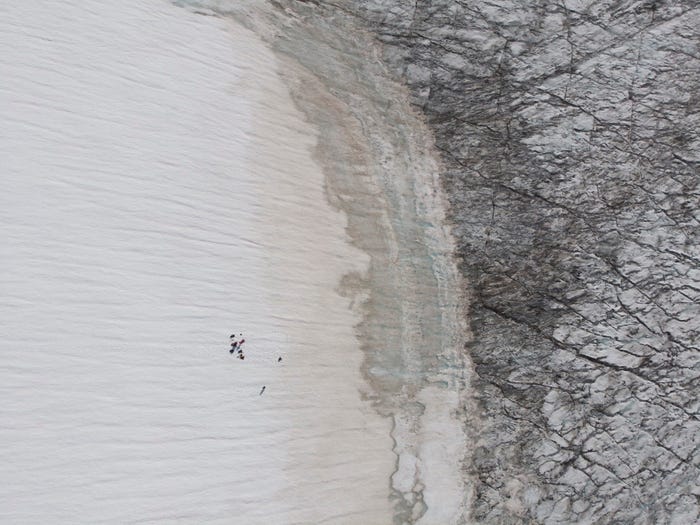
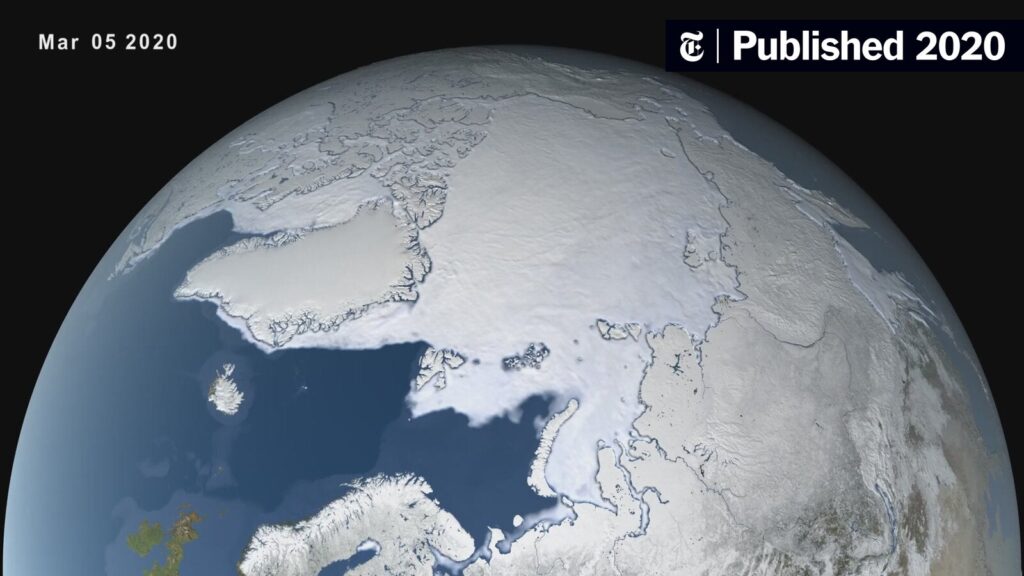
The vast expanse of Greenland’s ice sheet, resembling a frozen dreamscape, is now confronted with a harsh and unsettling reality. This ancient reservoir of ice, which has endured for millennia, is facing an unprecedented threat: the prolific growth of algae blooms. These vibrant, albeit ominous, organisms are emerging as unexpected harbingers of a rapidly warming planet. Their presence is not merely a scientific curiosity; it embodies the intricate interplay between climate change and the natural world, unveiling a narrative that is both alarming and poignant.
Algae, often dismissed as insipid green filaments, possess a more sinister edge in the context of climate dynamics. When viewed from above, the ice sheet appears as a canvas of pristine white, but upon closer inspection, narrow veins of green punctuate the surface, heralding the existence of microcosmic blooms. These algae flourish in response to rising temperatures, exacerbated by prolonged sunlight and diminishing sea ice, creating a paradox where the very elements that sustain them are also leading to their proliferation. The irony is striking: life, in its myriad forms, thrives in the thaw while simultaneously contributing to the demise of its host.
As temperatures climb, the intricate relationship between algae and ice becomes increasingly evident. The blooms darken the ice’s surface, altering its albedo—a term denoting the surface’s reflectivity. Fresh snow boasts a high albedo, reflecting a significant percentage of solar radiation back into space. In contrast, dark algae absorb heat, accelerating the melting process. This ecological metamorphosis is akin to replacing a luminous white cloak with a black shroud, hastening the decline of this ancient ice. Researchers liken this phenomenon to a feedback loop; as ice melts, it creates an environment conducive to more algal growth, which in turn accelerates further melting. This insidious cycle is a signal flare for the wider implications of climate change.
The consequences of accelerated ice melt on Greenland are profound and multifaceted. First, the contribution to global sea level rise becomes starkly apparent. Greenland harbors approximately 680,000 cubic kilometers of ice, and even a slight increase in melt rates can translate into tangible rises in ocean levels. Coastal cities around the world, like New York and Miami, are already grappling with the repercussions of encroaching tides. The swell of sea levels represents more than a physical threat; it embodies an existential challenge, as vulnerable populations face displacement and loss of habitat.
Moreover, the ecological ramifications extend far beyond the ice sheet itself. The introduction of freshwater from melting glaciers into the ocean disrupts marine currents, which are essential for regulating climate systems globally. This alteration can lead to chaotic weather patterns, exacerbating storms, droughts, and other extreme weather events. The ripple effects of ice melt are not confined to Greenland; they play out on the world stage, influencing agricultural productivity, food security, and biodiversity across continents. In this interconnected ecosystem, the seemingly innocuous algae blooms emerge as pivotal players, their story entwined with the fates of communities far removed from their icy habitat.
In the struggle for survival, the intricate web of life visualizes itself as a dance on the precipice of change. The algae, with their vibrant hues, evoke metaphors of rebellion against a backdrop of existential crisis. Yet, beneath their colorful facade lies a narrative tinged with melancholy. They serve as both an indicator and a consequence of warming — a reminder that the Earth’s delicate balance is shifting irrevocably. Their thriving colonies signify a world in flux, a planet grappling with anthropogenic transformations that threaten the very fabric of existence.
Public awareness and understanding of this phenomenon are critical. Advocates must convey the urgency of the situation; each algal bloom is more than a single event; it symbolizes a harbinger of profound environmental shifts. The visual imagery of shimmering green waves atop a white glacier paints a troubling picture—one that many may easily overlook in the beauty of nature. Thus, it is imperative to unravel the complexities of this narrative and present it to a world that often prioritizes immediate concerns over long-term visibility.
Community engagement can also play a transformative role in addressing these changes. Local and indigenous populations who are inherently connected to the land possess invaluable knowledge of the ice sheet’s behaviors, including shifts in flora and fauna. Their participation in conservation efforts is essential for bending the arc of climate change towards resilience. Collaborative endeavors can lead to the development of innovative solutions—using indigenous wisdom to cultivate a future where algae do not dictate the fate of Greenland’s ice.
As we traverse the terrain of climate advocacy, the warning provided by the resilient yet destructive algae blooms should galvanize action. Their haunting beauty coupled with their destructive tendencies presents a poignant reminder of the ramifications of climate negligence. It is an unequivocal call to arms—one that beckons humanity to repair the frayed threads of nature’s tapestry before it unravels completely. The quest to protect Greenland’s ice sheet, and by extension, the delicate balance of our planet, is now, more than ever, a responsibility that we cannot ignore.


Leave a Comment