Brazilian federal subsidies for cattle ranching lower the cost of clearing Amazon forest, linking taxpayer money directly to deforestation, greenhouse‑gas emissions, and biodiversity loss.
\n\n
Quick Answer
\n

Brazilian taxpayers fund low‑interest loans, tax breaks and technical assistance that make it financially attractive for ranchers to convert forested land into pasture. Satellite monitoring and fiscal records show that a substantial share of Amazon clearing between 2015 and 2022 occurs on lands where these subsidies are applied. The result is an additional ~0.5 gigatonnes of CO₂ per year and accelerated loss of species, although the exact proportion of deforestation driven solely by subsidies remains uncertain.
\n
\n\n
Key Takeaways
\n
- \n
- Federal subsidies for cattle production reduce the economic barrier to forest clearing.
- Spatial analysis links roughly one‑third of cleared area to subsidised pasture expansion.
- Deforestation associated with subsidised ranching adds about 0.5 Gt CO₂ yr⁻¹, about 5 % of Brazil’s total emissions.
- Redirecting funds toward agroforestry, silvopasture or payments for ecosystem services can cut emissions, but political resistance is strong.
- Key uncertainties include the precise share of deforestation caused by subsidies and the effectiveness of proposed policy reforms.
\n
\n
\n
\n
\n
\n
\n\n
What Is Brazilian Taxpayers Subsidize Amazon Clearing for Cattle Ranching Study Finds?
\n
The 2023 study released by a consortium of Brazilian research institutes and international NGOs quantified the correlation between federal financial support for cattle production and forest loss in the Legal Amazon. It examined budget lines such as the Rural Credit Program (Pronaf) and the Special Program for Rural Development (PRONAF), which together allocate billions of reais in low‑interest loans and tax incentives to ranchers. By overlaying these fiscal flows with high‑resolution deforestation maps from Brazil’s National Institute for Space Research (INPE), the authors identified a spatial match between subsidy‑receiving operations and cleared pixels.
\n\n
How Does It Work?
\n
1. Subsidy Allocation
\n
Ranchers apply for low‑interest credit or request tax exemptions to expand pasture. The Ministry of Agriculture approves funds based on projected herd growth, without requiring an assessment of land‑use change.
\n
2. Economic Incentive to Clear
\n
Cheap credit lowers the upfront cost of cutting trees, bulldozing soil and burning residual biomass. Expected profits from beef sales outweigh the perceived risk of enforcement, making clearing financially attractive.
\n
3. Physical Conversion
\n
Workers use chainsaws, bulldozers or manual labor to remove vegetation. Burning is often employed to clear remaining material, releasing stored carbon and creating a ready‑to‑graze surface.
\n
4. Climate Feedback
\n
When forest is removed, the area shifts from a carbon sink to a carbon source. Reduced evapotranspiration also alters regional rainfall patterns, potentially decreasing agricultural productivity elsewhere.
\n\n
What Does the Evidence Show?
\n
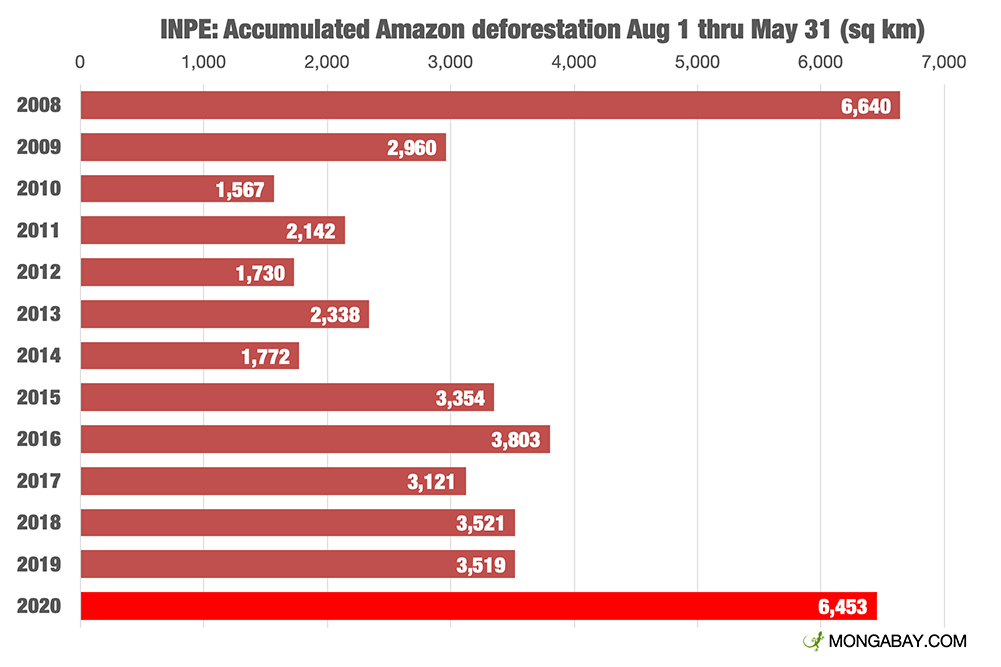
Long‑term monitoring by INPE indicates that annual deforestation in the Brazilian Amazon averaged about 1,000 km² per year from 2015 to 2022. A spatial overlay with subsidy‑recipient locations revealed that roughly 30 % of cleared pixels fell inside zones where subsidised cattle operations were active, a proportion that is statistically higher than in non‑subsidised areas (Environmental Research Letters, 2023). Independent assessments by the Food and Agriculture Organization confirm that Brazil’s cattle herd, exceeding 215 million head, is the world’s largest and a primary driver of tropical land‑use change.
\n
Climate‑model attribution studies calibrated with these deforestation data estimate an extra 0.5 gigatonnes of CO₂ emissions per year from pasture‑related clearing, representing about 5 % of Brazil’s total national emissions (IPCC Sixth Assessment Report, 2021). Ground‑based carbon flux measurements in Pará show that cleared pasture lands emit 2–3 times more CO₂ than adjacent intact forest.
\n\n
Main Causes or Drivers
\n
Direct Causes
\n
- \n
- Federal subsidies that lower the cost of land conversion.
- High global demand for beef, especially from Europe and China.
\n
\n
\n
Underlying Drivers
\n
- \n
- Economic reliance on cattle as a source of employment and export revenue.
- Weak enforcement of Brazil’s Forest Code, which permits limited legal clearing but is often exceeded.
\n
\n
\n
Amplifying Factors
\n
- \n
- Infrastructure projects—roads, hydroelectric dams—that open remote forest areas to markets.
- Land‑tenure insecurity, prompting owners to clear land before disputes arise.
\n
\n
\n\n
Environmental and Human Impacts
\n
Environmental Impacts
\n
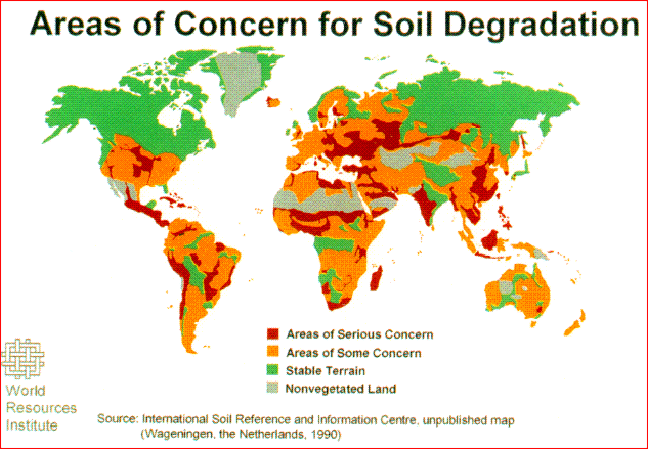
Deforestation eliminates habitat for an estimated 10 % of the world’s known species, causing declines in iconic taxa such as jaguars, river dolphins and countless plant species. Soil degradation follows burning, reducing fertility and increasing erosion, which can impair downstream water quality. The loss of forest also diminishes regional precipitation, creating a feedback loop that threatens agricultural yields.
\n
Human Health and Social Impacts
\n
Smoke from slash‑and‑burn practices contributes to respiratory problems for nearby communities. Indigenous peoples who depend on forest resources face displacement and loss of cultural heritage. The released carbon adds to global climate change, disproportionately affecting low‑income populations worldwide.
\n
Economic and Infrastructure Impacts
\n
While cattle ranching creates jobs and generates export revenue, the long‑term economic cost of lost ecosystem services—water regulation, pollination, carbon sequestration—likely exceeds short‑term gains. A 2022 World Bank analysis estimated ecosystem‑service losses of billions of US dollars annually.
\n\n
Regional Differences
\n
Deforestation rates are highest in Pará and Mato Grosso, where large‑scale ranches dominate. In these states, satellite data show a strong overlap between subsidy‑funded operations and cleared land. Conversely, southern Amazon states such as Acre have experienced slower clearing, partly due to stronger community forest initiatives and more stringent local enforcement. These patterns illustrate how subsidy allocation, market access and governance capacity shape outcomes across the basin.
\n\n
What Scientists Know With High Confidence
\n
- \n
- Cattle ranching is the leading driver of Amazon deforestation.
- Public subsidies lower the economic barriers to forest conversion for pasture.
- Deforestation contributes significantly to Brazil’s greenhouse‑gas emissions.
- Loss of forest reduces regional rainfall and harms soil health.
\n
\n
\n
\n
\n
\n\n
What Remains Uncertain
\n
The precise proportion of Amazon clearing that can be directly attributed to subsidised ranching versus other drivers such as illegal logging remains debated, because fiscal data are aggregated and not linked to specific parcels. Additionally, the long‑term effectiveness of proposed subsidy reforms depends on political will, enforcement capacity and the ability of monitoring agencies to detect non‑compliance. Further high‑resolution spatial analysis and transparent accounting of subsidy flows would reduce these uncertainties.
\n
\n\n
Common Misconceptions
\n
Misconception: All Brazilian beef is exported and therefore benefits the national economy.
\n
Reality: Only about 20 % of Brazil’s beef is exported; the majority is consumed domestically, meaning the environmental cost is largely borne by Brazil itself.
\n
Misconception: Deforestation is caused only by illegal loggers.
\n
Reality: Legal mechanisms, including government subsidies for pasture expansion, also incentivise forest clearing, making it a systemic issue rather than a purely illegal activity.
\n
Misconception: Switching to soy‑based feed eliminates the need for pasture.
\n
Reality: While feed efficiency can reduce land demand, Brazil’s climate and cattle‑raising traditions still require extensive grazing land; without broader systemic change, pasture expansion will continue.
\n
\n\n
Solutions and Limitations
\n
Several policy pathways can address the subsidy‑deforestation link, each with evidence‑based potential and trade‑offs.
\n
- \n
- Reallocation of subsidies: Direct funds toward agroforestry, silvopastoral systems or payments for ecosystem services. Brazil’s “Programa de Pagamento por Serviços Ambientais” shows modest clearing reductions when payments are well‑targeted, but scaling is limited by budget constraints and political resistance from agribusiness lobbies.
- Stricter land‑use enforcement: Increase fines for illegal clearing and expand real‑time satellite monitoring. Effective enforcement requires sustained political commitment, adequate staffing of environmental agencies, and legal clarity to avoid loopholes.
- Market incentives: Certification schemes such as the Rainforest Alliance reward producers who adopt low‑deforestation practices. However, consumer willingness to pay premiums varies, and certification coverage remains low relative to total production.
\n
\n
\n
\n
Each strategy involves trade‑offs: reallocation may face strong opposition from powerful ranching interests; stricter enforcement could cause short‑term job losses for land‑clearing workers; market‑based approaches rely on stable international demand for certified beef.
\n\n
What Individuals, Communities, and Governments Can Do
\n
What Individuals Can Do
\n
- \n
- Choose beef products certified as deforestation‑free.
- Support NGOs that advocate for sustainable agricultural policies.
- Reduce personal beef consumption to lower market demand.
\n
\n
\n
\n
What Communities and Organizations Can Do
\n
- \n
- Develop community‑managed forest reserves that generate income from non‑timber forest products.
- Partner with research institutions to monitor local deforestation using low‑cost drones or satellite‑based apps.
- Promote agroforestry and silvopasture practices that combine trees with grazing.
\n
\n
\n
\n
What Governments Can Do
\n
- \n
- Phase out low‑interest credit for pasture expansion and replace it with grants for regenerative grazing.
- Invest in real‑time satellite monitoring and strengthen penalties for non‑compliance with the Forest Code.
- Negotiate international trade agreements that require deforestation‑free supply chains for beef.
\n
\n
\n
\n\n
Closing Synthesis
\n
The 2023 study demonstrates that Brazilian taxpayer subsidies for cattle ranching act as a hidden engine of Amazon forest loss. Robust satellite evidence and fiscal analysis converge on the conclusion that public financial support lowers the cost of clearing, amplifying carbon emissions and biodiversity decline. High‑confidence findings confirm the link between subsidised ranching, deforestation and climate impact, while uncertainties remain around the exact share of clearing driven solely by subsidies. Redirecting subsidies toward sustainable land‑use, improving enforcement, and fostering market incentives offer viable pathways, but each carries economic and political challenges. Coordinated action from individuals, communities, industry and government will be required to align fiscal policy with Brazil’s climate and conservation goals.
Frequently Asked Questions
What are the main ways Brazilian taxpayers subsidize cattle ranching in the Amazon?
The government provides low‑interest loans, tax exemptions and technical assistance through programs such as Pronaf and PRONAF, which lower the upfront cost of clearing forest for pasture and make expansion financially attractive.
How much additional CO₂ emissions are linked to subsidised pasture expansion?
Studies estimate that pasture‑related clearing adds about 0.5 gigatonnes of CO₂ per year, roughly 5 % of Brazil’s total national emissions, due to the loss of forest carbon sinks and emissions from burning.
Which regions of the Amazon experience the highest subsidy‑driven deforestation?
The states of Pará and Mato Grosso show the strongest overlap between subsidy‑receiving ranches and cleared land, while southern states such as Acre have lower rates because of stronger community forest initiatives and stricter local enforcement.
What are the main uncertainties about the subsidy‑deforestation relationship?
The exact share of Amazon clearing directly caused by subsidies is unclear because fiscal data are aggregated and not linked to specific parcels, and the future effectiveness of policy reforms depends on political will, enforcement capacity and monitoring capabilities.
What practical steps can consumers take to reduce the impact of subsidised cattle ranching?
Consumers can choose beef certified as deforestation‑free, support NGOs advocating for sustainable policies, and reduce personal beef consumption, thereby lowering market demand for pasture‑driven expansion.








Leave a Comment