
Biomaterials are resurging as climate‑driven alternatives to fossil‑based plastics, offering renewable, often biodegradable options that can cut greenhouse‑gas emissions and lessen waste.
\n
Quick Answer
\n
Biomaterials are materials derived from renewable biological sources—such as plants, microbes, or agricultural residues—that can replace conventional petroleum‑based plastics. By using carbon that was recently captured by living organisms, their production typically emits less CO₂ than fossil‑based counterparts, and many are designed to biodegrade or compost, reducing landfill pressure. The scientific consensus is that widespread adoption could lower lifecycle greenhouse‑gas emissions by several percent, though the exact magnitude depends on feedstock sourcing, manufacturing efficiency, and end‑of‑life management. Uncertainty remains around large‑scale land use impacts and the development of composting infrastructure.
\n
\n
Key Takeaways
\n
- \n
- Biomaterials are derived from renewable biological feedstocks and can replace many fossil‑based plastics.
- Lifecycle assessments show lower greenhouse‑gas emissions for most biopolymers, especially when waste‑derived feedstocks are used.
- Biodegradability depends on polymer chemistry and disposal conditions; not all biomaterials break down in the natural environment.
- Scaling production requires investment in feedstock supply chains, processing facilities, and composting or recycling infrastructure.
- Policy incentives, corporate commitments, and consumer demand are accelerating market growth.
\n
\n
\n
\n
\n
\n
\n
What Is Biomaterials Are Making a Comeback—And Climate Change Is Why?
\n
The phrase refers to the renewed interest in materials that originate from living matter—such as cellulose, starch, polylactic acid (PLA), polyhydroxyalkanoates (PHA), and mycelium composites—and their use as alternatives to conventional plastics, fibers, or medical devices. These biomaterials can be classified by their source (plant‑based, microbial, waste‑derived) and by their end‑of‑life behavior (biodegradable, compostable, recyclable). Unlike synthetic polymers that persist for centuries, many biomaterials are designed to re‑enter natural cycles, either by microbial degradation or by safe composting. The resurgence is driven by climate‑change mitigation goals, plastic‑pollution concerns, and advances in biotechnology that improve performance and cost‑competitiveness.
\n
How Does It Work?
\n
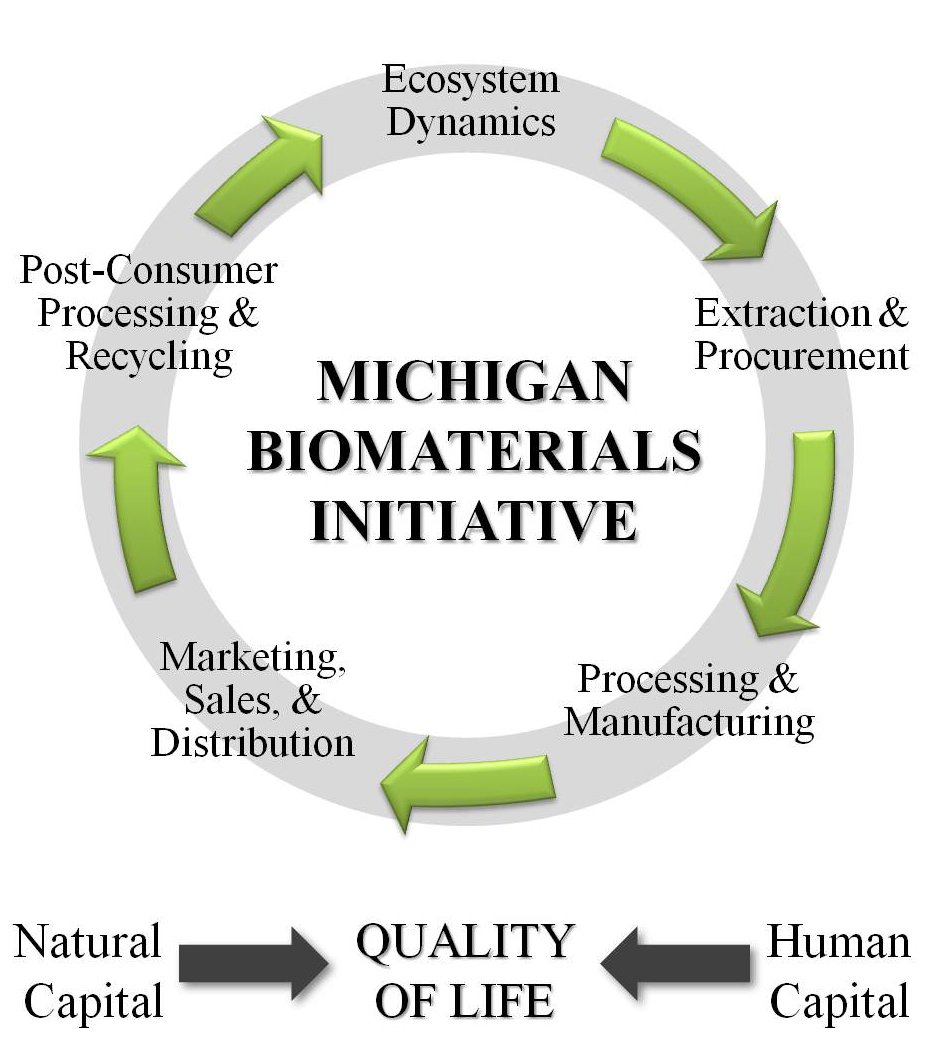
1. Feedstock Production
\n
Renewable biomass—corn, sugarcane, wood chips, agricultural residues, or even municipal organic waste—is cultivated or collected. Plants capture atmospheric CO₂ through photosynthesis, storing carbon in cellulose, starch, or lignin.
\n
2. Conversion to Polymers
\n
Through fermentation, chemical catalysis, or enzymatic processes, the carbon‑rich feedstock is transformed into monomers (e.g., lactic acid) that are polymerised into biopolymers such as PLA or PHA. Advances in metabolic engineering have increased yields and reduced energy demand.
\n
3. Manufacturing
\n
Biopolymers can be melt‑extruded, injection‑moulded, or cast into films, fibers, or composites, mirroring traditional plastic manufacturing lines. Additives may be incorporated to enhance barrier properties or mechanical strength.
\n
4. Use Phase
\n
Products range from packaging and disposable cutlery to medical sutures, drug‑delivery carriers, and building insulation. Performance is increasingly comparable to petroleum‑based plastics, with some biomaterials offering superior tensile strength or heat resistance.
\n
5. End‑of‑Life Management
\n
Depending on polymer chemistry, items can be composted in industrial facilities, biodegraded in soil or marine settings, or recycled mechanically or chemically. The carbon originally fixed by the plant may be released back to the atmosphere or incorporated into soil organic matter, completing a short‑term carbon cycle.
\n
What Does the Evidence Show?
\n
Lifecycle assessment (LCA) studies compiled by the European Commission’s Joint Research Centre (2021) indicate that PLA produced from corn starch can emit 20–30 % less CO₂ equivalent than conventional polyethylene when land‑use change is excluded. A systematic review of 45 peer‑reviewed LCA papers (Science of the Total Environment, 2022) found that biopolymers derived from waste streams—such as PHA from food‑waste bacteria—often achieve emissions reductions exceeding 50 % compared with virgin plastics.
\n
Field trials of biodegradable mulch films in Europe and Asia have demonstrated a 70–90 % reduction in post‑harvest plastic residue in soils (FAO, 2020). In medical applications, randomized clinical studies show that PLA sutures cause comparable wound‑healing outcomes to polypropylene while eliminating long‑term foreign‑body presence (Journal of Surgical Research, 2019).
\n
Market analyses from Grand View Research (2023) project the global biomaterials market to grow from USD 12 billion in 2022 to over USD 30 billion by 2030, reflecting both investment and consumer uptake. However, the same reports note that supply‑chain bottlenecks and inconsistent composting capacity limit realized environmental benefits.
\n
Main Causes or Drivers
\n
Direct Climate Drivers
\n
The Intergovernmental Panel on Climate Change (IPCC, 2022) identifies the plastics sector as responsible for roughly 3 % of global CO₂ emissions, primarily from fossil‑based feedstock extraction and polymerisation. Reducing these emissions aligns with the IPCC’s 1.5 °C pathway, encouraging low‑carbon material alternatives.
\n
Regulatory and Policy Drivers
\n
European Union directives on single‑use plastics (EU 2019/904) set reduction targets and encourage biodegradable alternatives. Similar bans in Canada, India, and several U.S. states create market pull for biomaterials.
\n
Consumer Demand and Brand Commitments
\n
Surveys by Nielsen (2022) show that 73 % of global consumers consider sustainable packaging a purchase factor, prompting companies to adopt biobased packaging to maintain market share.
\n
Technological Innovation
\n
Advances in synthetic biology, such as engineered yeast that produce PHA at industrial scale, lower production costs and expand feedstock options beyond food crops, reducing competition with food security.
\n
Environmental and Human Impacts
\n
Environmental Impacts
\n
When sourced responsibly, biomaterials can reduce fossil fuel extraction, lower greenhouse‑gas emissions, and decrease persistent plastic litter. Biodegradable polymers can mitigate marine microplastic accumulation if they reach appropriate degradation conditions, though laboratory studies show that marine degradation rates are often slower than in compost.
\n
Human Health and Social Impacts
\n
Replacing petroleum‑based plastics with biomaterials reduces exposure to additives such as phthalates and bisphenol A, which have been linked to endocrine disruption. In agricultural settings, biodegradable mulch reduces labor and disposal costs for smallholder farmers, improving livelihoods.
\n
Economic and Infrastructure Impacts
\n
New bioplastic production facilities generate jobs in rural areas and stimulate demand for agricultural residues. However, rapid expansion can create competition for land, potentially affecting food prices if crops are diverted for material production.
\n
Regional Differences
\n
Europe leads in regulatory frameworks and composting infrastructure, allowing higher capture of the environmental benefits of biodegradable biomaterials. In contrast, many low‑ and middle‑income countries lack organised industrial composting, so biodegradable products may behave similarly to conventional plastics, limiting impact.
\n
In North America, a 2021 USDA study showed that corn‑based PLA accounts for 60 % of U.S. bioplastic production, whereas in Southeast Asia, waste‑derived PHA from palm oil mill effluent is gaining traction due to abundant feedstock.
\n
What Scientists Know With High Confidence
\n
- \n
- Biomaterials derived from recent biological carbon have lower lifecycle CO₂ emissions than fossil‑based plastics when land‑use change is managed.
- Biodegradability is a function of polymer chemistry and disposal environment; not all biomaterials break down under natural conditions.
- Policy incentives and consumer demand are strong drivers of market growth.
- Industrial composting facilities are essential for realizing the end‑of‑life benefits of many biodegradable biopolymers.
\n
\n
\n
\n
\n
\n
What Remains Uncertain
\n
Key uncertainties include the net land‑use impact of scaling crop‑based feedstocks, the real‑world degradation rates of biopolymers in marine and terrestrial environments, and the scalability of waste‑derived microbial production pathways. Data gaps in global composting capacity and standards also limit accurate accounting of emissions savings.
\n
\n
Common Misconceptions
\n
Misconception: All biomaterials are fully biodegradable in any environment.
\n
Reality: Only specific polymers, such as PLA under industrial composting conditions, degrade rapidly; others require high temperatures or moisture, and some biobased plastics are designed for recycling rather than composting.
\n
Misconception: Switching to biomaterials automatically solves plastic‑pollution.
\n
Reality: Without proper waste‑management infrastructure, biodegradable items can persist like conventional plastics, and increased production may shift environmental pressure to land use.
\n
Misconception: Biomaterials are always carbon‑neutral.
\n
Reality: Carbon neutrality depends on feedstock sourcing, agricultural practices, and processing energy; poorly managed supply chains can emit comparable or higher GHGs.
\n
\n
Solutions and Limitations
\n
Effective strategies combine material innovation with systemic changes:
\n
- \n
- Policy measures: Extended producer responsibility (EPR) schemes incentivise design for recyclability or compostability and fund collection infrastructure.
- Industrial scaling: Investing in bio‑refineries that use waste streams reduces competition with food crops but requires reliable feedstock logistics.
- Standardisation: Harmonised labeling (e.g., “compostable in industrial facilities”) helps consumers dispose of products correctly.
- Research focus: Developing polymers that degrade under ambient conditions without releasing harmful by‑products addresses the current limitation of industrial‑only composting.
\n
\n
\n
\n
\n
Limitations include higher upfront costs, limited availability of large‑scale composting, and potential land‑use trade‑offs. A balanced approach that integrates biomaterials with recycling and reduction of overall material use is essential.
\n
What Individuals, Communities, and Governments Can Do
\n
What Individuals Can Do
\n
Choose products certified as industrially compostable or made from waste‑derived biopolymers, support brands with transparent life‑cycle reporting, and separate compostable waste when facilities exist.
\n
What Communities and Organizations Can Do
\n
Develop local composting hubs, provide clear signage for biodegradable waste, and partner with businesses to pilot circular‑economy projects that use agricultural residues as feedstock.
\n
What Governments Can Do
\n
Implement EPR legislation, fund research into low‑impact feedstocks, invest in nationwide industrial composting networks, and set minimum recycled‑content standards for packaging.
\n
What Businesses and Industries Can Do
\n
Integrate life‑cycle assessment into product development, source feedstocks sustainably, and redesign packaging to minimise material thickness while maintaining functionality.
\n
Closing Synthesis
\n
The resurgence of biomaterials reflects a climate‑driven shift toward materials that keep carbon within short‑term biological cycles and reduce persistent plastic waste. Strong evidence confirms lower greenhouse‑gas emissions for many biopolymers, yet uncertainties around land use, degradation pathways, and infrastructure persist. By aligning policy, industry innovation, and informed consumer choices, biomaterials can move from a niche comeback to a mainstream component of a low‑carbon, circular economy.
Frequently Asked Questions
What are biomaterials and how are they different from conventional plastics?
Biomaterials are materials produced from renewable biological sources such as plants, microbes, or waste, whereas conventional plastics are made from fossil‑derived polymers that persist for centuries.
How do biomaterials help reduce greenhouse‑gas emissions?
Because they use carbon recently captured by living organisms, the production of many biomaterials releases less CO₂ than fossil‑based polymerisation, and life‑cycle assessments show emissions reductions of 20‑50 % when waste‑derived feedstocks are used.
Are all biomaterials biodegradable?
No. Only certain biopolymers, like polylactic acid under industrial composting conditions, biodegrade quickly; others are designed for recycling or have limited degradation in natural environments.
What are the main challenges to scaling biomaterials?
Key challenges include securing sustainable feedstocks without competing with food, building sufficient industrial composting or recycling infrastructure, and lowering production costs to compete with cheap fossil‑based plastics.
What actions can consumers take to support the biomaterials transition?
Consumers can choose products labelled as industrially compostable or made from waste‑derived biopolymers, separate biodegradable waste where facilities exist, and favor brands that disclose life‑cycle impacts.








Leave a Comment