
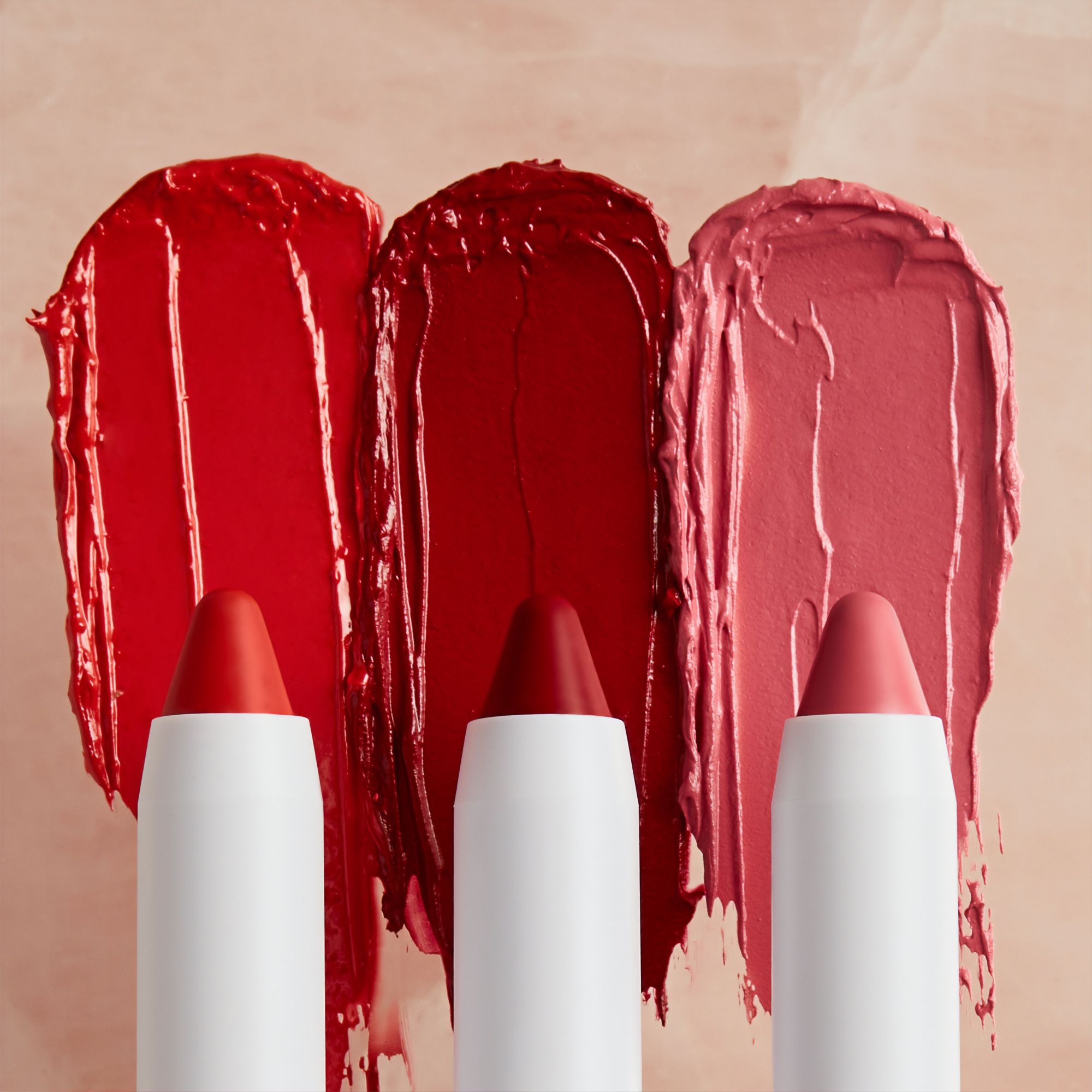
Best sustainable beauty brands with low environmental impact combine eco‑friendly ingredients, minimal packaging and transparent practices to reduce the cosmetics industry’s footprint while delivering effective products.
Quick Answer
Brands that prioritize organic or responsibly sourced ingredients, use recyclable or refillable packaging, and avoid harmful chemicals are considered low‑impact sustainable beauty companies. Their environmental benefit stems from reduced resource extraction, lower greenhouse‑gas emissions during production, and minimized waste at the consumer end. While evidence shows these practices can cut carbon and plastic footprints, the overall impact also depends on consumer usage patterns and supply‑chain scale, introducing some uncertainty.
Key Takeaways
- Low‑impact beauty relies on natural ingredients, waste‑reduction packaging, and cruelty‑free policies.
- Life‑cycle assessments show refillable and solid‑form products can cut carbon emissions by 20‑50 % compared with conventional liquids.
- Brands such as RMS Beauty, Elate Cosmetics, Tata Harper, Ethique, and Herbivore Botanicals exemplify different sustainable strategies.
- Systemic change—regulatory standards, transparent labeling, and circular‑economy incentives—is needed to scale benefits.
- Consumers can amplify impact by choosing refillable formats, supporting brands with verified certifications, and using products responsibly.
What Is Best Sustainable Beauty Brands With Low Environmental Impact?
The term refers to cosmetics and personal‑care companies that deliberately design products to minimise ecological harm throughout their life cycle. This includes sourcing raw materials from regenerative agriculture or certified organic farms, formulating without hazardous substances, and packaging in recyclable, biodegradable or refillable containers. The scope typically covers makeup, skin‑care, hair‑care and fragrance products sold to individual consumers. It differs from “green‑washed” marketing because the claim is backed by measurable practices such as third‑party certifications (e.g., USDA‑Organic, Leaping Bunny) and transparent supply‑chain reporting.
How Does It Work?
Ingredient Sourcing
Brands select raw materials that are either cultivated without synthetic pesticides, harvested from wild‑stock under sustainable quotas, or derived from by‑products of other industries. Organic farming reduces nitrogen runoff, a major driver of water eutrophication, while regenerative practices can sequester carbon in soils (FAO, 2020).
Formulation Chemistry
Low‑impact formulas avoid petro‑derived polymers, micro‑plastics, and endocrine‑disrupting compounds such as parabens or phthalates. Instead, they use plant‑based emulsifiers, biodegradable surfactants, and natural preservatives. Laboratory studies show that many botanical preservatives provide comparable microbial protection without persistent environmental residues.
Packaging and Distribution
- Refillable or reusable containers (e.g., Elate’s aluminum or glass refill stations) cut the need for new plastic per purchase.
- Solid formats like Ethique’s shampoo bars eliminate liquid packaging entirely, reducing transport weight and associated emissions.
- Recyclable or compostable packaging (e.g., RMS Beauty’s glass jars, Herbivore’s post‑consumer recycled paper) ensures end‑of‑life material recovery.
- Regional manufacturing or “farm‑to‑face” models (e.g., Tata Harper’s Vermont‑based production) shorten supply chains, lowering fuel consumption.
What Does the Evidence Show?
Life‑cycle assessments (LCAs) published in the Journal of Industrial Ecology indicate that solid‑form cosmetics can reduce greenhouse‑gas emissions by up to 45 % compared with conventional liquid products, largely because of lower packaging mass and reduced transport energy. A 2021 UNEP review of cosmetics waste found that refillable systems divert an estimated 2‑3 % of plastic waste in the United States, a modest but growing share. Studies on ingredient toxicity consistently show that organic and naturally derived actives have lower aquatic toxicity than many synthetic alternatives, though the evidence varies by compound and concentration.
Main Causes or Drivers
Direct Causes
- Extraction of petro‑chemical feedstocks for synthetic ingredients.
- Single‑use plastic packaging that often ends in landfills or oceans.
- Use of hazardous preservatives that persist in waterways.
Underlying Drivers
- Consumer demand for convenience and novelty, encouraging frequent product turnover.
- Lack of mandatory labeling for ingredient origin or packaging recyclability.
- Supply‑chain opacity that makes it difficult to verify sustainable sourcing.
Environmental and Human Impacts
Environmental Impacts
Production of conventional cosmetics contributes roughly 0.05 % of global CO₂ emissions, according to a 2020 industry analysis. Plastic micro‑beads, once common in exfoliants, have been identified in marine sediments worldwide, affecting filter‑feeding organisms. Water‑intensive crops such as palm oil, when sourced unsustainably, drive deforestation and biodiversity loss.
Human Health and Social Impacts
Exposure to certain synthetic fragrances and preservatives has been linked to skin sensitisation and endocrine disruption in epidemiological studies. Sustainable brands that avoid these chemicals can reduce consumer exposure, especially for vulnerable groups like children and pregnant people. Moreover, fair‑trade sourcing supports livelihoods in farming communities, providing economic benefits beyond environmental gains.
Regional Differences
In Europe, stricter regulations such as the EU Cosmetics Regulation mandate safety assessments and limit certain hazardous substances, leading to higher baseline sustainability. North America shows faster growth in refillable packaging, driven by consumer activism and retailer programs. In emerging markets, limited waste‑management infrastructure can magnify the impact of single‑use plastics, making solid‑form products especially valuable.
What Scientists Know With High Confidence
- Petro‑chemical based ingredients and single‑use plastic packaging are major contributors to the cosmetics sector’s carbon and waste footprints.
- Organic farming practices can reduce pesticide runoff and increase soil carbon storage.
- Refillable and solid‑form product designs demonstrably lower life‑cycle emissions and plastic waste.
What Remains Uncertain
Key uncertainties include the long‑term durability of biodegradable packaging in diverse climates, the scalability of regenerative ingredient sourcing, and the net carbon benefit of transportation shifts when products are produced regionally but shipped globally. More comprehensive, industry‑wide LCAs are needed to quantify trade‑offs between ingredient efficacy and environmental impact.
Common Misconceptions
Misconception: “All ‘natural’ cosmetics are automatically sustainable.”
Reality: Natural ingredients can still be sourced from monocultures, involve high water use, or be transported long distances, which may offset environmental benefits.
Misconception: “Refillable packaging eliminates waste entirely.”
Reality: Refills reduce the amount of new material but still generate some waste; the overall impact depends on consumer participation and proper recycling of the original container.
Misconception: “Organic certification guarantees low carbon emissions.”
Reality: While organic farming avoids synthetic fertilizers, it may have lower yields, requiring more land or transport, which can increase emissions if not managed responsibly.
Solutions and Limitations
Effective strategies combine product innovation, policy, and consumer behavior. Refillable systems cut packaging waste but require infrastructure for collection and cleaning, which can be energy‑intensive. Solid‑form products eliminate packaging but may have limited ingredient stability, restricting formulation options. Certification schemes improve transparency but can be costly for small producers, potentially limiting market entry. Government standards for packaging recyclability can drive industry change, yet enforcement varies across jurisdictions.
What Individuals, Communities, and Governments Can Do
What Individuals Can Do
- Choose products with verified refillable or biodegradable packaging.
- Prioritise brands that disclose ingredient origins and avoid known hazardous chemicals.
- Participate in take‑back programs or recycle packaging according to local guidelines.
What Communities and Organizations Can Do
- Support local retailers that stock sustainable beauty lines, reducing transport emissions.
- Organise bulk‑buying clubs for refillable products to lower per‑unit packaging.
- Educate members about reading ingredient lists and recognizing credible certifications.
What Governments Can Do
- Implement mandatory reporting of carbon footprints and plastic content for cosmetics.
- Provide incentives for companies that adopt refillable systems or use post‑consumer recycled materials.
- Standardise labeling for “plastic‑free,” “vegan,” and “organic” claims to curb green‑washing.
What Businesses and Industries Can Do
- Invest in closed‑loop packaging technologies and regional manufacturing hubs.
- Conduct comprehensive LCAs and publish results publicly.
- Collaborate across the supply chain to source regenerative raw materials at scale.
Synthesis
Sustainable beauty brands lower environmental impact by integrating eco‑friendly ingredients, waste‑reducing packaging, and transparent supply chains. Robust scientific evidence confirms that these measures cut greenhouse‑gas emissions, plastic waste, and chemical exposure, though uncertainties remain around scalability and lifecycle trade‑offs. Systemic actions—policy reforms, industry standards, and consumer participation—are essential to amplify the benefits and move the cosmetics sector toward a truly low‑impact future.
Frequently Asked Questions
What defines a sustainable beauty brand?
A sustainable beauty brand designs its products to minimise ecological harm across the entire life cycle, using organic or responsibly sourced ingredients, avoiding hazardous chemicals, and employing recyclable, biodegradable or refillable packaging.
How do refillable packaging and solid‑form products reduce environmental impact?
Refillable containers cut the need for new plastic with each purchase, while solid‑form products such as shampoo bars eliminate liquid packaging altogether, both lowering material use, transport weight and associated carbon emissions.
Which brands are leading examples of low‑impact cosmetics?
Leading brands include RMS Beauty (organic ingredients, glass jars), Elate Cosmetics (refillable aluminum and cardboard), Tata Harper (farm‑to‑face sourcing), Ethique (plastic‑free shampoo bars), Beauty Counter (chemical transparency) and Herbivore Botanicals (minimal packaging and sustainable sourcing).
What are the biggest uncertainties in measuring the sustainability of beauty products?
Uncertainties involve how biodegradable packaging performs in different climates, the scalability of regenerative ingredient sourcing, and the net carbon benefit of regional production versus global distribution, all of which need more comprehensive life‑cycle data.
What actions can consumers take to support low‑impact beauty?
Consumers can prioritize products with verified refillable or biodegradable packaging, choose brands that disclose ingredient origins and avoid known hazardous chemicals, and use take‑back or recycling programs to ensure proper end‑of‑life handling.






Leave a Comment