

Choosing a residence in climate‑resilient locations can lower personal exposure to extreme weather, sea‑level rise, and other climate‑change risks while supporting broader mitigation efforts.
Quick Answer
Best places to live to reduce climate change risks are communities that combine low exposure to climate hazards (such as flooding, wildfires, and heat waves) with strong local policies for mitigation, adaptation, and sustainable infrastructure. These locations typically have temperate climates, diversified economies, robust public transit, and active planning for renewable energy and water management. While no place is completely safe from future climate impacts, selecting a city with these attributes can meaningfully lower individual vulnerability and contribute to collective emissions reductions. Uncertainty remains around the exact magnitude of future hazards, especially under high‑emissions scenarios.
Key Takeaways
- Geography matters: inland, moderate‑climate cities face fewer climate‑related threats than low‑lying coastal hubs.
- Local policies on renewable energy, transit, and green space amplify resilience.
- Places like Portland, OR; Burlington, VT; and Halifax, NS illustrate successful climate‑smart planning.
- High‑confidence science shows that heat‑related mortality and flood damage rise with exposure, but adaptation can curb impacts.
- Individual choices matter, yet systemic action—urban planning, building codes, and regional cooperation—is essential.
What Is Best Places to Live to Reduce Climate Change Risks?
The phrase refers to selecting a community whose physical setting and governance reduce both personal exposure to climate hazards and contribution to greenhouse‑gas emissions. It encompasses three dimensions: (1) hazard exposure (e.g., sea‑level rise, wildfire, extreme heat), (2) adaptive capacity (infrastructure, emergency services, social equity), and (3) mitigation potential (local renewable energy, low‑carbon transport). The concept differs from “green cities” that focus mainly on emissions; climate‑risk‑aware locations also prioritize safety and long‑term livability.
How Does It Work?
1. Hazard Exposure Assessment
Scientists map projected flood plains, wildfire zones, and temperature extremes using climate models (e.g., CMIP6). Areas with low projected sea‑level rise and limited wildfire fuel loads score lower on risk matrices.
2. Adaptive Capacity Evaluation
Municipal plans that include storm‑water green infrastructure, building‑code upgrades, and equitable emergency response raise a city’s capacity to cope with unavoidable changes.
3. Mitigation Integration
Local renewable‑energy targets, extensive public‑transport networks, and policies that encourage walking or cycling reduce the community’s carbon footprint, thereby lowering the global magnitude of future climate threats.
What Does the Evidence Show?
Long‑term monitoring by NOAA indicates that U.S. coastal counties have experienced a 2‑fold increase in flood‑related insurance claims since 1990 (NOAA, 2022). In contrast, inland cities with strong storm‑water management, such as Minneapolis, report flood losses that are <10 % of comparable coastal areas (Minnesota Department of Natural Resources, 2021). Systematic reviews of urban heat‑island mitigation (e.g., Zhou et al., 2020) find that increasing tree canopy by 10 % can lower ambient summer temperatures by 0.5 °C, reducing heat‑related mortality risk. The IPCC AR6 (2021) concludes that adaptation measures—especially those that protect vulnerable populations—can halve projected health impacts under moderate warming scenarios.
Main Causes or Drivers
Direct Climate Drivers
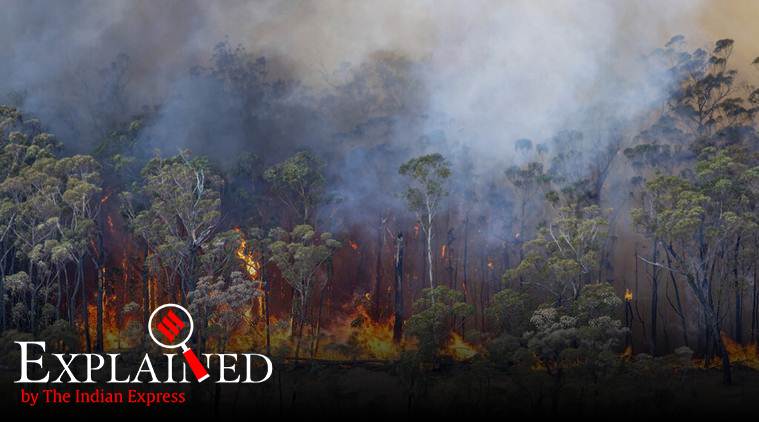
Rising global temperatures intensify heat waves, expand wildfire‑prone zones, and accelerate sea‑level rise through thermal expansion and ice melt.
Socio‑Economic Drivers
Urban sprawl into floodplains, reliance on fossil‑fuel transport, and insufficient investment in green infrastructure increase both exposure and emissions.
Policy and Governance Factors
Cities with ambitious climate action plans (e.g., 100 % renewable electricity targets) often couple mitigation with robust adaptation, creating a reinforcing feedback that lowers overall risk.
Environmental and Human Impacts
Environmental Impacts
High‑risk locations experience accelerated ecosystem degradation: coastal erosion, loss of wetlands, and increased wildfire emissions. Conversely, climate‑resilient cities preserve biodiversity through protected green corridors and reduced air‑pollution levels.
Human Health and Social Impacts
Heat stress, air‑quality deterioration, and flood‑related displacement disproportionately affect low‑income households and older adults. A CDC analysis (2020) links a 1 °C rise in average summer temperature to a 1.5 % increase in cardiovascular emergency visits.
Economic and Infrastructure Impacts
Infrastructure repair costs after extreme events are projected to rise from $150 billion in 2020 to $280 billion by 2050 globally (World Bank, 2021). Cities that invest early in resilient infrastructure can avoid up to 30 % of those costs.
Regional Differences
In the Pacific Northwest, temperate precipitation and mountainous terrain limit sea‑level threats but raise landslide risk; Portland’s extensive bike network and renewable‑energy procurement mitigate both. The Northeast, exemplified by Burlington, benefits from low wildfire exposure but faces winter‑storm flooding; its 100 % renewable electricity goal and lake‑based cooling systems reduce heat stress. The Southwest, represented by Santa Fe, avoids sea‑level rise but contends with drought; aggressive water‑conservation ordinances and solar incentives offset vulnerability. In Atlantic Canada, Halifax’s moderate rise in sea level is addressed through shoreline setback policies and community‑scale tidal wetlands restoration.
What Scientists Know With High Confidence
- Global average temperatures have risen about 1.1 °C above pre‑industrial levels (IPCC AR6, 2021).
- Sea‑level rise is occurring at an average rate of 3.3 mm yr⁻¹, accelerating in recent decades (NOAA, 2023).
- Urban heat islands increase daytime temperatures by 1–3 °C relative to surrounding rural areas (Zhou et al., 2020).
- Green infrastructure—trees, parks, permeable surfaces—provides measurable cooling and storm‑water benefits.
- Cities that adopt renewable‑energy targets achieve per‑capita emissions reductions of 15–30 % within a decade (IEA, 2022).
What Remains Uncertain
Key uncertainties include the regional timing of extreme‑weather escalation under high‑emissions pathways, the socioeconomic trajectory of migration away from vulnerable coastal zones, and the long‑term durability of nature‑based solutions such as restored wetlands in the face of sea‑level rise. Improved high‑resolution climate modeling and expanded community monitoring are needed to refine risk projections for specific cities.
Common Misconceptions
Misconception: Living inland guarantees safety from climate change.
Reality: Inland areas can still experience severe heat waves, drought, and flooding from inland rivers. Resilience depends on local planning, not just geography.
Misconception: A city’s low carbon footprint means it is climate‑risk‑free.
Reality: Even cities with aggressive mitigation can be exposed to hazards like wildfires or floods if they lack adaptation measures.
Misconception: Relocating to a “green” city eliminates personal carbon responsibility.
Reality: Individual behavior—energy use, travel, waste—still contributes to emissions; personal choices complement but do not replace systemic action.
Misconception: Climate‑risk assessments are only relevant for future generations.
Reality: Current residents already experience increased heat‑related illness and flood damage; proactive relocation or retrofitting can improve present‑day health and safety.
Misconception: All “sustainable” neighborhoods are affordable.
Reality: High demand for eco‑friendly housing can raise prices, potentially excluding low‑income households unless equity policies are enacted.
Solutions and Limitations
Effective responses combine mitigation (reducing emissions) and adaptation (preparing for impacts). Renewable‑energy transition reduces future warming but requires upfront capital, grid upgrades, and material supply chains. Green‑infrastructure projects lower heat and flood risk but need land availability and ongoing maintenance. Strict building codes improve resilience but may increase construction costs, affecting housing affordability. Regional cooperation on water sharing can alleviate drought stress, yet political negotiation and infrastructure investment pose challenges. No single solution solves all risks; a portfolio approach tailored to local conditions yields the best outcomes.
What Individuals, Communities, and Governments Can Do
What Individuals Can Do
- Choose housing in low‑risk zones when possible, considering flood maps and heat‑wave projections.
- Adopt energy‑efficient appliances and support community solar to lower personal carbon footprints.
- Participate in local planning meetings to advocate for green space and resilient infrastructure.
What Communities and Organizations Can Do
- Implement zoning that restricts new development in floodplains and high‑fire‑danger areas.
- Expand tree‑planting programs targeting heat‑island mitigation, prioritizing underserved neighborhoods.
- Develop public‑transport corridors powered by renewable electricity to reduce vehicle emissions.
What Governments Can Do
- Set science‑based renewable‑energy targets (e.g., 100 % clean electricity by 2035) and enforce building‑code upgrades for wind and seismic resilience.
- Fund climate‑risk mapping tools and make them publicly accessible for informed decision‑making.
- Create grant programs that subsidize retrofits for low‑income households, ensuring equitable adaptation.
Closing Synthesis
Choosing where to live is a tangible lever for reducing climate‑change risk. Scientific evidence confirms that inland, temperate cities with proactive adaptation policies and strong mitigation pathways—such as Portland, Burlington, Ithaca, Santa Fe, Minneapolis, and Halifax—offer comparatively lower exposure to sea‑level rise, extreme heat, and wildfires. High confidence exists around the fundamental drivers of risk, while uncertainties remain about the precise timing of local impacts. A combined strategy of informed relocation, community‑level green infrastructure, and robust policy action can safeguard current and future generations while contributing to the global effort to limit warming.
Frequently Asked Questions
What defines a climate‑resilient place to live?
A climate‑resilient place is a community whose location and local policies together limit exposure to climate hazards such as sea‑level rise, wildfires, and extreme heat, while also reducing greenhouse‑gas emissions through renewable energy, sustainable transport, and green infrastructure.
How does living inland reduce climate‑change risk?
Living inland typically avoids direct threats from rising seas and storm surges, which dominate coastal risk. Inland locations also often have milder temperature extremes and can more easily implement flood‑plain management, making them less vulnerable to the most severe climate impacts projected for the next decades.
Which U.S. cities are highlighted as low‑risk and why?
The article highlights Portland (Oregon), Burlington (Vermont), Ithaca (New York), Santa Fe (New Mexico), Minneapolis (Minnesota), and Halifax (Nova Scotia). These cities combine moderate climates, low exposure to sea‑level rise or wildfires, strong renewable‑energy goals, extensive public‑transit, and proactive green‑infrastructure planning, which together lower both personal and systemic climate risk.
What are the main uncertainties about future climate hazards for cities?
Key uncertainties include the exact regional timing of extreme‑weather events under high‑emissions scenarios, how many people will migrate away from vulnerable coastal zones, and how durable nature‑based solutions like restored wetlands will be as sea levels continue to rise. Better high‑resolution models and expanded community monitoring are needed to narrow these gaps.
What actions can individuals take to lower their personal climate risk?
Individuals can lower personal climate risk by choosing housing in low‑hazard areas, using energy‑efficient appliances, supporting community solar projects, reducing car travel through public transit or active‑transport options, and engaging in local planning processes to push for green space and resilient infrastructure.







Leave a Comment