
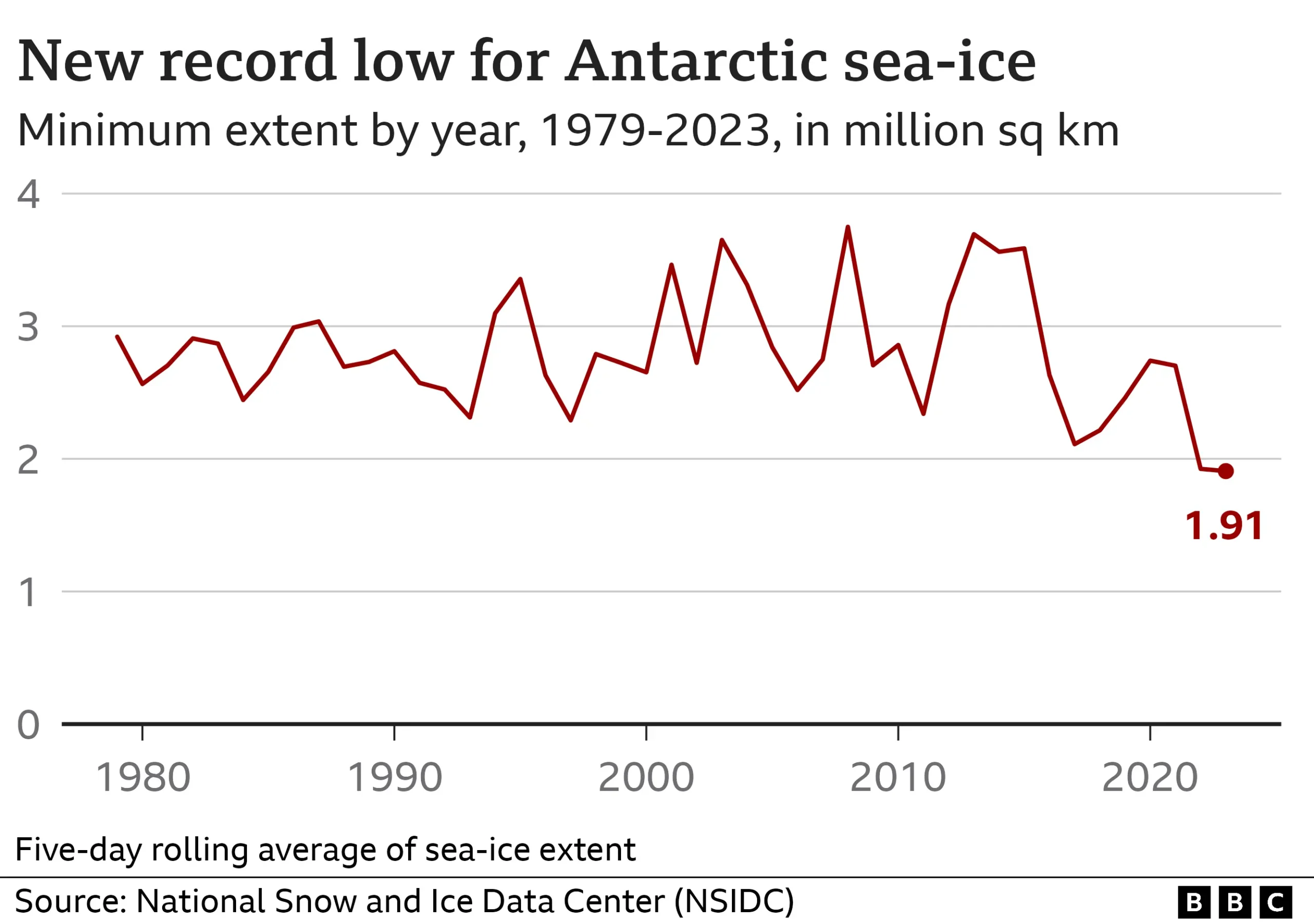
Rising temperatures are melting Antarctic ice, creating moist niches where mosses, lichens and simple algae can establish, signalling a measurable but fragile shift in the continent’s ecosystem.
Quick Answer
Antarctica’s floral awakening refers to the recent colonisation of ice‑free areas by mosses, lichens and microscopic algae as warming trends increase meltwater and expose rock surfaces. The process is driven primarily by anthropogenic greenhouse‑gas emissions that raise air and sea‑surface temperatures, especially on the Antarctic Peninsula. Evidence from long‑term monitoring shows expanding plant cover and new wetland formation, while the broader implication is a potential feedback on albedo and local biodiversity. Uncertainty remains about the long‑term stability of these communities and how they will interact with other climate‑driven changes.
Key Takeaways
- Temperatures on the Antarctic Peninsula have risen by about 2 °C since the 1950s, accelerating ice melt.
- Mosses, lichens and micro‑algae now occupy newly exposed rock and meltwater pools, expanding plant cover by roughly 0.5 % per decade.
- Vegetation reduces surface albedo, which can locally increase melt rates—a potential climate feedback.
- High‑confidence findings include warming trends and documented plant expansion; key uncertainties involve ecosystem resilience and long‑term carbon dynamics.
- Effective responses combine emissions reductions, strict biosecurity, and targeted Antarctic research funding.
What Is Antarctica’s Floral Awakening: Climate Change Transforms a Frozen Land?
The term “floral awakening” describes the observable increase of terrestrial vegetation—primarily non‑vascular plants such as mosses, lichens, and microscopic algae—in regions of Antarctica that were previously ice‑covered year‑round. This phenomenon is limited to ice‑free coastal zones, the Antarctic Peninsula, and isolated volcanic oases where meltwater can accumulate. It differs from seasonal algal blooms in surrounding marine waters because it involves the establishment of permanent, photosynthetic ground‑level communities on land. Understanding this shift matters because it signals broader ecological responses to climate warming and may influence the continent’s role in global climate regulation.
How Does It Work?
Temperature Rise and Ice Melt
Anthropogenic greenhouse gases trap infrared radiation, raising atmospheric temperatures. The Intergovernmental Panel on Climate Change (IPCC) reports that the Antarctic Peninsula has warmed at a rate of roughly 0.5 °C per decade over the past 60 years. Warmer air accelerates surface melt and increases the frequency of summer melt events, exposing rock and soil that were previously protected by perennial ice.
Moisture Availability and Soil Development
Melting snow and ice generate meltwater that infiltrates cracks in bedrock, creating transient wetland micro‑habitats. Over time, physical weathering and the deposition of organic material from pioneer species develop thin, nutrient‑poor soils capable of supporting simple plants. Studies by the Scientific Committee on Antarctic Research (SCAR) show that these nascent soils often contain measurable levels of nitrogen, phosphorus and dissolved organic carbon.
Colonisation by Pioneer Species
Mosses and lichens are well‑adapted to extreme desiccation, high UV radiation and low nutrient availability. Their spores or fragments are dispersed by wind, birds and human activity. Once established, they retain moisture, trap dust, and contribute organic matter, facilitating the gradual colonisation of additional species such as the Antarctic hair grass (Deschampsia antarctica) and pearlwort (Colobanthus quitensis) in the most temperate coastal sites.
Feedbacks to the Climate System
Vegetated surfaces absorb more solar radiation than bright ice, lowering the local albedo. Modeling studies suggest that even modest increases in vegetation could enhance melt rates in the immediate vicinity, creating a positive feedback loop. However, the overall contribution of land‑based vegetation to Antarctica’s albedo budget remains small compared with the vast ice sheet.
What Does the Evidence Show?
Long‑term ecological monitoring on the Antarctic Peninsula documents a steady increase in moss and lichen cover since the 1970s, with satellite‑derived vegetation indices confirming a net rise of about 0.5 % per decade (SCAR, 2022). Field surveys have recorded new wetland patches forming in previously dry valleys, and laboratory analyses of ice cores reveal rising concentrations of pollen and plant DNA, indicating expanding terrestrial productivity. Remote‑sensing studies using the Normalised Difference Vegetation Index (NDVI) corroborate these trends, while experimental warming plots demonstrate that a 2 °C temperature increase can double moss growth rates within a single growing season.
Main Causes or Drivers
Anthropogenic Greenhouse‑Gas Emissions
Global carbon dioxide concentrations have risen from 280 ppm in pre‑industrial times to over 420 ppm in 2023 (NOAA). The resulting radiative forcing is the primary driver of the observed temperature rise across the Southern Ocean and Antarctic Peninsula.
Regional Atmospheric Circulation Changes
Changes in the Southern Annular Mode (SAM) have altered wind patterns, bringing warmer maritime air onto the continent during summer months. This circulation shift amplifies surface warming and contributes to the increased frequency of melt events.
Local Disturbances and Human Activity
Scientific stations and tourism can unintentionally transport propagules of non‑native microbes and plant material, potentially accelerating colonisation in disturbed soils. Strict biosecurity protocols aim to limit this pathway.
Environmental and Human Impacts
Environmental Impacts
New vegetation creates habitat for invertebrates and provides nesting material for some seabirds, modestly enhancing local biodiversity. However, the spread of non‑native species could threaten endemic microbial communities that have evolved in isolation for millions of years.
Human Health and Social Impacts
Although Antarctica hosts no permanent civilian population, increased biological activity may affect researchers and tourists through heightened exposure to allergens such as lichen spores. Moreover, changes to the continent’s albedo could indirectly influence global sea‑level rise, with long‑term socioeconomic consequences for coastal communities worldwide.
Regional Differences
The most pronounced floral changes occur on the Antarctic Peninsula, where maritime influence yields milder temperatures and higher precipitation. In contrast, East Antarctica’s interior remains extremely cold, with negligible melt and virtually no new plant establishment. Sub‑Antarctic islands such as South Georgia already support richer flora, providing a reference point for potential future expansion.
What Scientists Know With High Confidence
- Air and sea‑surface temperatures around the Antarctic Peninsula have risen significantly since the mid‑20th century.
- Ice melt has increased the extent of ice‑free ground, creating new habitats for terrestrial microorganisms and simple plants.
- Observations from multiple independent monitoring programs consistently show expanding moss, lichen and micro‑algal cover.
- Human‑driven greenhouse‑gas emissions are the dominant driver of the observed warming trend.
What Remains Uncertain
Key uncertainties include the long‑term stability of newly formed plant communities under future warming scenarios, the magnitude of any albedo‑related feedbacks, and the potential for invasive species to outcompete native microbes. Limited spatial coverage of ground‑based surveys also hampers precise quantification of vegetation extent across the continent. Ongoing satellite monitoring and expanded field campaigns are needed to resolve these gaps.
Common Misconceptions
Misconception: Antarctica is becoming a temperate forest.
Reality: Only a few percent of the continent’s land surface is ice‑free, and the vegetation that appears consists of low‑lying mosses, lichens and two vascular plant species, not trees.
Misconception: Plant growth will halt Antarctic ice melt.
Reality: While vegetation can locally lower albedo, the overall effect on the massive ice sheet is negligible compared with the warming influence of greenhouse gases.
Misconception: All new species are native and harmless.
Reality: Some microbes and plant fragments may be introduced by human activity; these non‑native organisms can disrupt fragile endemic ecosystems.
Solutions and Limitations
Mitigation of global warming through rapid reductions in carbon emissions remains the cornerstone of limiting further floral expansion. In Antarctica, strict bio‑security measures at research stations reduce the risk of unintentionally introducing invasive species. Conservation strategies include designating new marine‑protected areas that encompass emerging coastal wetlands, although enforcement is logistically challenging. Restoration of disturbed sites is limited by the harsh climate and slow growth rates of pioneer species, meaning that any remediation effort will take decades to show measurable results.
What Individuals, Communities, and Governments Can Do
What Individuals Can Do
Support policies that drive decarbonisation, minimise personal carbon footprints, and advocate for strong international agreements such as the Paris Agreement. Reducing air travel to Antarctica and following responsible tourism guidelines also helps limit accidental species introductions.
What Communities and Organizations Can Do
Environmental NGOs can fund Antarctic research, raise awareness about bio‑security, and collaborate with scientific stations to develop best‑practice protocols for waste management and equipment sterilisation.
What Governments Can Do
National Antarctic programs should enforce rigorous cleaning of gear, fund long‑term ecological monitoring, and contribute to the Antarctic Treaty System’s environmental protection measures. Investing in global emissions‑reduction initiatives will also curb the underlying driver of warming.
Closing Synthesis
Antarctica’s floral awakening is a measurable response to a warming climate, driven by rising temperatures, increased meltwater, and the opportunistic colonisation of pioneer species. High‑confidence evidence confirms temperature trends and expanding moss‑lichen cover, while uncertainties remain about ecosystem resilience and climate feedbacks. Addressing the root cause—global greenhouse‑gas emissions—combined with stringent bio‑security and sustained research, offers the most effective pathway to preserve Antarctica’s unique environment while acknowledging the subtle yet important changes already underway.
Frequently Asked Questions
What does “floral awakening” mean in the context of Antarctica?
Floral awakening refers to the recent appearance and expansion of mosses, lichens and microscopic algae on ice‑free areas of Antarctica as warming creates meltwater‑filled habitats.
Which regions of Antarctica are experiencing the most plant growth?
The Antarctic Peninsula shows the greatest increase in vegetation because it receives warmer maritime air and higher precipitation, while interior East Antarctica remains largely ice‑covered with minimal plant activity.
How does new vegetation affect Antarctica’s climate system?
Vegetated surfaces absorb more solar radiation than bright ice, slightly lowering local albedo and potentially enhancing melt in the immediate area, though the overall impact on the continent’s climate budget is small.
What are the main uncertainties scientists have about Antarctic plant expansion?
Key unknowns include how long‑term stable the new plant communities will be, the size of any albedo feedback, and the risk of invasive species disrupting native microbial ecosystems.
What actions can individuals take to help protect Antarctica’s fragile ecosystems?
Individuals can support strong climate policies, reduce personal carbon footprints, limit unnecessary travel to Antarctica, and follow responsible tourism guidelines that prevent accidental introduction of non‑native species.






Leave a Comment