
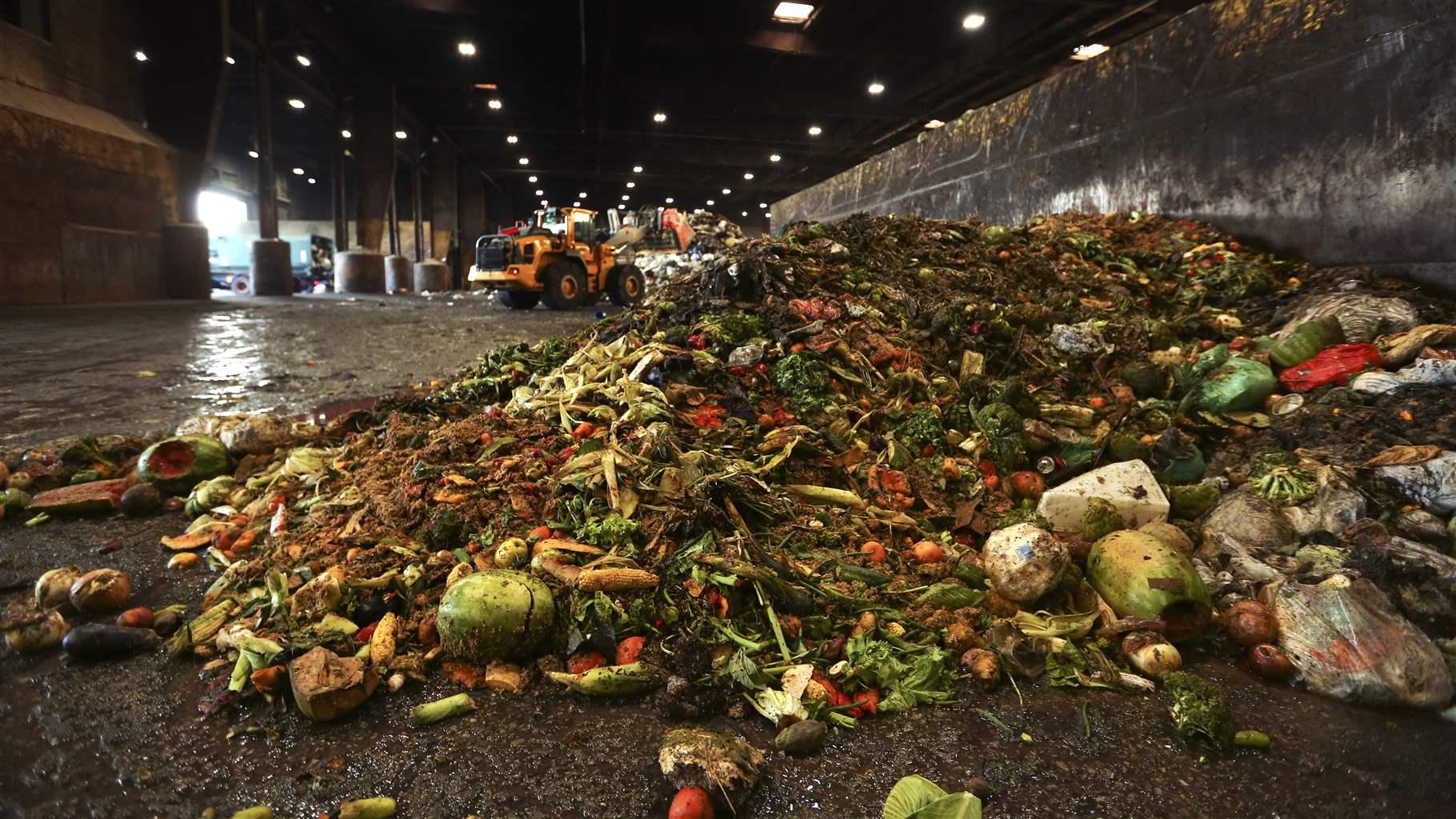
Anaerobic digestion transforms organic waste into renewable biogas and nutrient‑rich digestate, offering a proven pathway to reduce greenhouse‑gas emissions while supplying clean energy and sustainable fertilizer.
Quick Answer
Anaerobic digestion is a biological process that breaks down organic material in the absence of oxygen, producing biogas (mainly methane and carbon dioxide) and a solid‑liquid residue called digestate. Microbial communities convert food waste, agricultural residues, or manure into energy that can power generators, heat buildings, or fuel vehicles, while the digestate can replace synthetic fertilizers. Scientific assessments show that, when managed properly, the technology reduces net carbon emissions compared with landfill disposal. However, performance depends on feedstock composition, temperature control, and adequate investment, so outcomes vary across projects.
Key Takeaways
- Anaerobic digestion converts waste into biogas and a valuable fertilizer substitute.
- Biogas can replace fossil natural gas, cutting lifecycle greenhouse‑gas emissions.
- Digestate returns nutrients to soil, lowering the need for chemical fertilizers.
- Successful operation requires careful temperature, pH, and feedstock management.
- Policy incentives and reliable financing are critical for scaling the technology.
What Is Anaerobic Digestion Explained: Turning Waste Into Clean Energy?
Anaerobic digestion (AD) is a controlled, oxygen‑free decomposition of organic matter by a consortium of bacteria and archaea. The process is typically carried out in sealed reactors called digesters, ranging from small on‑farm units to large municipal facilities. AD differs from simple composting because it captures the released gases for energy use instead of allowing them to escape to the atmosphere. The main products are biogas—a mixture of roughly 55‑70 % methane (CH₄) and 30‑45 % carbon dioxide (CO₂)—and digestate, a nutrient‑dense slurry or solid that can be applied to soils.
How Does It Work?
Four Biological Stages
- Hydrolysis: Complex polymers such as carbohydrates, proteins, and fats are broken down into soluble sugars, amino acids, and fatty acids.
- Acidogenesis: Fermentative bacteria convert these molecules into volatile fatty acids, alcohols, hydrogen, and carbon dioxide.
- Acetogenesis: Acetogenic microbes transform the products of acidogenesis into acetic acid, additional hydrogen, and carbon dioxide.
- Methanogenesis: Methanogenic archaea consume acetic acid, hydrogen, and carbon dioxide to produce methane and more carbon dioxide, completing the biogas suite.
The entire sequence occurs under strict anaerobic conditions, usually at mesophilic (30‑40 °C) or thermophilic (50‑60 °C) temperatures. Maintaining optimal temperature and pH (typically 6.5‑8.0) maximizes microbial activity and gas yield.
Energy and Nutrient Recovery
Biogas can be:
- Burned in combined‑heat‑and‑power (CHP) units to generate electricity and useful heat.
- Upgraded to biomethane (removing CO₂ and trace gases) and injected into natural‑gas pipelines.
- Compressed for use as vehicle fuel in buses, trucks, or farm machinery.
Digestate retains most of the original nitrogen, phosphorus, potassium, and micronutrients, making it a near‑organic fertilizer that improves soil structure and water retention.
What Does the Evidence Show?
Long‑term monitoring by the European Commission (2020) indicates that well‑operated AD plants achieve a net reduction of 0.3–0.7 t CO₂‑e per megawatt‑hour of electricity generated, compared with coal‑fired power. A systematic review of 45 peer‑reviewed studies (International Energy Agency, 2021) found average methane yields of 0.5–0.7 m³ CH₄ per kilogram of volatile solids, with higher yields for food‑waste feedstocks. In Germany, where AD is integrated into the national energy mix, biogas contributed roughly 8 % of renewable electricity in 2022, according to the Federal Ministry for Economic Affairs. These findings are consistent across temperate regions, though yields in colder climates can be lower without heating inputs.
Main Causes or Drivers
Direct Causes
- Accumulation of organic waste from households, agriculture, and industry.
- Policy mechanisms such as renewable energy subsidies, feed‑in tariffs, and landfill‑taxes.
Underlying Drivers
- Need to reduce methane emissions from unmanaged waste, which the Intergovernmental Panel on Climate Change identifies as a high‑impact mitigation opportunity.
- Desire for energy security and diversification of fuel sources.
- Increasing demand for sustainable nutrient management in intensive agriculture.
Environmental and Human Impacts
Environmental Impacts
By diverting organic waste from landfills, AD avoids the release of uncontrolled methane—a greenhouse gas with a 100‑year global warming potential about 28‑times that of CO₂. Captured biogas displaces fossil fuels, reducing air pollutants such as sulfur oxides and particulate matter. Digestate applied to soils can lower the need for synthetic nitrogen fertilizers, decreasing associated nitrous‑oxide emissions and water‑way eutrophication.
Human Health and Social Impacts
Reduced landfill gas improves local air quality, decreasing respiratory irritation for nearby residents. Job creation in plant construction, operation, and feedstock collection provides employment opportunities, especially in rural areas. However, improper odor management or accidental leaks can cause community concerns, underscoring the need for robust monitoring.
Regional Differences
Europe leads in AD deployment, supported by strong renewable‑energy policies and dense livestock sectors that supply consistent manure feedstocks. In contrast, many low‑income tropical countries face challenges such as limited capital, high ambient temperatures that favor pathogen survival, and fragmented waste collection systems. Pilot projects in India and Kenya have demonstrated that low‑cost, community‑scale digesters can operate effectively when paired with micro‑financing and local training.
What Scientists Know With High Confidence
- AD reliably reduces net greenhouse‑gas emissions when biogas replaces fossil fuels and when methane leakage is minimized.
- Digestate supplies nitrogen, phosphorus, and potassium in forms that are readily available to plants.
- The four‑stage microbial pathway (hydrolysis → acidogenesis → acetogenesis → methanogenesis) is well‑characterized across a range of temperatures.
- Policy incentives strongly influence AD adoption rates, as demonstrated in the European Union and several U.S. states.
What Remains Uncertain
Key uncertainties include the long‑term stability of digestate when applied to different soil types, the economic viability of small‑scale systems without subsidies, and the precise magnitude of indirect emissions from feedstock transport. Further field trials across diverse climates are needed to refine performance models and to assess how emerging feedstocks—such as algae or food‑processing waste—affect methane yields.
Common Misconceptions
Misconception: AD eliminates all waste.
Reality: AD only processes organic waste; inorganic materials like plastics must still be managed separately.
Misconception: Biogas is the same as natural gas.
Reality: Raw biogas contains carbon dioxide and trace gases; it must be upgraded to biomethane for pipeline use.
Misconception: Digestate is a hazardous waste.
Reality: When properly treated, digestate meets agricultural standards and poses no inherent health risk.
Misconception: Small farms cannot benefit from AD.
Reality: Modular, low‑cost digesters have been deployed on farms with as few as 20 cattle, providing on‑site heat and fertilizer.
Solutions and Limitations
Technical solutions include co‑digestion (mixing multiple feedstocks to boost methane yield), advanced temperature control, and gas‑upgrading technologies. Economic tools such as feed‑in tariffs, carbon credits, and low‑interest loans improve financial feasibility. However, limitations persist: high capital costs, the need for continuous feedstock supply, potential odor issues, and the risk of methane leakage if seals fail. Sustainable implementation therefore requires integrated planning, stakeholder engagement, and robust monitoring.
What Individuals, Communities, and Governments Can Do
What Individuals Can Do
- Separate food scraps and garden waste for collection by local AD programs.
- Support policies that provide incentives for renewable‑energy projects.
- Choose products certified as produced with biogas‑derived energy when available.
What Communities and Organizations Can Do
- Partner with farms or waste‑management firms to supply feedstock for a shared digester.
- Implement education campaigns that address odor concerns and highlight fertilizer benefits.
- Develop local financing mechanisms, such as community bonds, to fund medium‑scale plants.
What Governments Can Do
- Offer stable, long‑term subsidies for biogas injection into natural‑gas grids.
- Mandate landfill‑gas capture or impose landfill taxes to create economic pressure for AD adoption.
- Invest in research on feedstock diversification and low‑cost digesters for low‑income regions.
Synthesis
Anaerobic digestion transforms organic waste into two valuable resources—renewable biogas and nutrient‑rich digestate—while cutting greenhouse‑gas emissions and supporting circular‑economy goals. High‑confidence research confirms its climate and soil benefits, yet uncertainties about economic scalability and long‑term digestate effects remain. Continued policy support, technological refinement, and community involvement are essential to unlock AD’s full potential worldwide.
Frequently Asked Questions
What is anaerobic digestion and what products does it create?
Anaerobic digestion is an oxygen‑free biological process that breaks down organic waste, producing biogas—a mix of methane and carbon dioxide—and a nutrient‑rich residue called digestate.
How does biogas from anaerobic digestion help reduce greenhouse‑gas emissions?
Biogas replaces fossil fuels in electricity, heating, or transport, avoiding the higher carbon intensity of coal, oil, or natural gas and capturing methane that would otherwise escape from landfills.
What are the main environmental benefits of using digestate as fertilizer?
Digestate supplies nitrogen, phosphorus, and potassium to soils, reducing the need for synthetic fertilizers, improving soil health, and lowering nitrous‑oxide emissions and water‑way eutrophication.
Which factors most influence the efficiency of an anaerobic digestion system?
Efficiency depends on feedstock composition, temperature (mesophilic or thermophilic), pH balance, and continuous supply of organic material, as well as proper sealing to prevent methane leaks.
What actions can communities take to promote anaerobic digestion?
Communities can organize organic‑waste collection, partner with farms or waste‑management firms for shared digesters, provide education on odor control, and develop local financing for medium‑scale plants.








Leave a Comment