
Air pollution in Africa is intensifying under growing climate stress, endangering public health, food security and economic development while highlighting urgent pathways for sustainable mitigation.
Quick Answer
Air pollution in Africa results from a mix of fossil‑fuel power generation, vehicle emissions, industrial processes, and widespread biomass burning for cooking and agriculture. Climate‑induced heat and altered wind patterns can trap pollutants, worsening exposure. Robust monitoring by the World Health Organization and national agencies shows that many African cities regularly exceed WHO limits for fine particulate matter (PM2.5) and ozone, contributing to an estimated 400,000 premature deaths per year on the continent. While the overall trend is upward, uncertainties remain around rural exposure levels and long‑term climate‑pollution feedbacks.
Key Takeaways
- Rapid urbanisation, energy demand and reliance on biomass drive rising air‑pollutant emissions across Africa.
- Climate change amplifies pollution by fostering temperature inversions and altering wind dispersal.
- High concentrations of PM2.5 and ozone are linked to respiratory, cardiovascular and developmental health impacts.
- Pollution also reduces crop yields, harms livestock and accelerates soil acidification.
- Evidence‑based solutions include clean energy transitions, stricter emission standards, improved monitoring and community‑led interventions.
What Is Air Pollution Is Choking Africa as Climate Pressures Rise?
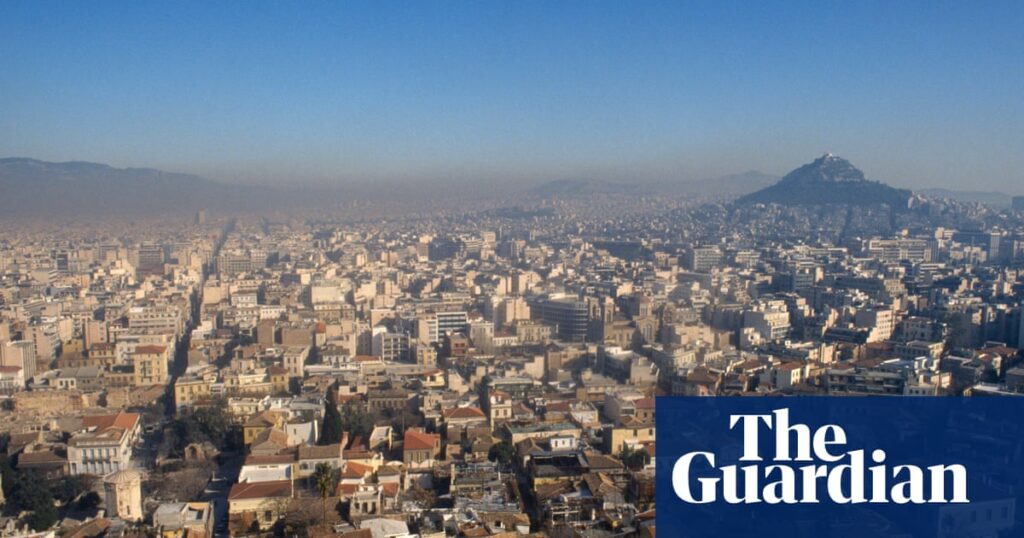
The phrase describes the convergence of two large‑scale stressors: deteriorating air quality and intensifying climate pressures across the African continent. Air pollution refers to the presence of harmful substances—particulate matter, nitrogen oxides (NOx), sulphur dioxide (SO2), ozone (O3) and volatile organic compounds (VOCs)—in the ambient atmosphere at concentrations that pose risks to health or ecosystems. The “choking” metaphor captures the observable haze in many cities and the invisible health burden that accompanies it. Climate pressures include rising temperatures, altered precipitation patterns and more frequent extreme weather, all of which can modify pollutant chemistry and dispersion. Understanding this nexus is essential because the same emissions that degrade air also contribute to greenhouse‑gas forcing.
How Does It Work?
Emission Sources
- Fossil‑fuel power plants: Coal, oil and diesel generators emit SO2, NOx and PM2.5, especially where emission controls are limited.
- Transportation: Rapid motorisation in cities such as Lagos, Nairobi and Johannesburg produces tail‑pipe emissions, primarily NOx and PM.
- Industrial activities: Cement, steel and metal processing release particulates and gases.
- Biomass burning: Open fires for cooking, charcoal production and agricultural clearing emit large amounts of PM and carbon monoxide.
Climate‑Mediated Amplification
Higher ambient temperatures accelerate photochemical reactions that generate ground‑level ozone from NOx and VOCs. Heat also strengthens the formation of secondary organic aerosols, a component of fine particulate matter. In some regions, warming strengthens temperature inversions—layers of warm air that trap pollutants near the surface—leading to prolonged exposure episodes. Changes in wind speed and direction can either disperse or concentrate pollutants, depending on regional climate shifts.
What Does the Evidence Show?
Long‑term monitoring by the World Health Organization (WHO) and national agencies indicates that, as of 2022, 71% of African cities exceed the WHO annual PM2.5 guideline of 10 µg m⁻³, with average concentrations often above 30 µg m⁻³. A 2021 systematic review in *The Lancet Planetary Health* linked these concentrations to increased mortality risk, estimating roughly 400,000 excess deaths annually across the continent. Satellite‑derived aerosol optical depth data corroborate ground measurements, showing persistent high aerosol loads over the Sahel and East African Rift. Climate‑model studies published by the Intergovernmental Panel on Climate Change (IPCC) in 2022 suggest that under a high‑emission scenario, summer ozone levels could rise by 10‑20% in major African megacities by 2050, intensifying health impacts.
Main Causes or Drivers
Direct Causes
- Combustion of low‑grade coal, diesel and kerosene in power generation.
- Vehicle fleets lacking catalytic converters or fuel‑efficiency standards.
- Open‑flame biomass use for domestic energy.
Underlying Drivers
- Rapid urban population growth outpacing infrastructure development.
- Limited access to affordable clean energy alternatives.
- Weak regulatory frameworks and enforcement capacity.
- Economic incentives that favour inexpensive, polluting fuels.
Amplifying Factors
- Climate‑induced temperature inversions that trap pollutants.
- Deforestation and land‑use change that reduce natural ventilation corridors.
- Insufficient air‑quality monitoring networks, leading to under‑reporting.
Environmental and Human Impacts
Environmental Impacts
Fine particles and acidic gases deposit on soils and water bodies, lowering pH and impairing nutrient cycles. Acid rain can damage sensitive ecosystems, including high‑altitude forests in the Ethiopian Highlands. Ozone exposure reduces photosynthetic efficiency, contributing to yield losses of staple crops such as maize and sorghum by up to 10% in heavily polluted zones, according to a 2020 FAO analysis.
Human Health and Social Impacts
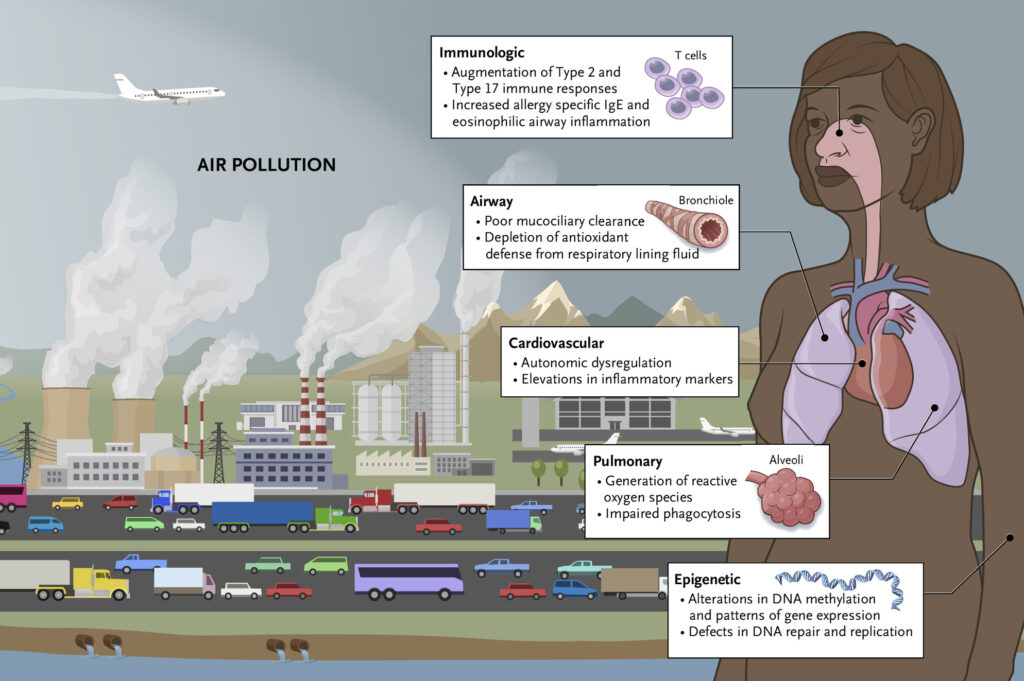
Exposure to PM2.5 is associated with increased rates of asthma, chronic obstructive pulmonary disease and ischemic heart disease. Children under five and the elderly are most vulnerable. A 2019 WHO assessment linked ambient air pollution to roughly 18% of the burden of lower‑respiratory infections in Sub‑Saharan Africa. Poor air quality also exacerbates socioeconomic inequities, as low‑income households rely more on biomass fuels and have limited access to health services.
Economic and Infrastructure Impacts
Health‑related productivity losses are estimated by the World Bank to amount to 1–2% of GDP in heavily polluted African economies. Transportation congestion caused by smog reduces travel efficiency, while corrosion of infrastructure from acidic pollutants raises maintenance costs.
Regional Differences
North‑African cities such as Cairo experience high ozone levels driven by intense solar radiation and traffic density, whereas West‑African coastal hubs like Lagos contend with a mix of maritime aerosol and diesel emissions. In the Sahel, seasonal biomass burning for pasture renewal creates sharp spikes in PM concentrations during the dry season. Conversely, Southern African nations like Rwanda have implemented stricter vehicle standards and report lower average PM2.5 levels, though rural biomass use remains a challenge.
What Scientists Know With High Confidence
- Fine particulate matter (PM2.5) and ground‑level ozone exceed WHO safe limits in the majority of African urban areas.
- Both pollutants are linked to measurable increases in cardiovascular and respiratory morbidity.
- Climate warming intensifies ozone formation and can enhance the frequency of temperature inversions that trap pollutants.
- Transitioning to cleaner energy sources reduces both air‑pollution and greenhouse‑gas emissions.
What Remains Uncertain
Rural exposure levels are poorly quantified because monitoring stations are scarce outside major cities. The magnitude of climate‑pollution feedbacks at continental scales varies among climate models, creating uncertainty in future ozone projections. Additionally, the socio‑economic trade‑offs of rapid energy transitions—such as job displacement in coal‑dependent sectors—require further interdisciplinary study.
Common Misconceptions
Misconception: Air pollution is only an urban problem.
Reality: While cities host the highest emissions, rural households that rely on open‑fire cooking and charcoal contribute significantly to total PM emissions, especially in East and Central Africa.
Misconception: Climate change and air pollution are unrelated issues.
Reality: Many air‑pollutant precursors are also greenhouse gases, and warming temperatures directly affect ozone chemistry, creating a two‑way interaction.
Misconception: Switching to renewable energy will instantly solve air‑quality problems.
Reality: Renewable deployment reduces emissions over time, but legacy sources, agricultural burning and vehicle fleets continue to emit pollutants until they are phased out.
Solutions and Limitations
Effective responses fall into three broad categories:
- Prevention and Regulation: Implementing stricter emission standards for power plants and vehicles can cut PM2.5 by 20–30% in modeled scenarios (IEA, 2021). However, enforcement is limited by institutional capacity and funding.
- Mitigation through Clean Energy: Scaling solar and wind reduces reliance on diesel generators. The cost of solar PV has fallen below US$0.06 kWh in many regions, yet financing mechanisms and grid integration remain challenges.
- Adaptation and Public Health Measures: Expanding air‑quality monitoring, issuing health advisories, and improving indoor ventilation mitigate exposure. These actions require sustained public‑sector investment and community outreach.
Each strategy carries trade‑offs. For example, large‑scale bioenergy projects may compete with food production, while rapid diesel phase‑out could strain electricity reliability if renewable capacity is insufficient.
What Individuals, Communities, and Governments Can Do
What Individuals Can Do
- Adopt cleaner cooking methods, such as improved biomass stoves or LPG where affordable.
- Use public transport, car‑pooling or non‑motorised travel to lower personal vehicular emissions.
- Support local air‑quality monitoring initiatives and share data via community platforms.
What Communities and Organizations Can Do
- Organise tree‑planting and greening projects that improve local air filtration, while ensuring species selection does not exacerbate water use.
- Partner with NGOs to secure funding for low‑emission cookstove distribution.
- Advocate for municipal investment in electric bus fleets and dedicated cycling lanes.
What Governments Can Do
- Develop and enforce national ambient air quality standards aligned with WHO guidelines.
- Provide subsidies or low‑interest financing for renewable energy installations, especially in off‑grid rural areas.
- Expand nationwide monitoring networks using low‑cost sensor technologies, ensuring data transparency.
- Integrate air‑quality considerations into urban planning, zoning and climate‑adaptation strategies.
What Businesses and Industries Can Do
- Invest in emission‑control technologies such as flue‑gas desulphurisation for power plants.
- Adopt fleet electrification and efficient logistics to reduce transport‑related pollutants.
- Report emissions publicly, enabling stakeholders to assess performance and pressure for improvements.
Synthesis
Air pollution across Africa is intensifying alongside climate change, creating a feedback loop that harms health, agriculture and economies. Robust evidence confirms that particulate matter and ozone exceed safe limits in most urban centres, while rural exposures remain under‑studied. The drivers are a mix of energy demand, transportation growth and persistent biomass use, all amplified by warming temperatures. High‑confidence findings point to clear health risks and the dual benefits of clean‑energy transitions. Remaining uncertainties centre on rural monitoring gaps and the precise scale of climate‑pollution interactions. Solutions—ranging from stricter regulations and renewable energy deployment to community‑led clean‑cooking initiatives—show promise but require coordinated action, financing and governance. By addressing both emission sources and climate drivers, Africa can break the choking cycle and safeguard a healthier future for its rapidly growing population.
Frequently Asked Questions
What are the main sources of air pollution in African cities?
The main sources include fossil‑fuel power plants, vehicle exhaust, industrial processes such as cement and steel production, and widespread biomass burning for cooking and agriculture.
How does climate change worsen air quality in Africa?
Higher temperatures accelerate ozone‑forming reactions and strengthen temperature inversions that trap pollutants, while altered wind patterns can reduce natural dispersion, leading to higher concentrations of PM2.5 and ozone.
What health problems are linked to air pollution on the continent?
Exposure to fine particulate matter and ozone is associated with increased rates of asthma, chronic obstructive pulmonary disease, heart disease, and lower‑respiratory infections, especially among children and the elderly.
Are there effective solutions that can reduce air pollution while supporting development?
Yes. Strategies such as stricter emission standards, clean‑energy expansion (solar, wind), improved cookstoves, and expanded air‑quality monitoring can lower emissions and support economic growth, though each requires investment and strong governance.
Why is rural air‑quality data limited in Africa?
Monitoring stations are concentrated in major urban areas, leaving rural regions under‑instrumented; this scarcity makes it difficult to quantify exposure from biomass burning and other non‑urban sources.








Leave a Comment