
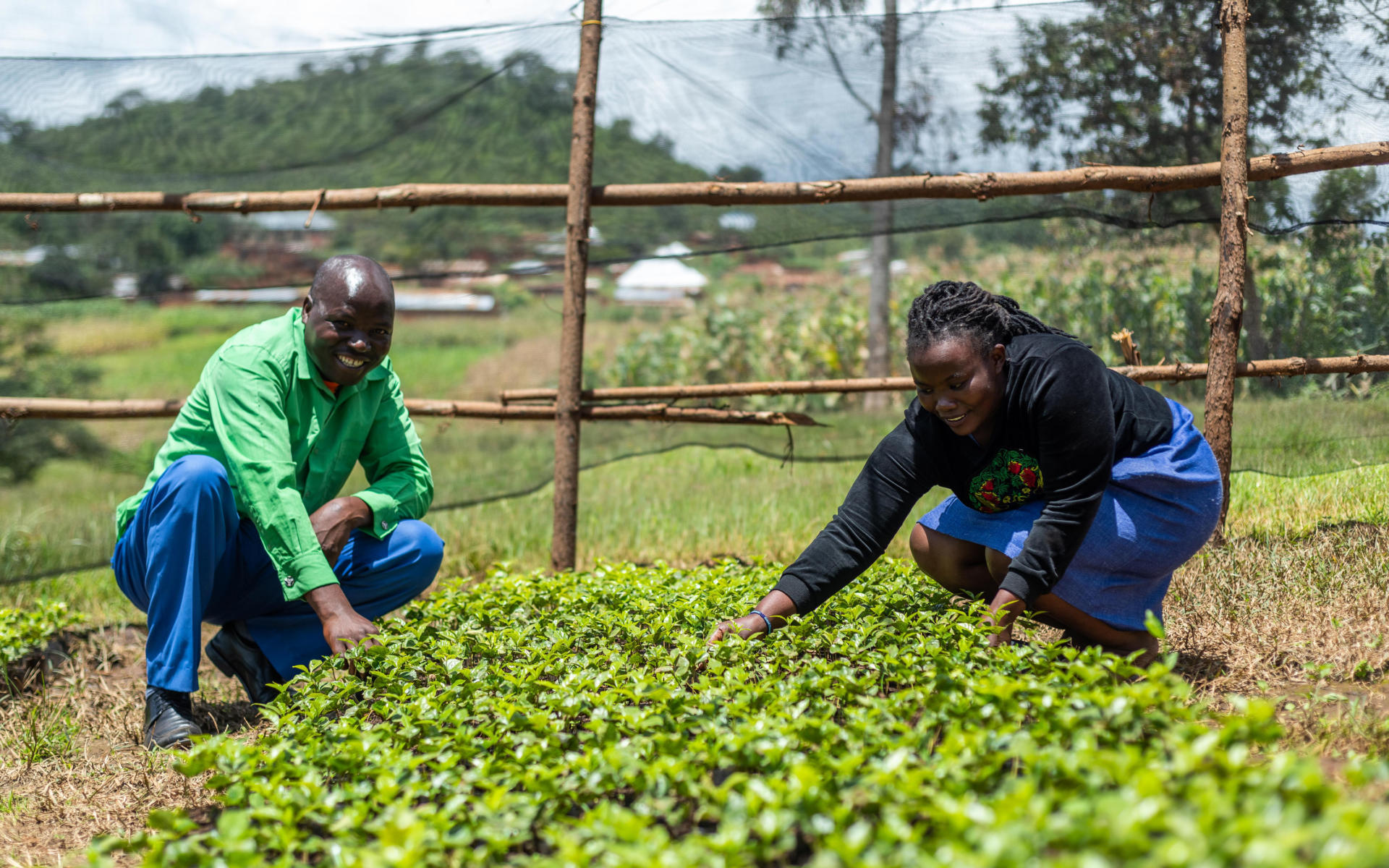
Shade-grown coffee cultivated within agroforestry systems creates carbon‑sequestering microclimates, preserves biodiversity, and supports resilient farmer livelihoods, making it a proven nature‑based strategy against climate change.
Quick Answer
Agroforestry coffee farms integrate coffee shrubs beneath a canopy of native trees, allowing the system to store atmospheric carbon, moderate temperature extremes, and host diverse wildlife. Scientific assessments by the IPCC and FAO indicate that such shade‑grown systems can sequester 20‑40 metric tons of CO₂ per hectare annually, while also reducing the need for synthetic fertilizers and pesticides. The primary impact is a net climate‑mitigation benefit combined with enhanced ecosystem services; however, the magnitude varies by tree species, management practices, and regional conditions.
Key Takeaways
- Shade‑grown coffee farms act as carbon sinks, storing up to 40 t CO₂ ha⁻¹ yr⁻¹ according to peer‑reviewed studies.
- The canopy creates a cooler, more humid microclimate that improves coffee quality and resilience to heat stress.
- Biodiversity thrives under agroforestry, providing natural pest control and pollination services.
- Farmers often earn premium prices for shade‑grown beans, linking climate benefits to economic incentives.
- Uncertainties remain around long‑term carbon accounting and scaling potential across diverse landscapes.
What Is Agroforestry Coffee Farms: How Shade-Grown Coffee Fights Climate Change?
Agroforestry coffee farms are agricultural landscapes where Coffea arabica or Coffea canephora plants are cultivated under a diverse canopy of native or planted trees. Unlike sun‑grown monocultures, these systems blend crop production with forest functions, delivering both economic output and ecosystem services. The practice includes variations such as traditional shade coffee, mixed‑species silvopasture, and regenerative coffee that integrates nitrogen‑fixing leguminous trees. The primary environmental relevance lies in the system’s ability to store carbon, protect soil, and sustain wildlife while producing a market‑able commodity.
How Does It Work?
1. Carbon Sequestration
Tree biomass absorbs CO₂ through photosynthesis and stores it in trunks, branches, leaves, and roots. Over time, litterfall adds organic carbon to the soil. A systematic review published in Global Change Biology (2021) found that shade‑grown coffee plantations in Latin America accumulated an average of 28 t C ha⁻¹ over 20 years, equivalent to roughly 103 t CO₂ ha⁻¹.
2. Microclimate Regulation
Canopy cover reduces solar radiation reaching coffee shrubs by 30‑60 %, lowering leaf temperature and evapotranspiration. This buffering effect mitigates heat‑induced bean defects and extends the viable altitude range for coffee, as documented by long‑term climate monitoring in Ethiopia.
3. Biodiversity Support
Shade trees provide habitat for birds, bats, insects, and understory plants. These organisms contribute to natural pest suppression—birds consume up to 40 % of coffee berry borer populations in some farms—thus decreasing pesticide demand. Pollinator diversity also improves fruit set, according to a meta‑analysis of 45 field studies.
4. Soil Conservation and Nutrient Cycling
Tree roots stabilize soil, reducing erosion on steep slopes common in coffee regions. Leaf litter enhances organic matter, improving water infiltration and nutrient availability. Soil carbon stocks in agroforestry systems are typically 1.5‑2 times higher than in sun‑grown fields.
5. Socio‑Economic Linkages
Shade‑grown coffee often qualifies for certifications (e.g., Bird Friendly, Rainforest Alliance) that command price premiums of 10‑30 % in international markets. Higher income can fund further tree planting, creating a positive feedback loop between livelihoods and ecosystem health.
What Does the Evidence Show?
Multiple lines of evidence converge on the climate‑mitigation potential of shade‑grown coffee. The Intergovernmental Panel on Climate Change (IPCC) 2022 report cites agroforestry as a key nature‑based solution, estimating global carbon sequestration potential of 0.5‑1 Gt CO₂ yr⁻¹ if widely adopted. Field experiments in Brazil and Costa Rica report reduced soil temperature variance and higher coffee yields under shade compared with full‑sun plantations. Systematic reviews of biodiversity outcomes consistently find greater species richness—particularly of avian communities—in shade systems. However, carbon accounting varies with tree species composition, planting density, and management intensity, leading to a range of reported sequestration rates.
Main Causes or Drivers
Direct Causes
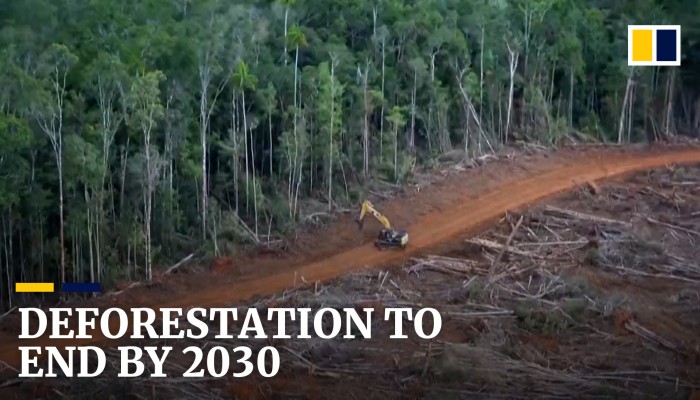
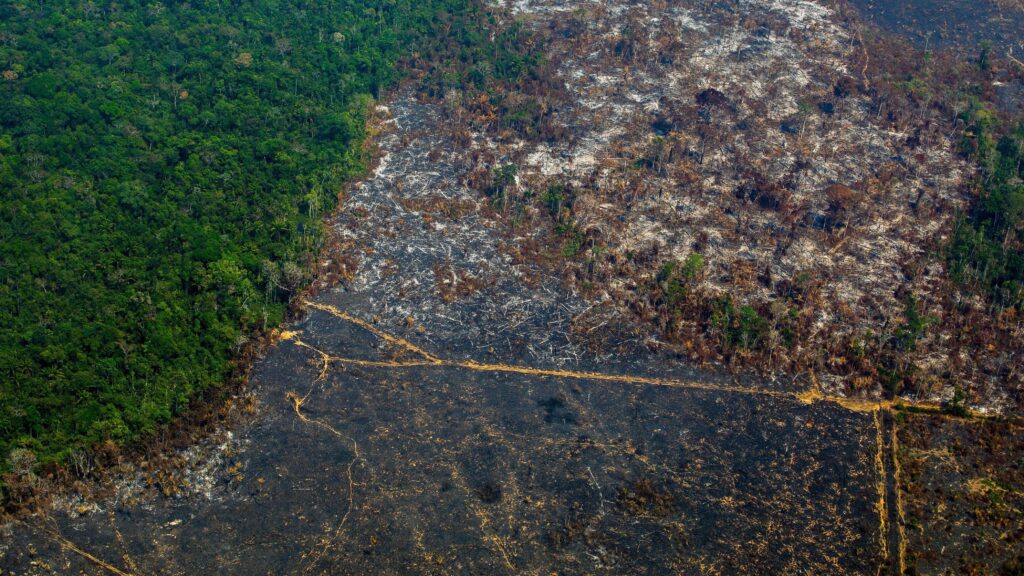
Deforestation for sun‑grown coffee expansion removes forest carbon stocks and degrades soils. Market pressure for higher yields pushes some growers toward monoculture practices.
Underlying Drivers
Global coffee demand, volatile prices, and limited access to credit incentivize short‑term productivity gains over long‑term sustainability. Climate change itself raises temperatures, making shade increasingly necessary for coffee viability.
Contributing Factors
Policy gaps, lack of extension services, and limited consumer awareness of shade‑grown benefits can hinder adoption.
Environmental and Human Impacts
Environmental Impacts
Carbon storage, reduced erosion, and enhanced water regulation are the primary environmental outcomes. Shade trees also act as windbreaks, lowering the risk of landslides on mountainous farms. Biodiversity gains extend to ecosystem services such as pollination and biological control.
Human Health and Social Impacts
Reduced pesticide use lowers occupational exposure for farmworkers, decreasing respiratory and dermal health risks. Higher incomes from premium markets improve household food security and enable investments in education and health.
Economic and Infrastructure Impacts
Shade‑grown farms often require less irrigation infrastructure due to improved water retention, lowering capital costs. However, initial tree establishment can be labor‑intensive and may delay short‑term cash flow.
Regional Differences
In Central America, traditional shade coffee has existed for centuries, and many farms retain native tree species, leading to high carbon stocks. In East Africa, emerging shade systems are integrating indigenous species such as Prunus africana to enhance both carbon and medicinal value. Southeast Asian coffee regions, like Vietnam, are rapidly expanding sun‑grown plantations, resulting in lower biodiversity but offering opportunities for agroforestry transition through government incentive programs.
What Scientists Know With High Confidence
- Shade trees in coffee agroforestry store carbon in biomass and soils, providing a net negative emissions effect when managed sustainably.
- Canopy cover moderates microclimate, reducing heat stress on coffee plants and improving bean quality.
- Biodiversity, especially avian and insect communities, is consistently higher in shade‑grown systems than in sun‑grown monocultures.
- Reduced pesticide use in shade systems lowers chemical exposure for workers and downstream ecosystems.
What Remains Uncertain
Key uncertainties include the long‑term stability of stored carbon under changing land‑use regimes, the optimal tree density for balancing carbon sequestration with coffee yields, and how climate‑induced shifts in pest populations may alter the effectiveness of natural pest control. More longitudinal studies across diverse biomes are needed to refine global sequestration estimates.
Common Misconceptions
Misconception: Shade‑grown coffee always yields less than sun‑grown coffee.
Reality: While yields can be lower on very steep slopes, many shade systems produce comparable or even higher yields over time because of reduced disease pressure and improved soil health.
Misconception: All shade coffee is automatically carbon‑neutral.
Reality: Carbon balance depends on tree species, management, and lifecycle emissions. Proper accounting is required to confirm net sequestration.
Misconception: Shade coffee is only for premium markets.
Reality: While certifications add market value, shade practices also benefit smallholder subsistence farmers through ecosystem services that reduce input costs.
Solutions and Limitations
Nature‑based solutions such as expanding shade‑grown coffee align with climate mitigation, but they are limited by land‑availability, farmer knowledge, and market access. Policy incentives (e.g., payments for ecosystem services) can encourage adoption, yet funding mechanisms must be transparent and equitable. Certification schemes improve consumer awareness but can be costly for smallholders. Integrating agroforestry into national agricultural strategies offers scalability, but success hinges on extension services, access to quality seedlings, and secure land tenure.
What Individuals, Communities, and Governments Can Do
What Individuals Can Do
Choose certified shade‑grown coffee, support brands that disclose agroforestry practices, and share information about the climate benefits of shade coffee with peers.
What Communities and Organizations Can Do
Facilitate farmer field schools on shade management, develop local seed banks for native tree species, and create cooperative marketing channels that capture price premiums.
What Governments Can Do
Implement payments for ecosystem services tied to carbon sequestration, streamline certification processes, and incorporate agroforestry targets into national climate‑action plans.
Closing Synthesis
Shade‑grown coffee within agroforestry systems demonstrates a clear, evidence‑backed pathway to store carbon, safeguard biodiversity, and strengthen farmer resilience. High‑confidence research confirms its climate‑mitigation and ecosystem benefits, while uncertainties around optimal designs and long‑term carbon stability guide future research. By aligning market incentives, policy support, and community knowledge, shade coffee can scale from a niche practice to a cornerstone of sustainable agriculture and climate action.
Frequently Asked Questions
What is shade‑grown coffee in agroforestry?
Shade‑grown coffee is cultivated under a canopy of trees, combining coffee production with forest functions such as carbon storage, biodiversity support, and microclimate regulation.
How do shade trees help mitigate climate change?
Trees absorb atmospheric CO₂ and store it in biomass and soil, allowing shade‑grown coffee farms to sequester up to 40 tons of CO₂ per hectare annually, according to peer‑reviewed studies.
Do shade‑grown coffee farms produce less coffee?
Yield can be comparable to sun‑grown farms because the canopy reduces disease pressure and improves soil health, though exact yields depend on tree density, species, and local conditions.
What are the main environmental benefits of shade coffee?
Key benefits include carbon sequestration, enhanced biodiversity (especially birds and insects), reduced soil erosion, and lower pesticide use, which together improve ecosystem resilience.
How can consumers support shade‑grown coffee?
Consumers can purchase certified shade‑grown coffee, look for labels such as Bird Friendly or Rainforest Alliance, and encourage retailers to stock products that verify agroforestry practices.







Leave a Comment