
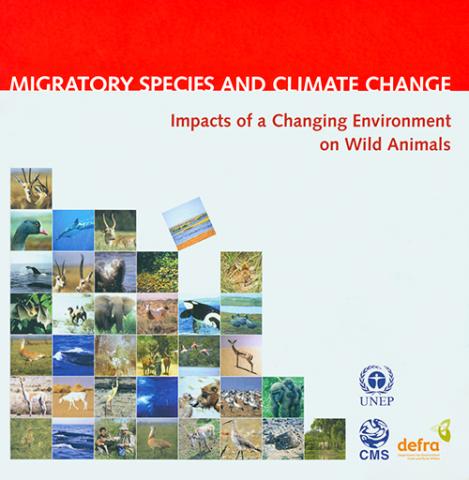
The discovery of 503 new species in 2025 highlights both the richness of Earth’s remaining biodiversity and the urgent threat that climate change poses to their long‑term survival.
\n\n
Quick Answer
\n
In 2025 scientists described 503 species new to science—from insects in tropical canopies to deep‑sea mollusks—yet climate change is already altering the temperature, precipitation, and chemistry of the habitats they depend on. Rising global average temperatures, shifting rainfall patterns, and ocean acidification reduce suitable niche space, increase extinction risk, and can outpace the ability of these newly discovered organisms to adapt. While some species may persist through micro‑refugia or rapid evolution, the overall outlook is one of heightened vulnerability, especially for those with narrow ecological ranges.
\n
\n\n
Key Takeaways
\n
- \n
- 503 species were formally described in 2025, expanding known biodiversity across terrestrial and marine ecosystems.
- Climate‑driven temperature rise, altered precipitation, and ocean acidification directly shrink or shift habitats for many of these species.
- Species with limited ranges, specialized habitats, or low dispersal capacity face the greatest extinction risk.
- High‑confidence science links climate change to biodiversity loss, but uncertainties remain about species‑specific thresholds.
- Effective responses combine habitat protection, climate‑informed management, and community‑based monitoring.
\n
\n
\n
\n
\n
\n
\n\n
What Is 503 New Species Identified in 2025—What Climate Change Means for Their Survival?
\n
The phrase refers to the total number of organisms that taxonomists officially named and described in the calendar year 2025. These species span insects, arachnids, mammals, birds, amphibians, reptiles, fish, and deep‑sea invertebrates. The discovery reflects ongoing exploration in understudied habitats such as tropical canopy layers, remote grasslands, and abyssal ocean zones. Understanding their survival prospects matters because each species contributes to ecosystem functions, genetic diversity, and potential scientific or medicinal value. Moreover, their recent identification means conservation assessments often lag behind, leaving them vulnerable to rapid environmental change.
\n\n
How Does It Work?
\n
Climate Change Alters Physical Conditions
\n
- \n
- Global surface temperatures have risen roughly 1.1 °C since pre‑industrial times (IPCC, 2021), shifting thermal envelopes upward in altitude and latitude.
- Changes in precipitation patterns produce wetter conditions in some tropics and increased drought in many grasslands and savannas.
- Ocean surface warming and increased CO₂ absorption lower pH by about 0.1 units since the industrial era, a process known as ocean acidification (NOAA, 2022).
\n
\n
\n
\n
Biological Responses to Changing Conditions
\n
Species rely on specific temperature ranges, moisture regimes, and chemical conditions for reproduction, foraging, and survival. When these parameters move beyond physiological tolerances, individuals may experience reduced fitness, lower reproductive output, or increased mortality. In marine environments, acidification weakens calcium carbonate structures, threatening shelled organisms and coral‑associated species.
\n
Feedbacks and Cascading Effects
\n
Loss of a single species can destabilize food webs, alter nutrient cycling, and reduce habitat complexity, creating feedback loops that further stress remaining organisms. For example, the disappearance of a pollinating insect can limit plant reproduction, which in turn reduces food sources for herbivores.
\n\n
What Does the Evidence Show?
\n
Multiple lines of peer‑reviewed evidence converge on the link between climate change and biodiversity risk. The Intergovernmental Panel on Climate Change (IPCC) 2021 assessment reports that species’ geographic ranges are shifting poleward and upward at an average rate of 17 km per decade. The International Union for Conservation of Nature (IUCN) Red List assessments indicate that climate change is a contributing factor for more than 40 % of species classified as threatened. Long‑term monitoring by national biodiversity programs shows increased local extinctions in heat‑sensitive amphibians and alpine plants. Systematic reviews of field experiments demonstrate that elevated temperature and altered precipitation reduce survival of many invertebrates, especially those with narrow thermal niches.
\n\n
Main Causes or Drivers
\n
Direct Climate Drivers
\n
- \n
- Anthropogenic greenhouse‑gas emissions (CO₂, CH₄, N₂O) from energy production, agriculture, and industry.
- Land‑use change that reduces carbon sinks and amplifies regional warming.
- Deforestation and habitat fragmentation that limit species’ ability to migrate.
\n
\n
\n
\n
Amplifying Factors
\n
- \n
- Invasive species that thrive under altered climates and outcompete natives.
- Increased frequency of extreme weather events, such as heatwaves and heavy rains, which can cause sudden population crashes.
- Oceanic circulation changes that redistribute heat and affect deep‑sea habitats.
\n
\n
\n
\n\n
Environmental and Human Impacts
\n
Environmental Impacts
\n
Habitat contraction reduces biodiversity, weakens ecosystem resilience, and limits services such as pollination, water purification, and carbon storage. Marine acidification jeopardizes coral reefs, which serve as nursery grounds for many fish and invertebrate species, including several of the newly described organisms.
\n
Human Health and Social Impacts
\n
Loss of biodiversity can diminish sources of novel medicines and reduce food security for communities that depend on wild species for nutrition. Cultural heritage tied to specific flora and fauna may erode when iconic species disappear.
\n
Economic and Infrastructure Impacts
\n
Reduced ecosystem services can increase costs for water treatment, flood protection, and agricultural productivity. Tourism that relies on unique wildlife—such as bird‑watching in tropical forests—may suffer if species vanish.
\n\n
Regional Differences
\n
Climate impacts and species vulnerability differ across biogeographic zones. In tropical rainforests, rising temperatures combine with altered rainfall to stress amphibians and canopy insects. Temperate grasslands experience intensified drought, threatening the newly identified rodent that depends on seasonal grasses. High‑latitude marine regions see faster ocean warming, affecting bioluminescent squid discovered in deep‑sea surveys. While the mechanisms are globally similar, the magnitude of habitat loss is often greatest where species have the narrowest climatic envelopes.
\n\n
What Scientists Know With High Confidence
\n
- \n
- Global average temperature has risen above pre‑industrial levels and continues to increase.
- Species’ geographic ranges are shifting toward cooler latitudes and higher elevations.
- Ocean acidification is measurable and directly impairs calcifying marine organisms.
- Habitat loss and fragmentation amplify climate‑driven extinction risk.
\n
\n
\n
\n
\n
\n\n
What Remains Uncertain
\n
Key uncertainties include the precise thermal tolerance limits for many of the newly described species, the speed at which evolutionary adaptation can occur, and how synergistic stressors (e.g., pollution plus warming) interact. Limited baseline data for many taxa make it difficult to model future population trajectories. Improved long‑term monitoring and trait‑based vulnerability assessments are needed to reduce these gaps.
\n
\n\n
Common Misconceptions
\n
Misconception: New species are automatically safe because they have just been discovered.
\n
Reality: Discovery does not confer protection; many newly described organisms have tiny, fragmented ranges that make them highly susceptible to climate impacts.
\n
Misconception: Climate change only affects large, charismatic animals.
\n
Reality: Climate stressors affect all taxa, including microbes, insects, and deep‑sea organisms, many of which play crucial ecosystem roles.
\n
Misconception: Individual lifestyle changes can fully offset species loss.
\n
Reality: Personal actions contribute to emission reductions, but systemic policy measures and large‑scale habitat protection are essential to safeguard biodiversity.
\n
\n\n
Solutions and Limitations
\n
Conservation strategies must address both climate mitigation and adaptation. Protecting existing habitats through legally established reserves can buffer species against temperature shifts, yet protected areas may become climate‑incompatible over time, requiring dynamic boundary adjustments. Ecological restoration—replanting native vegetation, rewetting peatlands, and rebuilding coral reefs—enhances ecosystem resilience but often involves high costs and long timeframes. Climate‑informed species management, such as assisted migration, can help relocate vulnerable taxa, but carries risks of ecological mismatch and invasive potential. Technology‑driven monitoring (eDNA, remote sensing) improves detection but depends on sustained funding and data sharing frameworks.
\n\n
What Individuals, Communities, and Governments Can Do
\n
What Individuals Can Do
\n
- \n
- Reduce personal carbon footprints by using energy‑efficient appliances, limiting air travel, and supporting renewable energy.
- Participate in citizen‑science platforms that record species observations, providing valuable distribution data.
- Support NGOs that fund biodiversity research and habitat protection.
\n
\n
\n
\n
What Communities and Organizations Can Do
\n
- \n
- Implement local habitat restoration projects, such as native tree planting and wetland rehabilitation.
- Develop community‑based monitoring programs that train residents to identify and report new species.
- Integrate climate risk assessments into land‑use planning to avoid development in climate‑vulnerable hotspots.
\n
\n
\n
\n
What Governments Can Do
\n
- \n
- Set and enforce ambitious greenhouse‑gas reduction targets aligned with the IPCC 1.5 °C pathway.
- Expand and connect protected‑area networks, ensuring they encompass climate‑refugia and migration corridors.
- Fund long‑term biodiversity surveys and maintain open data portals for researchers worldwide.
- Incorporate climate projections into national species recovery plans and IUCN Red List assessments.
\n
\n
\n
\n
\n\n
Closing Synthesis
\n
The addition of 503 species to the catalog of life in 2025 underscores both the planet’s hidden richness and the immediacy of climate threats. Strong, converging evidence shows that rising temperatures, altered precipitation, and ocean acidification erode the habitats these organisms depend on, especially for those with limited ranges. While uncertainties remain about exact tolerance thresholds and adaptive capacity, high‑confidence findings justify urgent, multi‑scale action: protect and restore habitats, embed climate data into conservation planning, and mobilize communities and policymakers. By aligning scientific insight with practical measures, we can improve the odds that these newly discovered species persist for future generations.
Frequently Asked Questions
What does the number 503 new species refer to?
It refers to the total count of species formally described by taxonomists in 2025 that were previously unknown to science, covering insects, mammals, birds, amphibians, reptiles, and marine organisms.
How does climate change specifically endanger newly discovered species?
Climate change alters temperature, precipitation, and ocean chemistry, which can shrink or shift the habitats these species rely on, disrupt breeding cycles, and increase exposure to disease or invasive competitors, making survival more difficult.
Which groups of newly identified species are most at risk?
Species with narrow geographic ranges, specialized habitat requirements, or limited dispersal ability—such as many amphibians, high‑elevation insects, and coral‑associated marine organisms—are considered most vulnerable.
What conservation actions can help protect these new species?
Protecting and restoring critical habitats, establishing climate‑resilient protected areas, using monitoring technologies to track populations, and integrating climate projections into management plans are evidence‑based strategies.
Can individual actions make a difference for these species?
Individuals can support organizations that fund biodiversity research, reduce personal carbon footprints, and participate in citizen‑science projects that document species occurrences, contributing to data collection and advocacy for stronger climate policies.





Leave a Comment