
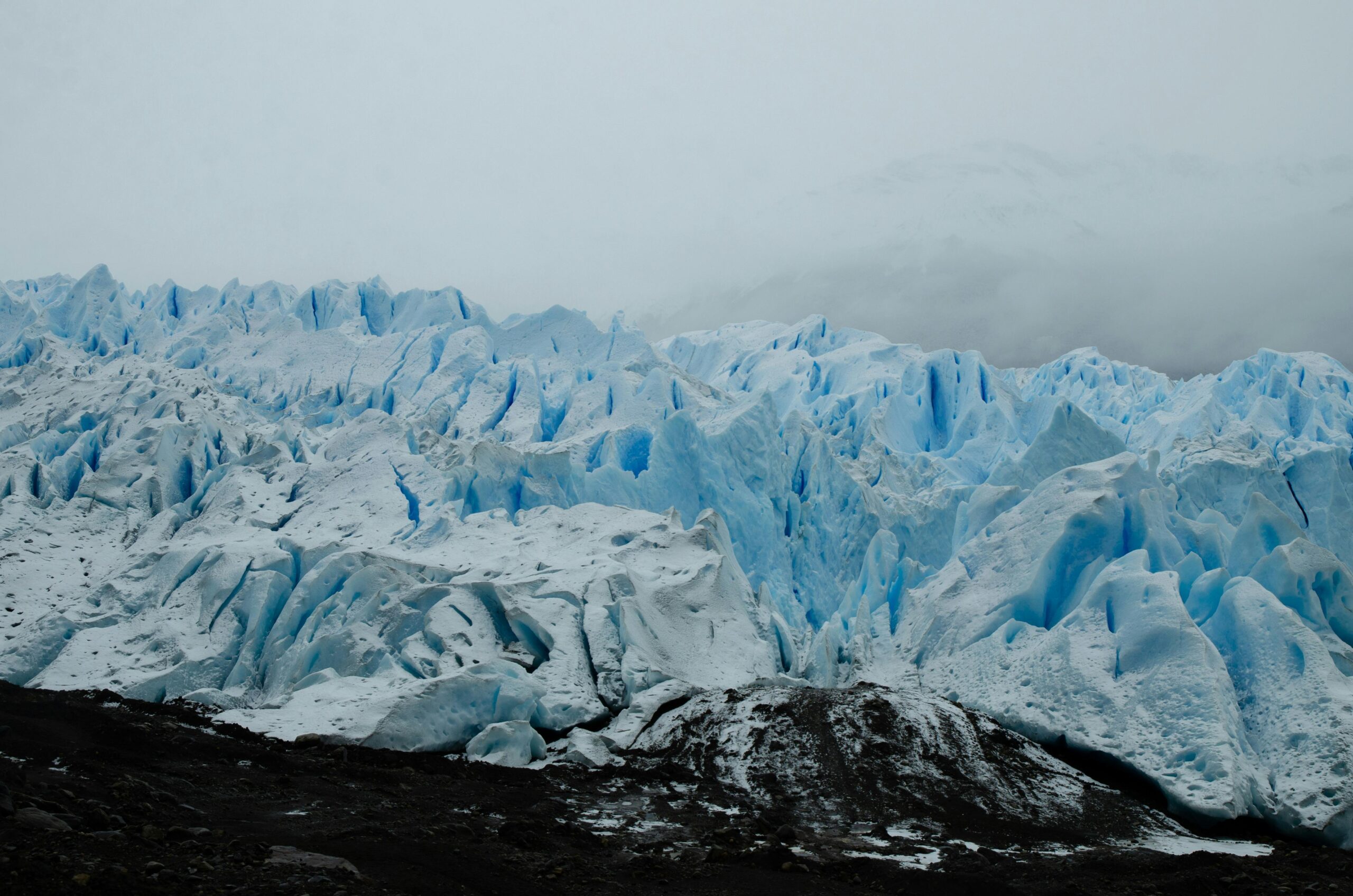
Melting glaciers in the United States indicate accelerating climate change, leading to sea‑level rise, altered water supplies, ecosystem disruption, and heightened risks for communities, while highlighting both scientific certainty and remaining uncertainties.
Quick Answer
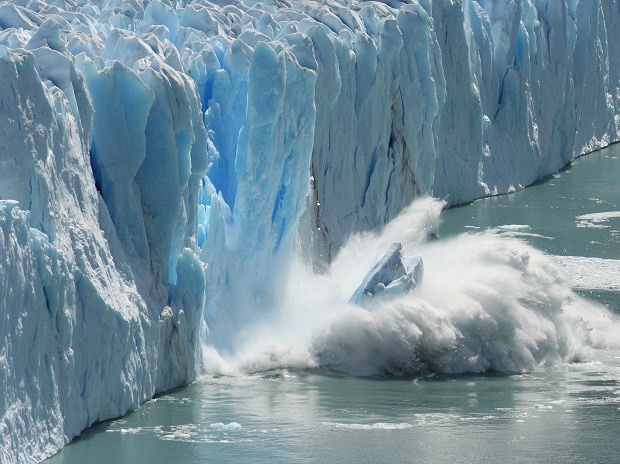
Melting glaciers refer to the net loss of ice mass from mountain and polar ice bodies caused primarily by rising atmospheric temperatures. The process releases stored freshwater into rivers and oceans, contributing to sea‑level rise and reducing glacier‑fed water supplies. Scientific assessments show that glacier retreat is a robust indicator of global warming, and its most immediate implication for the United States is increased flood risk in coastal areas and water insecurity for western states. While the overall trend is well documented, uncertainties remain about regional melt rates and the timing of specific socioeconomic impacts.
Key Takeaways
- Glaciers act as natural freshwater reservoirs; their loss directly reduces river flow in many U.S. basins.
- Melting contributes roughly one‑third of observed sea‑level rise since 1993, according to the IPCC (2021).
- Ecological effects include habitat loss for cold‑water species such as salmon and altered alpine vegetation patterns.
- Human impacts span reduced water security, increased flood hazards, and economic losses in tourism and hydropower.
- Mitigation (emission reductions) and adaptation (water management, flood defenses) are both needed, with each having limits and trade‑offs.
What Is Melting Glaciers in American English?
In everyday American English, “melting glaciers” describes the observable shrinkage of large ice masses in the Rocky Mountains, Sierra Nevada, Alaska, and the Arctic. It is more than a visual change; it signals a shift in the Earth’s energy balance. Glaciers form when annual snowfall exceeds melt; when temperatures rise, the balance tips toward net loss. The term differs from “seasonal snowmelt,” which is a normal annual cycle, because it denotes a persistent, long‑term reduction in ice volume.
How Does It Work?
Physical Process
- Increased greenhouse‑gas concentrations trap more infrared radiation, raising surface air temperatures.
- Warmer air melts surface ice faster than snowfall can replace it.
- Reduced albedo (the reflectivity of ice) exposes darker ice or underlying rock, which absorbs more solar energy, accelerating melt—a positive feedback known as the albedo effect.
- Melting water can percolate to the glacier base, lubricating its bed and increasing the glacier’s flow speed, further enhancing mass loss.
Hydrological Linkages
During warm months, meltwater feeds downstream rivers, temporarily increasing discharge. Over decades, the cumulative loss reduces the total volume of stored water, leading to lower summer flows in basins such as the Colorado, Sacramento, and Skagit.
Climate Feedbacks
When glaciers retreat, the exposed land or ocean absorbs additional heat, reinforcing regional warming. Model simulations in the IPCC Sixth Assessment Report identify glacier loss as a modest but measurable feedback on the climate system.
What Does the Evidence Show?
Long‑term monitoring by the U.S. Geological Survey and NASA’s GRACE satellite gravimetry demonstrates a net loss of roughly 300 gigatonnes of glacier ice per year globally between 2000 and 2019. In the contiguous United States, the National Snow and Ice Data Center reports that the average glacier area has declined by about 30 % since the 1970s. Peer‑reviewed meta‑analyses confirm that the rate of loss has accelerated in the past two decades, linking it directly to rising global mean temperatures.
Main Causes or Drivers
Direct Causes
- Rising air temperatures due to anthropogenic greenhouse‑gas emissions.
- Changes in precipitation patterns that reduce snowfall in high‑altitude catchments.
Underlying Drivers
- Fossil‑fuel combustion and industrial processes that increase CO₂ and methane concentrations.
- Land‑use changes that affect regional albedo and atmospheric circulation.
Environmental and Human Impacts
Environmental Impacts
- Sea‑level rise: Glacier melt contributed an estimated 0.35 mm per year to global sea level between 2005–2015 (IPCC, 2021).
- River ecosystems: Reduced summer flows stress cold‑water fish such as Pacific salmon, which rely on glacier‑fed streams for spawning habitat.
- Alpine biodiversity: Species adapted to permanent ice, like the glacier flea (Gomphiocephalus), face habitat loss, while plant communities shift upward, potentially outpacing the ability of slow‑dispersing species to migrate.
Human Health and Social Impacts
- Increased flood risk from rapid melt events can contaminate drinking‑water supplies, raising the likelihood of water‑borne disease outbreaks.
- Indigenous communities in Alaska and the Pacific Northwest that rely on glacier‑fed rivers for subsistence fishing experience cultural and nutritional challenges.
- Tourism economies built around iconic glaciers (e.g., Glacier National Park) risk revenue loss as landscapes change.
Economic and Infrastructure Impacts
- Hydropower generation in the Pacific Northwest depends on predictable meltwater; reduced flow diminishes electricity output during peak demand periods.
- Coastal property values in cities like Miami and New York are vulnerable to accelerated sea‑level rise linked to glacier melt.
Regional Differences
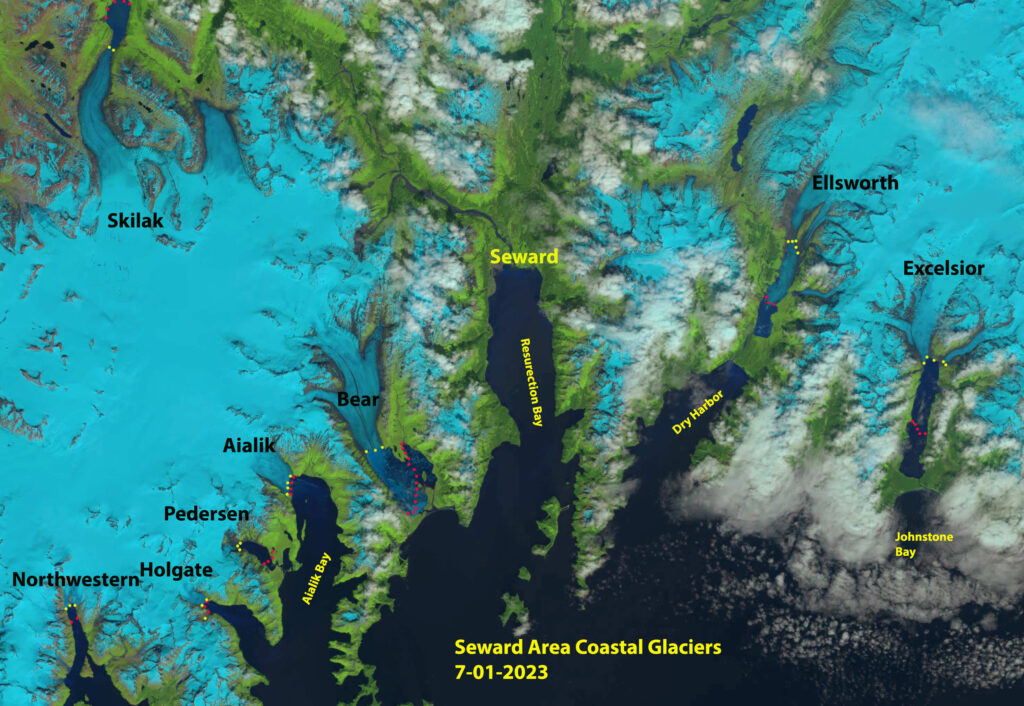
In the American West, glacier loss directly threatens water supplies for agriculture and urban use, because many major rivers originate in glaciated basins. In Alaska, retreating tidewater glaciers contribute to local land‑loss and affect marine ecosystems through increased sediment loads. Conversely, the Northeast experiences indirect effects, primarily through sea‑level rise that amplifies coastal erosion. These variations stem from differing topography, climate regimes, and dependence on glacier‑derived water.
What Scientists Know With High Confidence
- Global temperatures have risen approximately 1.1 °C above pre‑industrial levels, driving accelerated glacier melt.
- Glacier mass balance measurements consistently show net loss across all major mountain ranges worldwide.
- Melting glaciers are a measurable contributor to global sea‑level rise, accounting for about one‑third of observed rise since the early 1990s.
- Reduced summer streamflow in glacier‑fed basins has already been documented in the Colorado River watershed.
What Remains Uncertain
Key uncertainties include the precise timing of critical thresholds for regional water shortages, the magnitude of feedbacks from exposed dark surfaces, and how quickly ecosystems can adapt to new thermal regimes. Limited long‑term observations in remote Arctic regions and the variability of precipitation patterns add further ambiguity. Ongoing satellite missions and expanded ground‑based monitoring aim to narrow these gaps.
Common Misconceptions
Misconception: Glaciers only melt during hot summers.
Reality: While seasonal melt is normal, the long‑term trend of net ice loss persists year‑round and is driven by sustained temperature increases, not isolated summer heatwaves.
Misconception: All sea‑level rise comes from melting glaciers.
Reality: Thermal expansion of seawater and melting of the Greenland and Antarctic ice sheets together account for the majority of sea‑level rise; glaciers contribute a significant but smaller portion.
Misconception: Glacier loss is reversible if temperatures temporarily cool.
Reality: Once ice mass is lost, rebuilding it would require decades of sustained cooling and increased snowfall, which is unlikely under current emission trajectories.
Solutions and Limitations
Addressing glacier melt requires both mitigation of greenhouse‑gas emissions and adaptation to unavoidable changes.
- Mitigation: Transitioning to renewable energy, improving energy efficiency, and implementing carbon‑pricing mechanisms can curb the temperature rise that drives melt. However, global coordination is needed, and transition costs vary by sector.
- Adaptation – Water Management: Investing in water‑storage infrastructure, improving irrigation efficiency, and adopting demand‑management policies can buffer reduced glacier runoff. These solutions demand substantial capital and may affect water‑rights allocations.
- Adaptation – Flood Protection: Enhancing levee systems, restoring wetlands, and employing early‑warning systems reduce flood hazards from rapid melt events. Wetland restoration also provides co‑benefits for biodiversity but requires land‑use changes.
- Conservation: Protecting remaining glacier environments limits local pollutants and preserves tourism value, yet protection alone does not stop climate‑driven melt.
What Individuals, Communities, and Governments Can Do
What Individuals Can Do
- Reduce personal carbon footprints by using public transit, improving home energy efficiency, and supporting renewable‑energy providers.
- Participate in local water‑conservation programs, such as xeriscaping or rain‑water harvesting, to lessen demand on glacier‑fed supplies.
- Advocate for climate‑friendly policies by contacting elected officials and supporting NGOs focused on emission reductions.
What Communities and Organizations Can Do
- Develop integrated watershed management plans that account for declining glacier contributions.
- Invest in climate‑resilient infrastructure, including flood‑plain mapping and green infrastructure.
- Promote sustainable tourism that highlights glacier heritage while funding scientific monitoring.
What Governments Can Do
- Implement and tighten national emission standards for power plants and transportation, aligning with the Paris Agreement goal of limiting warming to 1.5 °C.
- Fund long‑term glacier monitoring networks (e.g., USGS, NASA) to improve data for decision‑making.
- Incorporate glacier‑related risks into coastal zoning, water‑rights legislation, and disaster‑response planning.
Synthesis
Melting glaciers in the United States are a clear, measurable signal of ongoing climate change, driven primarily by rising greenhouse‑gas concentrations. Robust evidence links glacier loss to sea‑level rise, reduced freshwater availability, and ecosystem disruption, while uncertainties remain around regional timelines and ecosystem adaptation capacity. Effective responses combine aggressive mitigation to limit further warming with targeted adaptation measures that safeguard water resources, protect vulnerable communities, and preserve the cultural and economic value of glacier landscapes.
Frequently Asked Questions
What does the term “melting glaciers” mean in everyday American English?
Melting glaciers refers to the ongoing, net loss of ice mass from mountain and polar glaciers caused by sustained temperature increases, not just seasonal snowmelt.
How do scientists measure glacier loss in the United States?
Scientists use a combination of satellite gravimetry, aerial photography, and ground‑based stake measurements to track changes in glacier area and volume, showing an average decline of about 30 % since the 1970s.
What are the main environmental impacts of glacier melt for U.S. ecosystems?
Key impacts include higher sea‑level rise, reduced summer river flows that stress cold‑water fish like salmon, and loss of alpine habitats that affect specialized insects and plant communities.
Which actions can local governments take to adapt to reduced glacier‑fed water supplies?
Local governments can develop integrated watershed plans, invest in water‑storage and efficiency projects, and strengthen flood‑defense infrastructure to manage both lower summer flows and rapid melt‑induced floods.
Why is there still uncertainty about the timing of water shortages caused by glacier melt?
Uncertainty stems from limited long‑term observations in remote basins, variability in future precipitation, and complex feedbacks that affect how quickly glaciers respond to warming, making precise regional forecasts challenging.




Leave a Comment