
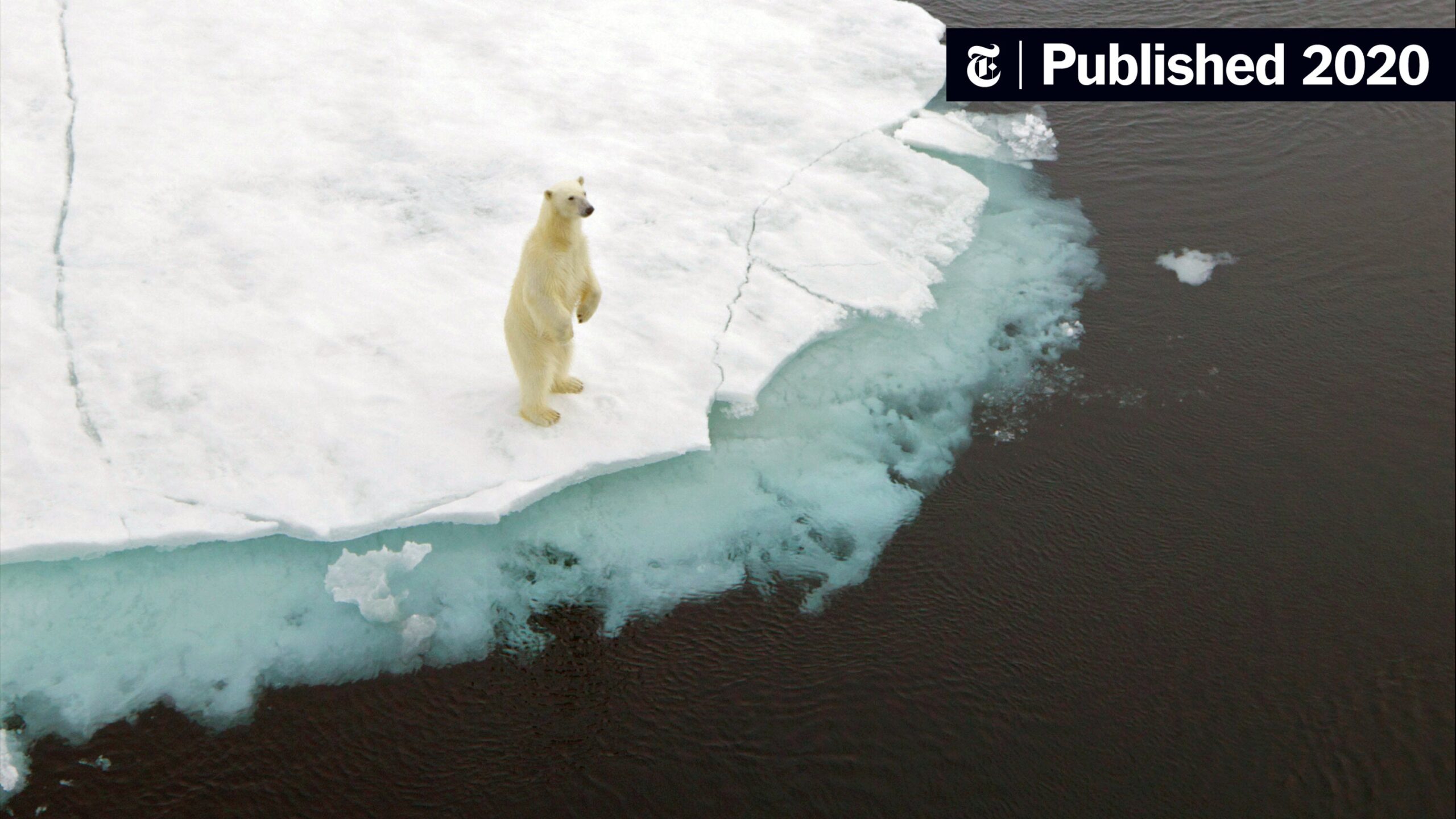
Glaciers act as fragile mirrors of climate change, storing ancient climate data, supplying freshwater, and signaling the planet’s warming through their rapid retreat.
\n\n
Quick Answer
\n
Glaciers are massive, perennial bodies of ice that form where snowfall exceeds melt over many centuries; they flow slowly under their own weight. Rising atmospheric temperatures increase melt rates and reduce snowfall, causing most glaciers worldwide to shrink. The consensus of the Intergovernmental Panel on Climate Change (IPCC) and long‑term monitoring networks indicates that glacier loss contributes roughly 0.4 mm per year to global sea‑level rise and threatens freshwater availability for millions of people. While uncertainties remain about regional melt timing, the overall trend of retreat is well documented.
\n
\n\n
Key Takeaways
\n
- \n
- Glaciers form where annual snowfall outpaces melt, creating thick ice sheets that flow downhill.
- Global temperature rise accelerates melt and reduces accumulation, leading to net glacier loss.
- Melting glaciers raise sea level, alter river flows, and endanger species adapted to cold habitats.
- High‑altitude and high‑latitude regions show the most rapid retreat, but even small alpine glaciers are disappearing.
- Mitigation of greenhouse‑gas emissions, protected watershed management, and climate‑smart policies can slow glacier decline.
\n
\n
\n
\n
\n
\n
\n\n
What Is Glaciers: Fragile Mirrors of Climate Change?
\n
Glaciers are long‑standing reservoirs of frozen water, ranging from tiny cirque glaciers perched on mountain slopes to continent‑spanning ice sheets like those in Greenland and Antarctica. They are defined by their persistence: ice must remain year‑round for at least several decades. Glaciers differ from seasonal snowfields because they undergo internal deformation and basal sliding, allowing ice to flow like a very slow river. Their importance lies in three core aspects: (1) they store about 69 % of Earth’s fresh water, (2) they preserve layered records of past atmospheric composition, temperature, and volcanic activity, and (3) they regulate downstream water availability.
\n\n
How Does It Work?
\n
1. Accumulation and Compaction
\n
Snowfall adds fresh water to a glacier’s surface. Over time, the weight of overlying snow compresses lower layers, expelling air and turning snow into dense firn and eventually glacial ice. This process can take decades to centuries, depending on climate and altitude.
\n
2. Ice Flow
\n
Gravity drives ice movement. Deformation of ice crystals and sliding at the glacier base allow the ice mass to flow downhill, transporting meltwater and sediment. Flow rates vary from a few centimeters per year in cold, stagnant glaciers to several meters per day in fast‑moving outlet glaciers.
\n
3. Melt and Runoff
\n
During warmer months, surface meltwater forms streams that either run off the glacier’s surface or percolate to the bed, lubricating basal sliding. Meltwater eventually joins rivers, influencing seasonal discharge patterns.
\n
4. Feedback Loops
\n
- \n
- Albedo feedback: Darker ice surfaces absorb more solar radiation, accelerating melt.
- Elevation feedback: As glaciers thin, their surface rises to lower, warmer elevations, increasing melt rates.
- Hydrological feedback: Increased melt can deepen river channels, altering sediment transport and ecosystem dynamics.
\n
\n
\n
\n\n
What Does the Evidence Show?
\n
Multiple independent lines of evidence confirm accelerating glacier loss. Satellite altimetry from NASA’s ICESat missions, combined with ground‑based stake measurements, show a global average thinning of 0.5 m per decade between 2000 and 2020 (IPCC AR6, 2021). Glacier inventories compiled by the World Glacier Monitoring Service record that between 1990 and 2020, the total ice volume of monitored glaciers declined by roughly 20 %. Ice‑core analyses from the Greenland Ice Sheet reveal that current surface temperatures are unprecedented in the past 1,200 years, matching the rapid retreat observed in the late 20th century. Together, these observations, field studies, and climate‑model attribution analyses provide strong confidence that human‑driven warming is the primary driver of contemporary glacier change.
\n\n
Main Causes or Drivers
\n
Direct Climate Forcing
\n
Rising atmospheric greenhouse‑gas concentrations increase down‑welling longwave radiation, raising surface air temperatures. The IPCC attributes more than 90 % of observed warming since the mid‑20th century to anthropogenic emissions.
\n
Changes in Precipitation
\n
Warmer air holds more moisture, but regional shifts in storm tracks can reduce snowfall in many glacier basins, decreasing accumulation.
\n
Local Factors
\n
Black carbon deposition from wildfire smoke or industrial emissions darkens ice surfaces, reducing albedo. Land‑use change that alters wind patterns can also affect snow deposition.
\n\n
Environmental and Human Impacts
\n
Environmental Impacts
\n
Glacier retreat reshapes landscapes through moraine formation, lake creation, and increased rockfall. Loss of cold‑water input reduces downstream river temperatures, threatening cold‑water fish such as salmon and trout. Alpine ecosystems lose specialized flora and fauna that depend on persistent ice.
\n
Human Health and Social Impacts
\n
Millions of people in the Himalayas, Andes, and Central Asia rely on glacier‑fed rivers for drinking water, irrigation, and hydropower. Seasonal meltwater decline can exacerbate water scarcity, affect food production, and increase competition for limited resources.
\n
Economic and Infrastructure Impacts
\n
Glacier‑related hazards—including glacial lake outburst floods (GLOFs) and increased sediment loads—pose risks to downstream settlements, roads, and hydroelectric facilities. The World Bank estimates that GLOFs could affect over 30 million people worldwide by 2050 under high‑emission scenarios.
\n\n
Regional Differences
\n
Glacier response varies with latitude, altitude, and local climate. The Alps have lost an average of 50 % of glacier area since 1850, while the Andes have experienced a 30 % reduction since the 1990s. In the Arctic, the Greenland Ice Sheet is losing about 280 Gt of ice per year (2020–2022), contributing significantly to sea‑level rise. Conversely, some maritime glaciers in New Zealand have shown brief periods of advance due to increased precipitation, illustrating that regional climate nuances can modulate the global trend.
\n\n
What Scientists Know With High Confidence
\n
- \n
- Global average glacier mass is decreasing, as shown by satellite, aerial, and ground observations.
- Anthropogenic greenhouse‑gas emissions are the dominant driver of recent temperature increases that accelerate glacier melt.
- Glacier melt contributes measurably to global sea‑level rise and to seasonal river flow changes.
- Ice‑core records from glaciers provide reliable reconstructions of past climate variability.
\n
\n
\n
\n
\n
\n\n
What Remains Uncertain
\n
Key uncertainties include the exact timing of threshold crossings for rapid ice‑sheet collapse, the future contribution of small, debris‑covered glaciers to sea level, and how regional precipitation patterns will evolve under different emission scenarios. Improved high‑altitude monitoring networks and refined climate‑model representations of snow‑fall processes are needed to narrow these gaps.
\n
\n\n
Common Misconceptions
\n
Misconception: All glaciers are melting at the same rate.
\n
Reality: Retreat rates differ widely; high‑latitude ice sheets melt more slowly than many low‑latitude alpine glaciers, and some maritime glaciers have shown short‑term advances due to local precipitation increases.
\n
Misconception: Glacier melt is only a future problem.
\n
Reality: Many communities already experience reduced summer river flows and heightened flood risk from newly formed glacial lakes, indicating present‑day impacts.
\n
Misconception: Individual actions cannot affect glaciers.
\n
Reality: While personal choices alone will not stop glacier loss, collective consumer behavior can drive policy change, reduce emissions, and support sustainable water management that benefits glacier‑fed basins.
\n
\n\n
Solutions and Limitations
\n
Addressing glacier decline requires a mix of mitigation, adaptation, and conservation strategies.
\n
- \n
- Mitigation: Rapid reduction of CO₂ and methane emissions, as outlined in the IPCC’s 1.5 °C pathway, is the most effective way to limit further melt. However, achieving net‑zero globally involves complex economic and political transitions.
- Adaptation: Developing diversified water‑storage infrastructure, such as reservoirs and groundwater recharge projects, can buffer communities against reduced glacier runoff. These solutions require substantial investment and may impact local ecosystems.
- Conservation: Protecting high‑altitude catchments from deforestation and limiting black‑carbon deposition preserve glacier albedo. Enforcement can be challenging in remote regions with limited governance.
- Monitoring and Early Warning: Expanding remote‑sensing networks and community‑based GLOF warning systems reduce hazard risk but depend on sustained funding and technical capacity.
\n
\n
\n
\n
\n\n
What Individuals, Communities, and Governments Can Do
\n
What Individuals Can Do
\n
Support climate‑friendly policies, reduce personal carbon footprints (e.g., by using public transport, improving home energy efficiency), and donate to organizations that fund glacier monitoring and sustainable water projects.
\n
What Communities and Organizations Can Do
\n
Implement integrated watershed management, promote water‑conservation practices, and participate in citizen‑science programs that record glacier changes using smartphones or low‑cost GPS devices.
\n
What Governments Can Do
\n
Adopt ambitious emissions‑reduction targets, invest in high‑resolution climate monitoring, enforce air‑quality standards to limit black‑carbon deposition, and develop transboundary water‑governance frameworks for glacier‑fed rivers.
\n\n
Synthesis
\n
Glaciers are both archives of Earth’s climate history and active participants in the modern water cycle. Robust observations and the IPCC’s assessments confirm that rising temperatures are driving a global retreat, with far‑reaching consequences for sea level, ecosystems, and human societies. While uncertainties remain about regional melt timelines, the high‑confidence findings provide a clear mandate: rapid greenhouse‑gas mitigation, coupled with adaptive water management and targeted conservation, offers the best chance to preserve these fragile mirrors for future generations.
Frequently Asked Questions
What are glaciers and how do they form?
Glaciers are long‑lasting bodies of ice that develop when annual snowfall exceeds melt over many decades. Snow compresses into firn and then dense ice, which slowly flows downhill under gravity.
How does glacier melt contribute to sea‑level rise?
When glacier ice turns to water, it adds to the ocean. The IPCC estimates that melting glaciers currently raise global sea level by about 0.4 mm per year, a measurable but growing contribution.
Which regions are losing glaciers the fastest?
High‑altitude areas such as the Himalayas, the Andes, and the Alps, as well as polar regions like Greenland, show the most rapid glacier retreat, with some alpine glaciers losing over half their area since the 19th century.
What evidence shows glaciers are indicators of climate change?
Satellite altimetry, ground stake measurements, and ice‑core records all demonstrate consistent thinning and volume loss worldwide, matching the warming trends documented in IPCC assessments.
What can individuals do to help protect glaciers?
Individuals can reduce their carbon footprint, support climate‑friendly policies, and contribute to organizations that fund glacier monitoring and sustainable water management, helping to lower the emissions driving glacier loss.





Leave a Comment