
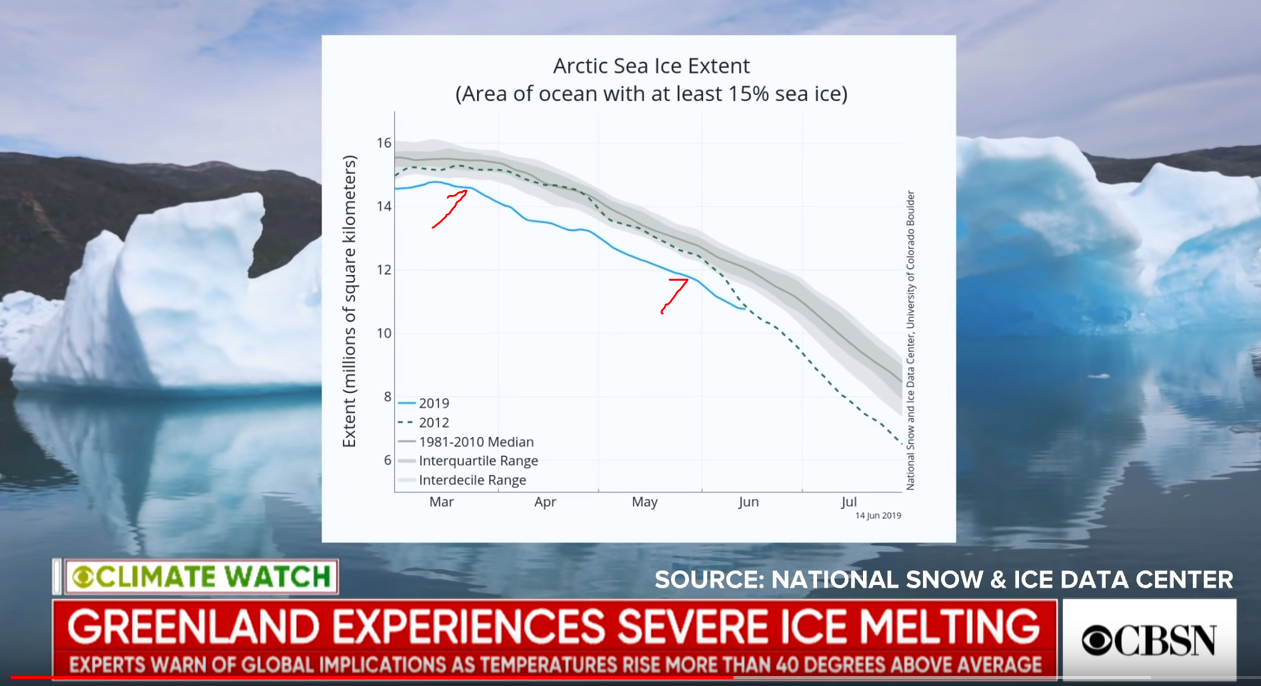
Greenland’s ice sheet is melting at record speed because rising atmospheric and ocean temperatures, amplified by albedo feedback and dynamic ice processes, accelerate loss, raising sea levels and reshaping ecosystems.
Quick Answer
Greenland’s ice loss is driven primarily by warming air and ocean waters that increase surface melt and melt from below, while darker melt‑water pools lower the surface albedo, creating a feedback loop that speeds further melting. Strong scientific consensus links this acceleration to human‑induced greenhouse‑gas emissions, which have warmed the Arctic roughly twice as fast as the global average. The most immediate implication is a contribution of several millimetres per year to global sea‑level rise, with long‑term risks for coastal communities worldwide. Uncertainty remains around the exact timing of potential tipping points in ice dynamics.
Key Takeaways
- Atmospheric and oceanic warming together drive the fastest recorded melt of the Greenland ice sheet.
- Albedo feedback – darker meltwater and exposed rock absorb more sunlight, amplifying melt.
- Satellite gravimetry (e.g., NASA GRACE) shows an average loss of ~3,800 Gt yr⁻¹ between 2010 and 2018.
- Continued loss could add up to 7 m to global sea level if the entire sheet melted.
- High‑confidence findings are supported by multiple independent observations; key uncertainties involve future ocean heat transport and ice‑sheet instability thresholds.
What Is Why Greenland’s Ice Is Melting at Record Speed?
The phrase describes the observed acceleration of mass loss from the Greenland Ice Sheet (GIS) that exceeds historical variability. The GIS covers about 1.71 million km² and stores roughly 2.9 million km³ of ice. “Record speed” refers to measured melt rates that have risen sharply since the early 2000s, as documented by satellite and in‑situ observations. This phenomenon matters because the GIS is the world’s second‑largest ice reservoir, and its rapid depletion directly influences global sea level, ocean circulation, and Arctic ecosystems.
How Does It Work?
1. Atmospheric Warming and Surface Melt
Rising greenhouse‑gas concentrations have increased average Arctic air temperatures. The Intergovernmental Panel on Climate Change (IPCC) reports that the Arctic is warming at nearly twice the global mean (IPCC AR6, 2021). Warmer air raises the surface energy balance, leading to more meltwater formation during the summer melt season.
2. Oceanic Heat Transport and Basal Melting
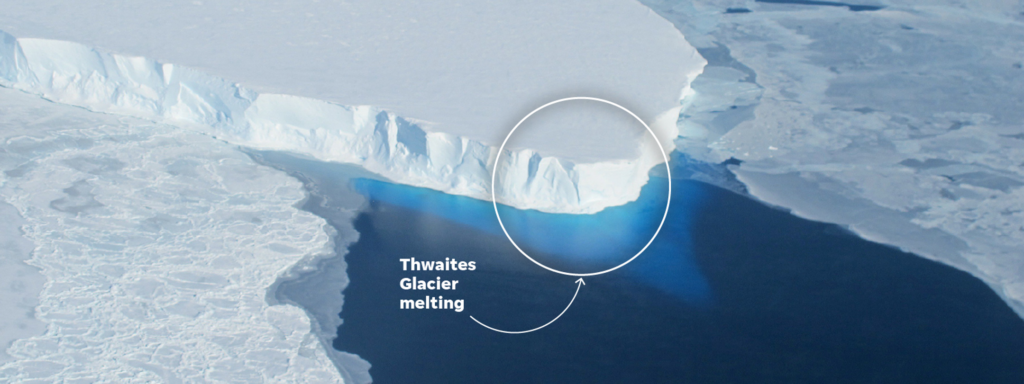
Warm Atlantic waters carried by the North Atlantic Current reach Greenland’s fjords. These waters erode glacier fronts from below, a process called submarine or basal melting. Observations from the European Space Agency’s CryoSat‑2 mission show accelerated retreat of tide‑water glaciers where warm water intrudes (ESA, 2020).
3. Albedo Feedback
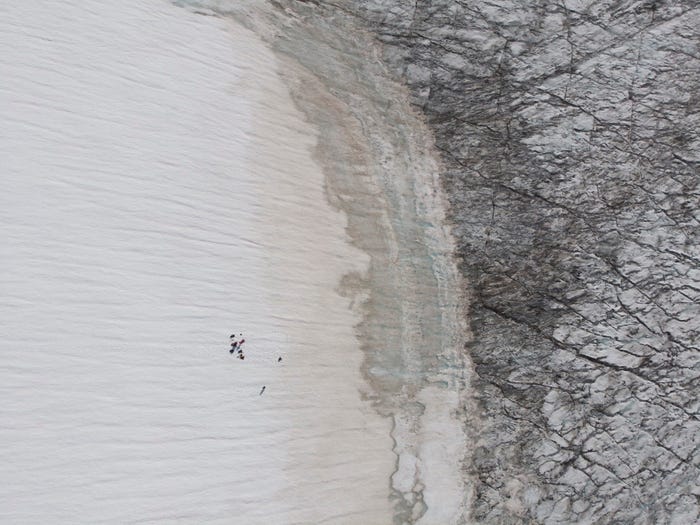
Fresh snow reflects >80 % of incoming solar radiation, but meltwater, exposed rock, and sea‑ice absorb up to 60 % (NASA, 2022). As melt expands, the surface albedo drops, increasing solar absorption and further accelerating melt – a positive feedback loop.
4. Ice‑Dynamics and Basal Sliding
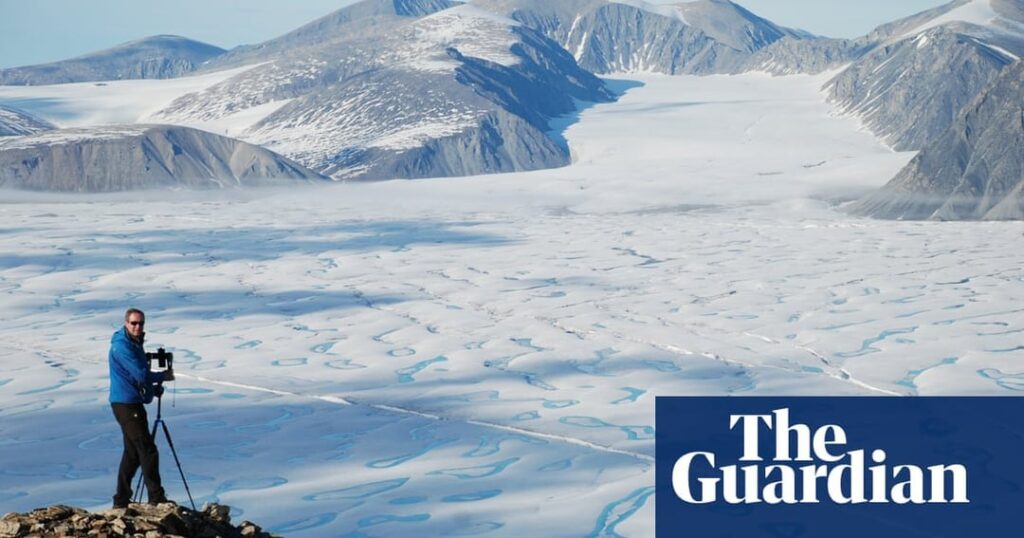
Surface meltwater can percolate through crevasses to the glacier base, lubricating the bed and increasing ice flow speed. This dynamic thinning has been recorded by GPS stations on outlet glaciers, showing speed‑up events linked to melt‑water input (NOAA, 2019).
5. Shifts in Precipitation
Warmer air holds more moisture, leading to a higher proportion of rain versus snow in the accumulation zone. Rain‑on‑snow events reduce surface albedo and add heat, while less snowfall diminishes the sheet’s ability to offset melt.
What Does the Evidence Show?
Long‑term satellite gravimetry (NASA GRACE, 2002‑2018) indicates an average loss of 3,800 gigatonnes per year, a threefold increase from the 1990s. Air‑borne laser altimetry (NASA ICESat‑2, 2018‑2022) confirms thinning of up to 15 m per year on fast‑flowing outlet glaciers. Ground‑based weather stations record a mean summer temperature rise of ~1.5 °C over the past three decades. Together, these independent data streams converge on the conclusion that Greenland’s ice loss is accelerating and is strongly linked to anthropogenic warming.
Main Causes or Drivers
Direct Human Influences
Burning of fossil fuels and deforestation have raised atmospheric CO₂ to >420 ppm (NOAA, 2023), driving global temperature rise.
Arctic Amplification
Loss of sea‑ice reduces regional albedo, further warming the Arctic atmosphere and ocean layers that interact with the GIS.
Ocean Heat Transport
Changes in the Atlantic Meridional Overturning Circulation have increased the flux of warm water toward Greenland’s western coast, intensifying submarine melt.
Surface Darkening
Deposition of soot and dust from distant wildfires or industrial sources lowers surface reflectivity, magnifying melt rates.
Hydrological Feedbacks
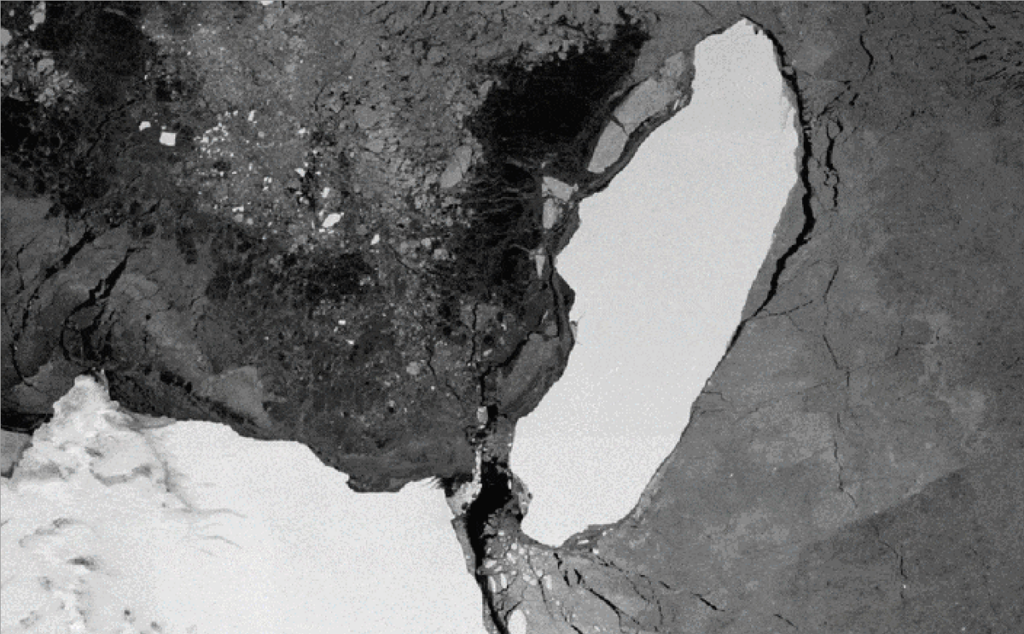
Increased meltwater runoff enhances basal lubrication, accelerating glacier flow and promoting calving of large icebergs.
Environmental and Human Impacts
Environmental Impacts
Accelerated melt contributes 0.7 mm yr⁻¹ to global sea‑level rise (IPCC AR6, 2021). Freshwater influx alters North Atlantic salinity, potentially influencing thermohaline circulation. Marine species that depend on cold, nutrient‑rich waters, such as Arctic cod and krill, face habitat loss.
Human Health and Social Impacts
Rising sea levels increase flood risk for low‑lying coastal cities, threatening housing, sanitation, and food security. Indigenous Greenlandic communities experience cultural disruption as hunting grounds shift.
Economic and Infrastructure Impacts
Coastal infrastructure worldwide faces higher adaptation costs. In Greenland, increased iceberg calving poses navigation hazards for shipping and tourism.
Regional Differences
The western coast, exposed to warm Atlantic inflow, shows the most rapid glacier retreat, while the high‑altitude interior experiences slower, elevation‑driven melt. Southern Greenland receives more precipitation, leading to a complex balance of accumulation versus melt. These patterns illustrate that local oceanography and topography modulate the overall trend.
What Scientists Know With High Confidence
- Greenland’s ice loss has accelerated since the early 2000s, as measured by multiple satellite missions.
- Atmospheric warming driven by anthropogenic greenhouse gases is the primary driver of increased surface melt.
- Warm Atlantic waters reach Greenland’s tide‑water glaciers and enhance basal melting.
- The albedo feedback amplifies melt once surface darkening begins.
- Continued loss will contribute measurably to global sea‑level rise.
What Remains Uncertain
Key uncertainties include the timing and magnitude of potential ice‑sheet instability thresholds, such as the “marine ice sheet instability” that could trigger rapid retreat of deep‑lying glaciers. The future trajectory of Atlantic heat transport and its variability under different climate scenarios also remains poorly constrained. Improved high‑resolution modeling and expanded ocean‑temperature observations are needed to narrow these gaps.
Common Misconceptions
Misconception: The melt is a short‑term weather event.
Reality: The observed acceleration spans multiple decades and aligns with long‑term climate trends, not isolated weather anomalies.
Misconception: Only surface melt matters.
Reality: Submarine melting and dynamic ice flow contribute substantially to mass loss, sometimes exceeding surface melt on tide‑water glaciers.
Misconception: Reducing local emissions in Greenland will stop the melt.
Reality: While local emissions affect nearby air quality, the dominant driver is global greenhouse‑gas concentrations; worldwide mitigation is required.
Solutions and Limitations
Mitigation strategies that limit global warming—rapid decarbonisation of energy systems, protection of carbon sinks, and phasing out coal—address the root cause of atmospheric warming. Adaptation measures, such as coastal defenses and managed retreat, reduce exposure to sea‑level rise but do not halt ice loss. Enhanced monitoring (satellite gravimetry, ocean profiling) improves early warning but cannot reverse physical processes. Geo‑engineering concepts (e.g., artificial brightening of ice) remain experimental, with unknown ecological side‑effects and high cost.
What Individuals, Communities, and Governments Can Do
What Individuals Can Do
Support policies that accelerate renewable‑energy adoption, reduce personal carbon footprints through energy efficiency, and vote for leaders committed to the Paris Agreement goals.
What Communities and Organizations Can Do
Invest in climate‑resilient infrastructure, participate in citizen‑science programs that monitor local temperature and melt patterns, and promote sustainable tourism that minimizes disturbance to glacial environments.
What Governments Can Do
Implement robust emissions‑reduction targets, fund high‑latitude research, enforce regulations that limit black‑carbon deposition on ice, and develop coastal‑zone adaptation plans informed by the latest sea‑level projections.
Closing Synthesis
Greenland’s ice is melting at record speed because a combination of atmospheric warming, oceanic heat intrusion, albedo loss, and dynamic ice‑flow processes reinforce each other. Multiple, independent lines of evidence confirm this acceleration and its link to human‑driven greenhouse‑gas emissions. While scientists are confident about the mechanisms and current trends, uncertainties about future instability thresholds persist. Effective responses require global mitigation of emissions, targeted adaptation for vulnerable regions, and sustained scientific monitoring. Individual actions matter when they contribute to broader systemic change, ensuring a more stable climate for Greenland’s ice and the world’s coastlines.
Frequently Asked Questions
What is causing Greenland’s ice to melt faster than before?
The accelerated melt is caused by a combination of rising atmospheric temperatures, warming Atlantic Ocean waters that melt glacier fronts from below, and a reduced surface albedo that amplifies solar heating. Human‑driven greenhouse‑gas emissions are the primary driver of these temperature increases.
How does the loss of Greenland’s ice affect global sea levels?
Greenland’s ice sheet holds enough water to raise global sea level by about seven metres if fully melted. Current loss rates add roughly 0.7 mm per year to sea level, increasing flood risk for coastal communities worldwide and contributing to long‑term shoreline erosion.
What evidence shows that Greenland’s ice loss is accelerating?
Satellite gravimetry from NASA’s GRACE mission (2010‑2018) records an average loss of 3,800 gigatonnes per year, a threefold increase from the 1990s. Laser altimetry (ICESat‑2) and GPS measurements also document rapid thinning and speed‑up of outlet glaciers.
Are there any solutions that can slow down the melting of Greenland’s ice sheet?
Reducing global greenhouse‑gas emissions is the most effective solution, as it limits further atmospheric and ocean warming. Complementary actions include protecting Arctic albedo by limiting black‑carbon deposition and expanding monitoring to improve early‑warning systems, though these alone cannot halt melt.
How can individuals contribute to reducing Greenland’s ice melt?
Individuals can lower their carbon footprints by using renewable energy, improving home energy efficiency, and supporting policies that aim for rapid decarbonisation. Collective consumer choices help drive market shifts toward cleaner technologies, supporting the broader mitigation effort.




Leave a Comment