
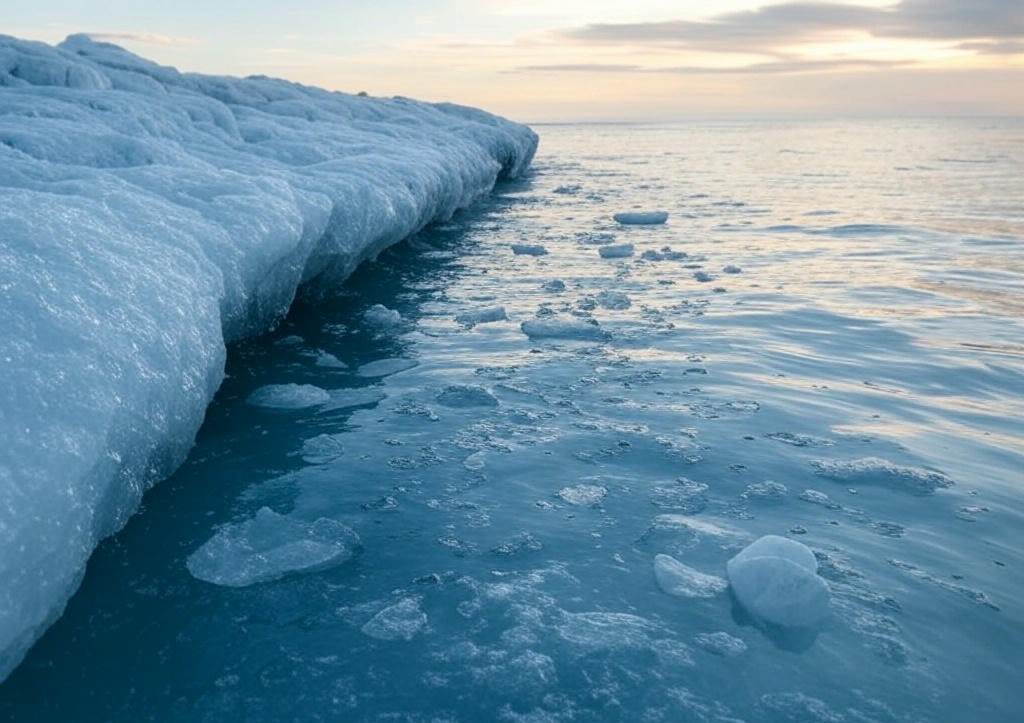
Glacier melt since 2000 has contributed almost 2 cm to global sea level, a process driven by warming temperatures, supported by long‑term observations, and affecting coastal societies worldwide.
Quick Answer
Glaciers store about 7 % of the world’s fresh water. As atmospheric temperatures rise, surface melt and iceberg calving increase, releasing water that ultimately joins the oceans. Independent satellite records and in‑situ measurements compiled by the Intergovernmental Panel on Climate Change (IPCC) and national agencies show that between 2000 and 2022 glaciers added roughly 1.9 cm (0.75 in) to global mean sea level. This contribution is modest compared with thermal expansion and ice‑sheet loss, but it is a clear indicator of ongoing cryospheric change and adds to coastal flood risk. The estimate carries moderate uncertainty because of limited data in remote mountain ranges.
Key Takeaways
- Glaciers contributed ~1.9 cm to sea‑level rise from 2000‑2022, based on satellite gravimetry and glacier inventories.
- Warming air temperatures increase surface melt and accelerate iceberg calving, the primary mechanisms behind the water loss.
- Sea‑level rise combines glacier melt, thermal expansion, and ice‑sheet loss; glaciers account for about 5‑10 % of the total recent rise.
- Impacts are uneven: low‑lying islands, deltas, and Arctic communities face the greatest exposure.
- Mitigation (reducing greenhouse gases) and adaptation (coastal planning, early‑warning systems) are both needed, but each has limits.
What Is How Glacier Melt Has Already Added Nearly 2 cm to Sea Levels?
The phrase describes the measured increase in global mean sea level that can be directly linked to the loss of water from mountain glaciers and small ice caps since the beginning of the twenty‑first century. It does not include melt from the Greenland or Antarctic ice sheets, nor does it count the expansion of seawater as it warms. The focus is on the “glacier contribution” as quantified by peer‑reviewed assessments and satellite‑based mass‑balance studies.
How Does It Work?
Glacier melt contributes to sea level through two linked processes:
- Surface melt. Warmer air raises the energy balance at the ice surface, causing snow and ice to melt into liquid water that either runs off directly into rivers or percolates through the glacier and exits at the terminus.
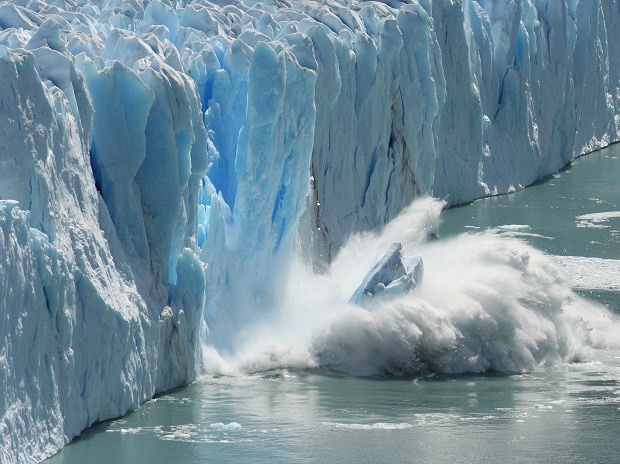
- Iceberg calving. In temperate and tide‑water glaciers, the ice front breaks off as icebergs. Once afloat, the iceberg displaces its own volume of seawater; when it eventually melts, its mass adds permanently to the ocean.
Both pathways move water from the solid phase on land to the liquid phase in the ocean, raising the global average sea level. The rate of loss depends on local climate (temperature, precipitation), glacier geometry, and the presence of debris that can insulate ice.
Feedbacks that Accelerate Melt
- Albedo reduction. As snow melts, darker ice or exposed rock absorbs more sunlight, further increasing melt rates.
- Elevation lowering. Retreating glaciers expose lower‑altitude ice, which experiences warmer temperatures.
- Hydrological feedback. Meltwater can percolate to the glacier base, lubricating its slide over bedrock and speeding up flow toward the terminus.
What Does the Evidence Show?
Multiple, independent lines of evidence converge on the ~2 cm figure:
- Satellite gravimetry. The Gravity Recovery and Climate Experiment (GRACE) mission, analysed by NASA and the European Space Agency, records a net loss of about 260 Gt (gigatonnes) of glacier ice per year from 2003‑2019, equivalent to ~0.75 mm of sea‑level rise per year.
- Glacier inventories. The World Glacier Monitoring Service (WGMS) maintains a global glacier database. Their 2023 synthesis reports a cumulative mass loss of 4 500 Gt from 2000‑2022, matching the satellite estimate.
- Regional field campaigns. In the Himalayas, the Indian Institute of Remote Sensing measured a 0.3 m water‑equivalent loss per decade in the Gangotri basin, supporting the global average.
- IPCC assessment. The Sixth Assessment Report (AR6, 2021) attributes 0.5‑1.0 mm yr⁻¹ of sea‑level rise to glacier melt for the 2000‑2019 period, consistent with the ~2 cm total.
These sources differ in methodology—gravity changes, direct mass balance, and regional monitoring—but all point to a modest yet measurable glacier contribution.
Main Causes or Drivers
Direct Causes
- Rising mean annual air temperature in glacierized regions (global mean +0.2 °C dec⁻¹ since 1980).
- Increased frequency of warm, rain‑on‑snow events that accelerate melt.
Underlying Drivers
- Anthropogenic greenhouse‑gas emissions that trap infrared radiation, documented by the IPCC.
- Land‑use change that modifies local albedo, indirectly influencing regional climate.
Amplifying Factors
- Black carbon deposition on glacier surfaces, which lowers albedo and speeds melt.
- Glacier thinning that reduces structural stability, leading to more calving.
Environmental and Human Impacts
Environmental Impacts
- Higher sea level increases coastal erosion, saltwater intrusion into freshwater aquifers, and loss of intertidal habitats.
- Glacier retreat reduces the seasonal storage of freshwater, affecting downstream ecosystems that rely on meltwater timing.
Human Health and Social Impacts
- Coastal communities face greater flood risk, which can displace populations and strain public‑health resources.
- Indigenous peoples in the Arctic lose traditional hunting routes as sea ice recedes, affecting cultural practices and food security.
Economic and Infrastructure Impacts
- Ports, roadways, and wastewater treatment plants built at historic sea levels may require costly retrofits or relocation.
- Tourism that depends on glacier landscapes (e.g., trekking in the Andes) suffers as iconic ice features disappear.
Regional Differences
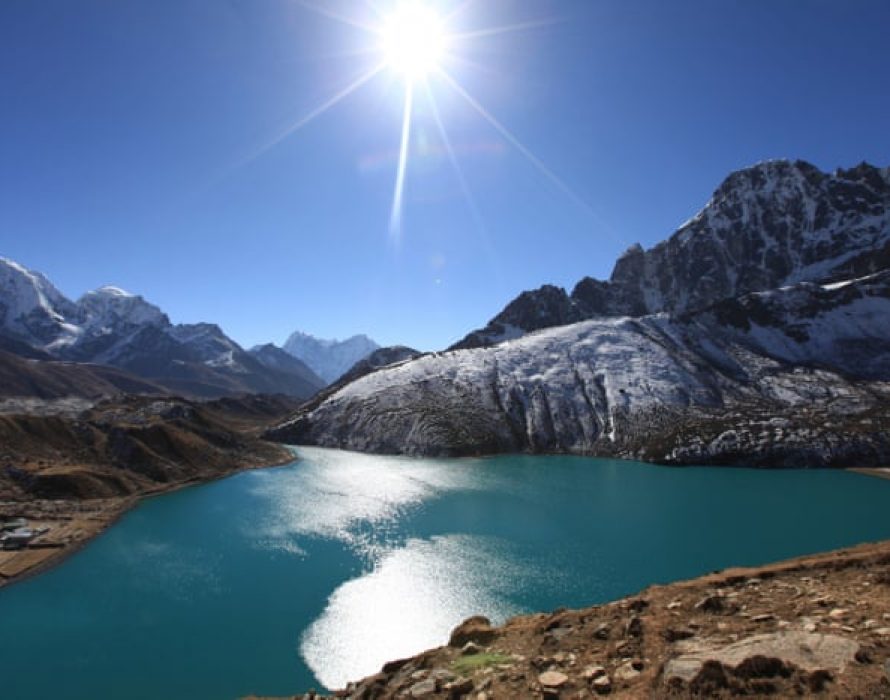
Glacier melt is not uniform worldwide. In the Himalayas, rapid retreat of the “Third Pole” glaciers threatens water supplies for over a billion people downstream. In the Andes, accelerated melt has already altered the flow regime of the Rio Santa, affecting agriculture in Peru’s coastal valleys. By contrast, many European alpine glaciers have shrunk dramatically, but their contribution to sea level is small because of their limited volume. Arctic tide‑water glaciers, such as those draining into the Greenland Sea, contribute more per unit area because calving directly adds icebergs to the ocean.
What Scientists Know With High Confidence
- Global mean surface temperature has risen by about 1.1 °C since pre‑industrial times, driving glacier melt.
- Satellite and ground‑based observations consistently show a net loss of glacier mass since the early 2000s.
- Glacier melt contributes roughly 5‑10 % of total sea‑level rise observed over the past two decades.
- The basic physics of melt (energy balance) and calving are well understood and reproduced in climate models.
What Remains Uncertain
Key knowledge gaps include the exact contribution of small, remote glaciers in the High Mountains of Central Asia, where monitoring is sparse; the future response of debris‑covered glaciers, which may melt slower but are poorly represented in models; and the potential for nonlinear acceleration if warming exceeds certain thresholds. Improved satellite coverage and expanded field campaigns are expected to reduce these uncertainties over the next decade.
Common Misconceptions
Misconception: Glacier melt alone will cause catastrophic sea‑level rise within a decade.
Reality: Glaciers account for a small fraction of total sea‑level rise. The dominant drivers are thermal expansion and loss from the Greenland and Antarctic ice sheets, which operate on longer timescales.
Misconception: All glaciers are melting at the same rate.
Reality: Melt rates vary widely with local climate, altitude, and glacier type. Some high‑latitude, high‑altitude glaciers have shown periods of stability or even modest growth.
Misconception: The 2 cm figure is a one‑time event.
Reality: The 1.9 cm contribution is cumulative for the period 2000‑2022; if warming continues, the glacier contribution will keep adding to sea level each year.
Solutions and Limitations
Addressing glacier‑driven sea‑level rise requires both mitigation of the root cause—global warming—and adaptation to its consequences.
- Mitigation. Rapid decarbonisation of energy systems, as outlined in the IPCC’s Net‑Zero pathways, would limit further temperature rise and therefore slow glacier melt. However, even with aggressive mitigation, glaciers will continue to lose mass for decades due to inertia.
- Adaptation. Coastal flood‑defence upgrades, managed retreat, and early‑warning systems can reduce vulnerability. These measures can be costly and may not be feasible for low‑income island nations.
- Monitoring and research. Expanding satellite missions (e.g., GRACE‑FO) and installing more in‑situ stake networks improve early detection of rapid changes, enabling better planning.
What Individuals, Communities, and Governments Can Do
What Individuals Can Do
- Support policies that accelerate the transition to renewable energy and improve energy efficiency.
- Reduce personal carbon footprints through low‑carbon travel, diet choices, and responsible consumption.
- Participate in citizen‑science projects that monitor local glacier changes, such as uploading photographs to the Glacier Monitoring Network.
What Communities and Organizations Can Do
- Develop local climate‑risk assessments that incorporate projected sea‑level rise, including the glacier component.
- Invest in nature‑based coastal protection, such as mangrove restoration, which buffers wave energy.
- Educate residents about water‑security links between mountain glaciers and downstream supply.
What Governments Can Do
- Implement and strengthen nationally determined contributions (NDCs) that target net‑zero emissions by mid‑century.
- Fund long‑term glacier monitoring programs and share data openly.
- Integrate glacier‑melt contributions into national sea‑level rise adaptation plans, ensuring that infrastructure standards reflect the latest projections.
Synthesizing the Evidence
Glacier melt has already added nearly 2 cm to global sea level, a figure backed by satellite gravimetry, glacier inventories, and field studies. The process is driven by rising temperatures, albedo loss, and enhanced calving, and it contributes a measurable but secondary share of total sea‑level rise. Impacts are most acute for low‑lying coastal zones and for societies that depend on glacier‑fed rivers. Scientists are confident about the basic mechanisms and the magnitude of recent loss, yet uncertainties remain regarding remote mountain glaciers and future non‑linear responses. Effective action combines rapid greenhouse‑gas mitigation with targeted adaptation and robust monitoring. While individuals cannot stop glacier melt alone, their collective choices can shape the emissions trajectory that determines how much more ice will be lost in the coming decades.
Frequently Asked Questions
How much have glaciers contributed to sea‑level rise since the year 2000?
Glaciers have contributed roughly 1.9 cm (about 0.75 in) to global mean sea level between 2000 and 2022, according to satellite gravimetry and glacier inventory studies.
What are the main physical processes that turn glacier ice into ocean water?
The two main processes are surface melt, where warm air melts snow and ice into runoff, and iceberg calving, where chunks break off and eventually melt, adding their mass to the ocean.
Why do glacier contributions to sea level matter if they are only a few percent of the total rise?
Glacier melt is a clear indicator of cryospheric response to warming, and its contribution adds to overall sea‑level rise, increasing flood risk for low‑lying areas and affecting water resources downstream.
Which regions are most vulnerable to the impacts of glacier‑driven sea‑level rise?
Small island states, river deltas, and Arctic coastal communities face the greatest exposure because even modest sea‑level increases can cause flooding, saltwater intrusion, and loss of traditional hunting routes.
What actions can governments take to address glacier‑related sea‑level rise?
Governments can strengthen climate‑mitigation pledges, fund long‑term glacier monitoring, and incorporate glacier‑derived sea‑level projections into coastal adaptation plans and infrastructure standards.




Leave a Comment