
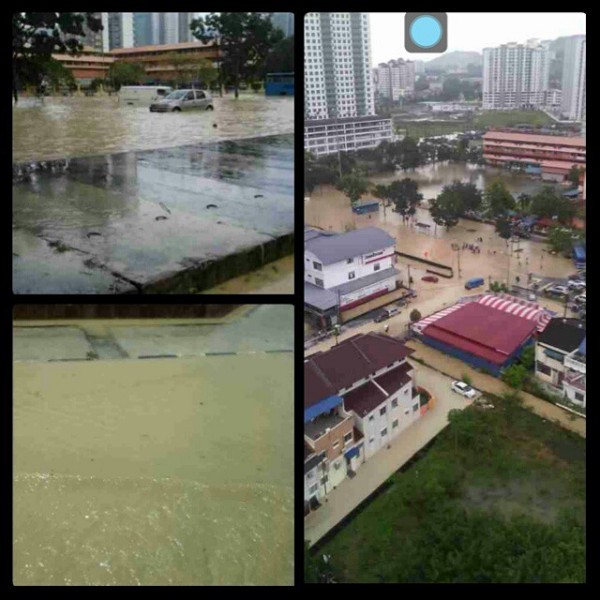
The greenhouse effect, a natural warming process, is amplified by human‑generated greenhouse gases, accelerating global climate change and reshaping ecosystems, weather, and societies.
Quick Answer
The greenhouse effect is the trapping of infrared radiation by atmospheric gases such as carbon dioxide, methane, and nitrous oxide; human activities have increased the concentration of these gases, strengthening the effect and raising Earth’s average surface temperature. Strong scientific consensus, based on long‑term observations and model simulations, shows that this amplified warming drives sea‑level rise, more extreme weather, and widespread ecological stress. While the basic physics are well understood, uncertainties remain about the magnitude of feedbacks and regional climate responses.
Key Takeaways
- The natural greenhouse effect keeps Earth habitable, but excess greenhouse gases intensify warming.
- Carbon dioxide persists for centuries, while methane is over 25 times more potent over a 100‑year horizon.
- Enhanced warming is linked to rising sea levels, more frequent heatwaves, and stronger storms.
- High‑confidence findings include observed global temperature rise and the dominant role of human emissions.
- Key uncertainties involve cloud feedbacks, permafrost carbon release, and precise regional climate shifts.
What Is How the Greenhouse Effect Accelerates Climate Change?
The phrase describes the process by which anthropogenic increases in greenhouse gas (GHG) concentrations intensify the natural greenhouse effect, leading to a faster rate of climate change than would occur under pre‑industrial conditions. It encompasses the physics of radiative forcing, the chemistry of GHGs, and the ecological and societal consequences of a warming planet. Unlike short‑term weather variations, this acceleration is measured over decades to centuries and is driven primarily by fossil‑fuel combustion, land‑use change, and agricultural practices.
How Does It Work?
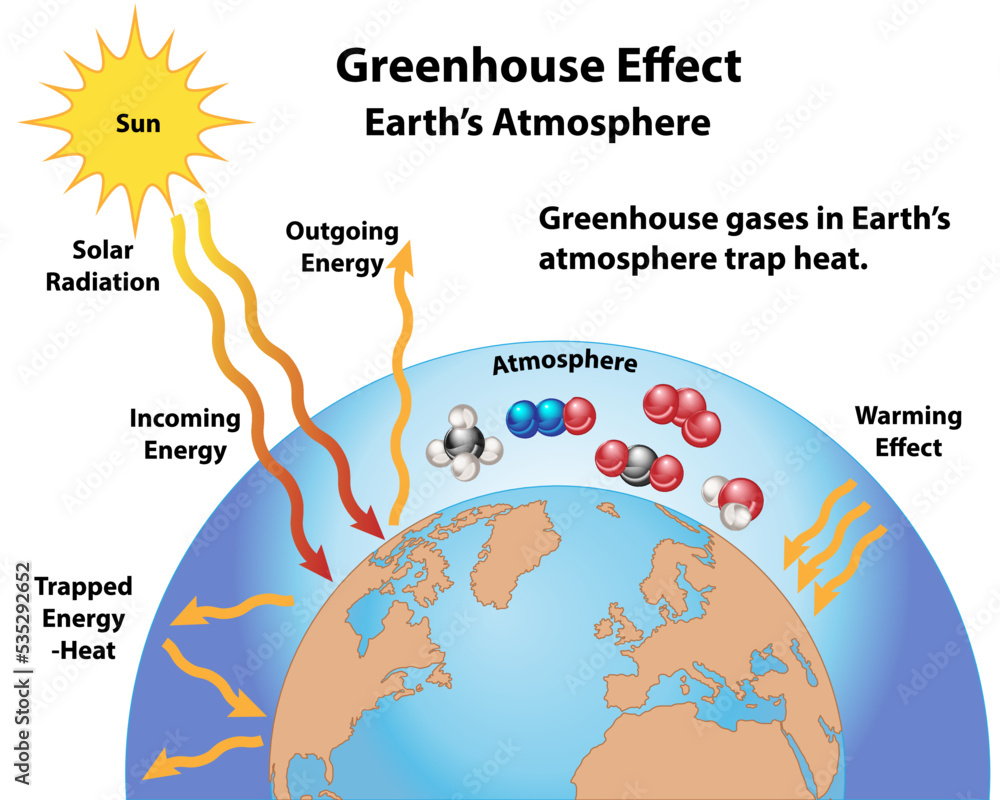
1. Solar radiation reaches the Earth’s surface
Sunlight (short‑wave radiation) passes through the atmosphere and is absorbed by land, oceans, and vegetation, warming them.
2. Surface emits infrared (long‑wave) radiation
Warm surfaces re‑radiate energy as infrared light. Greenhouse gases absorb a portion of this outgoing radiation and re‑emit it in all directions, including back toward the surface, creating a net warming effect.
3. Human activities add more greenhouse gases
Since the industrial revolution, atmospheric CO₂ has risen from ~280 ppm to over 420 ppm (2023), methane from ~750 ppb to about 1,900 ppb, and nitrous oxide from ~270 ppb to 335 ppb (IPCC, 2021). These increases raise the atmospheric optical thickness, enhancing radiative forcing.
4. Positive feedbacks amplify warming
Warming triggers feedbacks such as reduced sea‑ice albedo, increased water‑vapour (itself a potent GHG), and thawing permafrost that releases additional CO₂ and CH₄. These feedbacks can accelerate temperature rise beyond the direct effect of emissions alone.
5. Climate system response
The extra energy alters atmospheric circulation, ocean heat uptake, and cryosphere stability, leading to observable changes in temperature, precipitation, and extreme‑event frequency.
What Does the Evidence Show?
Multiple, independent lines of evidence confirm the enhanced greenhouse effect:
- Instrumental temperature records: Global mean surface temperature increased by ~1.1 °C since 1850 (NOAA, 2023).
- Atmospheric composition: Direct measurements from Mauna Loa and satellite retrievals document steady rises in CO₂, CH₄, and N₂O.
- Energy‑budget analyses: The Earth’s energy imbalance, measured by ocean heat content, shows a net gain of ~0.6 W m⁻², consistent with increased radiative forcing.
- Attribution studies: Detection‑and‑attribution research attributes >95 % of observed warming since the mid‑20th century to human GHG emissions.
- Paleoclimate reconstructions: Ice‑core and sediment records reveal that current CO₂ levels are unprecedented in the past 800,000 years.
Main Causes or Drivers
Direct causes
- Combustion of coal, oil, and natural gas for electricity, transport, and industry.
- Deforestation and land‑use change that reduce carbon uptake.
- Agricultural emissions of methane (enteric fermentation, rice paddies) and nitrous oxide (fertilizer use).
Underlying drivers
- Economic growth and rising energy demand.
- Population increase and urban expansion.
- Policy frameworks that have historically favored fossil‑fuel subsidies.
Environmental and Human Impacts
Environmental Impacts
- Sea‑level rise: Thermal expansion and ice‑sheet loss have contributed ~20 cm of global sea‑level rise since 1900 (IPCC, 2021).
- Extreme weather: Higher sea‑surface temperatures intensify tropical cyclones; heat‑wave frequency has doubled in many mid‑latitude regions.
- Ecosystem disruption: Shifts in phenology, coral‑bleaching events, and poleward migration of species are documented across biomes.
Human Health and Social Impacts
- Heat stress increases mortality risk, especially for older adults and outdoor workers.
- Changes in vector‑borne disease patterns (e.g., malaria) are linked to expanding suitable habitats for mosquitoes.
- Food security is threatened by altered crop yields; staple crops such as wheat may see yield reductions of 6 % per °C of warming.
Economic and Infrastructure Impacts
- Coastal flooding raises repair costs and can displace low‑lying communities.
- Insurance premiums rise in regions with heightened storm risk.
- Productivity losses arise from climate‑related disruptions to supply chains.
Regional Differences
Impacts vary widely:
- Arctic: Amplified warming (approximately twice the global mean) accelerates permafrost thaw and sea‑ice loss.
- Tropical islands: Small land area and low elevation make them highly vulnerable to sea‑level rise and storm surge.
- Sub‑Saharan Africa: Projected temperature increases combine with water‑stress to exacerbate food insecurity.
- High‑income temperate zones: Greater adaptive capacity can mitigate impacts, but infrastructure aging can increase exposure.
What Scientists Know With High Confidence
- Atmospheric concentrations of CO₂, CH₄, and N₂O have risen sharply due to human activities.
- The enhanced greenhouse effect is the dominant driver of global surface‑temperature increase since the mid‑20th century.
- Observed warming aligns with physical models that include anthropogenic forcing.
- Sea‑level rise and increased frequency of heatwaves are already measurable consequences of the enhanced greenhouse effect.
What Remains Uncertain
Key gaps include the magnitude of cloud feedbacks, the rate at which permafrost carbon will be released, and precise regional precipitation changes under different emission scenarios. These uncertainties stem from limited observational records, model resolution constraints, and complex interactions among atmospheric, oceanic, and terrestrial systems. Ongoing satellite missions and expanded climate‑model intercomparison projects aim to narrow these knowledge gaps.
Common Misconceptions
Misconception: The greenhouse effect is a modern invention.
Reality: The greenhouse effect was first described in the 19th century; it is a natural process that keeps Earth ~33 °C warmer than it would be without atmospheric gases.
Misconception: Only carbon dioxide matters.
Reality: While CO₂ is the most abundant long‑lived GHG, methane and nitrous oxide have much higher global warming potentials over short timeframes and contribute significantly to warming.
Misconception: Weather events prove climate change.
Reality: Individual weather events cannot be directly attributed to climate change, but statistical increases in the frequency and intensity of certain extremes are consistent with a warming climate.
Solutions and Limitations
Effective responses combine mitigation (reducing GHG emissions) and adaptation (reducing vulnerability). Major strategies include:
- Renewable energy transition: Solar, wind, and hydro reduce reliance on fossil fuels, but intermittent supply requires grid upgrades and storage solutions.
- Energy efficiency: Improving building insulation and industrial processes cuts emissions at low cost, yet implementation varies across economies.
- Reforestation and avoided deforestation: Restoring forest cover enhances carbon sequestration, but land‑use competition and permanence concerns limit impact.
- Carbon capture and storage (CCS): Directly removes CO₂ from point sources; however, high capital costs and limited deployment hinder large‑scale use.
- Climate‑resilient agriculture: Practices such as agroforestry and precision irrigation reduce emissions and improve water use, yet adoption depends on farmer access to technology and finance.
Each solution carries trade‑offs: renewable expansion may affect land use; CCS requires energy input; reforestation can conflict with food production. No single measure can fully offset the enhanced greenhouse effect; a portfolio approach is essential.
What Individuals, Communities, and Governments Can Do
What Individuals Can Do
- Reduce personal energy consumption (e.g., efficient appliances, home insulation).
- Choose low‑carbon transportation options such as public transit, walking, or electric vehicles when feasible.
- Support policies and companies that prioritize renewable energy and climate‑smart practices.
What Communities and Organizations Can Do
- Implement local renewable projects (community solar, wind cooperatives).
- Adopt green building standards for new construction and retrofits.
- Develop climate‑action plans that address local vulnerabilities and equity considerations.
What Governments Can Do
- Set ambitious, science‑based emissions targets consistent with the Paris Agreement.
- Phase out fossil‑fuel subsidies and incentivize clean‑energy investments.
- Invest in climate‑resilient infrastructure (flood defenses, heat‑wave shelters) and early‑warning systems.
Synthesis
The greenhouse effect is a fundamental planetary process; human‑induced increases in greenhouse gases have amplified it, accelerating climate change at a pace unprecedented in the geological record. Robust evidence from temperature records, atmospheric measurements, and climate‑model attribution confirms this link, while high‑confidence findings underscore the reality of warming, sea‑level rise, and extreme‑weather trends. Uncertainties remain around feedback mechanisms and regional projections, guiding ongoing research. Mitigation and adaptation strategies—ranging from renewable energy deployment to ecosystem restoration—offer pathways to limit further acceleration, but each carries practical limits. Collective action across individuals, communities, and governments, grounded in the strongest scientific knowledge, is essential to slow the enhanced greenhouse effect and safeguard ecosystems and societies for future generations.
Frequently Asked Questions
What is the greenhouse effect and why is it important?
The greenhouse effect is the process by which atmospheric gases trap infrared radiation, keeping Earth about 33 °C warmer than it would be without them; it is essential for life but becomes problematic when human activities add excess gases, leading to accelerated warming.
How do carbon dioxide and methane differ in their climate impact?
Carbon dioxide stays in the atmosphere for centuries and drives long‑term warming, while methane is over 25 times more potent than CO₂ over a 100‑year horizon but lasts only about a decade, making both crucial but in different ways.
What evidence shows that human activities are enhancing the greenhouse effect?
Instrumental temperature records, direct atmospheric measurements of CO₂, CH₄, and N₂O, energy‑budget analyses, and detection‑and‑attribution studies all consistently indicate that observed warming since the mid‑20th century is primarily due to anthropogenic emissions.
Which regions are most vulnerable to the accelerated climate change caused by the enhanced greenhouse effect?
The Arctic experiences amplified warming and permafrost thaw, tropical islands face sea‑level rise and storm surge, sub‑Saharan Africa confronts heat‑stress and water scarcity, while high‑income temperate zones have greater adaptive capacity but still face infrastructure risks.
What actions can governments take to limit the accelerated greenhouse effect?
Governments can set science‑based emissions targets, phase out fossil‑fuel subsidies, invest in renewable energy and climate‑resilient infrastructure, and develop policies that encourage energy efficiency and nature‑based carbon sequestration.






Leave a Comment