
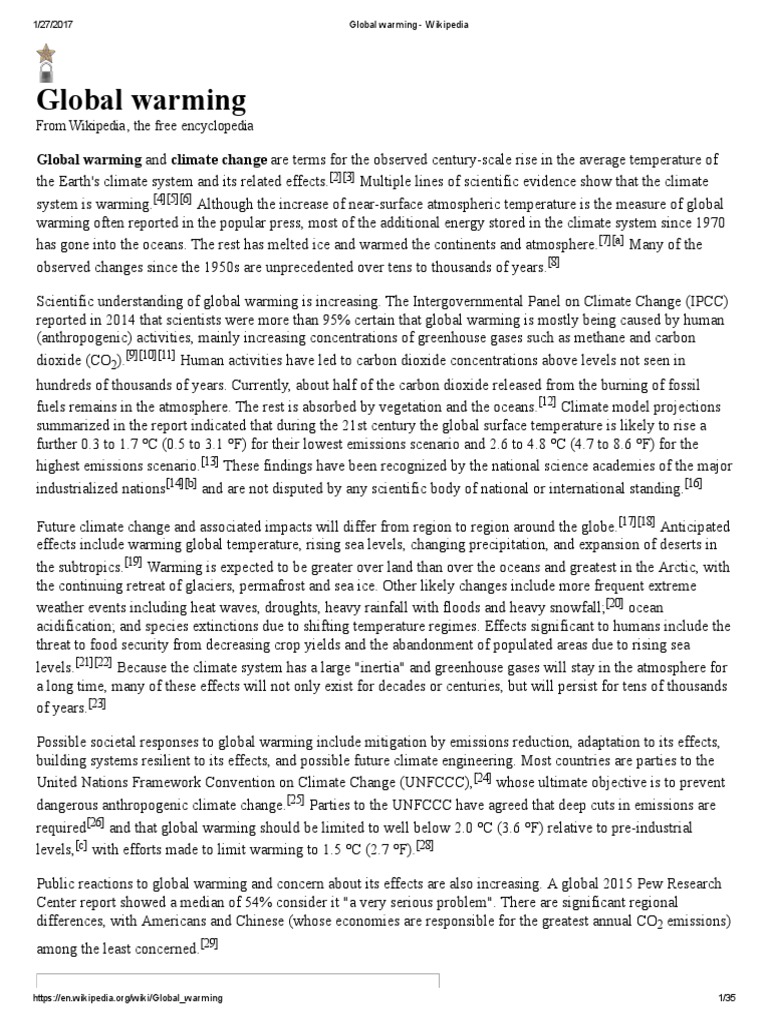
The term “global warming” hath transcended its mere lexical composition to become an emblematic descriptor of one of humanity’s paramount existential quandaries. It conveys not only the phenomenon of rising average temperatures but also encapsulates the complex interplay of climatic, environmental, and sociopolitical factors. To comprehend why it is termed “global warming,” one must traverse the historical utilization and evolution of the phrase, its scientific implications, and the inherent nuances that accompany its usage in contemporary discourse.
The origins of the term can be traced back to the late 20th century, where increasing scientific scrutiny began to unveil the disparate effects of human activities on the planet’s climate system. The phrase emerged as climatologists sought a pragmatic nomenclature for the observed progressive elevation in global temperatures, primarily attributed to the greenhouse gas emissions stemming from industrialization, deforestation, and excessive combustion of fossil fuels. This epoch marked a watershed moment, as it fused scientific inquiry with a burgeoning environmental consciousness that echoed through various sectors of society.
Initially, climate change was characterized by the more general term “global climate change.” However, as empirical data began to coalesce, illustrating a distinct and pronounced warming trend, the term “global warming” became the preferred lexicon. This pivot in nomenclature was particularly effective; it strikingly conjured imagery of a planet incrementally heating, evoking a visceral reaction from the public and policymakers alike. The evocative nature of the term rendered it an apt vehicle for advocacy, as it encapsulated not only the scientific reality but also the looming specter of ecological catastrophe.
Furthermore, the term “global warming” connotes a sense of urgency — it implies that the warming is not an isolated event but rather a ubiquitous, systemic phenomenon. The very notion of “global” intimates a planet-wide impact, suggesting an interconnected network of climatic consequences that transcend geographical boundaries. This fundamental idea underscores the persistent reality that rising temperatures have cascading effects on weather patterns, sea levels, and biodiversity, thereby fostering a narrative of both alarm and necessity for collective action.
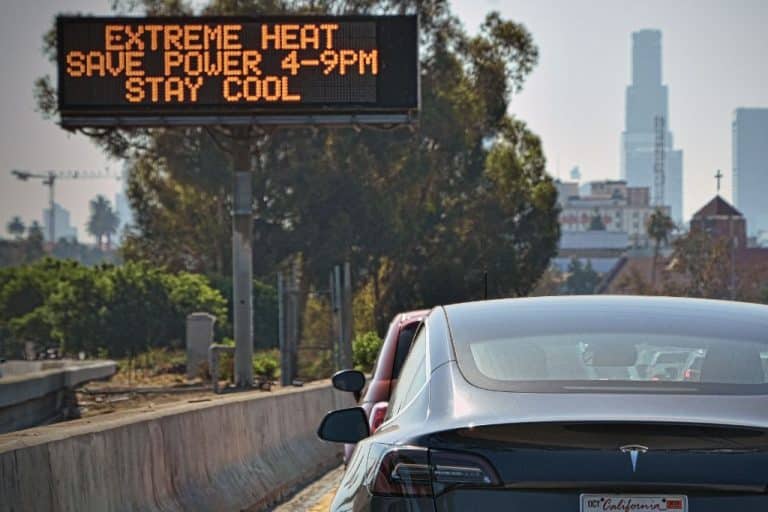
Despite its somewhat simplistic construction, the phrase is laden with complexities. Critics often decry the term “global warming” for inadequately encapsulating the multifaceted nature of climate phenomena. They argue that it fails to convey the broader implications inherent in climate change, such as extreme weather events, ocean acidification, and the gradual retreat of polar ice caps. This critique catalyzed the rise of alternative terminology, such as “climate disruption” or “climate crisis,” which aim to paint a more comprehensive picture of humanity’s precarious relationship with its environment.
This contention has sparked a richer dialogue within scientific and environmental circles. Vocal proponents of the term “global warming” assert that its simplicity aids in public understanding, facilitating easier communication of complex issues to a lay audience. In contrast, opponents posit that more nuanced terminology may evoke a deeper recognition of the interrelated ecological crises besieging our planet, urging a reexamination of conventional frameworks of understanding climate impacts.
The semantic debate carries implications beyond mere nomenclature; it extends into the realm of public policy and environmental advocacy. The adoption of certain terms carries with it a degree of influence that can dictate the trajectory of environmental action. “Global warming” has historically catalyzed legislative discussions, spurred research into renewable technologies, and galvanized grassroots movements aimed at both awareness and mitigation strategies. The term’s emotive power resonates, perhaps even compelling the indifferent to engage with the stark realities of climate science.
Moreover, the refrain of “global warming” has become entrenched in the lexicon of socioeconomic discourse. As nations grapple with the influences of climate change on agriculture, infrastructure, and health, the term has evolved to symbolize not only environmental degradation but also social inequities. It has led to the recognition that those least responsible for emissions often bear the brunt of its effects, thereby entwining the issues of climate justice and socio-economic disparities as part of the larger narrative.
On a global scale, the ramifications of global warming are manifold. From melting glaciers to shifting ecosystems, the planet’s natural systems are transforming, triggering extinctions and altering habitats. Species are experiencing unprecedented challenges as their environments become inhospitable. Consequently, the intricate fabric of biodiversity is strained, compelling scientists and environmentalists to advocate for urgent conservation efforts and sustainable practices.
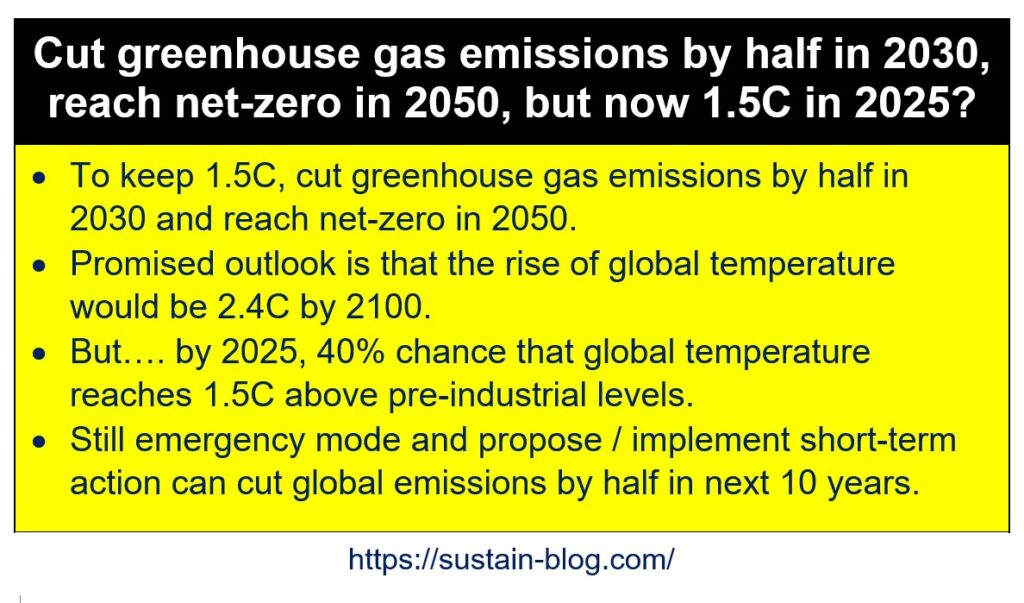
As one navigates through the implications of global warming, it becomes evident that the scenario is far more convoluted than a gradual increase in temperature. The term has galvanized international discourse and underscored the fundamental interconnections between industry, technology, and the delicate echelons of natural ecosystems. It invites discussions about responsibility — who is accountable for mitigating these changes, and how to effectively mobilize collective action in the face of such an impending existential threat.
To conclude, the term “global warming” is a powerful term that embodies both a scientific phenomenon and a rallying cry for climate action. It serves as a reminder of the consequential effects of humanity’s relationship with the earth, pushing us toward a reckoning with our environmental legacy. Reflecting on the evolution of the phrase, one recognizes that it carries with it a profound obligation: to confront the challenges of climate change head-on and to forge a sustainable path for the generations yet unborn.






Leave a Comment