
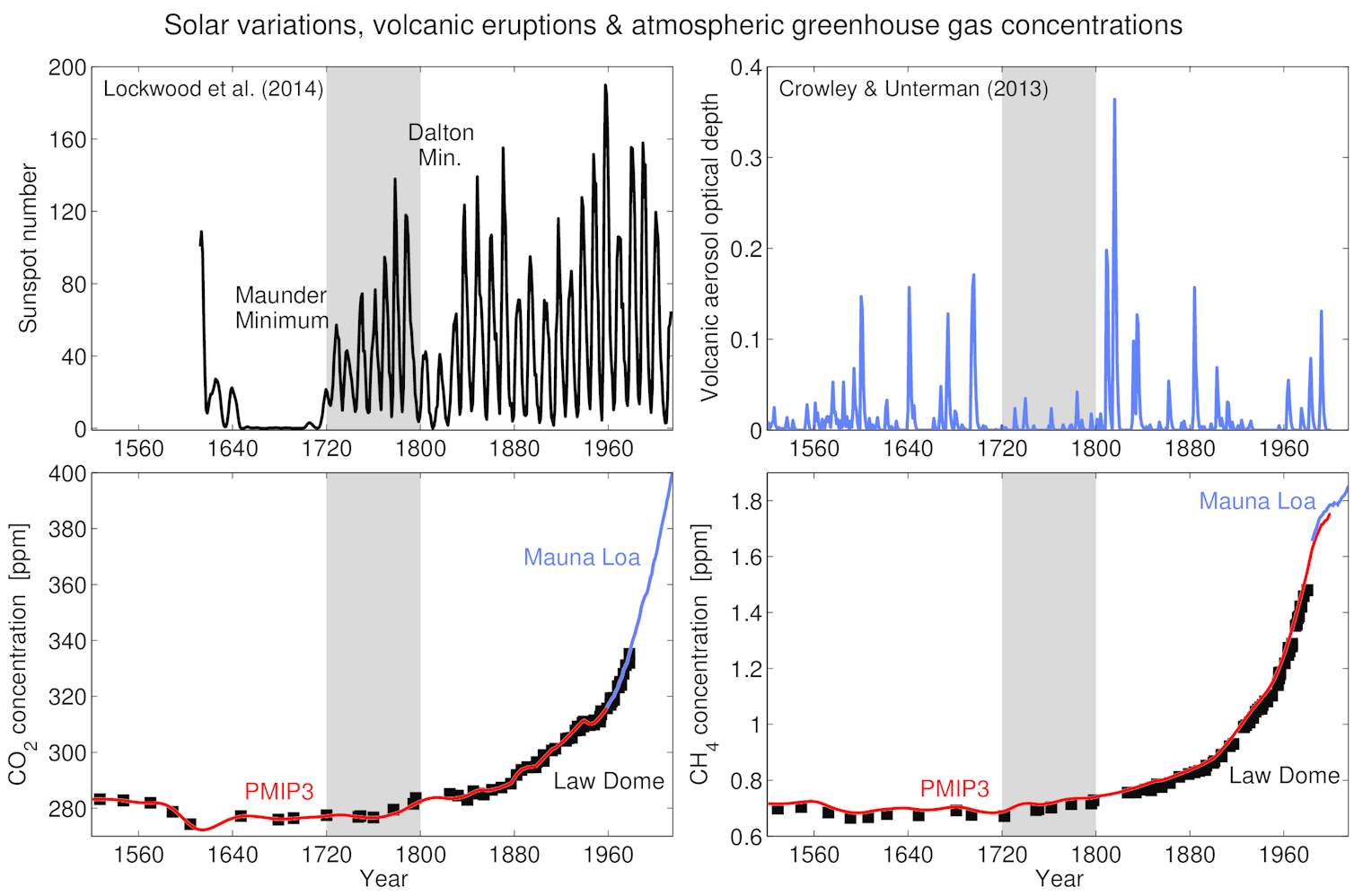
Pre‑industrial levels refer to the atmospheric concentrations of greenhouse gases and global temperature baseline that existed before large‑scale industrial activity, providing a benchmark for climate targets and policy.
Quick Answer
In climate science, “pre‑industrial levels” denote the concentrations of carbon dioxide, methane, and other greenhouse gases, as well as the global mean temperature, that prevailed before the widespread use of fossil fuels in the late 18th century. These levels are derived from ice‑core records and early instrumental data, showing CO₂ around 280 ppm and a temperature roughly 0.5 °C cooler than the 2010‑2020 average. The consensus, expressed in the IPCC assessments, is that staying within 1.5 °C–2 °C of this baseline limits the most severe climate impacts, although uncertainties remain about regional tipping points and feedback strength.
Key Takeaways
- Pre‑industrial CO₂ concentrations were about 280 ppm; today they exceed 420 ppm (2023 measurement).
- The baseline temperature is roughly 0.5 °C lower than the 2010‑2020 global mean.
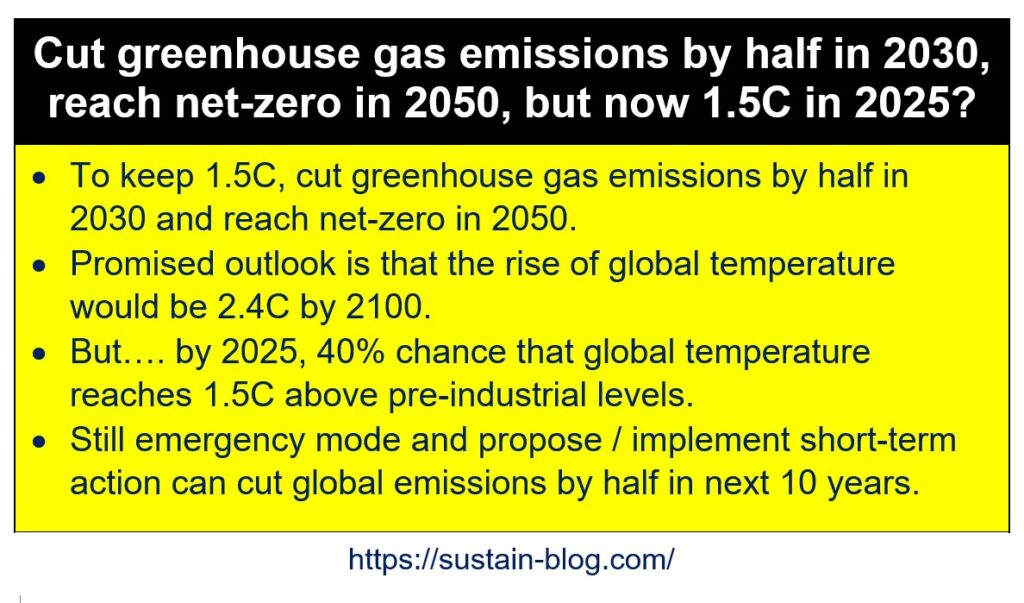
- Staying within 1.5 °C–2 °C of pre‑industrial levels is the core goal of the Paris Agreement.
- Evidence for the baseline comes from ice cores, tree rings, and early thermometers, providing strong confidence.
- Uncertainties focus on carbon‑cycle feedbacks, regional climate sensitivity, and future socio‑economic pathways.
What Are ‘Pre‑Industrial Levels’ in Climate Science?
The term refers to the state of the Earth’s climate system before the onset of large‑scale industrial emissions, roughly before 1750 CE. It includes two linked components:
- Greenhouse‑gas concentrations – primarily carbon dioxide (CO₂) and methane (CH₄) measured in parts per million (ppm) or parts per billion (ppb).
- Global mean surface temperature – the average temperature of land and ocean surfaces, usually expressed as an anomaly relative to a baseline period (commonly 1850‑1900 for temperature, but the gas baseline is earlier).
These baselines are not arbitrary; they represent a climate that was relatively stable for centuries, allowing early agricultural societies to develop without the amplified weather extremes seen today.
How Does It Work?
1. Natural Carbon Cycle Before Industry
Before 1750, the carbon cycle was dominated by balanced exchanges:
- Photosynthesis removed CO₂ from the atmosphere and stored it in vegetation and soils.
- Oceanic absorption dissolved atmospheric CO₂ into seawater, later forming carbonate sediments.
- Volcanic outgassing and weathering released CO₂ back to the air, maintaining a near‑steady state.
Human activities added a net source of CO₂ that upset this balance.
2. Fossil‑Fuel Combustion and Land‑Use Change
Burning coal, oil, and gas releases carbon that has been stored for millions of years. Deforestation reduces the land sink, and agriculture releases methane from livestock and rice paddies. The combined effect raises atmospheric concentrations above the natural range.
3. Radiative Forcing and Temperature Rise
Higher greenhouse‑gas concentrations increase the atmosphere’s ability to trap infrared radiation, a process called radiative forcing. Climate models and observational studies consistently show that each 1 ppm increase in CO₂ adds roughly 0.018 W·m⁻² of forcing, leading to a measurable rise in global average temperature.
What Does the Evidence Show?
Multiple, independent lines of evidence converge on the pre‑industrial baseline:
- Ice‑core records from Antarctica and Greenland reveal CO₂ hovering near 280 ppm for the last 800,000 years.
- Instrumental temperature series beginning in the mid‑19th century indicate a global mean that is about 0.5 °C higher than the pre‑industrial estimate.
- Attribution studies published in the IPCC Sixth Assessment Report (2021) attribute over 95 % of the observed warming since 1950 to anthropogenic greenhouse‑gas emissions.
- Model–data comparisons show that simulations initialized with pre‑industrial conditions reproduce past climate variability only when human emissions are added.
These data sets are considered strong evidence, with high confidence in the magnitude of the baseline and the direction of change.
Main Causes or Drivers
Direct Human Drivers
- Combustion of fossil fuels for energy, transport, and industry.
- Land‑use change, especially deforestation and conversion to agriculture.
- Industrial processes that emit CO₂, CH₄, and nitrous oxide (N₂O).
Underlying Socio‑Economic Drivers
- Population growth and urbanization increasing energy demand.
- Economic systems that prioritize short‑term profit over long‑term climate stability.
- Technological pathways that have historically favored carbon‑intensive energy sources.
Environmental and Human Impacts
Environmental Impacts
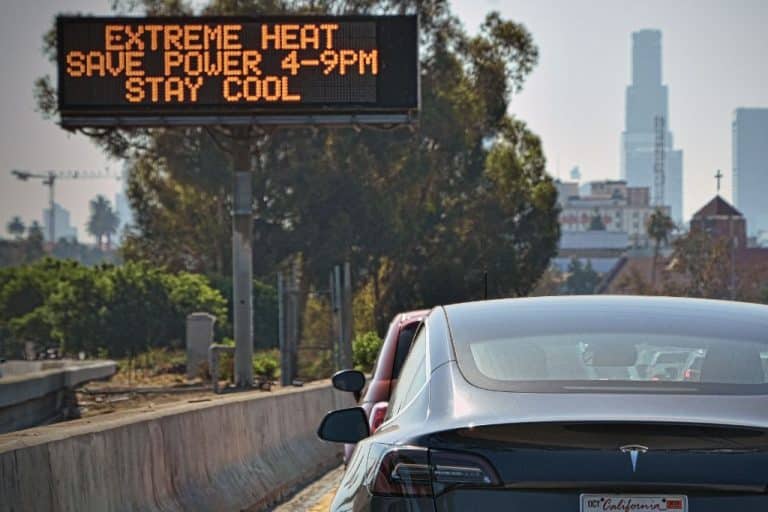
- More frequent and intense heatwaves, driven by higher baseline temperatures.
- Accelerated melting of glaciers and Arctic sea ice, contributing to sea‑level rise.
- Shifts in precipitation patterns, increasing drought risk in some regions and flooding in others.
- Ocean acidification caused by higher CO₂ levels, threatening coral reefs and shell‑forming organisms.
Human Health and Social Impacts
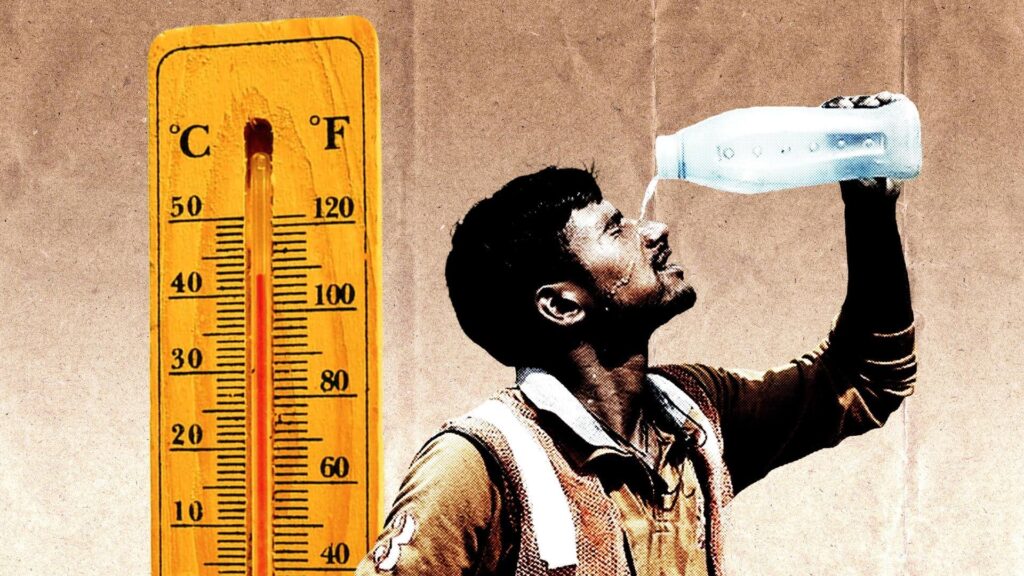
- Heat‑related mortality rises, especially among the elderly and outdoor workers.
- Vector‑borne diseases expand their geographic range as temperatures climb.
- Food security is threatened by reduced crop yields in heat‑stressed regions.
- Vulnerable communities—often low‑income or Indigenous peoples—face disproportionate exposure and limited adaptive capacity.
Regional Differences
Because climate systems interact with local geography, the magnitude of change varies:
- Arctic and sub‑Arctic regions experience warming up to three times the global average, leading to permafrost thaw.
- Tropical low‑lying islands confront rapid sea‑level rise and saltwater intrusion, threatening freshwater supplies.
- Temperate agricultural zones may see longer growing seasons but also increased pest pressure.
- Dryland interiors (e.g., parts of Sub‑Saharan Africa) are projected to become hotter and drier, aggravating water scarcity.
What Scientists Know With High Confidence
- Pre‑industrial CO₂ concentrations were about 280 ppm; today they exceed 420 ppm.
- Human emissions are the dominant cause of warming since the mid‑20th century.
- Warming of roughly 0.5 °C relative to pre‑industrial levels has already occurred.
- Continued emissions will lead to further warming, sea‑level rise, and ecosystem disruption.
What Remains Uncertain
Key uncertainties include the strength of carbon‑cycle feedbacks such as permafrost carbon release, the precise regional climate sensitivity in tropical areas, and the socioeconomic pathways that will determine future emissions. These gaps affect projections of when specific thresholds (e.g., Arctic ice‑free summer) will be crossed, but they do not alter the core conclusion that exceeding pre‑industrial levels drives risk.
Common Misconceptions
Misconception: Pre‑industrial levels are a nostalgic target that cannot be reached.
Reality: While returning exactly to 280 ppm would require massive emissions reductions and carbon removal, the Paris Agreement’s goal of limiting warming to 1.5 °C–2 °C is explicitly framed relative to the pre‑industrial baseline, making it an attainable policy objective.
Misconception: Only CO₂ matters for the pre‑industrial baseline.
Reality: Methane, nitrous oxide, and other gases also increased dramatically after industrialization and contribute to radiative forcing; comprehensive climate targets address all major greenhouse gases.
Misconception: The baseline is arbitrary and varies widely between studies.
Reality: The baseline is anchored in multiple, independently verified proxy records (ice cores, sediment cores) and instrumental data, giving it a robust, globally consistent definition.
Solutions and Limitations
Effective responses combine mitigation, adaptation, and restoration:
- Decarbonisation of energy through renewable electricity and electrified transport reduces the primary source of CO₂. Limitation: Requires massive infrastructure investment and grid upgrades.
- Carbon‑removal technologies (afforestation, soil carbon sequestration, direct air capture) can draw down existing CO₂. Limitation: Scale, cost, and land‑use competition remain challenges.
- Energy efficiency cuts emissions at the source. Limitation: Savings plateau without behavioural change and policy incentives.
- Adaptation measures such as flood‑defence, drought‑resilient crops, and early‑warning systems reduce vulnerability. Limitation: Do not address the root cause of warming.
- Regulatory frameworks (carbon pricing, emissions standards) create market signals. Limitation: Political feasibility varies across jurisdictions.
What Individuals, Communities, and Governments Can Do
What Individuals Can Do
- Choose low‑carbon transportation (public transit, cycling, electric vehicles) where feasible.
- Improve home energy efficiency (insulation, efficient appliances).
- Support policies and companies that set science‑based emissions targets.
What Communities and Organizations Can Do
- Implement district‑level renewable energy projects (solar farms, community wind).
- Adopt climate‑smart land‑use planning that preserves natural carbon sinks.
- Provide local climate‑education programs to build adaptive capacity.
What Governments Can Do
- Enact and strengthen nationally determined contributions (NDCs) aligned with the 1.5 °C goal.
- Invest in research, deployment, and scaling of carbon‑removal solutions.
- Create equitable adaptation financing for vulnerable regions.
Synthesis
Pre‑industrial levels serve as the scientific reference point against which modern climate change is measured. Robust evidence from ice cores, instrumental records, and attribution studies confirms that today’s greenhouse‑gas concentrations and temperatures exceed that baseline, driving widespread environmental and societal impacts. While uncertainties remain—particularly concerning feedback mechanisms and regional sensitivities—the high‑confidence findings underscore the urgency of rapid decarbonisation, strategic carbon removal, and resilient adaptation. By aligning individual, community, and governmental actions with the pre‑industrial benchmark, society can steer toward a climate future that avoids the most hazardous outcomes.
Frequently Asked Questions
What exactly does the term “pre‑industrial levels” refer to?
Pre‑industrial levels denote the concentrations of greenhouse gases, mainly CO₂ around 280 ppm, and the global mean temperature roughly 0.5 °C cooler than the 2010‑2020 average, measured before large‑scale industrial activity began in the late 1700s.
How do scientists determine the pre‑industrial baseline?
Scientists use ice‑core records, tree‑ring data, and early instrumental temperature series to reconstruct atmospheric composition and temperature before 1750 CE, providing multiple independent lines of evidence with high confidence.
Why is the pre‑industrial baseline important for climate policy?
International agreements like the Paris Agreement set targets (1.5 °C–2 °C) relative to pre‑industrial levels, because staying close to that baseline limits severe impacts such as extreme weather, sea‑level rise, and ecosystem loss.
What are the main uncertainties about future warming relative to pre‑industrial levels?
Key uncertainties involve the strength of carbon‑cycle feedbacks (e.g., permafrost thaw), regional climate sensitivity, and future socioeconomic pathways that dictate emission trajectories, which affect timing of specific climate thresholds.
Can individuals realistically help the world return to pre‑industrial CO₂ concentrations?
Individuals can reduce personal emissions through low‑carbon transport, energy‑efficient homes, and supporting climate‑friendly policies, but large‑scale systemic changes—decarbonising energy, carbon removal, and strong regulations—are essential to approach pre‑industrial CO₂ levels.






Leave a Comment