

The Earth is warming because human‑driven greenhouse gases trap more heat than natural processes can release, a trend confirmed by multiple lines of scientific evidence.
Quick Answer
Global temperatures are rising because the concentration of heat‑trapping gases—primarily carbon dioxide, methane and nitrous oxide—has increased dramatically since the Industrial Revolution, enhancing the natural greenhouse effect. This amplified warming is observed in long‑term temperature records, satellite measurements and ice‑core reconstructions, and it drives changes in weather, sea level and ecosystems. While natural variability still influences short‑term fluctuations, the overall trend is firmly linked to human activities, and its most serious impact is the acceleration of climate‑related risks worldwide.
Key Takeaways
- The greenhouse effect is natural; human emissions have amplified it.
- Carbon dioxide is the dominant long‑lived greenhouse gas, now over 400 ppm.
- Methane, though less abundant, is far more potent on a per‑molecule basis.
- Deforestation and land‑use change reduce the planet’s carbon‑sink capacity.
- Robust evidence from temperature records, satellite data and climate models confirms anthropogenic warming.
- Uncertainties remain around feedbacks such as permafrost carbon release.
- Mitigation, adaptation and equitable policies together shape the response.
What Is Why Is the Earth Getting Hotter? The Science Behind Rising Temperatures?
This question refers to the observed increase in average global surface temperature—commonly called “global warming”—and the scientific mechanisms that explain it. The focus is on the physical processes that control Earth’s energy balance, the human actions that alter atmospheric composition, and the resulting climate changes. It differs from short‑term weather events because it describes a persistent shift in the climate system over decades to centuries.
How Does It Work?
1. The Natural Greenhouse Effect
Solar radiation passes through the atmosphere; about 30% is reflected back to space, while the rest is absorbed by the surface. Earth then emits infrared radiation upward. Greenhouse gases (GHGs) such as water vapour, CO₂, CH₄ and N₂O absorb a portion of this infrared energy and re‑emit it, keeping the planet warm enough for liquid water.
2. Amplification by Human‑Emitted Gases
Since the late 18th century, fossil‑fuel combustion, cement production and land‑use change have added roughly 2 trillion tonnes of CO₂ to the atmosphere. According to the Intergovernmental Panel on Climate Change (IPCC) AR6 (2021), atmospheric CO₂ rose from 280 ppm pre‑industrial to 419 ppm in 2023, a level not seen in at least three million years.
3. Radiative Forcing and Energy Imbalance
Each additional kilogram of CO₂ increases the Earth’s radiative forcing by about 0.04 W m⁻². The combined forcing from all GHGs is now >3 W m⁻², creating a net energy gain of roughly 0.6 W m⁻² that must be emitted as heat, warming the oceans, atmosphere and land.
4. Feedback Loops
Warming triggers feedbacks that can amplify or dampen the initial forcing. Key positive feedbacks include:
- Water‑vapour feedback: warmer air holds more water vapour, itself a potent GHG.
- Ice‑albedo feedback: melting ice reduces surface reflectivity, absorbing more solar energy.
- Permafrost carbon feedback: thawing permafrost releases CO₂ and CH₄.
These feedbacks are supported by multiple lines of evidence, but their exact magnitude remains an area of active research.
What Does the Evidence Show?
Multiple independent datasets converge on the same conclusion:
- Instrumental temperature records from the World Meteorological Organization show a global mean surface temperature rise of ~1.1 °C since 1850.
- Satellite microwave sounding units (NASA, NOAA) record a similar upward trend in lower‑tropospheric temperature.
- Ice‑core analyses from Antarctica and Greenland reveal a tight correlation between CO₂ concentration and temperature over glacial‑interglacial cycles.
- Attribution studies using climate models (e.g., the Coupled Model Intercomparison Project Phase 6) consistently attribute more than 95% of the warming since 1950 to anthropogenic GHG emissions.
The consistency across observational, paleo‑climatic and modelling evidence makes the anthropogenic signal robust.
Main Causes or Drivers
Direct Greenhouse‑Gas Emissions
Fossil‑fuel combustion accounts for ~75% of total CO₂ emissions (IEA, 2023). Coal, oil and natural gas release CO₂ when burned, while the oil‑and‑gas sector also leaks CH₄ during extraction and transport.
Methane Sources
Livestock enteric fermentation, rice paddies, landfills and fossil‑fuel operations emit CH₄. Its 100‑year global warming potential (GWP) is ~28‑36 times that of CO₂, making it a critical short‑term lever.
Land‑Use Change
Deforestation converts carbon‑rich forests into CO₂ sources and eliminates a major sink. The Food and Agriculture Organization estimates that land‑use change contributed ~12 % of total GHG emissions in 2022.
Industrial Processes and Agriculture
Cement production releases CO₂ from limestone calcination; nitrogen‑based fertilizers emit N₂O, a GHG with a GWP ~298 times that of CO₂ over 100 years.
Natural Variability (Contextual)
Volcanic eruptions, solar irradiance changes and oceanic oscillations (e.g., El Niño) modulate temperature on interannual to decadal scales, but they cannot explain the long‑term upward trend.
Environmental and Human Impacts
Environmental Impacts
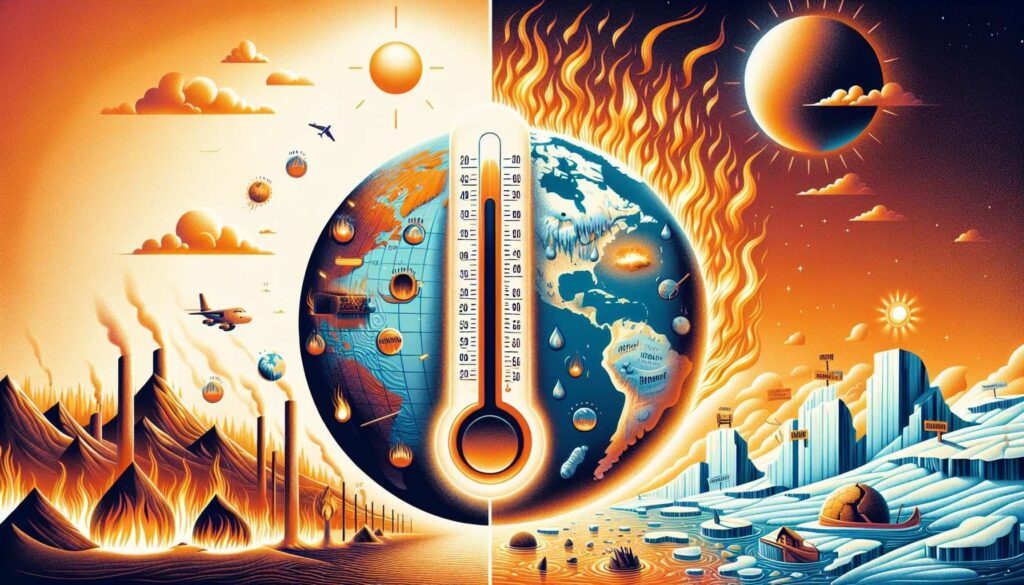
Rising temperatures drive sea‑level rise (0.20 m since 1900, IPCC AR6), increased frequency of heatwaves, shifts in species distributions and heightened risk of coral bleaching. Ocean heat uptake also expands the thermocline, affecting marine ecosystems.
Human Health and Social Impacts
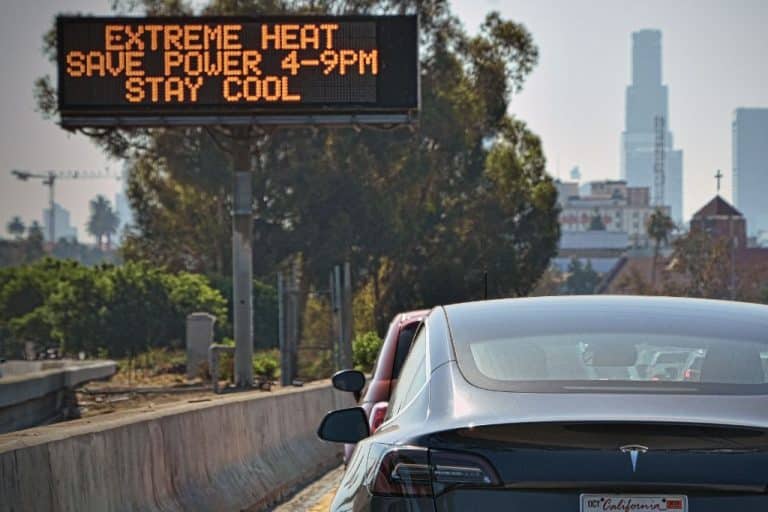
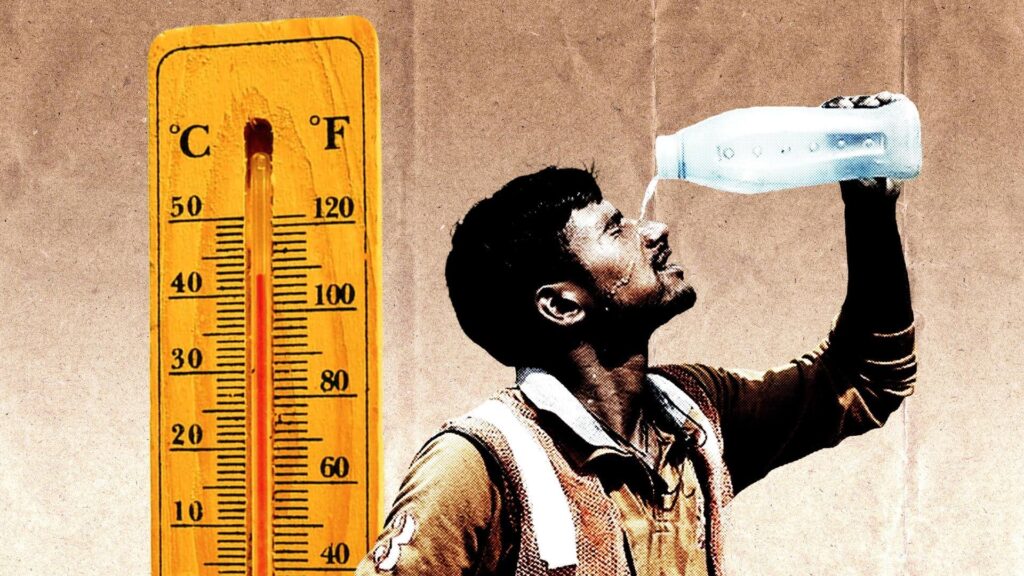
Heat stress elevates mortality risk, especially for older adults and outdoor workers. Changing disease vectors expand the range of malaria and dengue. Food security is threatened by heat‑related crop yield reductions, particularly for wheat, rice and maize in tropical and subtropical regions.
Economic and Infrastructure Impacts
Extreme weather events increase insurance losses and damage to infrastructure. Permafrost thaw can destabilize roads and pipelines in high‑latitude regions, imposing costly adaptation measures.
Regional Differences
Warming is not uniform. The Arctic has warmed >2 °C, roughly twice the global average, amplifying ice‑albedo feedbacks. Tropical regions experience intensified precipitation extremes, while some mid‑latitude areas see longer dry spells. Coastal low‑lying nations face disproportionate sea‑level rise, whereas high‑altitude communities confront glacier retreat that threatens water supplies.
What Scientists Know With High Confidence
- Human activities are the dominant cause of observed warming since the mid‑20th century.
- CO₂ concentrations above 400 ppm are unprecedented in the last three million years.
- The planet’s energy budget shows a measurable positive radiative forcing from GHGs.
- Warming is occurring across land, ocean and atmospheric layers.
- Observed impacts (heatwaves, sea‑level rise, glacier retreat) are consistent with model projections.
What Remains Uncertain
Key uncertainties involve the magnitude of carbon‑cycle feedbacks, especially permafrost carbon release and the response of clouds to warming. Regional climate projections also carry higher uncertainty due to complex local processes and limited observational networks. Improving satellite monitoring of methane emissions and expanding high‑resolution climate modeling are priorities for reducing these gaps.
Common Misconceptions
Misconception: Climate change is just about hotter summers.
Reality: Global warming affects the entire climate system, altering precipitation patterns, ocean circulation, and seasonal timing, not merely summer temperatures.
Misconception: Individual lifestyle choices can solve climate change alone.
Reality: Personal actions matter, but systemic change—energy policy, industrial regulation and large‑scale land‑use planning—is required to achieve the emission reductions needed.
Misconception: The recent slowdown in surface temperature rise disproves warming.
Reality: Short‑term variability (e.g., La Niña) can mask the upward trend, but ocean heat content continues to increase, confirming ongoing warming.
Misconception: All greenhouse gases have the same impact.
Reality: Gases differ widely in radiative efficiency and atmospheric lifetime; methane is far more potent per molecule but persists for decades, whereas CO₂ remains for centuries.
Solutions and Limitations
Effective responses combine mitigation (reducing GHG emissions) and adaptation (preparing for unavoidable changes). Key strategies include:
- Decarbonizing Energy: Shifting from coal and oil to wind, solar and nuclear reduces CO₂ emissions. Limitations involve intermittency, material demand for batteries and the need for grid upgrades.
- Improving Energy Efficiency: Upgrading buildings, appliances and industrial processes cuts demand. Savings are well‑documented, but retrofits can be costly for low‑income households.
- Methane Management: Detecting and sealing leaks, capturing landfill gas and altering livestock diets can cut CH₄ quickly. Effectiveness depends on monitoring infrastructure and industry cooperation.
- Reforestation and Forest Protection: Restoring native forests enhances carbon sequestration. Trade‑offs include competition for land and the time lag before trees store significant carbon.
- Adaptation Measures: Building flood‑resilient infrastructure, developing drought‑tolerant crops and improving early‑warning systems protect vulnerable communities. These do not reduce warming and can be expensive.
What Individuals, Communities, and Governments Can Do
What Individuals Can Do
Choose low‑carbon transport (public transit, cycling), improve home insulation, reduce food waste, and support policies that price carbon. While impactful locally, these actions amplify broader systemic change when adopted widely.
What Communities and Organizations Can Do
Implement community solar projects, adopt green building standards, and create local climate action plans that prioritize vulnerable neighborhoods. Collective procurement can lower costs and increase resilience.
What Governments Can Do
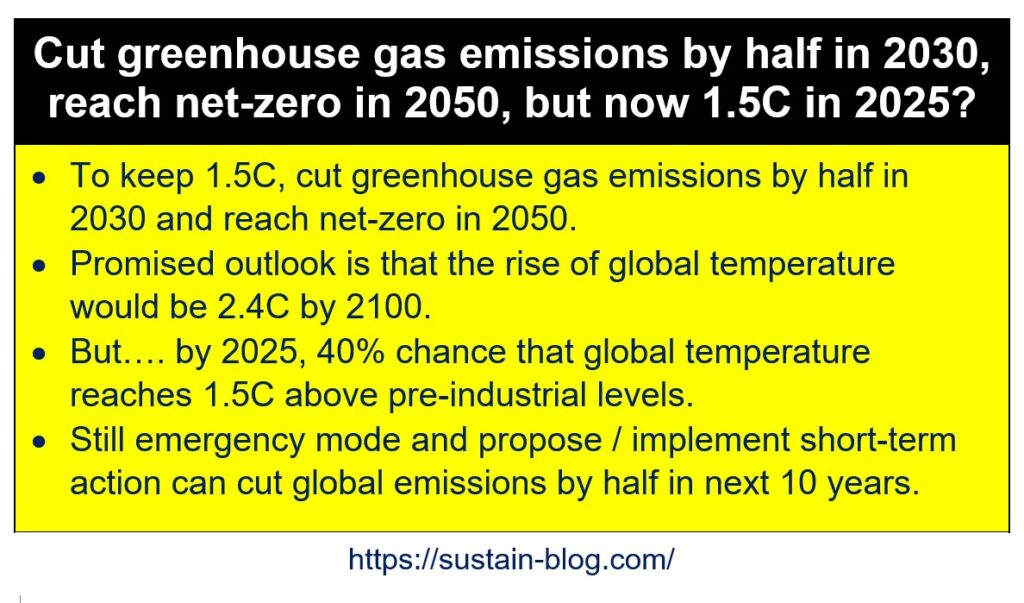
Enact carbon pricing, phase out coal subsidies, enforce stricter vehicle emission standards, and invest in climate‑smart agriculture. Internationally, uphold the Paris Agreement commitments and provide finance to developing nations for adaptation.
Closing Synthesis
The Earth’s warming is driven primarily by the anthropogenic increase of greenhouse gases, especially CO₂ and methane, which enhance the natural greenhouse effect and create a positive energy imbalance. Multiple, independent lines of evidence—instrumental records, satellite data, paleoclimate reconstructions and model attribution—confirm this conclusion with high confidence. While uncertainties remain regarding feedback strengths and regional projections, the core science is clear: continued emissions will intensify climate risks. Mitigation, adaptation and equitable policy actions together provide the most credible path to limit warming and protect ecosystems and societies worldwide.
Frequently Asked Questions
What is the greenhouse effect and how does it relate to global warming?
The greenhouse effect is a natural process where gases like water vapour, CO₂, and methane trap infrared radiation, keeping Earth warm enough for life. Human activities have increased concentrations of these gases, amplifying the effect and causing the observed rise in global temperatures.
Why is carbon dioxide considered the main driver of recent warming?
Carbon dioxide is the dominant long‑lived greenhouse gas, rising from about 280 ppm before the Industrial Revolution to over 419 ppm in 2023. Its abundance, long atmospheric lifetime, and strong radiative forcing make it the primary contributor to the sustained warming trend documented by multiple scientific assessments.
How do scientists know that human activities are responsible for most of the warming?
Attribution studies using climate models, such as those in the IPCC AR6, compare simulated worlds with and without human emissions. These analyses consistently show that more than 95% of the warming since 1950 can only be reproduced when anthropogenic greenhouse‑gas emissions are included.
What are the biggest uncertainties remaining in climate science?
Key uncertainties involve the magnitude of feedbacks like permafrost carbon release, cloud response to warming, and regional climate projections. Improving satellite monitoring of methane and enhancing high‑resolution models are essential steps to narrow these knowledge gaps.
What actions can individuals take to help limit climate change?
Individuals can reduce personal carbon footprints by using low‑carbon transport, improving home energy efficiency, cutting food waste, and supporting policies that price carbon. While these actions alone cannot solve the problem, widespread adoption amplifies systemic change.






Leave a Comment