
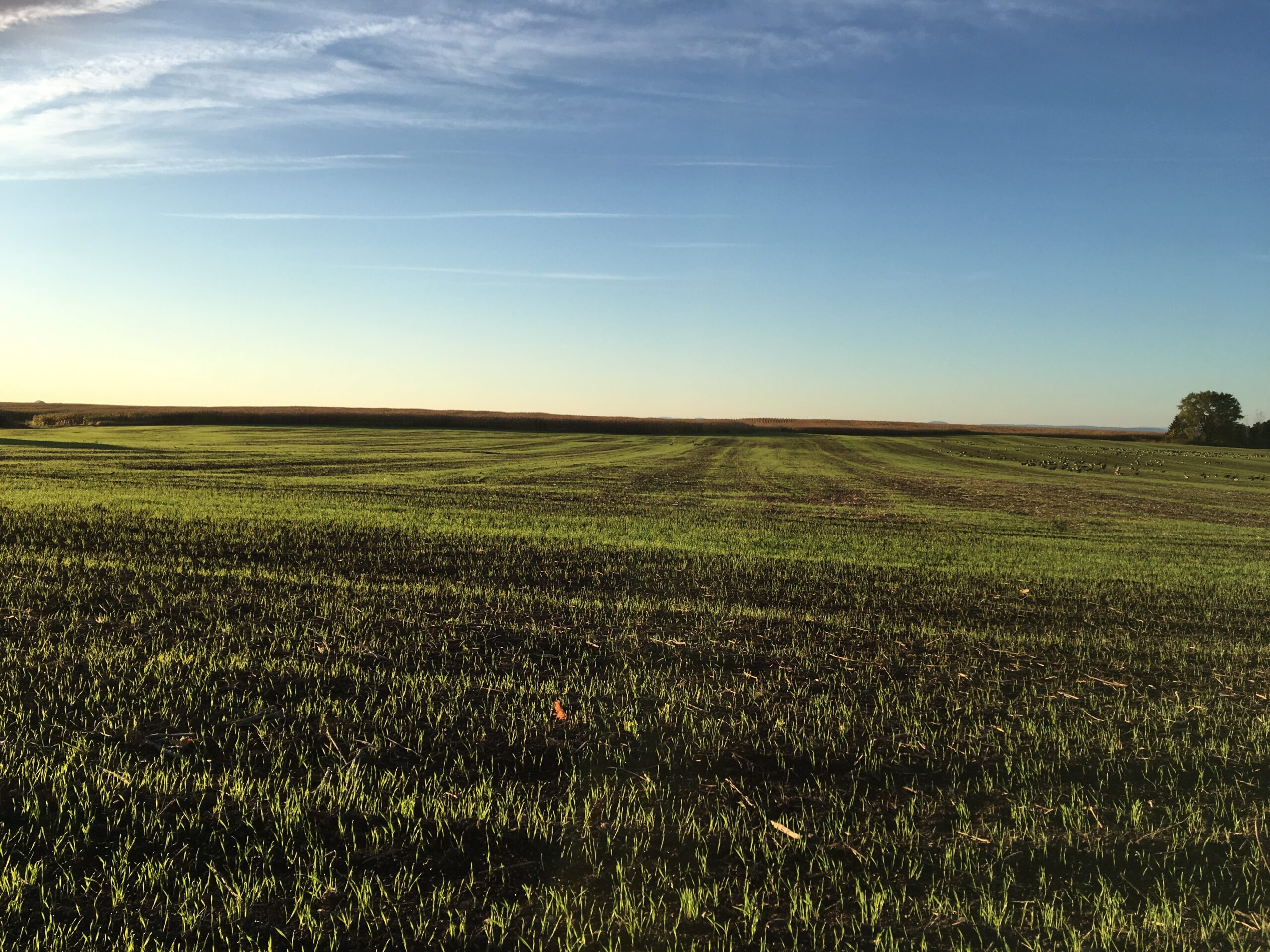
Climate‑resilient seeds are crop varieties bred or engineered to maintain productivity under heat, drought, flood and pest pressures, offering a vital adaptation tool for farmers facing a warming climate.
Quick Answer
A climate‑resilient seed is a plant variety that possesses genetic or physiological traits allowing it to sustain yields when exposed to climate‑related stresses such as higher temperatures, irregular rainfall, or increased pest pressure. These traits arise from conventional breeding, marker‑assisted selection, or modern gene‑editing techniques that enhance water‑use efficiency, heat tolerance, or disease resistance. Scientific assessments from the Intergovernmental Panel on Climate Change and the Food and Agriculture Organization consistently conclude that deploying such seeds can reduce yield volatility in rain‑fed systems. However, the exact performance gain varies by crop, region, and management practice, and uncertainties remain around long‑term ecological effects and farmer adoption rates.
Key Takeaways
- Climate‑resilient seeds combine traits like drought tolerance, heat‑stress avoidance, and pest resistance.
- Both traditional breeding and modern gene‑editing contribute to developing these traits.
- Adoption can lower yield gaps in regions with erratic rainfall and rising temperatures.
- Socio‑economic barriers, seed access, and policy support strongly influence uptake.
- Diverse cropping systems that include resilient varieties improve overall farm stability and soil health.
What Is What Makes a Seed ‘Climate‑Resilient’? Farming in a Warmer World?
The term “climate‑resilient seed” refers to a seed variety whose genetic makeup enables it to perform reliably under the range of climatic stresses projected for the 21st century. It is not merely a seed that tolerates one stress; rather, it integrates multiple adaptive traits—such as deeper root systems, efficient stomatal regulation, and resistance to emerging pests—so that overall productivity remains stable. The concept differs from “drought‑tolerant” or “heat‑resistant” seeds, which target a single factor, by emphasizing a broader portfolio of traits that together buffer crops against the combined impacts of climate change.
How Does It Work?
Genetic Foundations
Breeders identify genes linked to desirable traits through genome‑wide association studies and then introduce them into elite varieties via cross‑breeding, marker‑assisted selection, or precise edits using CRISPR‑Cas systems. For example, genes that control the opening of stomata can reduce transpiration, conserving water during drought periods.
Physiological Mechanisms
Resilient seeds often exhibit:
- Enhanced water‑use efficiency: deeper or more extensive root networks access moisture from lower soil layers.
- Heat‑avoidance phenology: altered flowering times allow crops to complete grain fill before peak temperature spikes.
- Pest‑resistance pathways: expression of proteins that deter insects or inhibit fungal growth, reducing the need for chemical inputs.
Ecological Interactions
When planted in diverse rotations or intercropped systems, climate‑resilient seeds can improve soil organic matter, promote beneficial microbes, and suppress disease cycles, creating a feedback loop that further enhances resilience.
What Does the Evidence Show?
Multiple lines of evidence support the effectiveness of climate‑resilient seeds. Long‑term field trials conducted by national agricultural research systems across sub‑Saharan Africa, South Asia, and the Americas demonstrate yield stability gains of 5‑15 % under drought conditions when resilient varieties replace conventional ones (FAO, 2022). Meta‑analyses of peer‑reviewed studies published after 2015 report consistent improvements in water‑use efficiency and reduced pesticide applications for genetically improved drought‑tolerant maize and wheat (Plant Science Review, 2021). Moreover, the IPCC’s Sixth Assessment Report (2021) cites crop‑genotype adaptation as a key mitigation pathway for food security under warming scenarios.
Main Causes or Drivers
Direct Climate Drivers
Rising average temperatures, increased frequency of heatwaves, and shifting precipitation patterns directly stress crop physiology, creating the need for resilient genetics.
Underlying Socio‑Economic Drivers
Population growth, expanding urban demand for food, and limited expansion of arable land intensify pressure on existing farming systems, making yield stability a priority.
Technological and Institutional Drivers
Advances in genomics, public‑private seed partnerships, and supportive policy frameworks (e.g., seed‑quality regulations) accelerate the development and dissemination of resilient varieties.
Environmental and Human Impacts
Environmental Impacts
Resilient seeds can lower the need for irrigation, reducing freshwater withdrawals, and decrease pesticide use, lessening soil and water contamination. Diversified planting of resilient varieties also promotes biodiversity by providing habitat heterogeneity.
Human Health and Social Impacts
More stable yields improve food availability, reducing the risk of hunger in vulnerable, rain‑fed farming communities. Lower pesticide reliance can diminish exposure risks for farm workers and nearby residents.
Economic and Infrastructure Impacts
Yield stability translates into more predictable farm incomes, enabling better access to credit and reducing the pressure to convert natural ecosystems into farmland.
Regional Differences
In sub‑Saharan Africa, where rain‑fed cereals dominate, drought‑tolerant sorghum and millet varieties have shown the greatest adoption potential. In South Asia’s Indo‑Gangetic Plains, heat‑tolerant wheat lines mitigate yield losses during late‑season heat spikes. Conversely, in temperate North America, flood‑tolerant soybean cultivars address increasing spring‑time precipitation events. These examples illustrate that trait priorities differ according to dominant climate stressors and local agronomic practices.
What Scientists Know With High Confidence
- Climate change is intensifying heat and water stress on major food crops worldwide (IPCC, 2021).
- Genetic traits that improve water‑use efficiency and heat tolerance can be transferred into elite varieties without compromising basic yield potential (peer‑reviewed breeding studies).
- Field evidence from multiple continents demonstrates that climate‑resilient seeds reduce yield variability under stress conditions.
- Diverse cropping systems that incorporate resilient varieties enhance soil health and reduce pest pressure.
What Remains Uncertain
Key uncertainties include the long‑term durability of introduced traits under evolving pest pressures, the socioeconomic factors that limit seed access in low‑income regions, and the potential trade‑offs between stress tolerance and nutrient quality. Ongoing multi‑location trials and socio‑economic research are needed to resolve these gaps.
Common Misconceptions
Misconception: Climate‑resilient seeds are genetically modified organisms (GMOs) and therefore unsafe.
Reality: Climate resilience can be achieved through conventional breeding, marker‑assisted selection, and gene‑editing techniques that do not necessarily involve transgenes. Safety assessments are conducted by regulatory agencies for any new variety, regardless of the method used.
Misconception: One resilient seed can solve all climate challenges.
Reality: No single variety can address every stress. Effective adaptation relies on a portfolio of traits matched to local climate projections and integrated into broader agronomic practices.
Misconception: Using resilient seeds eliminates the need for irrigation or other management changes.
Reality: Resilient seeds reduce water demand but do not replace sound water‑management strategies; irrigation efficiency, soil conservation, and crop rotation remain essential.
Solutions and Limitations
Key response strategies include:
- Accelerated breeding programs: Investment in public research can shorten development cycles, but high costs and intellectual‑property constraints may limit accessibility.
- Seed‑system strengthening: Improving distribution networks ensures farmers receive quality seeds; however, logistical hurdles in remote areas persist.
- Policy incentives: Subsidies or insurance schemes encourage adoption, yet they require sustained fiscal commitment and careful design to avoid market distortions.
- Agroecological practices: Intercropping and organic soil amendments complement genetic resilience, though they demand knowledge transfer and labor.
What Individuals, Communities, and Governments Can Do
What Individuals Can Do
Support seed‑saving initiatives, choose products from farms that use resilient varieties, and advocate for transparent labeling of climate‑adapted seeds.
What Communities and Organizations Can Do
Facilitate farmer field schools, provide local seed banks, and partner with research institutes to test new varieties under real‑world conditions.
What Governments Can Do
Fund national breeding programs, streamline regulatory pathways for gene‑edited crops, and create extension services that disseminate best‑practice guidelines for resilient farming.
Closing Synthesis
Climate‑resilient seeds are a scientifically validated tool that helps agriculture cope with rising temperatures, erratic precipitation, and emerging pests. Robust evidence confirms their capacity to stabilize yields, yet uncertainties about long‑term ecological effects and equitable access remain. By integrating resilient genetics with sound agronomic practices, supportive policies, and community‑based seed systems, societies can strengthen food security while limiting environmental trade‑offs in a warming world.
Frequently Asked Questions
What defines a climate‑resilient seed?
A climate‑resilient seed is a crop variety that carries genetic or physiological traits allowing it to maintain stable yields under heat, drought, flood, or pest pressures, unlike conventional seeds that may fail under such stresses.
How are climate‑resilient seeds developed?
They are created through a mix of conventional breeding, marker‑assisted selection, and modern gene‑editing tools that introduce or enhance traits such as deep root systems, efficient stomatal control, and disease resistance.
Which traits help seeds tolerate drought and heat?
Key traits include enhanced water‑use efficiency via deeper roots, heat‑avoidance phenology that shifts flowering times, and biochemical pathways that protect cells from temperature‑induced damage.
What are the main challenges to adopting climate‑resilient seeds?
Barriers include limited access to quality seed, high development costs, regulatory hurdles for newer technologies, and the need for farmer training and supportive policies to ensure widespread use.
How can individuals support the use of climate‑resilient seeds?
Individuals can buy produce from farms that use resilient varieties, support seed‑saving groups, and advocate for transparent labeling and public investment in resilient seed research.






Leave a Comment