
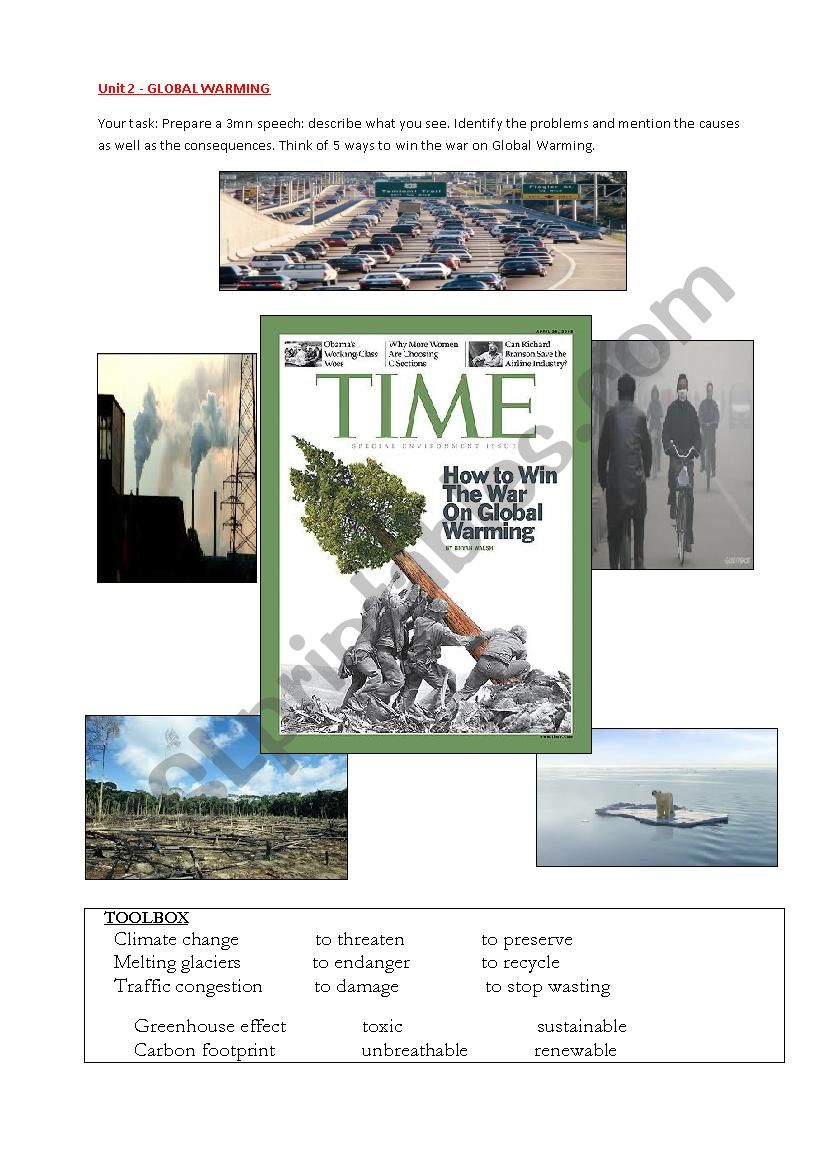
Global warming is the long‑term rise in Earth’s average surface temperature caused mainly by human‑released greenhouse gases, and understanding its mechanisms, evidence, impacts, and solutions is essential for informed action.
Quick Answer
Global warming refers to the sustained increase in the planet’s average surface temperature due to the accumulation of heat‑trapping gases such as carbon dioxide, methane, and nitrous oxide in the atmosphere. These gases amplify the natural greenhouse effect, leading to higher global temperatures, altered weather patterns, and rising sea levels. The Intergovernmental Panel on Climate Change (IPCC) reports that the global mean surface temperature rose about 1.1 °C above pre‑industrial levels by 2020, a change linked with human activity with high confidence. The most immediate implication is an increased risk of extreme weather events, ecosystem disruption, and societal challenges, although exact regional outcomes retain some uncertainty.
Key Takeaways
- Human activities, especially fossil‑fuel combustion, have raised atmospheric greenhouse‑gas concentrations to levels unprecedented in at least the last 800,000 years.
- Multiple lines of evidence—instrumental records, satellite data, and paleoclimate reconstructions—confirm a warming trend since the late 19th century.
- Impacts include more frequent heatwaves, intensified storms, sea‑level rise, and threats to biodiversity, with vulnerable communities bearing the greatest burden.
- Mitigation (reducing emissions) and adaptation (building resilience) are both necessary, and effective action requires coordinated policy, technological, and societal shifts.
- Individual choices matter, but systemic change driven by governments and industry determines the scale of climate outcomes.
What Is Global Warming Introduction: Everything Beginners Need to Know?
Global warming describes the long‑term upward trend in Earth’s average surface temperature caused primarily by human‑generated greenhouse gases (GHGs). The term differs from “climate change,” which encompasses broader shifts in weather patterns, precipitation, and ecosystem responses. While natural processes such as volcanic eruptions and solar variability influence climate, the current warming is dominated by anthropogenic emissions since the Industrial Revolution. Understanding this phenomenon matters because the physical climate system underpins water resources, food production, health, and the stability of natural ecosystems.
How Does It Work?
1. The Natural Greenhouse Effect
Sunlight (short‑wave radiation) passes through the atmosphere and warms the surface. The Earth then emits long‑wave infrared radiation, which greenhouse gases absorb and re‑emit, trapping heat and keeping the planet habitable. This natural process is essential for life.
2. Human Amplification
When fossil fuels are burned, carbon stored for millions of years is released as carbon dioxide (CO₂). Agriculture, waste management, and energy production also emit methane (CH₄) and nitrous oxide (N₂O). These gases increase the atmosphere’s opacity to infrared radiation, enhancing the greenhouse effect and raising surface temperatures.
3. Feedback Loops
Warming triggers feedbacks that can accelerate change. For example, melting Arctic sea ice reduces surface albedo, causing more solar absorption; warmer oceans release stored CO₂; permafrost thaw releases additional CH₄. Some feedbacks, such as increased plant growth, may offset warming but are generally weaker than positive feedbacks.
4. Timescales
Atmospheric CO₂ persists for centuries to millennia, so even if emissions stopped today, temperatures would remain elevated for many generations. Short‑lived gases like CH₄ have a stronger immediate warming potential but decay faster.
What Does the Evidence Show?
Robust evidence comes from three independent strands:
- Instrumental records: Global surface temperature datasets (e.g., NASA GISTEMP, NOAA) show a rise of ~1.1 °C from 1880 to 2020.
- Satellite observations: Since 1979, satellite microwave sounding units have recorded a warming of ~0.9 °C in the lower troposphere.
- Paleoclimate proxies: Ice cores, tree rings, and sediment records reveal that current CO₂ concentrations (~420 ppm in 2023) exceed natural variability over the past 800 kyr.
Attribution studies using climate models consistently find that observed warming cannot be explained by natural factors alone; human‑induced GHGs account for >100 % of the warming since the mid‑20th century (IPCC, 2021).
Main Causes or Drivers
Direct Causes
- Combustion of coal, oil, and natural gas for electricity, heat, and transport (≈75 % of global CO₂ emissions, International Energy Agency, 2022).
- Deforestation and land‑use change, which release stored carbon and reduce the biosphere’s capacity to absorb CO₂.
- Agricultural practices that emit CH₄ (rice paddies, livestock) and N₂O (synthetic fertilizers).
Underlying Drivers
- Economic growth patterns that prioritize fossil‑fuel infrastructure.
- Population increase and rising per‑capita energy demand.
- Policy environments that lack carbon pricing or strong emissions standards.
Environmental and Human Impacts
Environmental Impacts
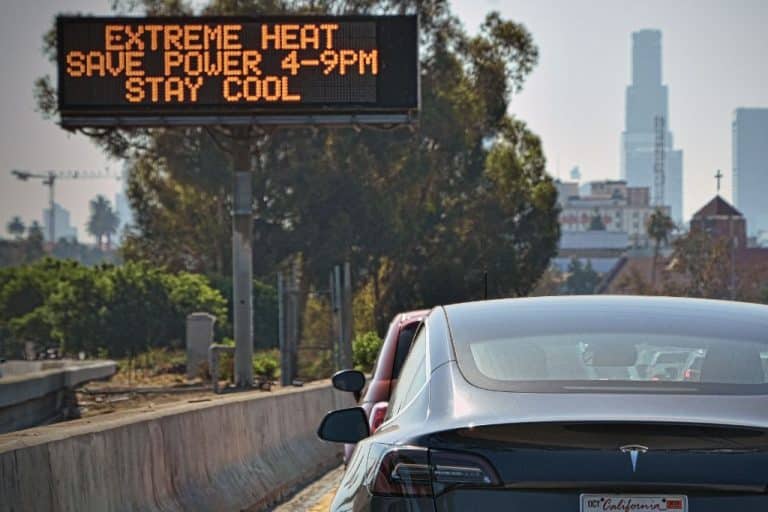
- Extreme weather: Heatwaves, droughts, and heavy precipitation events have become more frequent and intense (IPCC, 2021).
- Sea‑level rise: Thermal expansion and melting ice contribute to a global average rise of ~20 cm since 1900, accelerating to ~3.3 mm yr⁻¹ in the past decade.
- Ecosystem stress: Coral bleaching, forest die‑back, and northward shifts of species distributions are documented worldwide.
Human Health and Social Impacts
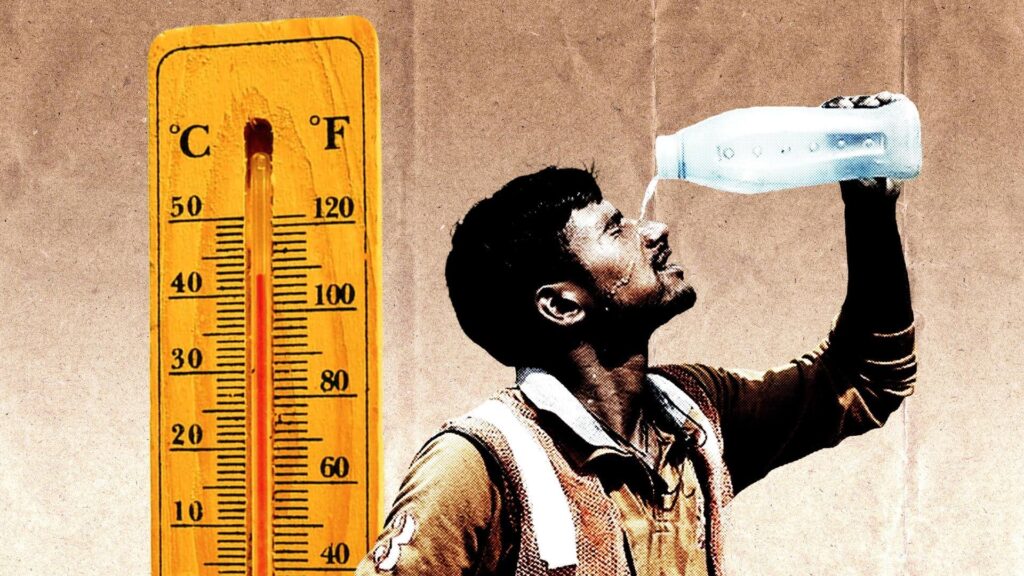
- Heat‑related mortality increases, especially among the elderly and outdoor workers.
- Vector‑borne diseases (e.g., malaria, dengue) expand into previously unsuitable regions.
- Food security is threatened by crop yield reductions in tropical and subtropical zones.
- Displacement of communities from low‑lying coastal areas creates climate‑related migration pressures.
Regional Differences
Impacts are not uniform. High‑latitude regions experience amplified warming (Arctic amplification) of up to 3 °C, accelerating permafrost melt. Tropical islands face disproportionate sea‑level rise relative to land uplift, threatening livelihoods. Arid regions such as Sub‑Saharan Africa see heightened drought frequency, while temperate Europe experiences increased winter precipitation. These variations stem from local geography, existing climate regimes, and socioeconomic capacity to adapt.
What Scientists Know With High Confidence
- Atmospheric concentrations of CO₂, CH₄, and N₂O have risen sharply since the mid‑20th century.
- Human activities are the dominant cause of observed global warming since 1950.
- The basic physics of the greenhouse effect are well‑established and experimentally verified.
- Warming is already contributing to sea‑level rise, more intense heatwaves, and shifts in species ranges.
What Remains Uncertain
Key uncertainties involve the magnitude of future feedbacks, especially carbon‑cycle responses such as permafrost methane release, and the socioeconomic pathways that will determine emissions trajectories. Regional climate projections retain higher variance due to limited observational networks and complex terrain effects. While these uncertainties affect precise impact estimates, they do not alter the fundamental conclusion that continued high emissions will exacerbate climate risks.
Common Misconceptions
Misconception: “Global warming is just a natural cycle.”
Reality: Natural factors (solar variability, volcanic activity) cannot account for the rapid warming observed since the 1950s; attribution studies attribute >100 % of the trend to anthropogenic GHGs.
Misconception: “Only the polar regions are affected.”
Reality: While the Arctic warms faster, every continent experiences measurable changes, from heat stress in cities to altered precipitation patterns affecting agriculture worldwide.
Misconception: “Individual lifestyle changes alone can stop warming.”
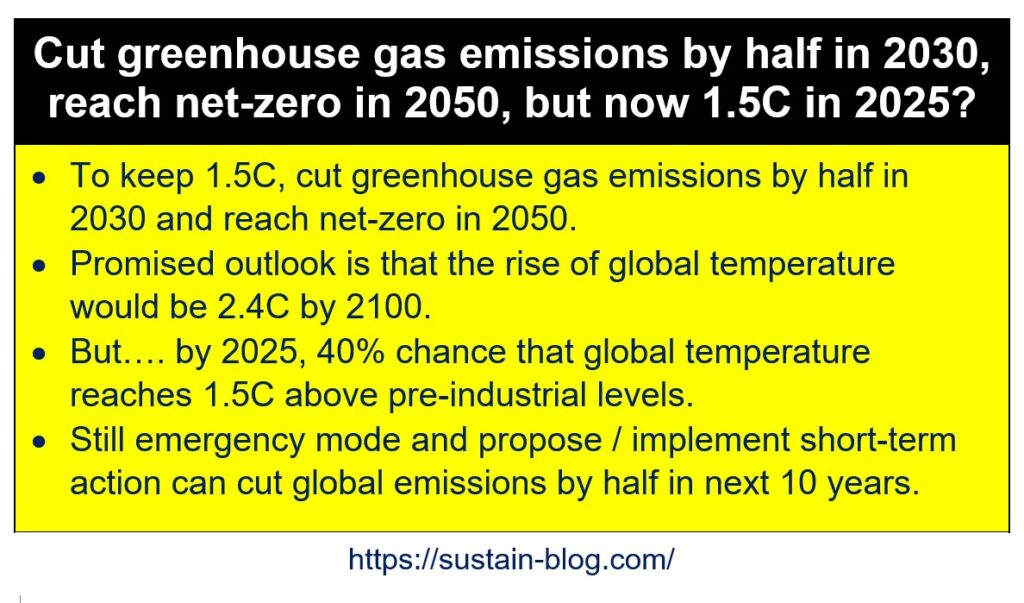
Reality: Personal actions (e.g., energy efficiency, reduced meat consumption) lower one’s carbon footprint, but systemic policy and industry shifts are required to achieve the deep emissions cuts needed to meet the Paris Agreement goal of limiting warming to 1.5 °C.
Solutions and Limitations
Effective responses fall into three categories:
- Mitigation: Rapid decarbonisation of electricity (renewables, nuclear), electrification of transport, and improved energy efficiency. Limitations include high upfront capital costs, grid integration challenges, and the need for supportive policy frameworks.
- Adaptation: Building flood‑resilient infrastructure, developing drought‑tolerant crops, and enhancing early‑warning systems. Trade‑offs involve land‑use conflicts and the risk of “maladaptation” if measures increase vulnerability elsewhere.
- Nature‑based solutions: Restoring wetlands, protecting forests, and sustainable land management sequester carbon while delivering co‑benefits. Their capacity is limited by available land, permanence concerns, and potential competition with food production.
What Individuals, Communities, and Governments Can Do
What Individuals Can Do
- Reduce home energy use through insulation, LED lighting, and smart thermostats.
- Choose low‑carbon transportation options: public transit, cycling, or electric vehicles when feasible.
- Support renewable energy by selecting green electricity tariffs or installing rooftop solar where possible.
- Advocate for climate‑friendly policies by voting, contacting representatives, and participating in local climate action groups.
What Communities and Organizations Can Do
- Develop community energy projects (e.g., solar cooperatives) to lower collective emissions.
- Implement climate‑resilient urban planning: green roofs, permeable surfaces, and expanded tree canopy.
- Provide education programs that build climate literacy and empower local adaptation initiatives.
What Governments Can Do
- Enact carbon pricing mechanisms that internalise the cost of emissions.
- Set and enforce ambitious emissions‑reduction targets aligned with the Paris Agreement.
- Invest in public transit, grid modernization, and research on low‑carbon technologies.
- Support vulnerable populations through climate‑risk assessments, disaster preparedness, and equitable resource allocation.
Synthesising the Core Message
Global warming is a scientifically robust phenomenon driven by human‑generated greenhouse gases that intensify the natural greenhouse effect. Multiple, independent lines of evidence confirm a warming trend, and high‑confidence findings link this trend to widespread environmental and societal impacts. While uncertainties remain regarding the scale of certain feedbacks and regional outcomes, they do not diminish the urgent need for comprehensive mitigation and adaptation strategies. Systemic policy action, combined with informed individual and community choices, offers the most effective pathway to limit warming and safeguard ecosystems and human wellbeing for future generations.
Frequently Asked Questions
What is the definition of global warming?
Global warming is the long‑term increase in Earth's average surface temperature caused mainly by the buildup of heat‑trapping gases such as carbon dioxide, methane, and nitrous oxide in the atmosphere.
How do greenhouse gases amplify the natural greenhouse effect?
Greenhouse gases absorb infrared radiation emitted by Earth's surface and re‑emit it in all directions, trapping additional heat in the lower atmosphere and raising global temperatures beyond the natural greenhouse effect.
What evidence confirms that human activity is the primary driver of recent warming?
Instrumental temperature records, satellite observations, and ice‑core data all show a rapid rise in temperature and greenhouse‑gas concentrations, and attribution studies using climate models find that natural factors alone cannot explain the observed warming since the mid‑20th century.
Which regions are most affected by sea‑level rise?
Low‑lying coastal and island regions experience the greatest risk from sea‑level rise, while high‑latitude areas see amplified warming that accelerates ice melt, indirectly contributing to global sea‑level increase.
What are realistic actions that individuals can take to reduce their carbon footprint?
Individuals can lower home energy use with insulation and LED lighting, choose low‑carbon transportation such as public transit or electric vehicles, support renewable energy through green tariffs or rooftop solar, and advocate for climate‑friendly policies.






Leave a Comment