
Weather change refers to short‑term variations in atmospheric conditions, while global warming describes the long‑term rise in Earth’s average surface temperature driven primarily by human‑added greenhouse gases.
Quick Answer
Weather change is the day‑to‑day fluctuation of temperature, precipitation, wind, and other atmospheric variables, lasting from minutes to weeks. Global warming is the persistent increase in the planet’s average temperature over decades, caused mainly by rising concentrations of carbon dioxide, methane, and other greenhouse gases from fossil‑fuel combustion, deforestation, and industrial processes. The consensus of scientific assessments indicates that global warming is already influencing the frequency and intensity of extreme weather events, though individual weather episodes cannot be directly ascribed to it without formal attribution studies.
Key Takeaways
- Weather describes short‑term atmospheric conditions; climate describes long‑term averages.
- Global warming is the upward trend in average temperatures caused by human‑driven greenhouse‑gas emissions.
- Evidence from satellite records, surface stations, and ice cores shows a consistent warming signal since the late 19th century.
- Warming amplifies extremes—heatwaves, heavy rain, and droughts—making some weather events more likely.
- Mitigation (reducing emissions) and adaptation (building resilience) are both needed to address the impacts.
What Is Weather Change vs. Global Warming: The Difference Explained?
Weather is the collection of atmospheric conditions—temperature, humidity, wind speed, precipitation—observed at a specific place and time. It can shift within minutes, days, or weeks and is driven by the movement of air masses, ocean currents, and solar heating. Climate, by contrast, is the statistical description of weather over a period of at least 30 years, smoothing out short‑term variability. Global warming is a component of climate change that refers specifically to the long‑term rise in global average surface temperature.
Understanding the distinction matters because policy, adaptation planning, and public communication rely on separating temporary weather anomalies from the underlying trend that shapes future risk.
How Does It Work?
1. The Greenhouse Effect
Solar radiation reaches Earth as short‑wave (visible) light. About 30 % is reflected back to space, while the rest is absorbed by land, oceans, and the atmosphere. The warmed surface emits long‑wave infrared radiation. Greenhouse gases (CO₂, CH₄, N₂O, water vapor) absorb and re‑emit a portion of this infrared energy, trapping heat and raising the mean temperature—a natural process that makes Earth habitable.
2. Human Amplification
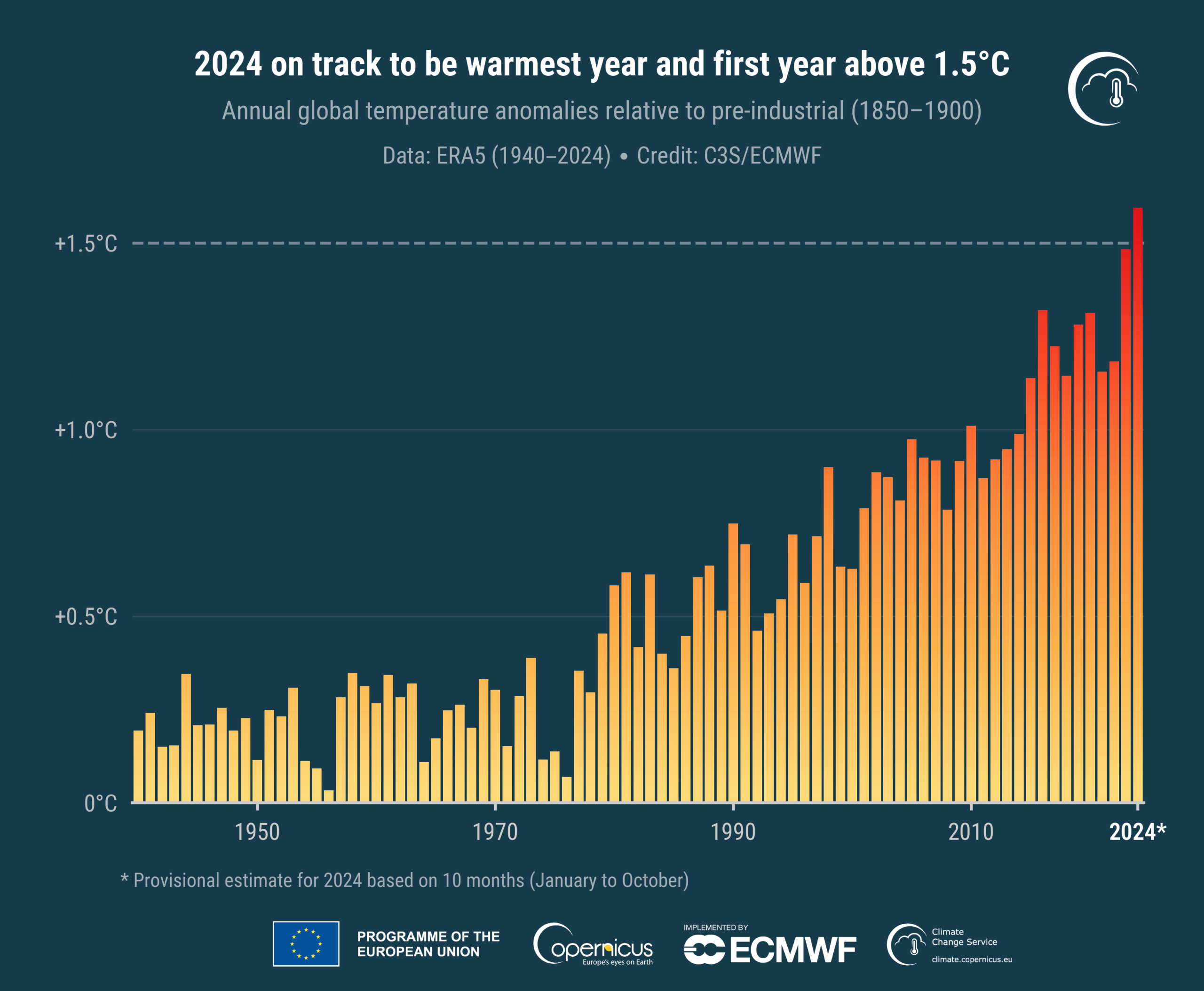
Since the Industrial Revolution, anthropogenic emissions have increased atmospheric CO₂ from roughly 280 ppm to over 420 ppm (World Meteorological Organization, 2023). This enhances the greenhouse effect, creating an energy imbalance of about 0.9 W m⁻², which translates into a global temperature rise of roughly 1.1 °C above pre‑industrial levels (IPCC AR6, 2021).
3. Weather Response to a Warmer Climate
Warmer air holds ~7 % more moisture per degree Celsius, intensifying precipitation extremes. Higher surface temperatures increase evaporation, fueling stronger convective storms and lengthening the duration of heatwaves. These processes modify the probability distribution of weather events, but each individual event remains a product of complex atmospheric dynamics.
What Does the Evidence Show?
Multiple, independent lines of evidence confirm global warming:
- Instrumental records: Global mean surface temperature datasets (e.g., NASA GISTEMP, NOAA) show a rise of ~1.1 °C from 1880 to 2021.
- Satellite observations: Microwave sounders detect increasing tropospheric temperature trends consistent with surface warming.
- Ice core and tree‑ring reconstructions: Proxy data reveal that recent warming exceeds natural variability of the past 2,000 years.
- Sea‑level rise: Tide‑gauge and satellite altimetry indicate an average increase of 3.4 mm yr⁻¹ since 1993, driven by thermal expansion and ice melt.
- Attribution studies: Analyses by the World Weather Attribution Project regularly find that the likelihood of extreme heat and heavy‑rain events has increased due to human‑induced warming.
Main Causes or Drivers
Direct Human Causes
- Burning of coal, oil, and gas for energy production (≈ 73 % of CO₂ emissions, IEA, 2022).
- Deforestation and land‑use change that reduce carbon uptake.
- Agricultural practices releasing methane from livestock and rice paddies.
- Industrial processes emitting nitrous oxide and fluorinated gases.
Natural Influences
- Solar irradiance variations (≈ 0.1 % over the 11‑year cycle) have a minor effect compared with greenhouse‑gas forcing.
- Volcanic aerosols can cause short‑term cooling but do not offset the long‑term warming trend.
Environmental and Human Impacts
Environmental Impacts
- Accelerated glacier melt contributes to sea‑level rise and loss of freshwater resources.
- Ocean warming and acidification threaten coral reefs, marine biodiversity, and fisheries.
- Shifts in species’ geographic ranges lead to ecosystem mismatches, such as altered pollinator timing.
Human Health and Social Impacts
- Heat‑related mortality rises in regions experiencing more frequent heatwaves.
- Changes in precipitation patterns affect water security for agriculture and drinking supplies.
- Increased frequency of intense storms elevates disaster risk, especially for low‑income coastal communities.
Economic and Infrastructure Impacts
- Storm damage costs in the United States have risen from $5 billion per year in the 1980s to over $50 billion per year in the 2010s (NOAA, 2022).
- Reduced crop yields in heat‑stressed regions can affect global food prices.
Regional Differences
The magnitude of warming and its consequences vary:
- Arctic regions are warming at more than twice the global average, leading to permafrost thaw and infrastructure instability.
- Tropical islands face sea‑level rise combined with limited land for relocation, heightening displacement risk.
- Mid‑latitude droughts have intensified in the western United States and parts of the Mediterranean, while monsoon systems in South Asia have become more erratic.
What Scientists Know With High Confidence
- Human activities are the dominant cause of observed global warming since the mid‑20th century (IPCC AR6, 2021).
- The planet’s average surface temperature has risen by about 1 °C above pre‑industrial levels.
- Warming is leading to measurable changes in the water cycle, including more intense precipitation events and longer dry spells.
- Sea level is rising, and the rate is accelerating due to thermal expansion and ice‑sheet loss.
What Remains Uncertain
Key uncertainties include the exact magnitude of climate sensitivity (the temperature response to a doubling of CO₂), the rate of ice‑sheet dynamics in Antarctica, and how socioeconomic pathways will shape future emissions. These gaps affect regional projections and the timing of thresholds such as the loss of summer sea ice in the Arctic.
Common Misconceptions
Misconception: A single hot day proves global warming.
Reality: One extreme event is part of natural variability; however, a statistical increase in the frequency of such events aligns with the warming trend documented by long‑term records.
Misconception: Weather and climate are the same thing.
Reality: Weather describes short‑term conditions; climate is the average of weather over decades. Global warming is a change in the climate baseline, not a weather forecast.
Misconception: Reducing personal electricity use will stop climate change.
Reality: Individual actions are valuable, especially when they drive market demand, but systemic emission reductions require coordinated policy, industry shifts, and infrastructure transformation.
Misconception: The climate has always changed, so current warming is natural.
Reality: While Earth has experienced natural climate shifts, the rapid rise in greenhouse‑gas concentrations and the associated temperature increase over the past 150 years exceed natural forcing mechanisms identified by scientific assessments.
Solutions and Limitations
Effective responses combine mitigation—cutting greenhouse‑gas emissions—and adaptation—preparing for unavoidable changes.
- Renewable energy transition: Solar and wind power reduce emissions, but require grid upgrades and storage solutions to address intermittency.
- Energy efficiency: Improving building insulation and industrial processes cuts demand, yet retrofitting costs can be high for older structures.
- Reforestation and avoided deforestation: Forests sequester carbon, but permanence depends on governance and protection against future land‑use change.
- Carbon pricing: Provides economic incentives but must be designed to avoid regressive impacts on low‑income households.
- Adaptation measures: Coastal defenses, water‑resource management, and heat‑wave early‑warning systems improve resilience, though they do not address the root cause of warming.
What Individuals, Communities, and Governments Can Do
What Individuals Can Do
- Choose low‑carbon transportation (public transit, cycling, electric vehicles) where feasible.
- Improve home energy efficiency (LED lighting, programmable thermostats, insulation).
- Support policies and companies that prioritize renewable energy and climate‑friendly practices.
- Reduce food‑waste and consider lower‑meat diets to lower agricultural emissions.
What Communities and Organizations Can Do
- Develop local climate action plans that set emission‑reduction targets.
- Invest in district heating, micro‑grids, and community solar projects.
- Enhance green infrastructure (urban trees, permeable surfaces) to mitigate heat islands and manage stormwater.
What Governments Can Do
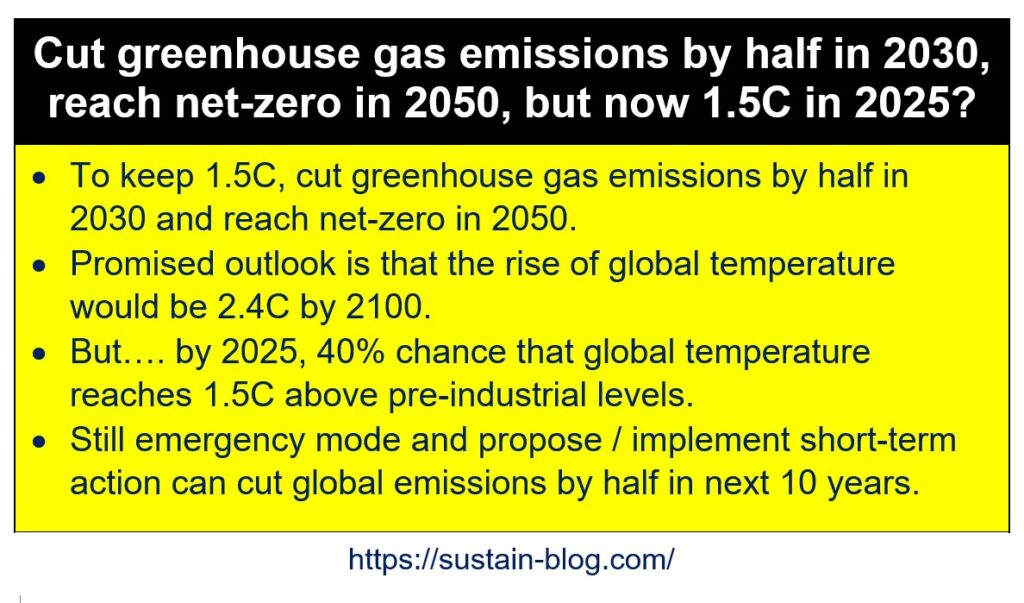
- Implement ambitious nationally determined contributions (NDCs) aligned with the Paris Agreement’s 1.5 °C pathway.
- Phase out coal subsidies and incentivize clean‑energy research and deployment.
- Enforce building codes that require energy‑efficient construction.
- Provide financing and technical support for climate‑resilient agriculture and disaster preparedness in vulnerable regions.
Putting It All Together
Weather change and global warming are interrelated but distinct phenomena: weather reflects short‑term atmospheric fluctuations, whereas global warming denotes the long‑term rise in average temperatures driven by human greenhouse‑gas emissions. Robust observations and assessment reports confirm a warming planet, and the resulting changes amplify extreme weather, affect ecosystems, and pose risks to human health and economies. While uncertainties remain about specific regional thresholds, the high‑confidence findings are sufficient to justify immediate mitigation and adaptation actions. By combining systemic policy measures with informed individual choices, society can limit future warming and build resilience against the impacts already in motion.
Frequently Asked Questions
What is the difference between weather and global warming?
Weather describes short‑term atmospheric conditions like daily temperature and rain, while global warming is the long‑term rise in average global temperature caused mainly by human greenhouse‑gas emissions.
How does the buildup of greenhouse gases lead to global warming?
Greenhouse gases trap infrared radiation emitted by Earth, creating an energy imbalance that raises surface temperatures; increasing CO₂ from about 280 ppm to over 420 ppm since pre‑industrial times has added roughly 0.9 W m⁻² of forcing, driving the observed 1 °C warming.
Why can't a single hot summer prove that the climate is changing?
A single hot summer is part of natural weather variability; climate change is identified by long‑term trends across decades, not by isolated events, although a rising frequency of heatwaves aligns with the warming trend.
What evidence confirms that the planet is warming?
Multiple lines of evidence—instrumental temperature records, satellite measurements, ice‑core data, sea‑level rise, and attribution studies—consistently show a global temperature increase of about 1 °C since the late 19th century.
What actions can individuals take to address global warming?
Individuals can reduce emissions by choosing low‑carbon transportation, improving home energy efficiency, supporting clean‑energy policies, and reducing food waste or meat consumption, all of which contribute to broader societal change.






Leave a Comment