

Quick Answer
Global warming is the long‑term rise in Earth’s average surface temperature caused primarily by the buildup of greenhouse gases—such as carbon dioxide, methane and nitrous oxide—in the atmosphere. These gases trap infrared radiation, creating a warming effect known as the greenhouse effect. The Intergovernmental Panel on Climate Change (IPCC) reports that the global mean temperature has increased by about 1.2 °C since the late 19th century, leading to widespread impacts on weather, ecosystems and human societies. While the overall trend is clear, uncertainties remain regarding the exact magnitude of future changes and regional variations.
Key Takeaways
- Global warming is driven by human‑added greenhouse gases that enhance the natural greenhouse effect.
- Multiple lines of evidence—instrumental records, satellite data and paleoclimate reconstructions—converge on a warming trend.
- Impacts include sea‑level rise, more intense heatwaves, altered precipitation patterns and ecosystem stress.
- Mitigation (reducing emissions) and adaptation (building resilience) are both essential, but each has limits and trade‑offs.
- Individual actions matter most when they support systemic changes in energy, transport and land use.
What Is Global Warming Explained: A Clear Introductory Essay?
Global warming refers to the sustained increase in Earth’s average surface temperature that results from an enhanced greenhouse effect. It is a subset of the broader phenomenon of climate change, which also includes shifts in precipitation, wind patterns and extreme‑event frequency. The term is bounded by the period for which reliable temperature records exist—roughly the past 150 years—and by the anthropogenic (human‑caused) contribution to the greenhouse‑gas inventory. Understanding global warming is crucial because temperature is a primary driver of the Earth system’s energy balance, influencing water cycles, ecosystems and human livelihoods.
How Does It Work?
1. Solar Radiation and Earth’s Energy Budget
Sunlight (shortwave radiation) reaches the planet’s surface, where it is absorbed and later re‑emitted as infrared (longwave) radiation. In a balanced climate, the outgoing longwave energy roughly equals the incoming shortwave energy.
2. Greenhouse‑Gas Absorption
Molecules such as CO₂, CH₄ and N₂O have vibrational modes that absorb infrared photons, preventing some heat from escaping directly to space. This creates a “blanket” that raises the temperature of the lower atmosphere.
3. Feedback Loops
Warming can trigger feedbacks that amplify or dampen the initial change. Examples include:
- Water‑vapour feedback: Warmer air holds more water vapour, itself a potent greenhouse gas.
- Albedo feedback: Melting snow and ice expose darker surfaces that absorb more solar energy.
- Carbon‑cycle feedback: Permafrost thaw releases additional CO₂ and CH₄.
These feedbacks are supported by a mixture of observational data and model simulations, giving them moderate to high confidence.
What Does the Evidence Show?
Long‑term surface‑temperature records from the World Meteorological Organization show a global mean increase of ~1.2 °C between 1880 and 2023. Satellite observations of the lower troposphere confirm the same warming trend. Ocean heat content, measured by Argo floats, has risen steadily, indicating that the majority of excess energy is stored in the oceans.
Attribution studies using detection‑and‑attribution techniques consistently find that more than 95 % of the observed warming since the 1950s is due to anthropogenic greenhouse‑gas emissions (IPCC AR6, 2021). Ice‑core records reveal that current CO₂ concentrations (~419 ppm in 2023) are unprecedented in at least the last 800,000 years.
Main Causes or Drivers
Direct Human Causes
- Burning of fossil fuels for electricity, transport and industry releases ~36 Gt CO₂ per year (Global Carbon Project, 2023).
- Agricultural practices emit methane from livestock and rice paddies, and nitrous oxide from fertiliser use.
- Land‑use change, especially deforestation, reduces the biosphere’s capacity to absorb CO₂.
Underlying Socio‑Economic Drivers
Economic growth, urbanisation, and energy demand patterns create structural incentives for high‑carbon activities. Policy frameworks, market prices for carbon‑intensive commodities and technological availability shape the trajectory of emissions.
Environmental and Human Impacts
Environmental Impacts
- Sea‑level rise of about 20 cm since 1900, driven by thermal expansion and glacier melt (NASA, 2022).
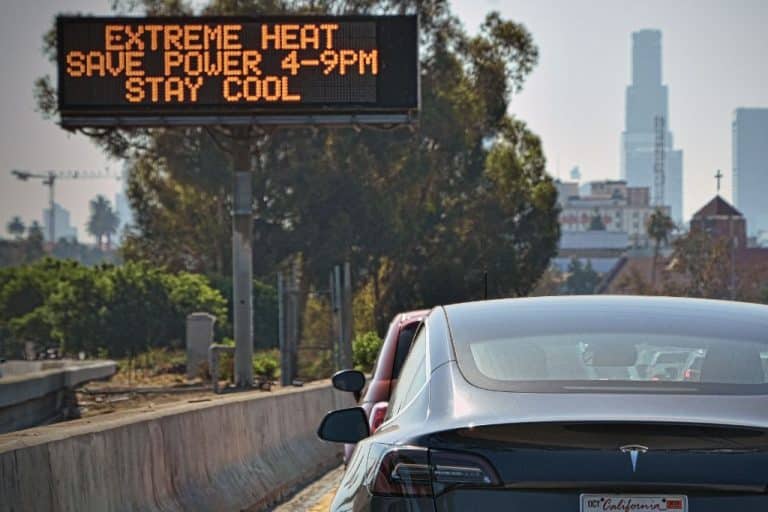
- Increased frequency of extreme heatwaves, which stress terrestrial and marine ecosystems.
- Coral bleaching events linked to ocean‑temperature anomalies, threatening biodiversity and fisheries.
Human Health and Social Impacts
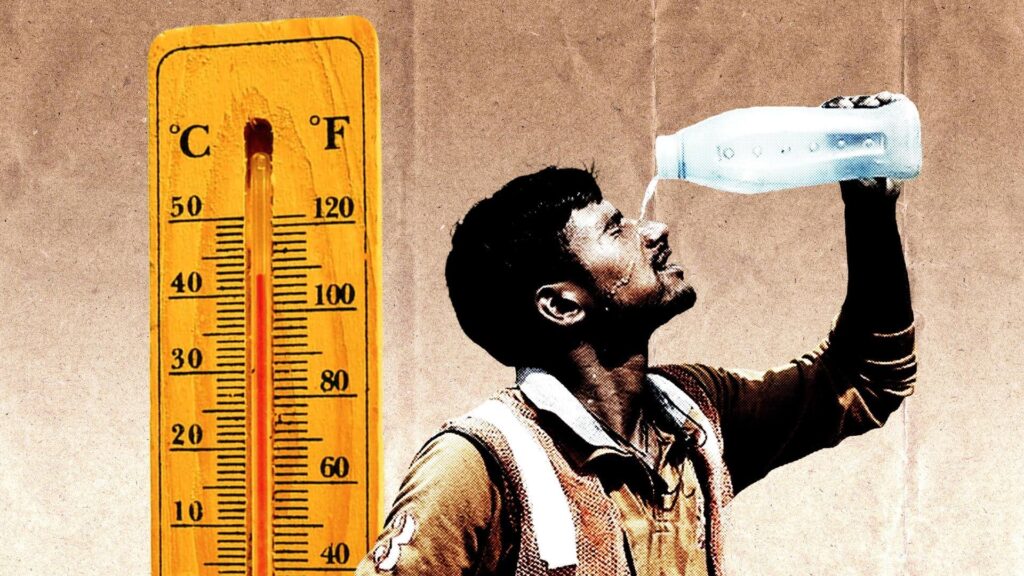
Higher temperatures exacerbate heat‑related illnesses and expand the geographic range of vector‑borne diseases such as dengue. Food security is threatened by reduced crop yields in heat‑stressed regions, while water scarcity intensifies where precipitation patterns shift.
Economic and Infrastructure Impacts
Extreme weather events cause billions of dollars in damage annually, disrupt supply chains and increase insurance costs. Coastal infrastructure faces chronic flood risk, prompting costly adaptation measures.
Regional Differences
Impact severity varies with geography. Low‑lying island nations experience disproportionate sea‑level threats, while Arctic regions see accelerated warming—up to three times the global average—affecting permafrost stability. In contrast, some higher‑latitude areas may see longer growing seasons, yet also face new pest pressures.
What Scientists Know With High Confidence
- The planet’s surface temperature has risen markedly since the pre‑industrial era.
- Human activities, especially fossil‑fuel combustion, are the dominant source of the observed warming.
- Warming leads to sea‑level rise, more frequent heat extremes and shifts in precipitation patterns.
- Reducing greenhouse‑gas emissions can limit the magnitude of future warming.
What Remains Uncertain
Key uncertainties involve the strength of climate feedbacks—particularly cloud responses—and how regional precipitation will change under different warming scenarios. Socio‑economic pathways, such as future energy demand and policy choices, also introduce uncertainty into long‑term projections. These gaps affect the precision of impact forecasts but do not overturn the core conclusion that continued emissions will raise global temperatures.
Common Misconceptions
Misconception: “Global warming is just a few extra degrees, so it can’t be harmful.”
Reality: Even a 1 °C increase can intensify heatwaves, raise sea levels, and disrupt ecosystems already close to critical thresholds.
Misconception: “Only CO₂ matters; other gases are irrelevant.”
Reality: Methane and nitrous oxide have much higher global‑warming potentials per molecule than CO₂, and together they contribute roughly one‑third of total radiative forcing.
Misconception: “The climate has always changed, so current warming is natural.”
Reality: Natural factors such as solar variability and volcanic activity cannot explain the rapid warming observed since the 1950s; the dominant driver is anthropogenic greenhouse‑gas emissions.
Solutions and Limitations
Effective responses fall into three categories: mitigation, adaptation and removal.
Mitigation
- Renewable energy deployment: Solar and wind power can replace coal‑based electricity, but intermittency requires storage or grid upgrades.
- Energy efficiency: Improving building insulation and vehicle fuel economy reduces demand, yet savings depend on market uptake and policy incentives.
- Carbon pricing: Taxes or cap‑and‑trade schemes internalise emissions costs, but political acceptance varies across jurisdictions.
Adaptation
- Coastal defenses: Sea walls and managed retreat protect assets, though they can be costly and may shift risk elsewhere.
- Agricultural resilience: Drought‑tolerant crop varieties and altered planting schedules help, yet they require research and farmer adoption.
Carbon Removal
Afforestation, soil carbon sequestration and emerging direct‑air‑capture technologies can offset emissions, but they face scalability, land‑use competition and high financial costs.
What Individuals, Communities, and Governments Can Do
What Individuals Can Do
- Choose low‑carbon transport options—public transit, cycling, or electric vehicles when feasible.
- Reduce household energy use through efficient appliances and smart thermostats.
- Support policies and companies that prioritize renewable energy and carbon pricing.
What Communities and Organizations Can Do
- Implement local renewable‑energy projects, such as community solar farms.
- Adopt green‑building standards for new construction and retrofits.
- Develop climate‑action plans that map vulnerability and prioritize adaptation measures.
What Governments Can Do
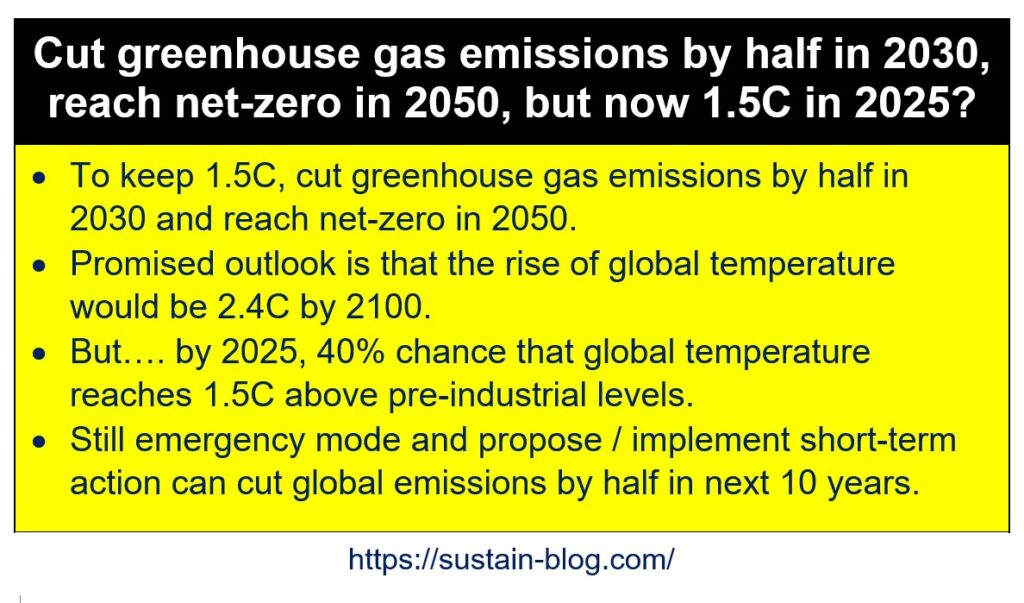
- Set ambitious national emissions‑reduction targets aligned with the Paris Agreement’s 1.5 °C pathway.
- Invest in public‑transport infrastructure and grid modernization.
- Enforce land‑use regulations that protect forests and promote sustainable agriculture.
Closing Synthesis
Global warming is a well‑documented increase in Earth’s average temperature driven chiefly by human‑added greenhouse gases. Robust observational records and attribution studies give scientists high confidence in the core mechanisms and impacts, while uncertainties remain around feedback strength and regional climate responses. Mitigation, adaptation and carbon‑removal strategies each offer pathways to limit harm, but all have practical limits and trade‑offs. Meaningful progress requires coordinated action across individuals, communities, industry and government, guided by the best available science.
Frequently Asked Questions
What is the definition of global warming?
Global warming is the long‑term rise in Earth's average surface temperature caused primarily by the buildup of greenhouse gases such as carbon dioxide, methane and nitrous oxide in the atmosphere.
How do greenhouse gases lead to higher temperatures?
Greenhouse gases absorb infrared radiation emitted from Earth's surface, trapping heat and preventing it from escaping to space. This process, known as the greenhouse effect, raises the temperature of the lower atmosphere.
What evidence shows that the planet is warming?
Instrumental records show a ~1.2 °C increase since the late 19th century, satellite data confirm warming of the lower troposphere, ocean heat content has risen, and ice‑core data reveal unprecedented CO₂ levels above 400 ppm.
Which human activities are the main drivers of global warming?
The principal drivers are burning fossil fuels for energy and transport, agricultural emissions of methane and nitrous oxide, and deforestation that reduces the land's capacity to absorb carbon dioxide.
What actions can individuals take to reduce their carbon footprint?
Individuals can lower emissions by using public transit, cycling or electric vehicles, improving home energy efficiency, reducing meat consumption, and supporting policies and companies that prioritize renewable energy and carbon pricing.






Leave a Comment