
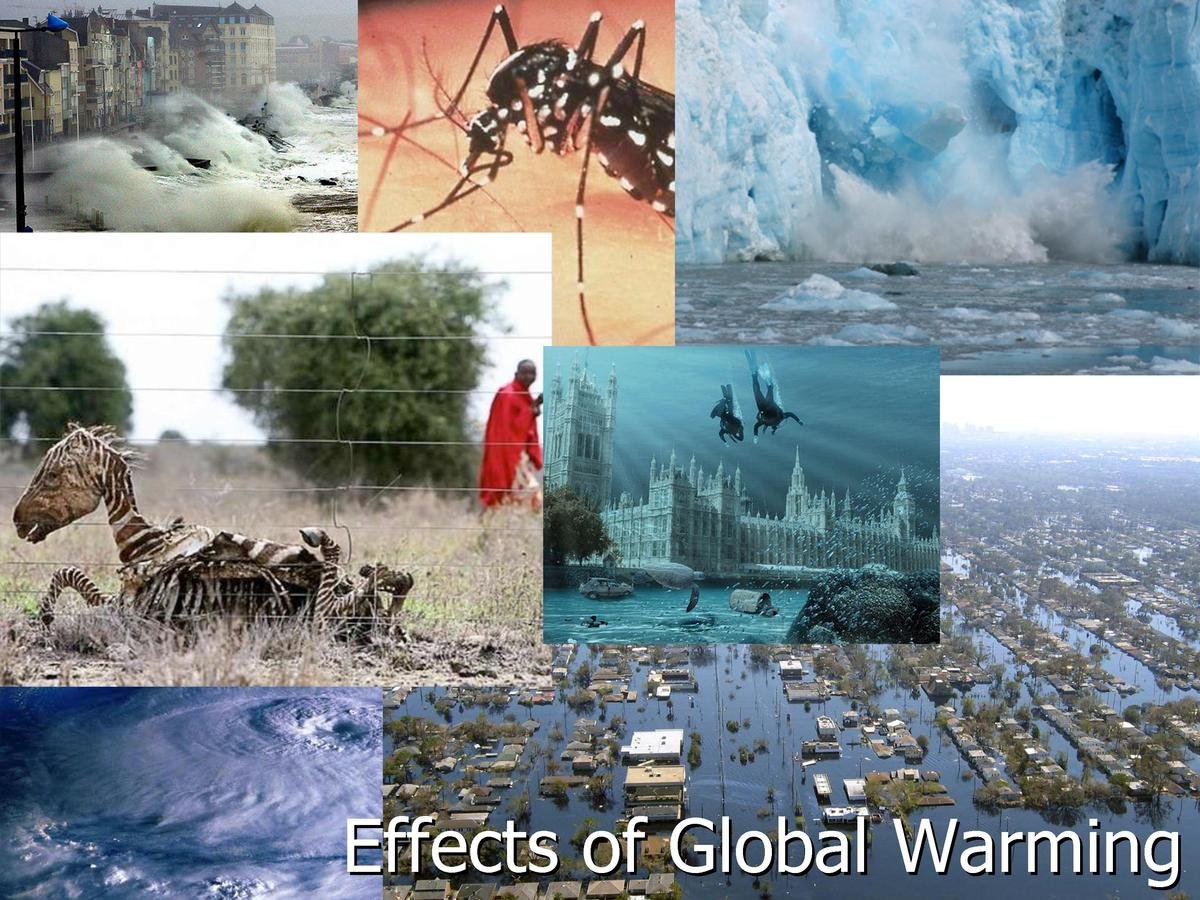
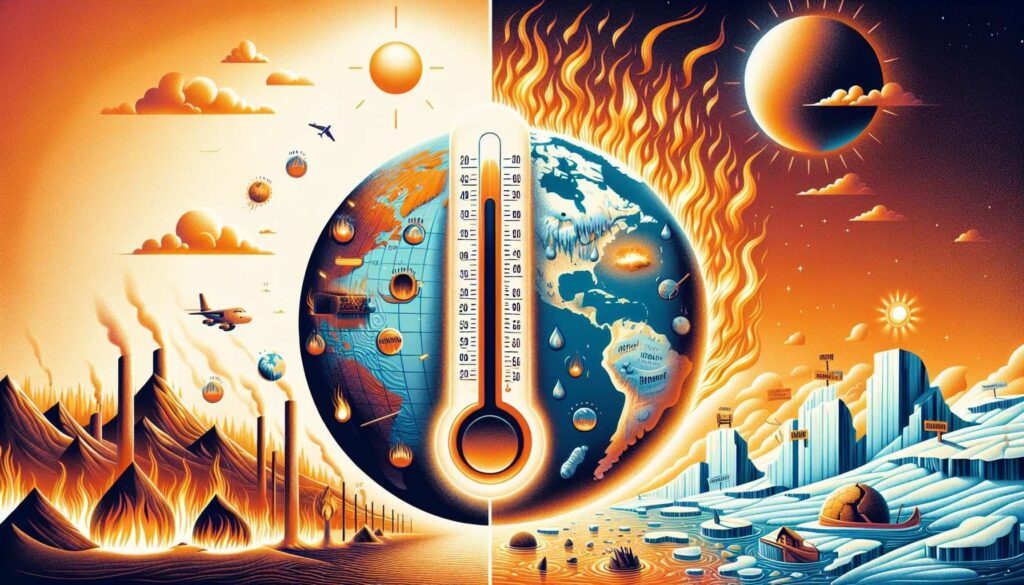
Global warming reshapes everyday life by altering weather, food supplies, health, transportation and mental wellbeing, creating both immediate challenges and long‑term adaptation needs worldwide.
Quick Answer
Global warming is the long‑term increase in average Earth temperatures caused mainly by human‑released greenhouse gases. The warming modifies atmospheric circulation, intensifies extreme weather, and shifts ecological patterns, which together affect the food we eat, the air we breathe, the safety of our homes and the stability of our mental health. While the overall direction of impact is well established, the exact timing and severity for any individual location remain uncertain.
Key Takeaways
- Rising temperatures increase the frequency of heatwaves, worsening air quality and heat‑related illnesses.
- Erratic precipitation and extreme events disrupt agriculture, leading to higher food prices and occasional shortages.
- Infrastructure such as roads, bridges and power grids faces accelerated degradation from heat and flooding.
- Vector‑borne diseases expand northward as mosquitoes and ticks find new suitable habitats.
- Mental‑health stress grows as people confront climate‑related uncertainty and loss.
- Adaptation and mitigation require coordinated action across individuals, communities, businesses and governments.
What Is How Global Warming Affects People’s Daily Lives?
The phrase refers to the concrete ways in which a warming climate influences routine activities—what we eat, how we travel, the quality of the air we inhale, and the psychological stress we experience. It encompasses both direct physical changes (e.g., hotter afternoons) and indirect social‑economic effects (e.g., higher grocery bills). Unlike abstract climate science, this perspective focuses on lived experience and the practical implications for households, workplaces and public services.
How Does It Work?
1. Greenhouse‑Gas Accumulation
Human activities such as fossil‑fuel combustion, cement production and deforestation release carbon dioxide (CO₂), methane (CH₄) and other gases that trap infrared radiation. The Intergovernmental Panel on Climate Change (IPCC) reports that atmospheric CO₂ rose from about 280 ppm in pre‑industrial times to 417 ppm in 2022, driving a global‑average temperature increase of roughly 1.1 °C.
2. Altered Atmospheric Circulation
More heat energises the jet stream and alters pressure gradients, leading to slower‑moving weather systems. This makes heatwaves last longer and increases the likelihood of extreme precipitation events, as documented in long‑term monitoring by national meteorological agencies.
3. Ecosystem Response
Plants, insects and marine organisms respond to temperature and moisture changes. Crop phenology shifts, pests expand their range, and coral bleaching becomes more frequent, all of which feed back into human systems that depend on these ecosystems.
4. Societal Exposure
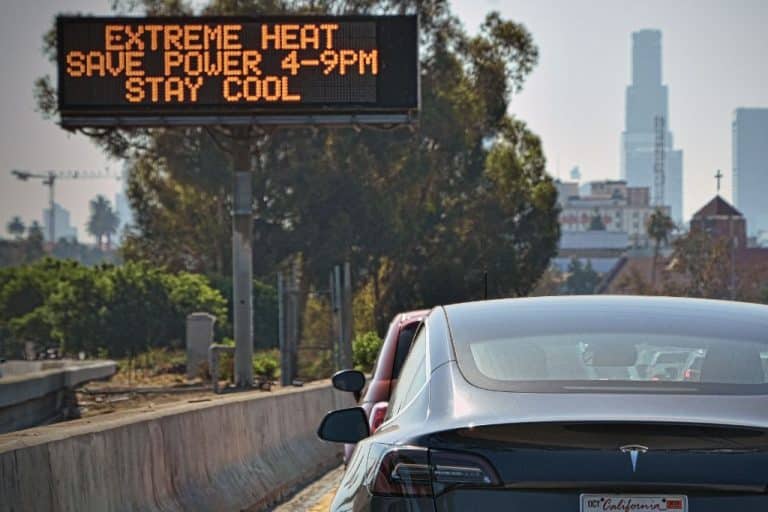
When weather extremes intersect with densely populated areas, the impacts become part of daily life—commutes are delayed by floods, energy demand spikes during heatwaves, and health services see more respiratory cases.
What Does the Evidence Show?
Multiple lines of evidence converge on a clear picture:
- Instrumental temperature records from the World Meteorological Organization show a consistent upward trend since the late 19th century.
- Attribution studies published in peer‑reviewed journals link the increase in heat‑related mortality to rising baseline temperatures (e.g., a 2018 systematic review in *The Lancet*).
- Longitudinal agricultural data reveal that yields of heat‑sensitive crops such as wheat have declined in regions experiencing >2 °C warming (FAO, 2021).
- Public‑health surveillance in the United States indicates a rise in ozone‑related asthma visits correlated with higher summer temperatures (CDC, 2020).
- Model ensembles used by the IPCC project that, under a high‑emissions scenario, extreme heat days could increase by 30–50 % in temperate zones by 2050.
These observations are supported by laboratory experiments, field trials and satellite monitoring, providing strong, moderate and emerging evidence across disciplines.
Main Causes or Drivers
Direct Human Drivers
- Fossil‑fuel combustion for electricity, transport and industry (largest CO₂ source).
- Agricultural practices that emit methane from livestock and rice paddies.
- Land‑use change, especially deforestation, which reduces carbon sinks.
Amplifying Natural Factors
- Changes in solar radiation are minor compared with anthropogenic forcing (IPCC, 2021).
- Natural climate variability (e.g., El Niño) can temporarily boost or mask warming trends but does not drive the long‑term rise.
Environmental and Human Impacts
Environmental Impacts
Warmer oceans accelerate coral bleaching, threaten marine biodiversity and reduce fishery productivity. Terrestrial ecosystems experience shifts in species ranges, with some forests transitioning to savanna‑like states under prolonged drought.
Human Health and Social Impacts
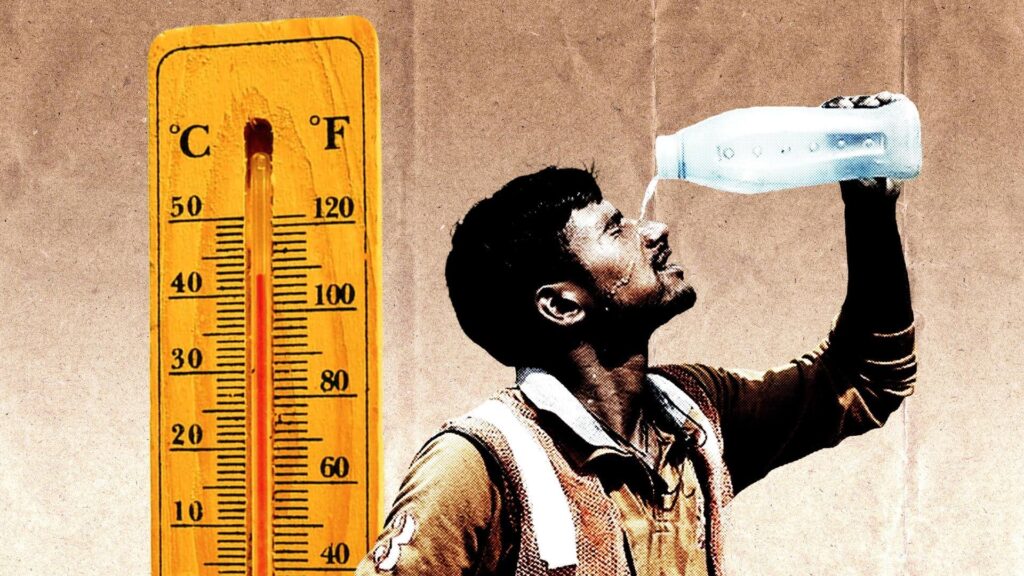
- Heat stress: Increased mortality among older adults during heatwaves, as shown by a global meta‑analysis (2020).
- Air quality: Higher temperatures boost ground‑level ozone formation, worsening asthma and chronic obstructive pulmonary disease.
- Vector‑borne disease: The geographic range of Aedes mosquitoes has moved northward in North America and Europe, raising the risk of dengue and Zika.
- Mental health: Surveys across 25 countries reveal heightened climate‑related anxiety, especially among youth.
Economic and Infrastructure Impacts
Extreme precipitation damages roads and bridges, leading to longer commute times and higher maintenance costs. Heat accelerates pavement softening, reducing roadway lifespan by up to 30 % in some regions (U.S. DOT, 2019). Energy grids face strain from simultaneous cooling‑demand peaks and reduced hydropower generation during droughts.
Regional Differences
Impacts are not uniform:
- Low‑latitude, arid regions: More frequent droughts threaten water security and grain production.
- Temperate coastal zones: Sea‑level rise and storm surges increase flood risk for densely populated cities such as New York, Shanghai and Lagos.
- High‑latitude areas: Thawing permafrost releases methane, while longer growing seasons can initially boost some crops but also invite invasive species.
- Developing economies: Limited adaptive capacity makes food price spikes and heat stress more acute for low‑income households.
What Scientists Know With High Confidence
- Human activities are the dominant cause of observed warming since the mid‑20th century.
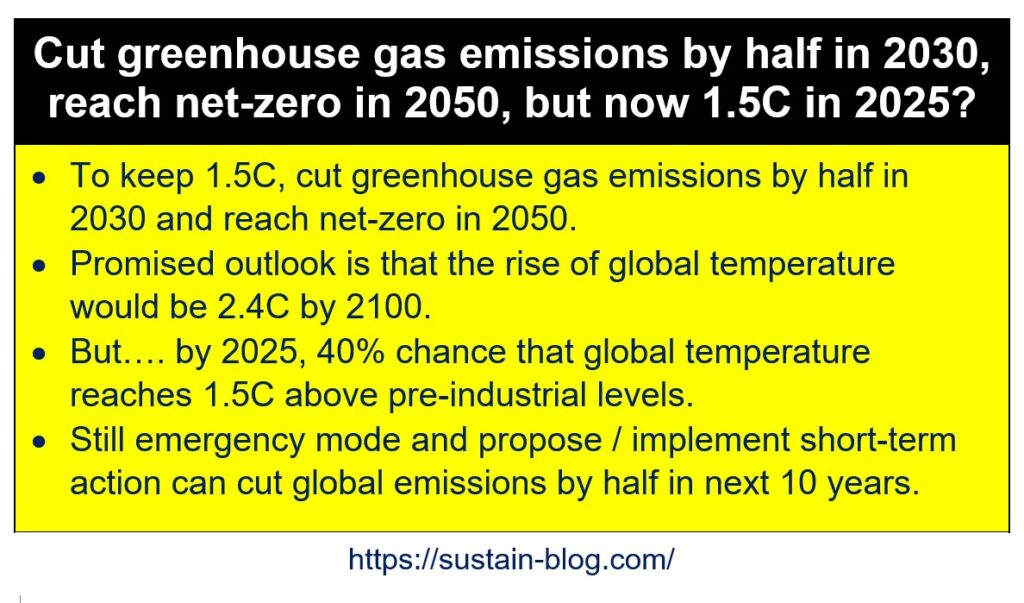
- Global average temperature has risen by about 1.1 °C relative to pre‑industrial levels.
- Heatwaves, heavy precipitation events and marine heat stress have become more frequent and intense.
- Air‑quality degradation from higher ozone levels is linked to increased respiratory illness.
- Climate change disproportionately affects vulnerable populations, including the elderly, children, low‑income communities and those in hot or flood‑prone regions.
What Remains Uncertain
Key gaps include the exact magnitude of future methane feedbacks from thawing permafrost, regional precipitation projections for mid‑latitude basins, and the long‑term health outcomes of combined heat‑air‑pollution exposure. Uncertainty arises from limited observational networks in some regions, model parameterisation of cloud processes, and the unpredictable trajectory of global emissions based on policy and technology choices.
Common Misconceptions
Misconception: Global warming only means hotter summers.
Reality: While average temperatures rise, the climate system also produces more extreme cold events, altered precipitation patterns and sea‑level rise, all of which affect daily life.
Misconception: Climate change impacts are felt only in distant places.
Reality: Urban heat islands intensify heat stress in cities worldwide, and supply‑chain disruptions can raise food prices even in regions far from the original climate event.
Misconception: Individual lifestyle changes can solve climate change alone.
Reality: Personal actions matter for reducing exposure and supporting systemic change, but large‑scale mitigation requires coordinated policy, industry shifts and infrastructure investment.
Solutions and Limitations
Response strategies fall into three broad categories:
- Mitigation: Rapid decarbonisation of energy, transport and industry can limit warming. Renewable‑energy deployment is cost‑effective in many regions, yet intermittency and grid upgrades pose challenges.
- Adaptation: Heat‑resilient building design, upgraded storm‑water systems and climate‑smart agriculture protect communities. Adaptation often requires substantial capital and may be constrained by land‑use conflicts.
- Nature‑based solutions: Restoring wetlands, afforestation and urban green spaces provide flood mitigation and cooling benefits. However, these measures depend on water availability and can compete with food production.
Each approach carries trade‑offs: mitigation can be politically contentious; adaptation may create displacement if protective infrastructure favours some neighborhoods over others; nature‑based actions need long‑term maintenance and clear governance.
What Individuals, Communities, and Governments Can Do
What Individuals Can Do
- Reduce indoor heat exposure by improving insulation and using fans instead of air‑conditioning when possible.
- Choose lower‑carbon transport options—public transit, cycling, or electric vehicles where charging infrastructure exists.
- Support local, climate‑resilient food systems by buying seasonal produce and reducing food waste.
- Participate in community emergency‑preparedness drills and stay informed about local heat‑wave alerts.
What Communities and Organizations Can Do
- Implement green‑infrastructure projects such as tree planting along streets to lower urban temperatures.
- Adopt climate‑smart agricultural practices—crop diversification, soil‑carbon sequestration and efficient irrigation.
- Develop affordable cooling centres for vulnerable residents during extreme heat events.
- Integrate climate risk assessments into local zoning and building codes.
What Governments Can Do
- Enact and enforce emissions‑reduction targets aligned with the Paris Agreement, prioritising sectors with the largest carbon footprints.
- Invest in resilient infrastructure—flood‑resistant bridges, heat‑tolerant road materials, and upgraded power grids.
- Provide subsidies or tax incentives for renewable‑energy installations and energy‑efficiency retrofits.
- Support public‑health programs that monitor heat‑related illnesses and expand access to air‑quality alerts.
Synthesis
Global warming reshapes everyday life through hotter temperatures, more erratic weather, and cascading effects on food, health, infrastructure and mental wellbeing. The scientific consensus, backed by robust observations and modelled projections, confirms human‑driven warming as the primary driver. While uncertainties remain regarding regional precipitation trends and feedback loops, the overarching risk is clear. Mitigation, adaptation and nature‑based actions together offer the most effective pathway, but each carries trade‑offs that require careful planning. Individual choices matter most when they reinforce broader systemic change, creating resilient communities capable of thriving in a warming world.
Frequently Asked Questions
What is the main way global warming influences daily life?
Global warming changes everyday life by altering weather patterns, which affect heat exposure, air quality, water availability, food production and the reliability of infrastructure such as roads and power grids.
How does higher temperature affect human health?
Higher temperatures increase the risk of heat‑related illnesses, worsen air‑pollution‑related respiratory problems, and expand the habitats of disease‑carrying insects, leading to more frequent heat stress, asthma attacks and vector‑borne infections.
Why are food prices rising because of climate change?
Climate‑induced droughts, floods and shifting growing seasons reduce crop yields in many regions, which tightens supply and drives up market prices for staples such as wheat, corn and rice.
What regional differences exist in climate‑change impacts?
Arid low‑latitude areas face more severe droughts, temperate coastal cities confront sea‑level rise and storm surges, high‑latitude regions experience permafrost thaw and changing pest ranges, and low‑income nations often lack resources to adapt.
What actions can communities take to reduce climate‑related risks?
Communities can invest in green infrastructure like urban trees, adopt climate‑smart agriculture, create cooling centres for vulnerable residents, and integrate climate risk assessments into zoning and building codes.






Leave a Comment