
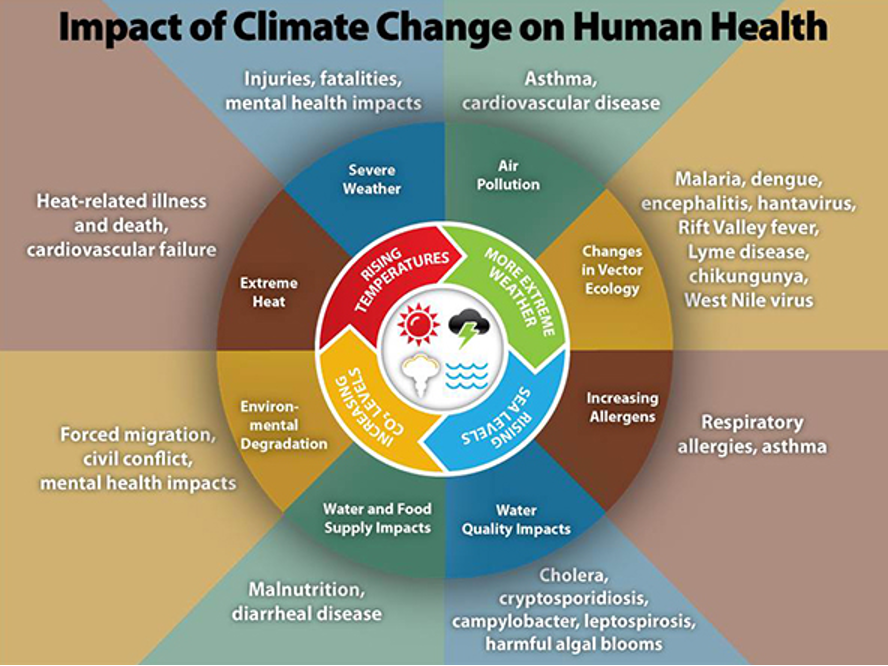
Global warming intensifies heat stress, spreads disease vectors, undermines food and water security, and heightens mental‑health risks, creating a complex public‑health challenge that demands coordinated mitigation and adaptation.
Quick Answer
Global warming alters temperature, precipitation, and extreme‑event patterns, which in turn increase heat‑related illness, expand the geographic range of mosquitoes and ticks, disrupt agricultural yields, and elevate stress and anxiety; the scientific consensus, as summarized in the Intergovernmental Panel on Climate Change (IPCC) reports, confirms these pathways while acknowledging uncertainty in the magnitude of future impacts.
Key Takeaways
- Heatwaves directly raise the risk of heat exhaustion, heat stroke, and cardiovascular events, especially for the elderly and chronically ill.
- Warmer climates lengthen breeding seasons of disease‑carrying insects, leading to more frequent dengue, malaria, and Lyme disease outbreaks.
- Climate‑driven crop failures and water scarcity increase malnutrition and exacerbate chronic diseases in vulnerable populations.
- Mental‑health disorders such as anxiety, depression, and post‑traumatic stress rise after climate‑related disasters and with the threat of displacement.
- Socio‑economic inequities amplify exposure and limit adaptive capacity, making low‑income and marginalized groups the most affected.
What Is The Real Impact of Global Warming on Human Health?
The impact encompasses all health outcomes that are directly or indirectly linked to climate‑induced changes in the physical environment. It includes acute events (heatstroke, injuries from storms), infectious‑disease dynamics, nutrition‑related conditions, and psychological stressors. The scope is global but varies strongly with geography, development level, and demographic characteristics. Distinguishing climate‑related health effects from other environmental hazards (e.g., air pollution unrelated to climate) is essential for targeted policy.
How Does It Work?
1. Heat Stress and Cardiovascular Strain
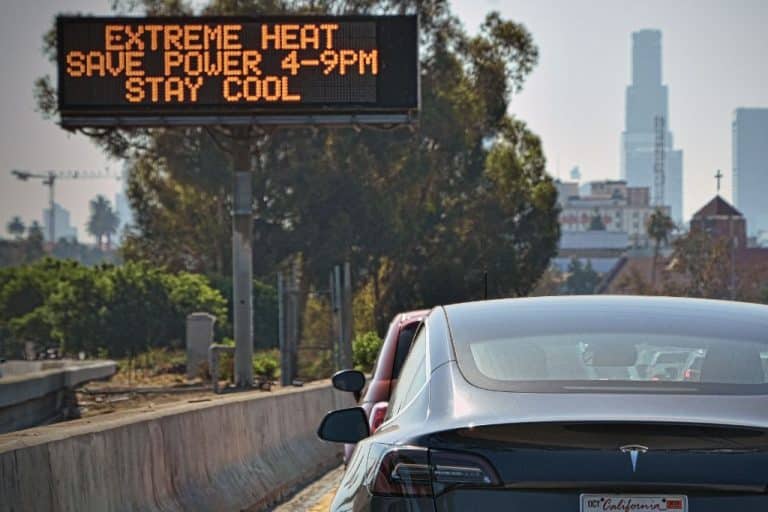
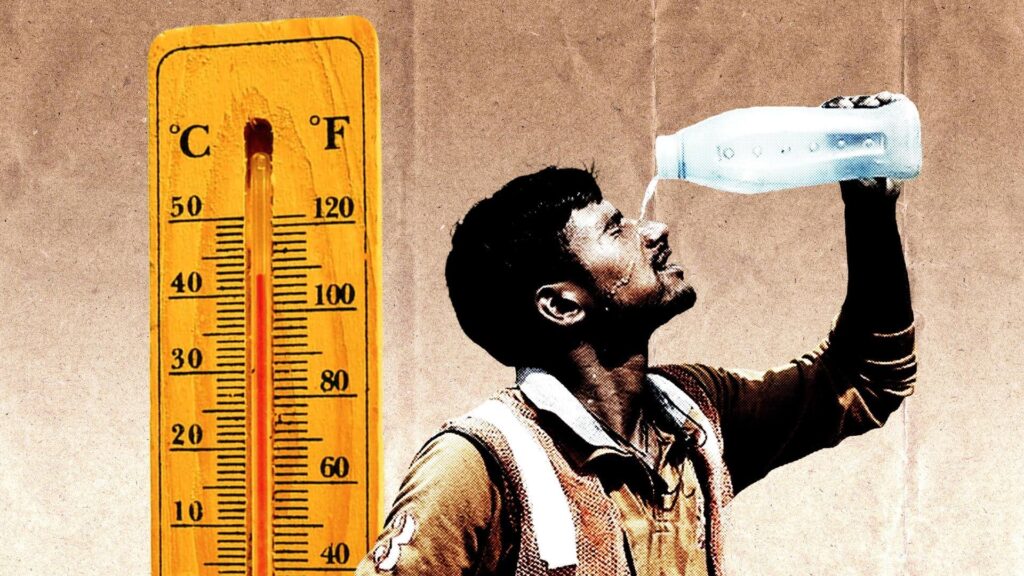
Rising ambient temperatures increase core body temperature, forcing the cardiovascular system to work harder to dissipate heat. When heat exceeds the body’s capacity to cool, heat‑related illnesses occur. Urban “heat islands” amplify this effect, especially where green space is limited.
2. Expansion of Vector‑Borne Diseases
Temperature and humidity govern the life cycles of mosquitoes, ticks, and sandflies. Warmer winters and longer summers allow vectors to survive in regions previously too cold, extending the transmission season for diseases such as malaria, dengue fever, and Lyme disease. Changes in precipitation create new breeding habitats.
3. Disruption of Food and Water Systems
Crop yields depend on optimal temperature ranges and water availability. Heat stress, drought, and flood events reduce yields of staples like wheat, rice, and maize, raising the risk of food insecurity and micronutrient deficiencies. Contaminated water supplies after floods increase diarrheal disease incidence.
4. Air‑Quality Interactions
Higher temperatures accelerate the formation of ground‑level ozone and increase wild‑fire activity, both of which aggravate respiratory conditions such as asthma and chronic obstructive pulmonary disease (COPD).
5. Psychological and Social Stressors
Experiencing or anticipating climate‑related loss (homes, livelihoods, cultural sites) triggers chronic stress, anxiety, and depressive disorders. Displacement creates “climate refugees,” who face loss of social networks and heightened mental‑health burdens.
What Does the Evidence Show?
Long‑term monitoring by the World Health Organization (WHO) and national health agencies documents a rise in heat‑related mortality: between 1998 and 2017, excess deaths attributable to heatwaves increased by 53 % in Europe (WHO, 2021). Systematic reviews of epidemiological studies link each 1 °C rise in average temperature to a 2.5 % increase in cardiovascular mortality (IPCC, 2021). Attribution studies show that the geographic range of Aedes aegypti, the dengue vector, has expanded northward by roughly 5 ° latitude since the 1970s (CDC, 2022). Meta‑analyses of agricultural data indicate that for each 1 °C rise in mean temperature, global wheat yields decline by 6 % (FAO, 2020). Mental‑health surveys after major hurricanes in the United States reveal a 30 % increase in post‑traumatic stress symptoms among affected residents (NIH, 2020). Together, these independent lines of evidence support a robust association between climate change and multiple health outcomes.
Main Causes or Drivers
Greenhouse‑Gas Emissions
Combustion of fossil fuels releases carbon dioxide, methane, and nitrous oxide, trapping infrared radiation and raising global mean surface temperature by about 1.2 °C above pre‑industrial levels (IPCC, 2021).
Land‑Use Change
Deforestation and urban expansion reduce natural cooling and increase runoff, intensifying heat islands and flood risk, which in turn affect health.
Socio‑Economic Vulnerability
Poverty, inadequate housing, limited healthcare access, and occupational exposure (e.g., outdoor labor) magnify the health impacts of climate stressors.
Environmental and Human Impacts
Environmental Impacts
Altered precipitation patterns shift ecosystem composition, affecting water quality and biodiversity that underpin ecosystem services such as pollination and disease regulation.
Human Health and Social Impacts
Heat‑related emergency visits have risen in cities across Asia, Africa, and North America. Vector‑borne disease incidence has increased in high‑altitude regions of the Andes and the Himalayas. Food‑insecurity indices show heightened risk in sub‑Saharan Africa, where climate variability already threatens staple production.
Economic and Infrastructure Impacts
Health‑care costs related to climate‑sensitive conditions are projected to rise by 4 % globally by 2050 (World Bank, 2022). Power‑grid failures during heatwaves exacerbate medical device failures and strain emergency response.
Regional Differences
In tropical low‑latitude regions, the primary concern is intensified heat stress and expanded malaria transmission. Temperate zones experience rising heatwave frequency and northward spread of Lyme disease. Arctic communities face permafrost thaw that contaminates water supplies and disrupts traditional food sources. Low‑income urban neighborhoods in megacities suffer from compounded heat island effects and limited access to cooling centers.
What Scientists Know With High Confidence
- Human activities are the dominant driver of global warming since the mid‑20th century (IPCC, 2021).
- Heatwaves increase mortality and morbidity, with the strongest effects among the elderly and those with pre‑existing cardiovascular disease.
- Warmer temperatures expand the geographic range and seasonal activity of many disease vectors.
- Climate‑induced disruptions to agriculture reduce food availability and raise the risk of undernutrition.
- Air‑quality degradation linked to higher temperatures aggravates respiratory illness.
What Remains Uncertain
Key uncertainties include the exact magnitude of future disease‑vector expansion under different mitigation scenarios, the interaction between climate change and socioeconomic development on health outcomes, and the long‑term mental‑health impacts of chronic climate anxiety. Limited surveillance in low‑resource settings hampers precise quantification of heat‑related deaths in many parts of the world. Improved data collection and integrated modelling are needed to narrow these gaps.
Common Misconceptions
Misconception: Climate change only causes “cold‑related” illnesses.
Reality: The predominant health burden stems from heat‑related conditions, vector‑borne disease spread, and food‑security challenges, not from colder temperatures.
Misconception: Only people in poor countries are affected.
Reality: While low‑income regions face higher exposure, heatwaves and air‑quality impacts also cause significant morbidity in high‑income nations, particularly in vulnerable urban populations.
Misconception: Reducing personal carbon footprints will eliminate health risks.
Reality: Individual actions help lower emissions, but systemic mitigation, infrastructure investment, and public‑health preparedness are essential to substantially reduce climate‑related health threats.
Misconception: Climate change will eliminate all infectious diseases.
Reality: Warmer climates create favorable conditions for many pathogens, potentially increasing, not eliminating, disease burdens.
Misconception: Adaptation alone can solve the health problem.
Reality: Adaptation reduces vulnerability, but without concurrent mitigation of greenhouse‑gas emissions, the underlying drivers of health impacts will continue to intensify.
Solutions and Limitations
Effective responses combine mitigation (reducing emissions) with adaptation (building resilience). Mitigation actions such as rapid decarbonisation of energy and transport sectors lower future temperature rise, but require substantial investment, policy coordination, and technology deployment. Adaptation measures—early‑warning heat‑wave alerts, vector‑control programs, climate‑smart agriculture, and resilient water infrastructure—provide immediate health benefits, yet may be constrained by funding gaps and governance capacity. Nature‑based solutions (e.g., urban greening) improve cooling and air quality but need land‑use planning and maintenance.
What Individuals, Communities, and Governments Can Do
What Individuals Can Do
- Support policies that accelerate renewable‑energy adoption.
- Use energy‑efficient appliances and reduce waste to lower personal emissions.
- Stay informed about heat‑wave warnings and maintain hydration and cooling strategies during extreme heat.
- Participate in community tree‑planting or green‑space initiatives that mitigate urban heat islands.
What Communities and Organizations Can Do
- Develop and fund local heat‑health action plans, including cooling centers and outreach to at‑risk residents.
- Implement integrated vector‑management programs that combine surveillance, habitat reduction, and public education.
- Adopt climate‑smart agricultural practices—such as drought‑tolerant crop varieties and efficient irrigation—to protect food security.
- Provide mental‑health services and disaster‑recovery counseling for climate‑affected populations.
What Governments Can Do
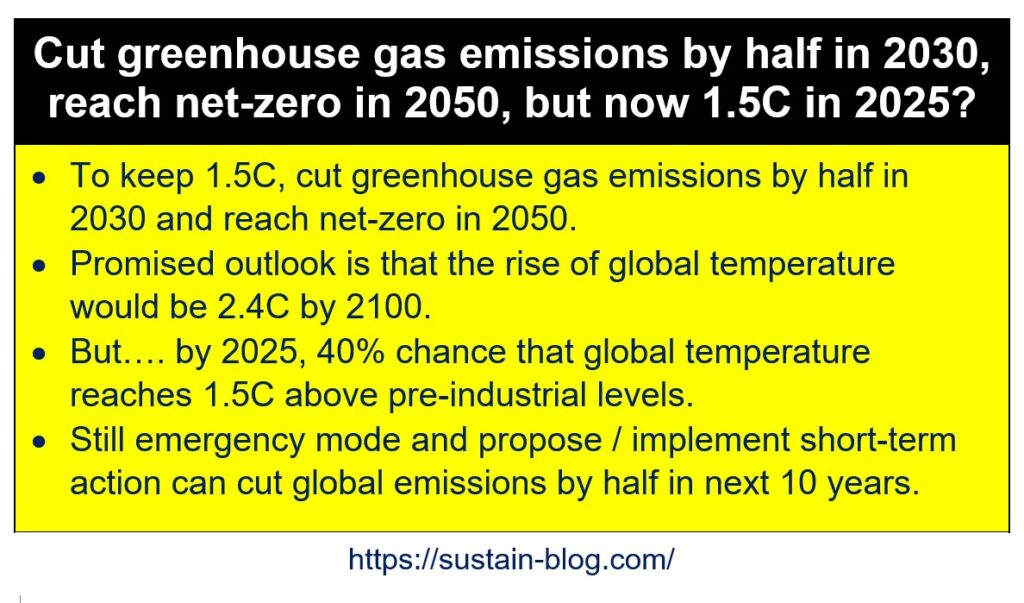
- Enforce emission‑reduction targets aligned with the Paris Agreement to limit global temperature rise.
- Invest in resilient health‑care infrastructure, including backup power for hospitals during extreme events.
- Strengthen disease‑surveillance systems, especially in regions where vectors are emerging.
- Allocate resources for climate‑adaptation research, focusing on vulnerable demographics.
- Incorporate health impact assessments into all major climate‑related policies.
What Businesses and Industries Can Do
- Transition to low‑carbon production processes and disclose climate‑related health risks.
- Design workplaces with adequate ventilation, heat mitigation, and occupational health safeguards.
- Support supply‑chain resilience to avoid food‑price spikes that can affect nutrition.
Closing Synthesis
Global warming reshapes the environment in ways that directly influence human health through heat stress, disease dynamics, nutrition, air quality, and mental well‑being. Strong evidence links these pathways, while uncertainties remain about the precise scale of future impacts. Reducing emissions, strengthening public‑health systems, and implementing targeted adaptation measures together offer the most effective route to protect health now and for future generations.
Frequently Asked Questions
What are the main ways climate change impacts human health?
Climate change affects health through heat‑related illnesses, the spread of vector‑borne diseases such as malaria and dengue, reduced food and water security that can cause malnutrition, worsening air quality that aggravates respiratory conditions, and increased mental‑health stress from disasters and displacement.
How does global warming increase the risk of heat‑related illnesses?
Higher ambient temperatures raise core body temperature, forcing the cardiovascular system to work harder to dissipate heat. When cooling mechanisms are overwhelmed, conditions like heat exhaustion and heat stroke occur, especially among the elderly and those with pre‑existing heart disease.
Which diseases are expected to spread because of warmer climates?
Warmer temperatures expand the habitats of mosquitoes and ticks, leading to broader transmission of diseases such as malaria, dengue fever, and Lyme disease. These vectors can survive longer seasons and move into regions that were previously too cool for them.
What actions can governments take to protect public health from climate change?
Governments can enforce emission‑reduction targets, invest in resilient health‑care infrastructure, develop heat‑wave early‑warning systems, strengthen disease‑surveillance networks, fund climate‑smart agriculture, and integrate health impact assessments into all major climate policies.
Why are low‑income communities more vulnerable to climate‑related health impacts?
Low‑income communities often lack adequate housing, access to health care, and resources for cooling or safe water, making them more exposed to heat, vector‑borne diseases, and food insecurity. Social and economic inequities also limit their ability to adapt to climate stresses.






Leave a Comment