
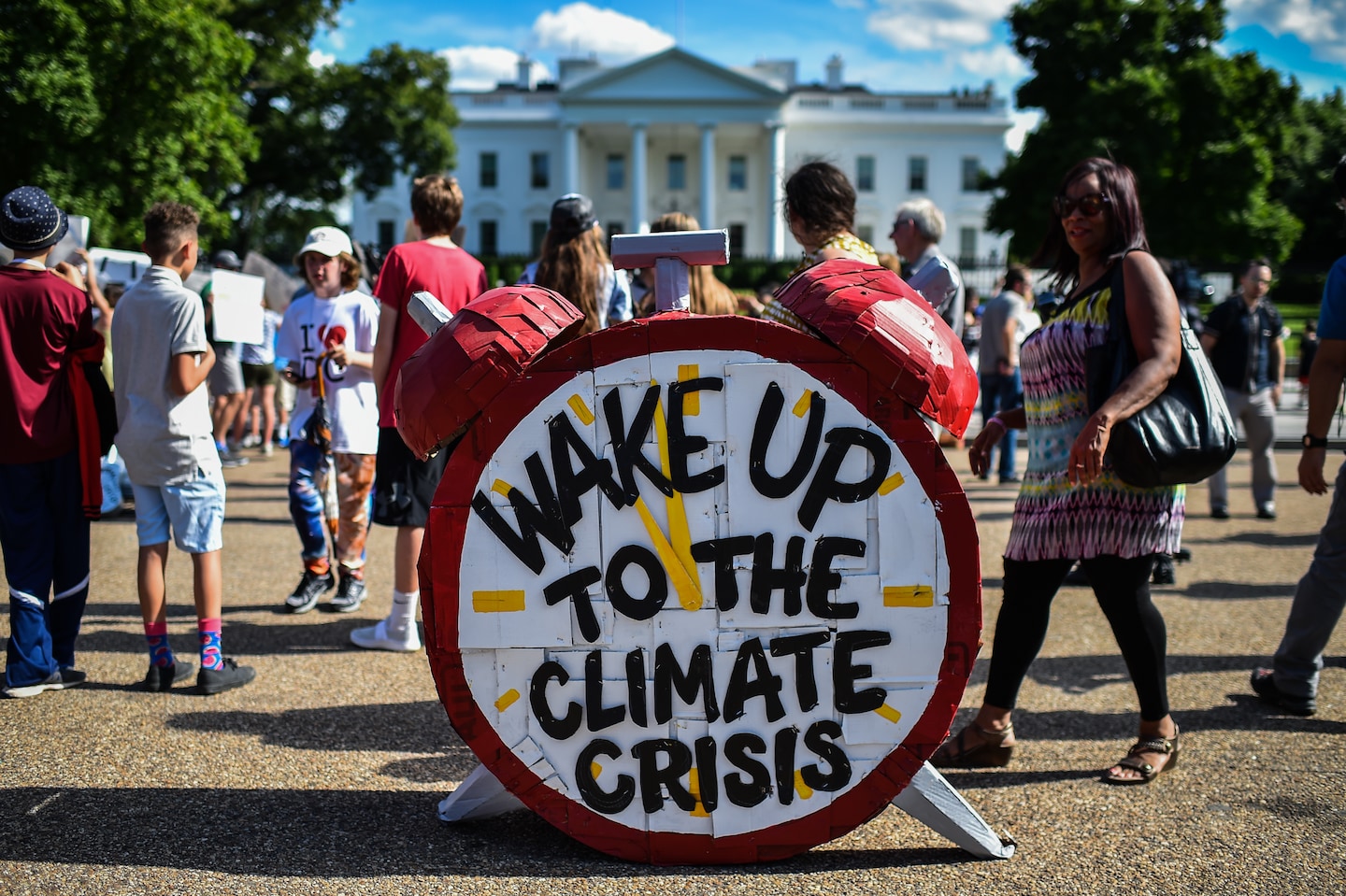
The United States’ status in the Paris Agreement has shifted multiple times, and understanding the reality of a potential re‑exit requires clear facts about the treaty, the evidence on emissions, and the broader environmental and policy implications.
Quick Answer
The United States has not announced a new withdrawal from the Paris Agreement since rejoining in early 2021, and no formal legal step has been taken to exit again. The Paris Agreement is a non‑binding international accord that obliges signatories to submit nationally determined contributions (NDCs) and report progress. While a future withdrawal remains politically possible, the current legal framework, existing state‑level climate commitments, and global monitoring mechanisms make an immediate exit unlikely. Uncertainty remains around domestic political shifts that could influence future actions.
Key Takeaways
- The United States re‑entered the Paris Agreement in February 2021 and has not taken formal steps to leave again.
- Federal policy can change, but subnational governments and many private actors continue to uphold Paris‑aligned goals.
- High‑confidence scientific evidence links U.S. emissions to global warming; a withdrawal would weaken collective mitigation efforts.
- Uncertainty surrounds political will, but the treaty’s transparency and accountability mechanisms limit the impact of a unilateral exit.
- Effective climate action combines federal leadership, state initiatives, business innovation, and individual engagement.
What Is “Is the U.S. Leaving the Paris Agreement Again? Here’s the Reality?”
This phrase refers to the recurring public and media speculation about whether the United States will once more abandon its commitments under the 2015 Paris Agreement. The Paris Agreement is an international treaty adopted by 196 parties that aims to limit global temperature rise to well below 2 °C above pre‑industrial levels, with an aspirational goal of 1.5 °C. The United States originally signed the accord, announced a withdrawal in 2020, and formally re‑joined in 2021. The question therefore concerns the legal status, political likelihood, and environmental consequences of a potential second withdrawal.
How Does the Paris Agreement Operate?
1. Nationally Determined Contributions (NDCs)
Each party submits an NDC outlining projected reductions in greenhouse‑gas emissions and related policies. NDCs are updated every five years, creating a “ratchet‑up” mechanism.
2. Transparency and Global Stocktake
Countries report emissions data and progress annually. Every three years a Global Stocktake evaluates collective achievement against the temperature goal, informing future NDC ambition.
3. Compliance and Withdrawal
The treaty does not impose penalties for non‑compliance; however, withdrawal is possible after three years from the date of entry into force, with a one‑year notice period. Legal re‑entry requires ratification of the treaty again.
What Does the Evidence Show?
Multiple lines of evidence from the Intergovernmental Panel on Climate Change (IPCC) Fifth Assessment Report (2021) and subsequent monitoring by NOAA and EPA confirm that the United States contributed roughly 15 % of global carbon‑dioxide emissions in 2020, making it the second‑largest emitter after China. Long‑term atmospheric CO₂ records show a persistent upward trend linked to fossil‑fuel combustion, deforestation, and industrial processes. State‑level climate action surveys indicate that over 30 % of U.S. greenhouse‑gas reductions since 2007 have been achieved by subnational policies, independent of federal direction.
Main Causes or Drivers of Potential U.S. Withdrawal
Political Turnover
Changes in presidential administrations can alter the United States’ stance on international climate accords, as seen in the 2020 withdrawal decision.
Economic Concerns
Industry lobbying against perceived regulatory costs can pressure lawmakers to reconsider participation.
Ideological Framing
Climate policy is sometimes framed as a sovereignty issue, influencing public debate and legislative action.
Environmental and Human Impacts
Environmental Impacts
A U.S. withdrawal would reduce the credibility of the global NDC framework, potentially slowing the collective emissions‑reduction pathway needed to stay below 2 °C. The loss of U.S. financial contributions to the Green Climate Fund could limit climate‑adaptation projects in vulnerable developing nations.
Human Health and Social Impacts
Higher global warming would exacerbate heat‑related mortality, worsen air‑quality‑related respiratory disease, and increase the frequency of extreme weather events that disproportionately affect low‑income and marginalized communities.
Economic and Infrastructure Impacts
Uncertainty in climate policy can deter private investment in renewable energy and resilient infrastructure, raising long‑term costs for utilities and municipalities.
Regional Differences Within the United States
Coastal states such as Florida and California face immediate sea‑level rise and storm‑surge risks, while interior states like Kansas experience heightened drought and agricultural stress. State‑level climate action varies: California’s cap‑and‑trade program has cut emissions by roughly 15 % since 2013, whereas several Midwestern states rely more on voluntary renewable‑energy standards.
What Scientists Know With High Confidence
- The Earth’s average surface temperature has risen about 1.1 °C since pre‑industrial times (IPCC, 2021).
- U.S. greenhouse‑gas emissions are a major driver of global warming, accounting for ~15 % of total anthropogenic CO₂ in recent years.
- International cooperation, as embodied in the Paris Agreement, improves the speed and scale of emissions reductions.
- State and local climate initiatives can deliver measurable emission cuts independent of federal policy.
What Remains Uncertain
Key uncertainties include the timing and magnitude of future U.S. political shifts that could trigger a withdrawal, and how quickly state and private sector actions could compensate for any federal retreat. Model projections of global temperature pathways also depend on the aggregated ambition of all NDCs, which remains subject to periodic revision.
Common Misconceptions
Misconception: The Paris Agreement is a legally binding treaty that can be enforced in U.S. courts.
Reality: The Agreement is a political commitment; its obligations are not directly enforceable through domestic litigation, though related legislation (e.g., the Inflation Reduction Act) can create binding climate targets.
Misconception: A U.S. withdrawal would instantly halt all climate action nationwide.
Reality: Many states, cities, and corporations have set their own emission‑reduction goals that would continue regardless of federal status.
Misconception: The United States can meet the 1.5 °C goal without international cooperation.
Reality: Achieving 1.5 °C requires global net‑zero emissions around 2050; U.S. efforts alone are insufficient without coordinated action from other major emitters.
Solutions and Their Limitations
Mitigation through Renewable Energy
Scaling wind, solar, and storage can reduce emissions, but challenges include grid integration, material supply chains, and upfront capital costs.
Carbon Pricing Mechanisms
Cap‑and‑trade or carbon taxes incentivize reductions, yet political resistance and concerns about economic equity can limit adoption.
Nature‑Based Solutions
Reforestation and wetland restoration sequester carbon, but land‑use competition and permanence of storage are ongoing concerns.
Technology Development (e.g., Carbon Capture)
Carbon capture and storage (CCS) offers a pathway for hard‑to‑abate sectors, yet high costs and limited deployment hinder near‑term impact.
What Individuals, Communities, and Governments Can Do
What Individuals Can Do
- Choose electricity plans that source power from renewable generators where available.
- Reduce personal vehicle mileage or switch to electric vehicles when feasible.
- Support candidates and policies that prioritize climate legislation.
What Communities and Organizations Can Do
- Adopt community renewable‑energy projects or municipal solar installations.
- Implement energy‑efficiency retrofits in public buildings.
- Develop local climate‑action plans that align with the Paris NDC framework.
What Governments Can Do
- Codify climate targets into law to ensure continuity across administrations.
- Provide incentives for clean‑energy investment and for phasing out high‑carbon infrastructure.
- Maintain and increase contributions to international climate finance, reinforcing global cooperation.
Synthesis
The United States remains a party to the Paris Agreement, and no formal withdrawal has occurred since 2021. Scientific evidence shows that U.S. emissions are a pivotal component of global climate trajectories, making continued participation essential for meeting temperature goals. While political uncertainty persists, robust state‑level actions and growing private‑sector commitments provide a buffer against federal backsliding. Recognizing both the high‑confidence findings and the remaining uncertainties helps frame realistic, multi‑scale solutions that combine mitigation, adaptation, and international solidarity.
Frequently Asked Questions
Has the United States officially withdrawn from the Paris Agreement more than once?
The United States formally withdrew once, in November 2020, and re‑joined in February 2021. No additional withdrawal has been announced since re‑entry.
What are the legal steps required for the U.S. to leave the Paris Agreement again?
A country can submit a formal notice of withdrawal after three years of ratification, then wait one year for the exit to take effect. The United States would need to follow this process through the State Department and Senate ratification.
How do U.S. states and cities respond if the federal government exits the Paris Agreement?
Many states and municipalities have set their own emission‑reduction targets, joined the U.S. Climate Alliance, and continue to implement renewable‑energy and efficiency programs regardless of federal policy.
What impact would a U.S. withdrawal have on global emission‑reduction goals?
A withdrawal would weaken the credibility of the collective NDC framework, potentially slowing progress toward the 2 °C limit, and would reduce financial contributions to international climate‑finance mechanisms.
What actions can individuals take to support the Paris Agreement’s goals despite federal policy changes?
Individuals can choose renewable electricity, reduce personal carbon footprints, support climate‑focused candidates, and participate in local climate‑action initiatives that align with the Agreement’s objectives.









Leave a Comment