
What Is the Carbon Cycle?
Carbon is the fundamental building block of life, present in every living organism, the air we breathe, the oceans, and even the rocks beneath our feet. The carbon cycle is the natural process through which carbon atoms circulate among Earth’s spheres—the atmosphere, biosphere, lithosphere, and hydrosphere. This continuous movement occurs through a series of biological, chemical, geological, and physical processes that have maintained a delicate balance for millions of years. Understanding the carbon cycle is essential because it regulates Earth’s climate, supports ecosystems, and is now being profoundly disrupted by human activities.
The Major Carbon Reservoirs
Carbon is stored in various reservoirs, each with different capacities and turnover times. These reservoirs are interconnected, and carbon flows between them at varying rates.
The Atmosphere
The atmosphere contains carbon primarily as carbon dioxide (CO2) and methane (CH4). Although it is a relatively small reservoir compared to others, it plays a critical role in the greenhouse effect. Before the Industrial Revolution, atmospheric CO2 levels were around 280 parts per million (ppm); today they exceed 420 ppm, a direct result of human emissions.
The Biosphere
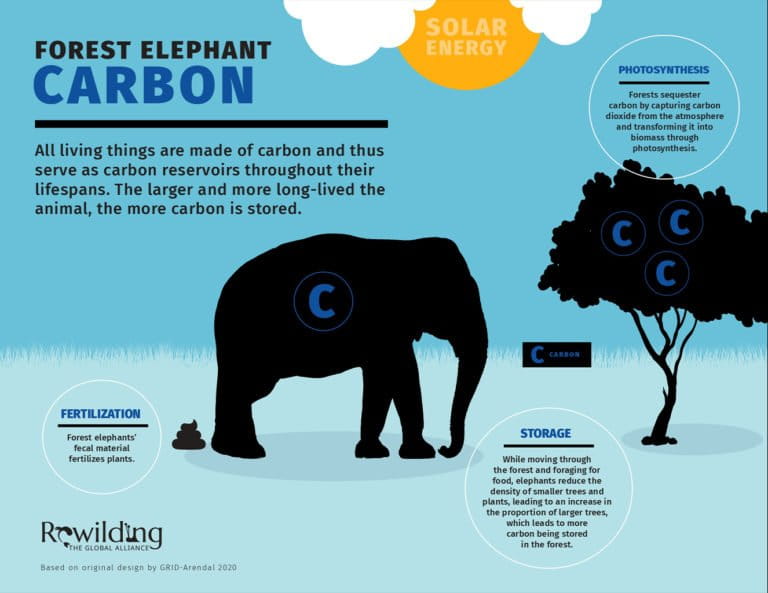
The biosphere includes all living organisms and organic matter. Plants, animals, and microorganisms store carbon in their tissues. Forests, grasslands, and soils are significant carbon sinks. Through photosynthesis, plants absorb CO2 and convert it into organic compounds, while respiration and decomposition release it back. Soils hold more carbon than the atmosphere and all vegetation combined, making them a crucial but often overlooked reservoir.
The Lithosphere
The lithosphere—Earth’s crust and upper mantle—is the largest carbon reservoir. Carbon here is locked in sedimentary rocks like limestone and in fossil fuels such as coal, oil, and natural gas. This carbon was sequestered over millions of years from the remains of ancient organisms. Normally, it returns to the cycle very slowly through volcanic eruptions and weathering, but human extraction and combustion have dramatically accelerated this release.
The Hydrosphere
The oceans are a massive carbon sink, holding about 50 times more carbon than the atmosphere. Carbon dissolves in seawater, where it exists as dissolved CO2, bicarbonate ions, and carbonate ions. Marine organisms also use carbon to build shells and skeletons, which eventually become seafloor sediments. The ocean’s absorption of excess atmospheric CO2 is causing acidification, threatening marine life.
Key Processes Driving the Carbon Cycle
Carbon moves between reservoirs through several natural processes. These fluxes maintain the cycle’s equilibrium when undisturbed.
Photosynthesis and Respiration
Photosynthesis is the primary mechanism by which carbon enters the biosphere. Plants, algae, and cyanobacteria use sunlight to convert CO2 and water into glucose, releasing oxygen. Respiration is the reverse process: organisms break down glucose to release energy, returning CO2 to the atmosphere. These two processes form a rapid, short-term carbon loop that balances out over days to centuries.
Decomposition
When organisms die, decomposers like bacteria and fungi break down their organic matter, releasing CO2 and methane. In oxygen-poor environments such as wetlands and landfills, decomposition produces methane, a potent greenhouse gas. The rate of decomposition depends on temperature, moisture, and oxygen availability, linking the carbon cycle closely to climate conditions.
Ocean-Atmosphere Exchange
Carbon dioxide constantly moves between the ocean surface and the air. The direction of this flux depends on the concentration gradient: if atmospheric CO2 is higher, the ocean absorbs it; if the ocean is supersaturated, it releases CO2. Cold water absorbs more CO2, so polar regions are important sinks. This exchange helps buffer atmospheric CO2 levels but is slowing as the ocean becomes more saturated.
Sedimentation and Burial
Over geological timescales, carbon is removed from the short-term cycle through sedimentation. Marine organisms’ calcium carbonate shells sink to the seafloor, forming limestone. Organic matter can be buried in sediments and, under heat and pressure, transform into fossil fuels. This process locks carbon away for millions of years, only returning it through tectonic uplift or human drilling.
Volcanic Outgassing
Volcanoes release carbon stored in the lithosphere back into the atmosphere as CO2. This natural process is part of the long-term carbon cycle and has helped regulate Earth’s temperature over eons. However, current volcanic emissions are dwarfed by human-caused CO2 output—by a factor of over 100.
Combustion
Combustion, or burning, rapidly oxidizes carbon-based materials, releasing CO2 and other gases. Natural wildfires are a normal part of the cycle, but human activities—burning fossil fuels for energy, clearing forests, and manufacturing cement—have massively increased combustion rates. This is the primary driver of the modern carbon imbalance.
Human Impact on the Carbon Cycle
Since the Industrial Revolution, human actions have fundamentally altered the carbon cycle. The extraction and burning of fossil fuels release carbon that had been sequestered for millions of years, adding about 9.4 billion metric tons of carbon to the atmosphere annually. Deforestation reduces the biosphere’s capacity to absorb CO2, while agricultural practices release soil carbon. Cement production alone accounts for roughly 8% of global CO2 emissions. These disruptions have caused atmospheric CO2 to rise at an unprecedented rate, overwhelming natural sinks and driving global warming.
Why the Carbon Cycle Matters for Climate
The carbon cycle is intimately linked to Earth’s climate because CO2 and methane are greenhouse gases that trap heat. A balanced cycle keeps global temperatures stable, but the current excess of carbon is enhancing the greenhouse effect. This triggers feedback loops: warming thaws permafrost, releasing more methane and CO2; ocean acidification harms plankton that absorb carbon; and forest dieback reduces carbon uptake. Understanding these dynamics is crucial for predicting future climate and developing mitigation strategies like reforestation, carbon capture, and transitioning to renewable energy.
In conclusion, the carbon cycle is a complex, life-sustaining system that humanity has pushed out of balance. By learning how carbon moves through our planet, we can better appreciate the urgency of reducing emissions and protecting natural sinks. The future of Earth’s climate depends on restoring harmony to this ancient cycle.
Frequently Asked Questions
What is the carbon cycle?
The carbon cycle is the natural process by which carbon atoms move between Earth's atmosphere, biosphere, lithosphere, and hydrosphere. It involves processes like photosynthesis, respiration, decomposition, and ocean exchange, maintaining a balance that supports life and regulates climate.
How do humans affect the carbon cycle?
Human activities such as burning fossil fuels, deforestation, and cement production release large amounts of stored carbon into the atmosphere. This disrupts the natural balance, increasing atmospheric CO2 levels and driving global warming and climate change.
What are the main carbon reservoirs on Earth?
The main carbon reservoirs are the atmosphere (as CO2 and methane), the biosphere (living organisms and soils), the lithosphere (rocks and fossil fuels), and the hydrosphere (oceans). The lithosphere holds the most carbon, but the atmosphere and oceans are most active in short-term cycling.
Why is the carbon cycle important for climate change?
The carbon cycle controls the amount of greenhouse gases like CO2 in the atmosphere. When the cycle is balanced, Earth's temperature remains stable. Human disruption has added excess carbon, enhancing the greenhouse effect and causing global warming, with feedback loops that accelerate the problem.
How does the ocean absorb carbon dioxide?
The ocean absorbs CO2 through air-sea gas exchange, where CO2 dissolves into surface waters. It then reacts to form bicarbonate and carbonate ions. Cold water absorbs more CO2, and marine organisms use it to build shells. However, this absorption leads to ocean acidification, harming ecosystems.






Leave a Comment