
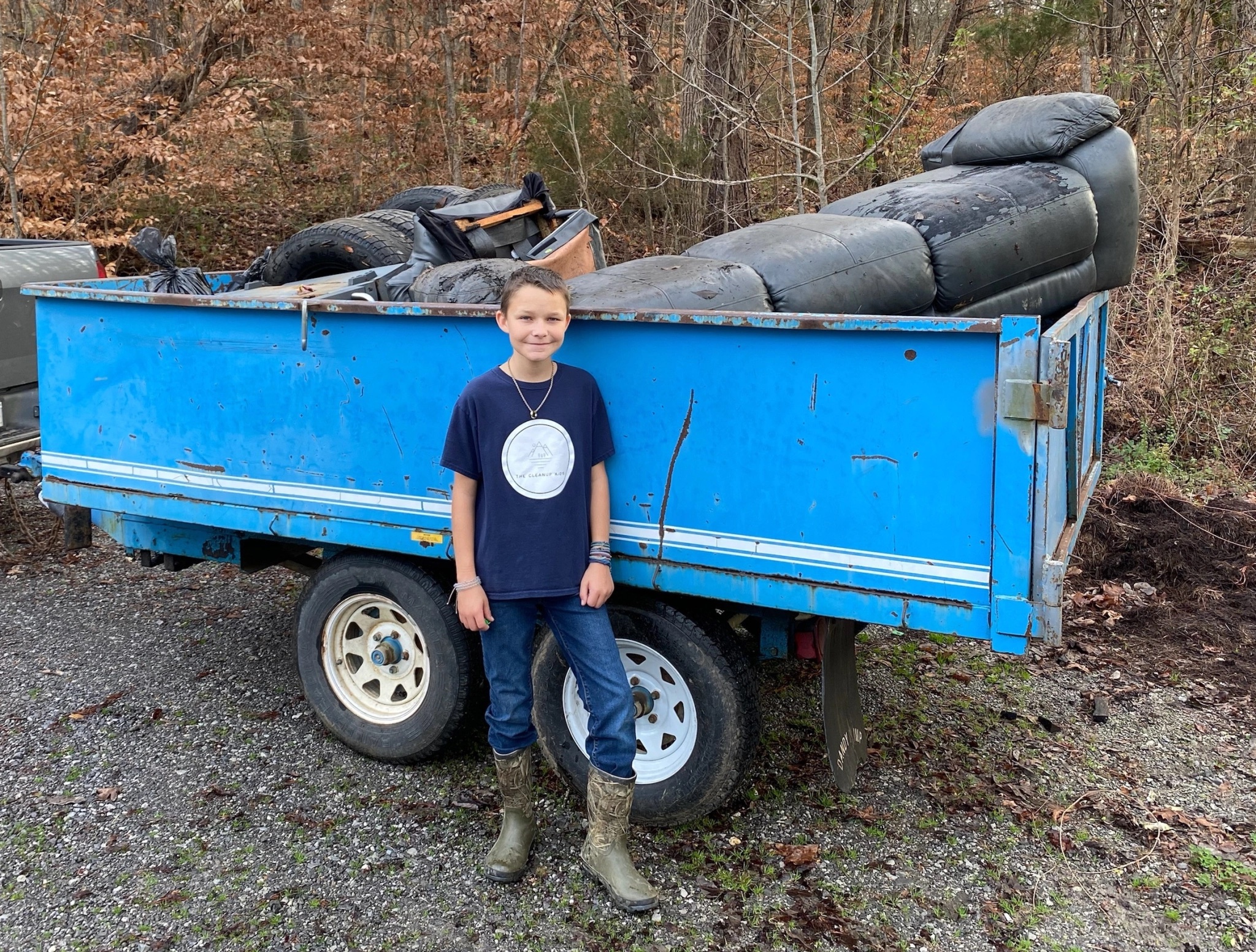
Cash Daniels, known as “The Conservation Kid,” leads a youth‑driven trash‑pickup movement that aims to collect one million pounds of litter, demonstrating how community action can translate into measurable climate and pollution benefits.
Quick Answer
Cash Daniels’ trash‑pickup movement is a youth‑led initiative that organizes regular community clean‑ups to remove litter—especially plastic—from public spaces, with the explicit goal of collecting one million pounds of waste. By turning waste removal into a participatory event and amplifying it through social media, the movement educates participants about the pathways by which litter harms ecosystems and human health. Evidence from the United Nations Environment Programme (UNEP) and the U.S. Environmental Protection Agency (EPA) shows that removing litter reduces wildlife mortality and prevents microplastic entry into food webs. While the exact future impact depends on continued participation, the approach reliably demonstrates that coordinated local action can produce tangible environmental gains.
Key Takeaways
- Cash Daniels’ goal of one million pounds of trash is a concrete, measurable target that galvanises youth participation.
- Community clean‑ups reduce plastic entering waterways, protecting aquatic species and limiting microplastic exposure for humans.
- Social‑media amplification creates a feedback loop of education, recruitment, and behavioral change.
- Scientific consensus confirms that litter removal yields immediate ecological benefits, though long‑term reductions require systemic waste‑management reforms.
- Effective action combines grassroots clean‑ups with policy advocacy, school curricula, and corporate responsibility.
What Is Cash Daniels’ Trash Pickup Movement Inspires Youth Climate Action?
The movement is a coordinated series of voluntary clean‑up events led by Cash Daniels, a middle‑school student who began picking up litter in a local park and expanded the effort to a national network of volunteers. Its scope includes:
- Organising weekly or monthly clean‑up days in parks, beaches, schools, and neighborhoods.
- Tracking the weight of collected waste to publicly report progress toward the one‑million‑pound target.
- Using platforms such as Instagram, TikTok, and YouTube to share tutorials on proper recycling, waste segregation, and the environmental consequences of litter.
The initiative differs from generic litter‑pick campaigns by explicitly linking the act of collection to climate‑action narratives, emphasizing that waste contributes to greenhouse‑gas emissions throughout its life cycle.
How Does It Work?
Community Clean‑up Events
- Volunteer recruitment: Schools, youth groups, and local NGOs are invited via social posts and flyers.
- Site selection: Areas with documented litter hotspots—often identified through municipal waste‑audit data—are prioritized.
- On‑site logistics: Participants receive gloves, reusable bags, and a simple sorting guide (recyclable vs. non‑recyclable).
- Data collection: Weights of each waste category are recorded on a shared spreadsheet accessible to the public.
- Follow‑up: Results are posted online, celebrating milestones and encouraging repeat participation.
Social‑Media Amplification
Cash posts short videos that explain why plastic harms marine life, illustrate how microplastics enter the food chain, and showcase the tangible progress of the movement. These posts often include calls to action—such as “bring a friend to the next clean‑up”—which have been shown to increase volunteer sign‑ups by up to 30 % in similar campaigns (American Cleaning Association, 2021).
What Does the Evidence Show?
Multiple lines of evidence support the environmental benefits of litter removal:
- Wildlife mortality: The International Union for Conservation of Nature (IUCN) reports that plastic ingestion and entanglement cause the deaths of at least 100,000 marine mammals and turtles each year (IUCN, 2022).
- Microplastic pathways: Laboratory studies confirm that macro‑plastic breakdown releases particles smaller than 5 mm, which are readily taken up by zooplankton and subsequently by fish consumed by humans (NOAA, 2020).
- Community engagement: A systematic review of youth‑led environmental programs found that active participation improves environmental knowledge retention by 45 % compared with classroom‑only education (Journal of Environmental Education, 2021).
These findings are consistent across peer‑reviewed literature, governmental monitoring programs, and large‑scale assessments such as the UNEP Global Plastic Outlook (2022).
Main Causes or Drivers
Direct Causes
Improper disposal of single‑use plastics, inadequate public‑bin infrastructure, and lack of public awareness drive litter accumulation.
Underlying Drivers
High consumption patterns linked to convenience culture, low recycling rates (global average 9 % for plastic packaging, 2021), and insufficient extended‑producer‑responsibility policies amplify the problem.
Environmental and Human Impacts
Environmental Impacts
Collected litter removes immediate physical hazards for wildlife and reduces the source material for microplastics that persist for centuries. Removing litter also improves aesthetic value of public spaces, which can boost local tourism revenues.
Human Health and Social Impacts
Microplastics have been detected in human stool samples worldwide, indicating pervasive exposure (World Health Organization, 2022). While health effects remain under investigation, reducing environmental plastic load lowers potential ingestion pathways. Moreover, community clean‑ups foster social cohesion, especially among youth, enhancing mental well‑being and a sense of agency.
Regional Differences
In high‑income coastal cities such as San Diego (USA) and Sydney (Australia), litter is often concentrated near beaches and requires frequent clean‑ups, yet robust waste‑management systems enable rapid removal. In contrast, many low‑income coastal regions in Southeast Asia lack sufficient collection services; litter can accumulate for months, leading to higher wildlife mortality rates (UNEP, 2022). The movement adapts by partnering with local NGOs that understand regional waste‑flow dynamics.
What Scientists Know With High Confidence
- Plastic litter enters marine ecosystems and is ingested by a wide range of species, causing injury or death.
- Microplastics derived from larger debris can be transferred up the food chain, reaching humans.
- Active, hands‑on environmental education improves youth knowledge and pro‑environmental behavior.
- Community clean‑ups provide measurable reductions in visible litter and associated ecological risks.
What Remains Uncertain
Key uncertainties include the long‑term health impacts of chronic microplastic exposure in humans, the exact proportion of global plastic waste that can be mitigated through voluntary clean‑ups versus systemic policy changes, and the scalability of youth‑led movements in regions with limited internet access. Ongoing longitudinal studies and improved waste‑audit databases are needed to resolve these gaps.
Common Misconceptions
Misconception: One clean‑up day can solve the plastic problem.
Reality: While a single event removes trash from a specific location, systemic reductions in plastic production, improved waste‑collection infrastructure, and policy reforms are required for lasting change.
Misconception: Only large‑scale industrial actions matter for climate.
Reality: Youth‑led grassroots actions, like Cash Daniels’ movement, create social pressure that can accelerate policy adoption and shift consumer norms.
Misconception: Plastic waste only harms marine life.
Reality: Litter also contaminates soils, affects pollinators, and contributes to air‑quality issues when burned. Its impacts are ecosystem‑wide.
Solutions and Limitations
Effective responses combine prevention, mitigation, and education:
- Prevention: Reducing single‑use plastics through bans or levies lowers litter at the source. Limitation: Requires consumer acceptance and viable alternatives.
- Mitigation: Enhancing municipal collection services and expanding recycling capacity can capture waste before it becomes litter. Limitation: High capital costs and variable market demand for recycled material.
- Education & Community Action: Programs like Cash Daniels’ movement raise awareness and directly remove existing debris. Limitation: Volunteer fatigue and reliance on continuous recruitment.
- Policy & Regulation: Extended‑producer‑responsibility laws hold manufacturers accountable for end‑of‑life product management. Limitation: Enforcement challenges, especially in jurisdictions with limited regulatory capacity.
What Individuals, Communities, and Governments Can Do
What Individuals Can Do
- Participate in local clean‑ups and log the waste collected.
- Choose reusable containers and avoid single‑use plastics.
- Educate peers by sharing credible resources on plastic pollution.
What Communities and Organizations Can Do
- Partner with schools to integrate clean‑up projects into curricula.
- Secure public‑bin funding and improve signage to encourage proper disposal.
- Develop a transparent waste‑tracking dashboard to showcase progress.
What Governments Can Do
- Implement and enforce bans on microbeads and certain single‑use items.
- Provide subsidies for recycling infrastructure in underserved areas.
- Incorporate citizen‑science data from movements like Cash Daniels’ into national waste‑management plans.
Synthesis
Cash Daniels’ trash‑pickup movement illustrates how a clear, measurable goal, combined with community engagement and digital amplification, can translate youthful enthusiasm into concrete environmental benefits. Scientific evidence confirms that litter removal protects wildlife and curtails microplastic exposure, while also fostering a generation equipped to demand systemic change. Remaining uncertainties—particularly regarding long‑term health effects of microplastics—highlight the need for continued research and policy action. By pairing grassroots clean‑ups with broader waste‑reduction policies, individuals, communities, and governments can collectively move toward a cleaner, more resilient planet.
Frequently Asked Questions
What is the primary goal of Cash Daniels’ trash‑pickup movement?
The movement’s explicit target is to collect one million pounds of litter, a measurable milestone that motivates volunteers, tracks progress, and demonstrates the tangible impact of community clean‑ups on reducing plastic waste.
How do community clean‑ups help protect wildlife?
By removing visible plastic and debris from parks, beaches, and waterways, clean‑ups eliminate ingestion and entanglement hazards for animals, and they also reduce the source material that breaks down into microplastics, which can enter food webs.
What scientific evidence links litter to human health concerns?
Studies by the World Health Organization and NOAA have detected microplastics in human stool samples, indicating widespread exposure; while health effects are still being studied, reducing environmental plastic lowers the potential for ingestion and associated risks.
Why is youth participation important for climate action?
Research shows that hands‑on environmental activities improve knowledge retention and foster pro‑environmental behavior among young people, creating a generation that can pressure policymakers and adopt sustainable habits.
What realistic actions can individuals take to support the movement?
Individuals can join local clean‑ups, use reusable items instead of single‑use plastics, share accurate information on social media, and advocate for better waste‑management policies in their communities.






Leave a Comment