
Carbon pricing assigns a monetary cost to aviation greenhouse‑gas emissions, incentivizing airlines, governments, and travelers to reduce the climate impact of flying.
Quick Answer
Carbon pricing for aviation is a market‑based approach that charges airlines for the CO₂‑equivalent gases emitted by each flight. By converting emissions into a price—through taxes, emissions‑trading schemes, or offset mandates—airlines face a direct financial incentive to cut fuel burn, adopt sustainable aviation fuels (SAF), or invest in new aircraft technologies. The Intergovernmental Panel on Climate Change (IPCC) notes that such pricing, when set at levels reflecting the social cost of carbon, can drive measurable emission reductions across the sector. However, the exact impact depends on the price level, coverage scope, and how revenues are reinvested; uncertainties remain around consumer price elasticity and global coordination.
Key Takeaways
- Carbon pricing puts a cost on every tonne of CO₂‑equivalent emitted by flights, creating a clear economic signal for reduction.
- Revenue can fund SAF development, aircraft electrification, or climate‑friendly infrastructure, amplifying the climate benefit.
- International harmonisation is essential; without it, airlines may shift routes to jurisdictions with weaker rules.
- High‑price levels are needed to influence passenger behaviour, yet overly steep fees risk making air travel unaffordable for low‑income travelers.
- Scientific evidence shows pricing reduces emissions when combined with complementary policies such as fuel‑efficiency standards and R&D support.
What Is Carbon Pricing for Aviation Emissions: Can Flying Ever Be Green?
Carbon pricing is a policy tool that translates greenhouse‑gas emissions into a monetary charge. In aviation, the scope includes CO₂, nitrogen oxides (NOₓ), water vapour, and non‑CO₂ effects such as contrail‑induced cirrus clouds. The most common mechanisms are:
- Carbon taxes – a fixed fee per tonne of CO₂‑e.
- Emissions‑trading systems (ETS) – airlines receive or purchase emission allowances that can be traded.
- Offset mandates – carriers must purchase certified offsets to compensate for the portion of emissions not reduced on‑site.
These schemes differ from voluntary offset programs because they are legally binding and typically cover all commercial flights within a jurisdiction. The purpose is to internalise the climate cost of flying, making low‑emission options comparatively cheaper.
How Does It Work?
Step‑by‑step process
- Emission Measurement – Airlines calculate CO₂‑e for each flight using fuel burn data and standard emission factors (e.g., ICAO Carbon Emissions Calculator).
- Price Application – A tax rate (e.g., €15 / tCO₂‑e) or allowance price (e.g., $30 / tCO₂‑e) is applied to the calculated emissions.
- Revenue Collection – Governments collect the fees or auction allowances; the funds may be earmarked for climate programmes.
- Compliance & Reporting – Airlines submit emissions reports to the regulator and surrender the required allowances or pay the tax.
- Market Response – Higher operating costs encourage airlines to adopt fuel‑efficient aircraft, optimise routes, or purchase SAF.
Feedback loops
Higher prices can trigger a virtuous cycle: reduced demand for high‑emission routes lowers total emissions, which lowers the overall cost of compliance, allowing funds to be reinvested in cleaner technology.
What Does the Evidence Show?
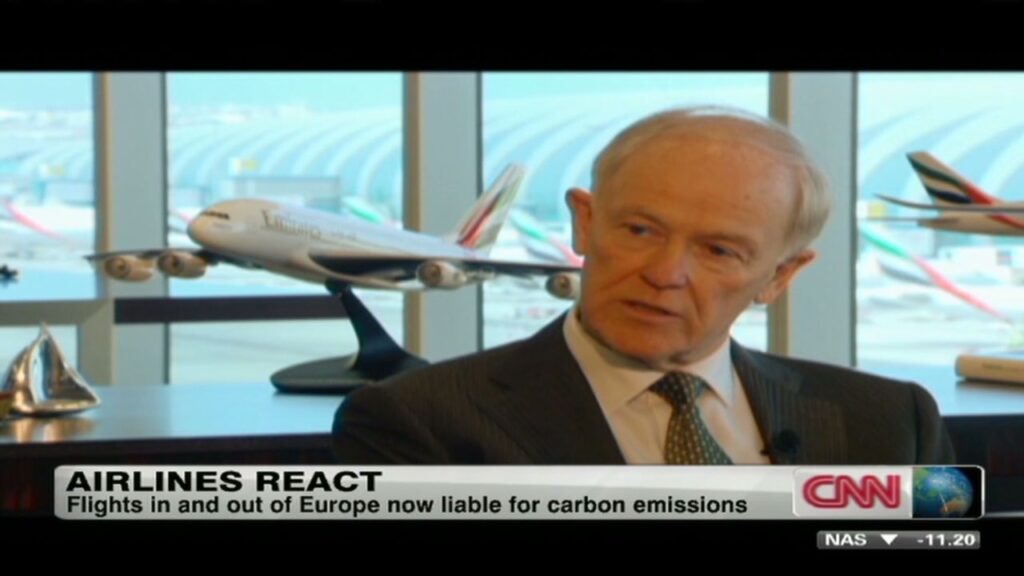
Multiple lines of evidence indicate that carbon pricing can reduce aviation emissions when the price is sufficiently high and applied broadly. A 2022 systematic review in *Transportation Research Part D* found that a carbon price of $50 / tCO₂‑e led to an average 5‑10 % reduction in fuel consumption across major carriers. The International Civil Aviation Organization (ICAO) reports that the European Union Emissions Trading System (EU‑ETS), which covered flights within Europe from 2012‑2020, contributed to a 2‑3 % annual decline in average fuel intensity.
Modeling by the International Energy Agency (IEA) for the Sustainable Development Scenario (2021) shows that applying a global carbon price of $100 / tCO₂‑e to aviation could cut sectoral CO₂‑e by up to 35 % by 2050, provided the revenue supports SAF scale‑up. However, real‑world outcomes depend on price elasticity; a 2020 survey by the European Aviation Safety Agency indicated that a 10 % ticket‑price increase reduced demand by roughly 2 % in the short term.
Main Causes or Drivers
Direct Causes
Burning jet fuel releases CO₂ directly; each kilogram of fuel emits about 3.16 kg of CO₂. High‑speed, long‑haul flights have the greatest per‑flight emissions.
Underlying Drivers
- Economic growth – rising global GDP correlates with increased air travel demand.
- Lack of low‑carbon alternatives – electric or hydrogen aircraft are not yet commercially viable for most routes.
- Regulatory gaps – many regions lack aviation‑specific carbon pricing, creating competitive disparities.
Environmental and Human Impacts
Environmental Impacts
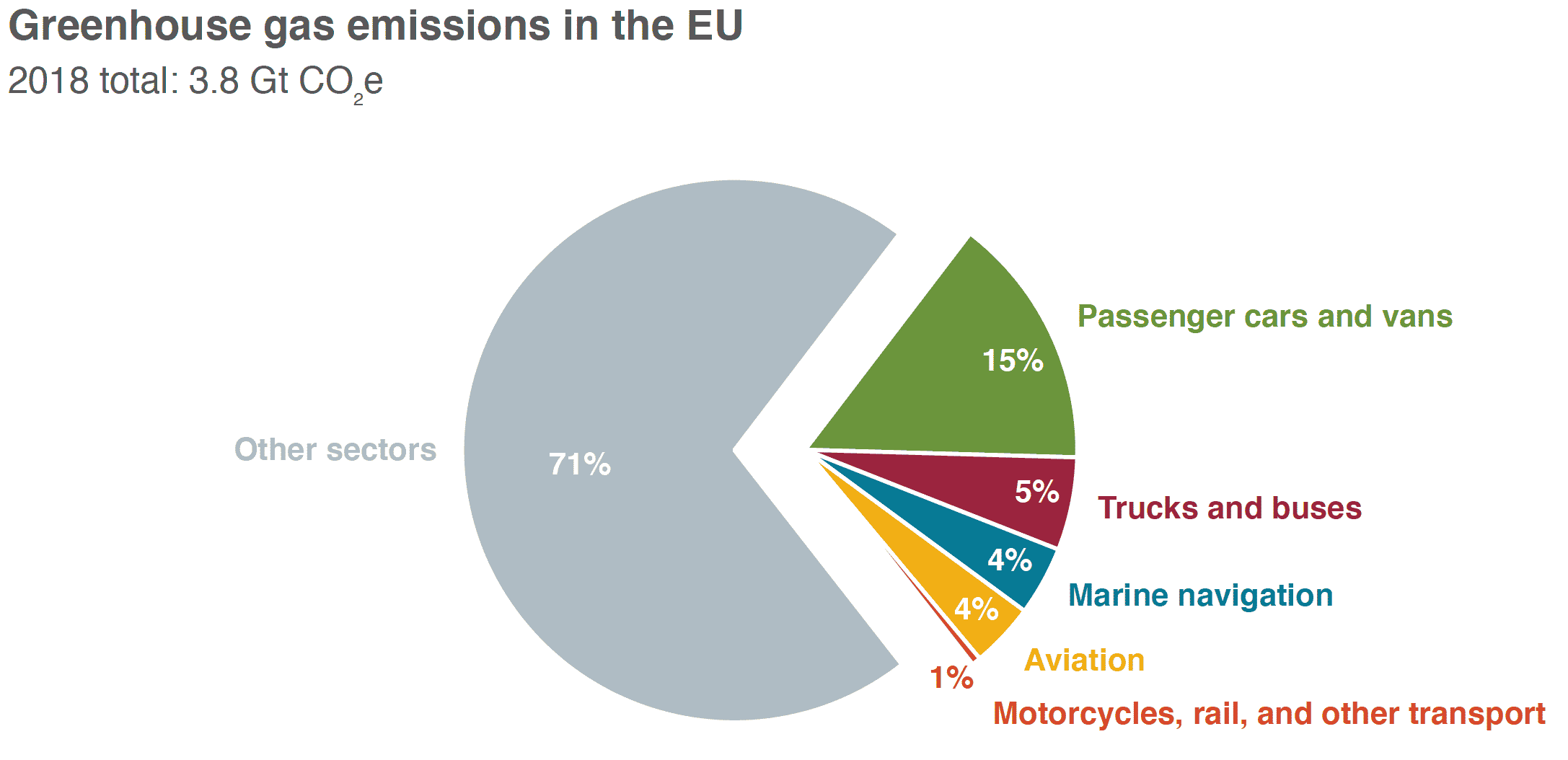
Aviation contributes 2‑3 % of global CO₂ emissions (IPCC AR6, 2021) and a larger share of radiative forcing due to contrails and NOₓ. The sector’s warming effect is estimated at 3.5‑4 % of total anthropogenic forcing when non‑CO₂ effects are included. Persistent contrail‑induced cirrus clouds can increase net radiative forcing by 0.01‑0.04 W m⁻² per flight, amplifying climate impact.
Human Health and Social Impacts
NOₓ emissions near airports contribute to ground‑level ozone formation, affecting respiratory health for nearby communities. A 2019 WHO assessment linked increased ozone episodes around major hubs to higher asthma incidence, especially among children.
Economic and Infrastructure Impacts
Airports rely on high traffic volumes; carbon pricing that raises ticket prices could reduce passenger numbers, affecting employment and regional tourism economies. Conversely, revenue earmarked for green airport infrastructure can create new jobs in renewable energy and SAF production.
Regional Differences
Europe leads with the EU‑ETS, covering over 1 000 million passenger‑kilometres per year. In contrast, the United States lacks a federal aviation carbon price, though several states have introduced “flight‑tax” proposals. Asia‑Pacific regions, home to the fastest growth in passenger numbers, generally have no aviation‑specific pricing, creating a risk of carbon leakage as airlines shift routes to these markets.
What Scientists Know With High Confidence
What Scientists Know With High Confidence
- Burning jet fuel releases CO₂ and non‑CO₂ pollutants that contribute to climate warming.
- Carbon pricing, when set at levels reflecting the social cost of carbon, creates a measurable incentive for emission reductions.
- Revenue from aviation carbon pricing can be directed toward sustainable aviation fuel (SAF) production and low‑carbon technology research.
- International coordination reduces the risk of carbon leakage and ensures a level playing field.
What Remains Uncertain
What Remains Uncertain
Key uncertainties include the price elasticity of demand for air travel across income groups, the scalability and lifecycle emissions of SAF, and the long‑term effectiveness of offset schemes given variable verification standards. Moreover, the precise magnitude of contrail‑induced warming remains an active research area, with model estimates differing by up to 30 %.
Common Misconceptions
Common Misconceptions
Misconception: Carbon pricing alone will make all flights carbon‑neutral.
Reality: Pricing internalises climate costs but does not eliminate emissions; additional measures such as SAF, aircraft redesign, and operational efficiency are required.
Misconception: Offsets are a free pass to keep flying as before.
Reality: High‑quality offsets can compensate for residual emissions, but their climate benefit depends on additionality, permanence, and verification, which vary widely.
Misconception: Only long‑haul flights need carbon pricing because short flights emit less.
Reality: Per passenger‑kilometre, short flights often have higher emissions due to take‑off and landing cycles; pricing captures these differences when emissions are calculated per flight.
Misconception: Developing countries should be exempt from aviation carbon pricing.
Reality: While equity concerns are valid, global climate goals require participation from all regions; mechanisms such as differentiated price tiers can address development needs.
Solutions and Limitations
Effective responses combine economic, technological, and regulatory elements:
- Higher carbon prices – Directly raise the cost of emissions but risk reducing accessibility for low‑income travellers.
- Revenue recycling – Investing fees in SAF production, electric‑propulsion R&D, or airport renewable energy can magnify emissions cuts; however, political will determines allocation.
- Fuel‑efficiency standards – Mandates on aircraft design complement pricing but require industry compliance and long development cycles.
- International ETS linkage – Linking regional trading schemes can prevent leakage, yet aligning monitoring and verification protocols is complex.
- Consumer information – Transparent ticket pricing that shows the carbon cost can influence choices, though price sensitivity varies.
Each solution carries trade‑offs: higher prices may be politically contentious; SAF scaling faces feedstock competition and higher production costs; technology rollout depends on substantial capital investment.
What Individuals, Communities, and Governments Can Do
What Individuals Can Do
- Choose airlines that disclose and offset flight emissions, preferably with verified high‑quality offsets.
- Prefer direct flights where possible, as take‑off and landing cycles generate disproportionate emissions.
- Support policies that earmark carbon‑pricing revenue for sustainable fuel research.
What Communities and Organizations Can Do
- Advocate for local airports to adopt green‑fuel procurement policies.
- Partner with NGOs to develop community‑based offset projects that meet rigorous standards.
- Educate members about the true climate cost of air travel and promote virtual meeting alternatives when feasible.
What Governments Can Do
- Implement a robust aviation carbon tax or join an emissions‑trading system that covers all domestic and international flights within jurisdiction.
- Design revenue‑recycling mechanisms that fund SAF production, electric‑aircraft pilots, and climate‑resilient airport infrastructure.
- Negotiate international agreements to harmonise pricing and prevent carbon leakage.
- Provide tax credits or subsidies for SAF producers to lower market prices.
What Businesses and Industries Can Do
- Invest in fleet renewal with newer, fuel‑efficient aircraft.
- Integrate SAF into fuel contracts, aiming for at least 10 % blend by 2030.
- Adopt data‑driven route optimisation to minimise unnecessary fuel burn.
Closing Synthesis
Carbon pricing translates the climate damage of aviation into a concrete cost, steering airlines, policymakers, and travellers toward lower‑emission choices. Strong evidence shows that, when paired with revenue‑recycling and complementary standards, pricing can cut aviation’s carbon footprint substantially. Nevertheless, uncertainties around demand elasticity, SAF scalability, and global coordination mean that pricing alone cannot achieve a fully green aviation sector. A balanced portfolio of higher prices, targeted investments, technology development, and equitable policy design offers the most realistic pathway to making flying less harmful to the planet.
Frequently Asked Questions
What is carbon pricing for aviation emissions?
Carbon pricing for aviation assigns a monetary cost to the greenhouse‑gas emissions produced by each flight, using tools such as carbon taxes, emissions‑trading systems, or mandatory offset purchases.
How does carbon pricing encourage airlines to reduce emissions?
By making emissions a direct expense, carbon pricing creates a financial incentive for airlines to adopt fuel‑efficient aircraft, optimise routes, and purchase sustainable aviation fuels, which can lower their overall cost of compliance.
What evidence shows that carbon pricing reduces aviation emissions?
A 2022 systematic review found a $50 / tCO₂‑e price reduced fuel consumption by 5‑10 % on average, and the EU‑ETS contributed to a 2‑3 % yearly decline in fuel intensity across European flights.
Will carbon pricing make all flights carbon‑neutral?
No. Pricing internalises the climate cost but does not eliminate emissions; additional measures such as sustainable fuels, aircraft redesign, and operational efficiencies are needed to achieve carbon neutrality.
What actions can governments take to make carbon pricing effective?
Governments can implement a comprehensive aviation carbon tax or join an emissions‑trading system, recycle revenue into sustainable fuel research, and work internationally to harmonise pricing and prevent carbon leakage.





Leave a Comment