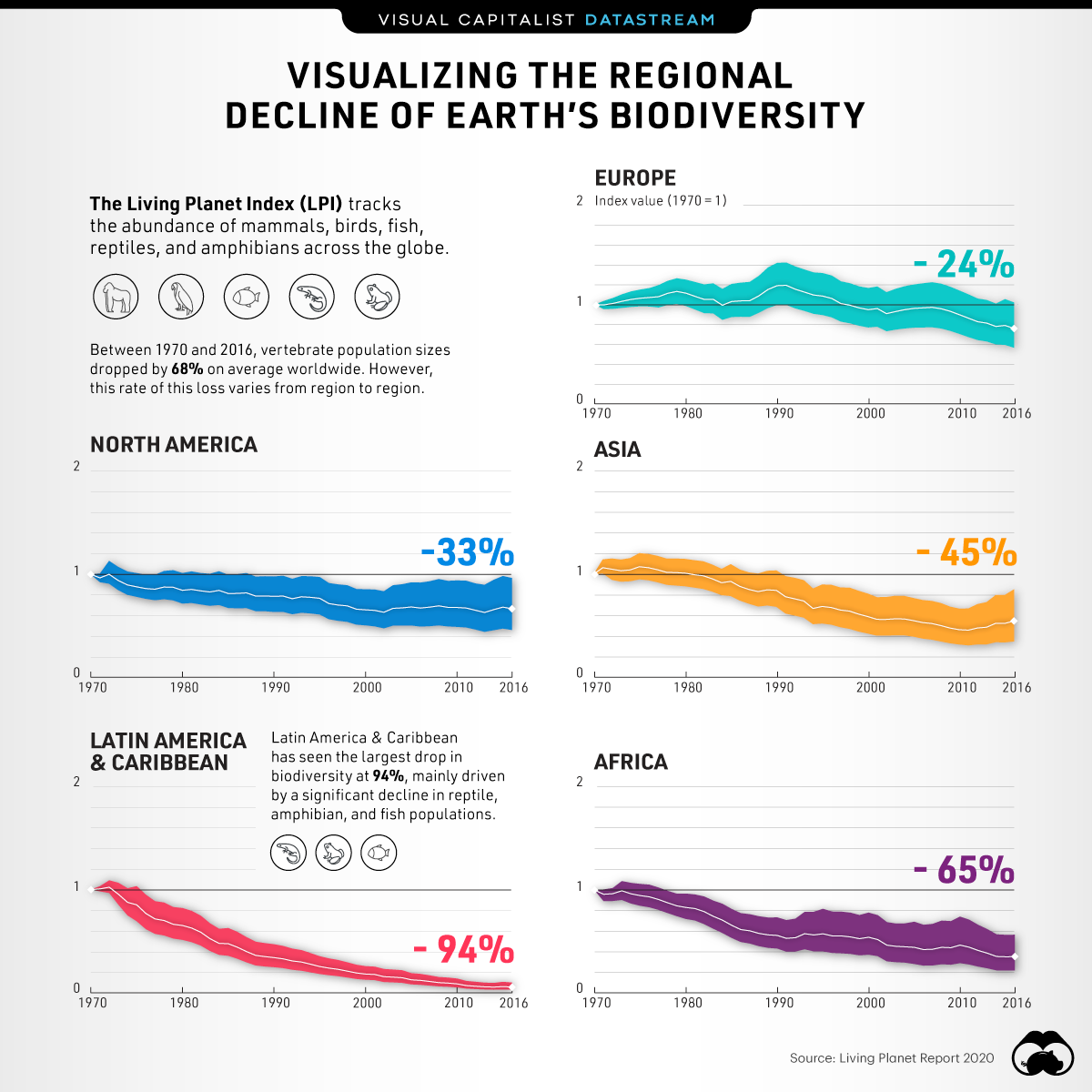
Biodiversity, the intricate tapestry of life encompassing millions of species, provides essential ecological services that sustain not just the planet’s health but also human existence itself. As we stand at the precipice of yet another ecological threshold, an urgent question looms large: will biodiversity loss slow down—or keep accelerating? This inquiry is not merely academic; it resonates deeply with the fundamental dynamics that govern nature and the profound interconnectedness of all living organisms.
To delve into this pressing issue, one must first understand the drivers of biodiversity loss. The primary culprits include habitat destruction, climate change, pollution, and overexploitation of resources. Each of these factors contributes to a multifaceted crisis, undermining the delicate equilibrium that has sustained life for millennia. Yet, despite rising awareness and activism, the trajectory of biodiversity decline remains disconcertingly steep.
Habitat destruction, often a consequence of rapid urbanization and agricultural expansion, has rendered vast expanses of land inhospitable to many organisms. Forests, wetlands, and coastlines, once teeming with life, now stand as silent witnesses to the relentless march of human progress. According to the World Wildlife Fund, over 1 million species are at risk of extinction, primarily due to the encroachment of industrial activity into their habitats. This startling statistic raises alarm bells, suggesting that if current practices persist, we may reach a point of no return.
Climate change presents another formidable challenge to biodiversity. Altered weather patterns, shifting temperature regimes, and rising sea levels wreak havoc on ecosystems that are already under duress. Species that cannot adapt swiftly enough face the grim prospect of extinction. Some may attempt to migrate in search of more favorable conditions, but as their habitats shrink, this quest becomes increasingly quixotic. The result is a cascading effect of loss: as keystone species disappear, entire ecosystems destabilize, leading to further declines. The anticipated acceleration of climate impacts leaves us questioning whether we can indeed reverse or even mitigate these dire trends.
Pollution, particularly in aquatic and terrestrial ecosystems, poses an insidious threat. Chemical runoff, plastic debris, and toxic waste not only decimate local populations but also disrupt ecological processes. Marine life, for instance, suffers from the deleterious effects of microplastics, while chemicals seep into the soil, poisoning flora and fauna alike. As these pollutants accumulate, they threaten not just biodiversity but human health, creating a feedback loop that exacerbates both species decline and environmental degradation.
Overexploitation of resources—fishing, logging, and hunting—illustrates a tragic irony. While exploitation may yield short-term economic benefits, it often leads to long-term ecological collapse. Unsustainable practices strip ecosystems of their resilience, rendering them vulnerable to further environmental stresses. As key species diminish, the fabric of ecosystems unravels, resulting in diminished services such as pollination, pest control, and nutrient cycling. The implications extend far beyond ecological realms, reaching into our food security and economic stability.
The interplay of these factors hints at a deeper malaise: an entrenched disconnection between humanity and nature. Societal values often prioritize short-term gains over long-term sustainability, reflecting a pervasive culture of consumption that eschews the intrinsic value of biodiversity. In this light, the question remains—will biodiversity loss continue its relentless march, or can a paradigm shift in human thought catalyze a more harmonious existence with the natural world?
A growing body of evidence suggests that ecological restoration and sustainable management can yield positive outcomes. Initiatives aimed at reforestation, wetland restoration, and sustainable agriculture have demonstrated the potential to rehabilitate natural ecosystems. These efforts not only halt biodiversity loss but can also restore the intricate networks of life that are essential for planetary health. Yet, these initiatives require widespread collaboration, significant investment, and a profound transformation in policy and societal values.
The role of education cannot be overstated. Raising awareness about the importance of biodiversity is critical in fostering a sense of stewardship among the global population. Educational initiatives that underscore the connections between healthy ecosystems and human well-being can galvanize public support for conservation efforts. As individuals recognize their intrinsic link to the natural world, collective action may emerge as a formidable force against biodiversity decline.
Ultimately, the future of biodiversity hinges on human choices. Will we persist in our environmentally detrimental ways, exacerbating the crisis, or will we chart a new course—one that champions coexistence and reverence for the natural world? The trajectory of biodiversity loss may very well hinge on this watershed moment. The prevailing narrative can shift from one of despair to one of hope, given a concerted effort to embed sustainability into the very fabric of our societies.
As we ponder whether biodiversity loss will slow or continue its alarming ascent, it is imperative to embrace our responsibility as custodians of the earth. Each decision made today reverberates through the ecosystemic web, affecting not only current generations but also those yet to come. By recognizing the gravity of this moment and acting with integrity, we can turn the tide in favor of biodiversity, ensuring that the symphony of life on earth continues to flourish for generations to come.








Leave a Comment