
As we gaze out across the horizon, where cerulean waves caress the shores of our bustling coastal cities, a haunting query hovers in the atmosphere: will all coastal cities be underwater by 2050? This prescient question weighs heavily on the minds of scientists, policymakers, and citizens alike, transcending mere speculation into a discourse fraught with urgent implications for our future. The notion of inundation evokes dread, yet it is essential to navigate this labyrinth of fact and fear with an analytical lens, scrutinizing the realities that underpin this pressing issue.
To assert unequivocally that all coastal cities will succumb to the relentless advance of the sea is to anticipate a world where the scales tip decidedly towards catastrophe. A more nuanced view reveals divergent pathways—these cities exist on a continuum of vulnerability, shaped by myriad factors such as local geography, climate adaptability, socio-political resilience, and the nature of our collective responses to the looming crisis.
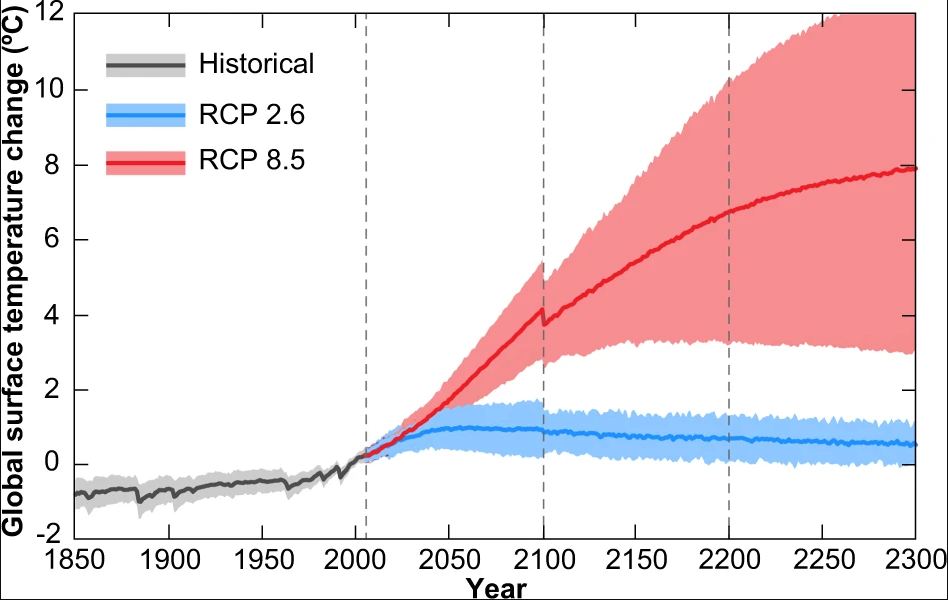
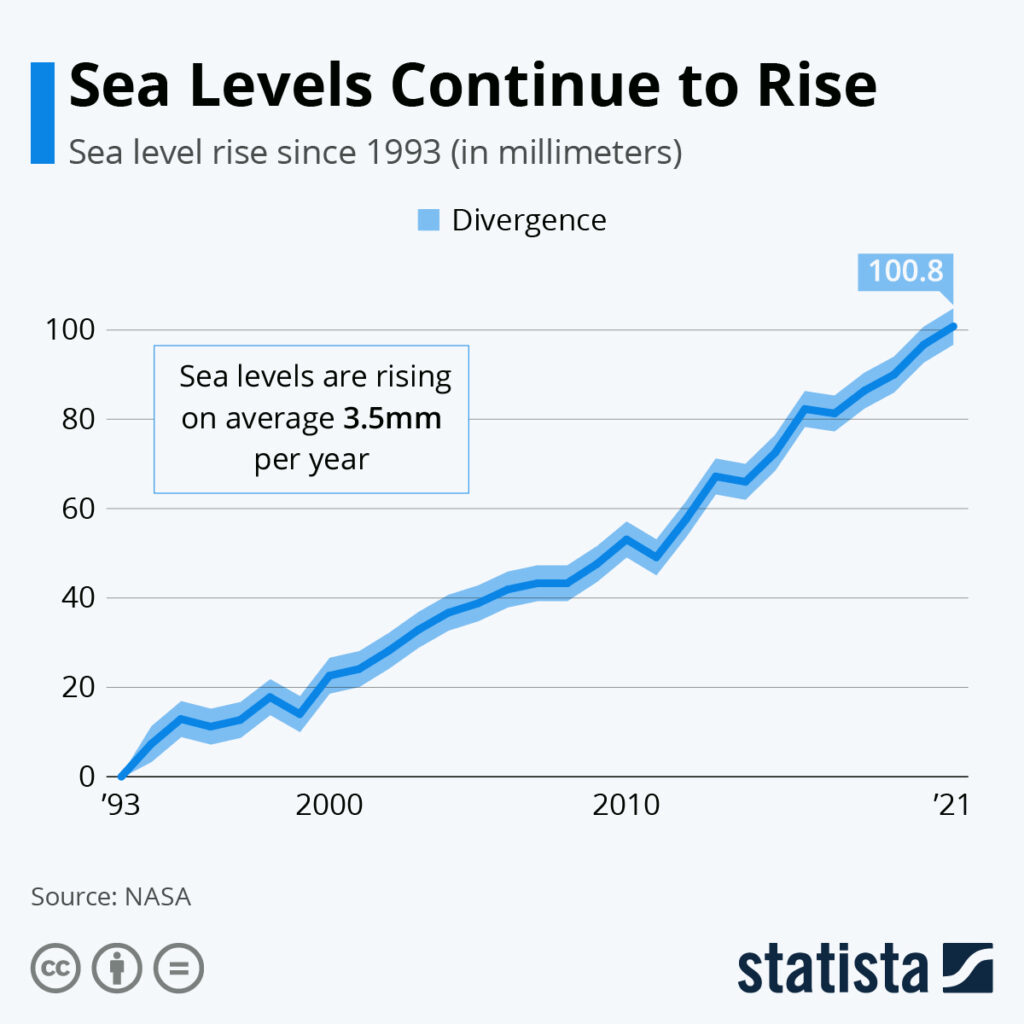
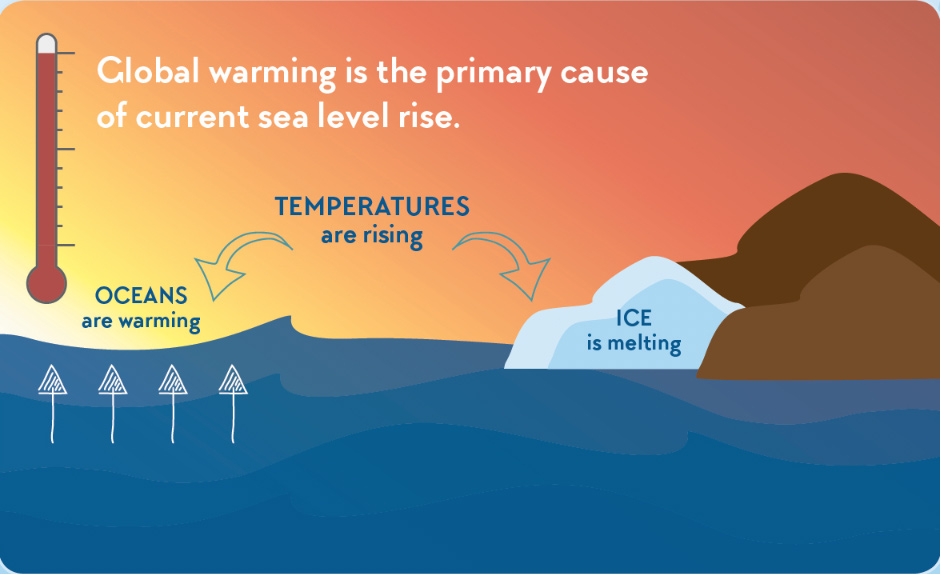
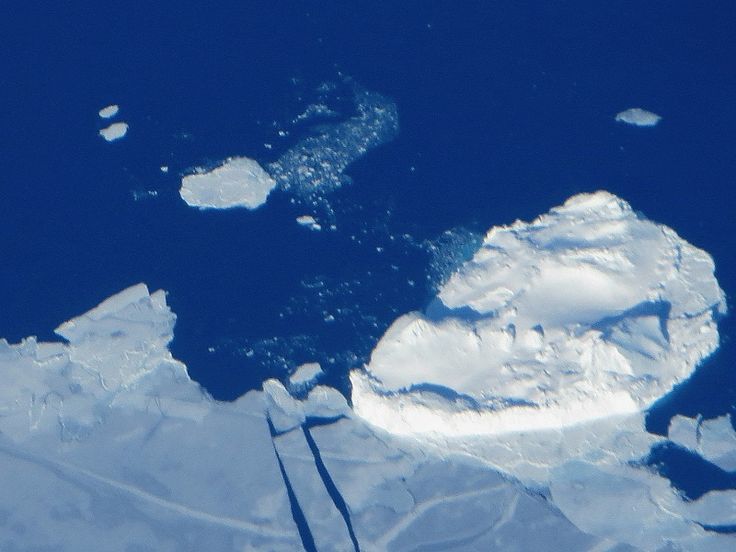
At the heart of the dilemma lies the phenomenon of global warming—a term that has burgeoned into common parlance, yet whose ramifications continue to evade many. The Earth’s atmospheric temperature rises, a result of anthropogenic activities that emit greenhouse gases, primarily carbon dioxide and methane. This warming precipitates the melting of polar ice caps and glaciers, resulting in an inexorable rise in sea levels. Projections suggest that by 2050, global sea levels could rise anywhere from 1 to 2 feet (0.3 to 0.6 meters), significantly impacting low-lying coastal areas. However, the burden of proof rests in the granularity of local studies; some regions may experience more profound effects due to land subsidence and ocean currents.
While the potential for widespread deluge stirs our anxieties, it is imperative to recognize the adaptive capacity of human society. Historical precedents demonstrate our ingenuity in the face of adversity. The Dutch, amidst a landscape seemingly designed for inundation, have perfected a robust system of dikes and sea walls, creating a veritable bulwark against the encroaching tide. In contrast, places like Miami, where socio-economic disparities restrict investment in infrastructure, face an elevated risk of chronic inundation, yet have begun implementing measures that prioritize sustainability and resilience through innovative urban planning.
Furthermore, the narrative shifts when examining the socio-economic stratification of coastal cities. Wealthier nations possess a repertoire of resources enabling substantial investment in flood defenses, early warning systems, and sustainable development practices. Conversely, developing nations grapple with entrenched poverty, where the pursuit of development often clashes with the imperative of environmental stewardship. This disparity raises uncomfortable questions: will the wealthy retreat to gilded enclaves while the vulnerable drown in the rising tide? This societal tension magnifies the urgency for a unified global response to climate change, transcending borders and prioritizing equity.
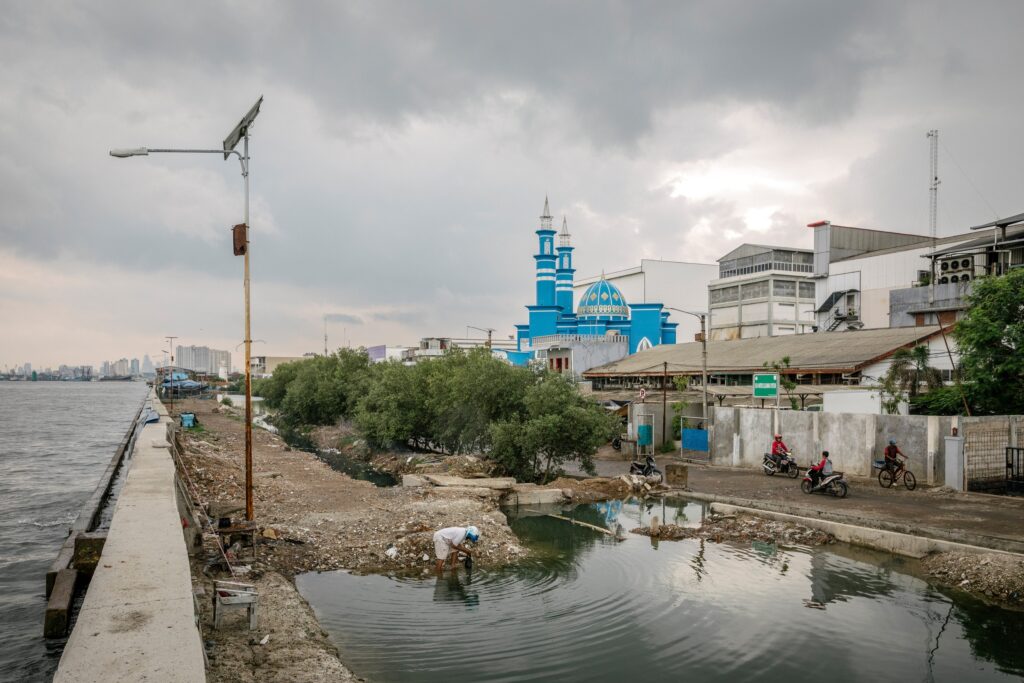
As we delve deeper, it becomes apparent that not all coastal cities are created equal. Pacific Island nations, for example, hover on the precipice of existential threat. As the sea swells, their very existence teeters on the edge of annihilation. Conversely, metropolises like London, New York, and Tokyo possess substantial resources and infrastructure, yet are not immune to the perils of inundation. Each coastal city’s susceptibility is like a puzzle piece in a multifaceted jigsaw, where geography, policy, and community engagement are inextricably woven together.
What emerges from this intricate tapestry is a recognition that adaptation, sustained innovation, and proactive measures can stave off the worst effects of rising waters. The concept of ‘managed retreat’ offers a viable strategy; rather than futilely fortifying against the inevitable, communities may need to contemplate relocating and rethinking land use in flood-prone areas. This notion, while providing a glimmer of hope amidst the grim prospects, demands a cultural shift—an acknowledgment that nature will not be tamed, but cohabited with respect and foresight.
Yet, as the weight of evidence becomes increasingly compelling, the specter of complacency looms large. The message of urgency can falter amidst political inertia and conflicting interests. To argue against the inevitability of change is to echo those who once touted the safety of the Titanic, dismissing the cold bite of the iceberg that would seal its fate. Thus, the battle for our coastal cities resonates not just within scientific circles; it seeps into the very fabric of our democratic institutions and community organizations, urging collaboration, transparency, and commitment to sustainable practices.
In closing, the question remains: will all coastal cities be underwater by 2050? The answer is not a simple binary response. Rather, it emerges from a confluence of scientific projections, socio-economic realities, and human resilience. We may not have the luxury of predicting a singular narrative, but a tapestry of scenarios unfolds before us—each thread representing an opportunity for proactive change or a cautionary tale of negligence. As we navigate the tumultuous waters of climate change, and as the tides of policy and public opinion shift, it is crucial to honor this narrative with responsibility and agency, for the future of our coastal cities hinges upon it.






Leave a Comment