
The greenhouse effect is often cast in an unfavorable light, regarded merely as a precursor to global warming and climate chaos. However, to appreciate its full significance, one must shift perspective and recognize that this phenomenon is not inherently detrimental; rather, it is a vital mechanism for sustaining life on our planet. The tool through which we can comprehend the intricate balance of warmth and climate, the greenhouse effect plays an indispensable role in creating the hospitable conditions we often take for granted.
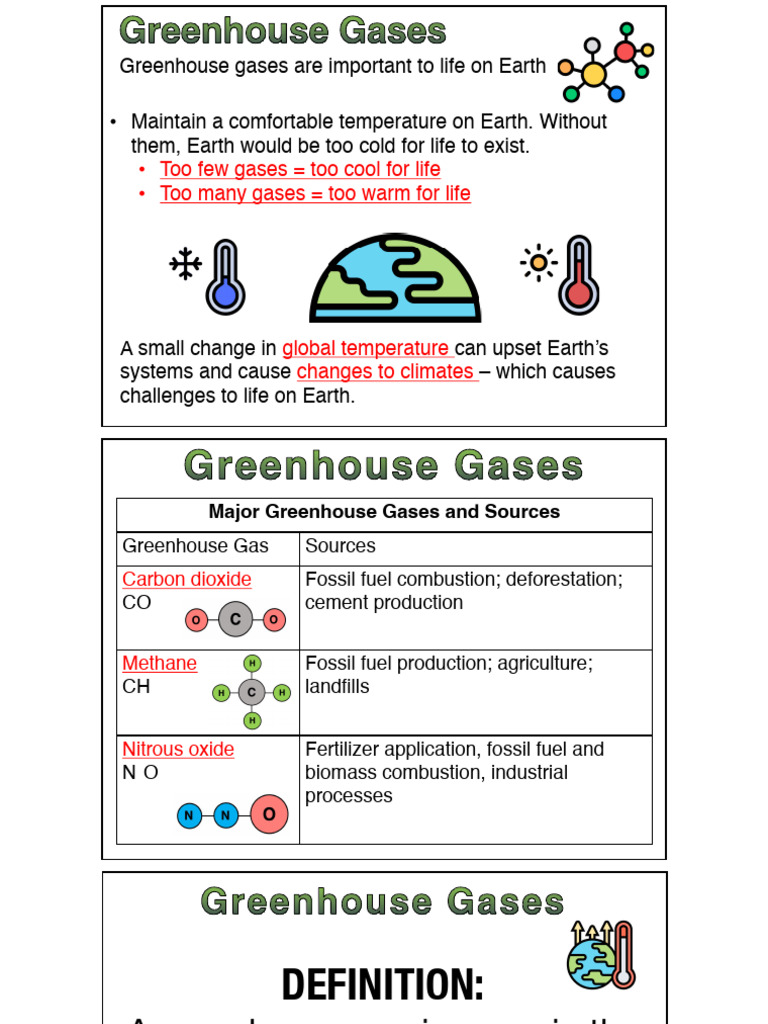
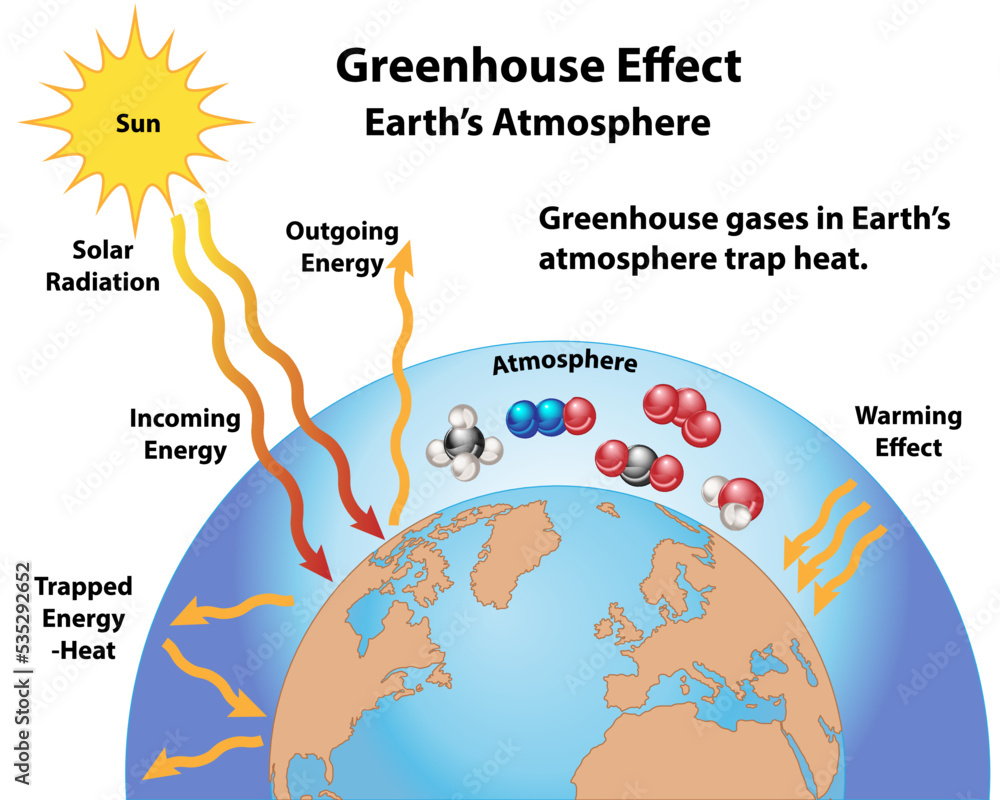
At its core, the greenhouse effect begins with the Sun, our primary energy source. As sunlight reaches Earth, a portion of it is absorbed by the surface, warming the land, oceans, and atmosphere. The planet then radiates this energy back into space as infrared radiation. However, certain gases present in the atmosphere—namely carbon dioxide, methane, and nitrous oxide—trap some of this outgoing heat. This natural process keeps the Earth at an average temperature of approximately 59 degrees Fahrenheit (15 degrees Celsius), a threshold that is crucial for sustaining life.
Without the greenhouse effect, Earth would be unrecognizable. Temperatures would plummet, resulting in an inhospitable landscape where life, as we know it, could struggle to survive. Scientific estimates suggest that Earth would be about 33 degrees Fahrenheit (18 degrees Celsius) cooler without these greenhouse gases. Such a drastic temperature shift would freeze water bodies, rendering it impossible for numerous ecosystems to thrive. The delicate tapestry of life, from the smallest microbe to the largest mammals, hinges on this thermal insulation.
Moreover, the greenhouse effect fosters a unique climatic diversity across various regions of the globe. It cultivates temperate climates capable of supporting a wide range of biomes, from lush rainforests to arid deserts. These variations are paramount to the web of life; different species have evolved and adapted to specific climatic conditions over millennia. In the absence of such climatic variations, biodiversity would suffer enormous setbacks, leading to ecological collapse and diminished resilience against environmental changes.
Yet, the greenhouse effect is not merely a passive function of the atmosphere. It is entwined intricately with the Earth’s biological systems. Plants and phytoplankton, the primary producers in terrestrial and aquatic environments, rely on a stable climate to grow and thrive. Through photosynthesis, they harness sunlight and convert carbon dioxide into oxygen, engendering the very atmosphere upon which life depends. In essence, the greenhouse effect creates the perfect conditions for flora, which in turn underpins the entire food chain.
Furthermore, the interplay of greenhouse gases contributes to the water cycle, a crucial element in our climate system. As water vapor, the most abundant greenhouse gas, rises and cools, it condenses to form clouds, leading to precipitation that replenishes our ecosystems. This cyclical process ensures the continuity of life by providing fresh water, essential for survival. The delicate balance established by the greenhouse effect encompasses these vital cycles, influencing weather patterns and climatic stability.
Understanding the greenhouse effect deepens our appreciation for the interconnectedness of the Earth’s systems. However, recent anthropogenic activities have disrupted this balance, leading to an excessive accumulation of greenhouse gases. The consequences of such imbalance are severe: rising temperatures, melting polar ice, and shifting weather patterns. Yet, rather than swiftly condemning the greenhouse effect as wholly negative, it should prompt us to re-evaluate our environmental practices. How can we preserve its benefits while minimizing its adverse impacts?
One promising approach is the promotion of sustainable practices that align human activities with the natural balance of the greenhouse effect. Transitioning toward renewable energy sources, such as solar or wind power, can significantly lower our carbon emissions. Simultaneously, conserving forests and supporting reforestation initiatives can enhance the Earth’s capacity to sequester carbon, thereby toning down the proliferation of greenhouse gases.
In addition to practical measures, education plays a pivotal role in fostering an adaptive mindset regarding the greenhouse effect. By enlightening individuals about the dynamics of this phenomenon, we can cultivate an informed public that recognizes not just the threats posed by climate change, but also the natural aids that can mitigate its severity. For instance, embracing urban green spaces can help absorb carbon emissions while fostering biodiversity within cities—illustrating that sustainability need not come at the expense of modern living.
Ultimately, the greenhouse effect is a dual-edged sword, harboring both the potential for life and the seeds of environmental degradation. By viewing it through a holistic lens, we can appreciate its essential role in nurturing our planet’s ecosystems while also recognizing our duty to safeguard against its excesses. Every action, no matter how small, contributes to the overarching goal of creating harmony among nature, humanity, and the atmosphere.
The future of our planet hinges on this understanding. As stewards of Earth, it is imperative to advocate for practices that embrace the greenhouse effect’s benefits while diligently working to rectify the challenges it poses. The conversation around climate change should not solely focus on alarmism but rather inspire solutions rooted in awareness, innovation, and a reverence for life itself.
In conclusion, the greenhouse effect is far more than just a catalyst for warming; it is a pillar of our planet’s viability. Embrace it, understand it, and strive toward a future where its benefits flourish, harmonizing the needs of all living beings within the constraints of reality.








Leave a Comment