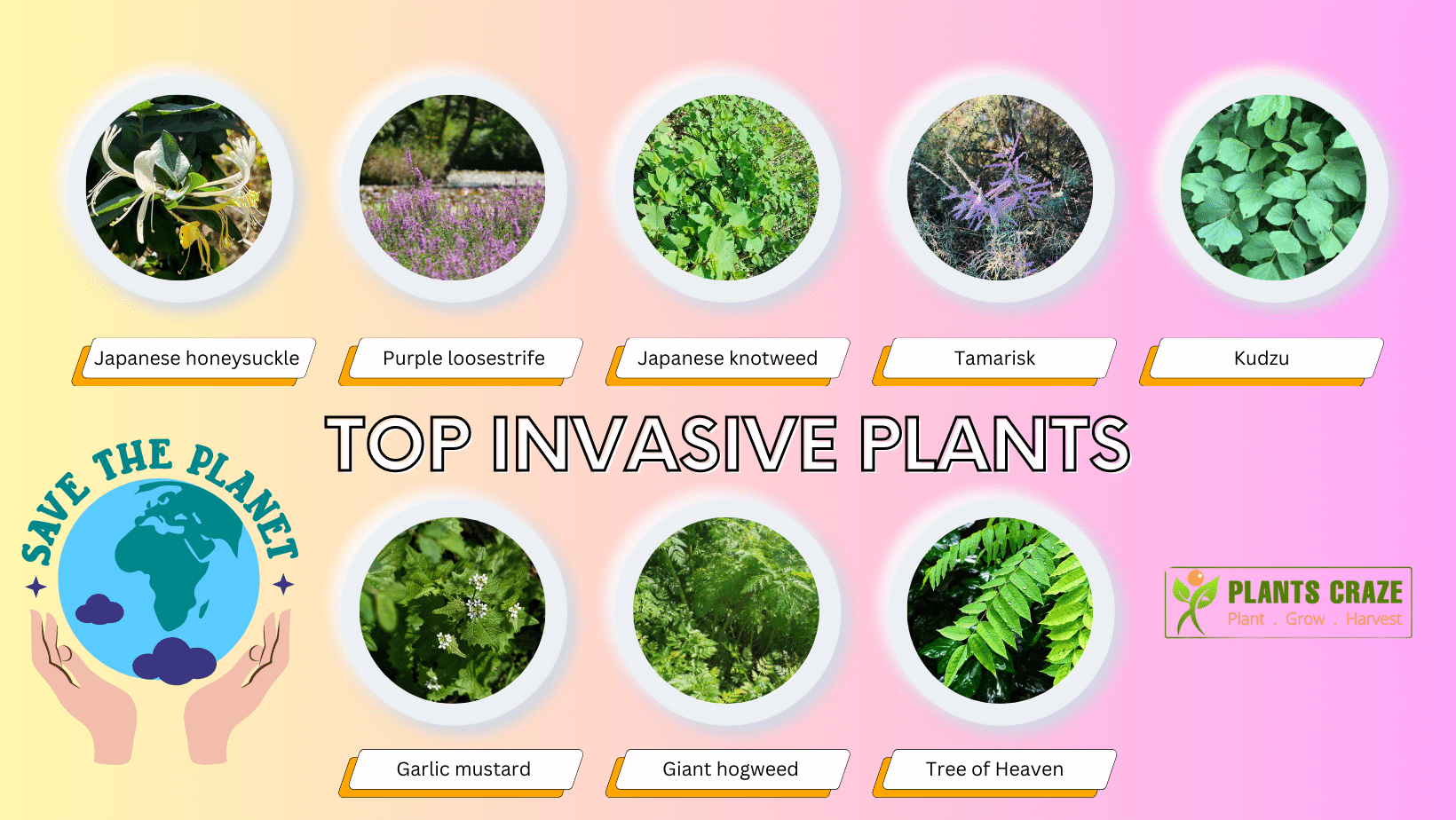
In the vast tapestry of life on Earth, plants play a pivotal role in nurturing ecosystems, providing sustenance, and maintaining balance. However, the emergence of invasive plants—species that thrive outside their native habitats—poses a grave threat not just to local biodiversity, but to the very fabric of our environmental health. Invasive plants should concern everyone, as their impact reverberates across communities, economies, and ecosystems. Beyond their appearance, there lies a profound complexity and underlying narratives that demand attention.
At first glance, invasive plants might seem innocuous; their vibrant colors and robust growth can evoke intrigue and admiration. Yet, the allure of these species often masks deeper, unsettling consequences. For instance, the common purple loosestrife, with its striking purple spikes, has attracted the curious eye of many a passerby. However, this seemingly harmless plant has proliferated in wetlands, displacing native flora and disrupting wildlife habitats, ultimately leading to a significant decline in local biodiversity. It is this paradox—that something so beautiful can wreak such havoc—that underscores our need to scrutinize and understand the phenomenon of invasive species.
One of the most pressing concerns regarding invasive plants is their competitive advantage. These species often possess traits that allow them to outcompete native plants for resources such as sunlight, water, and nutrients. Many invasive plants reproduce prolifically, generating vast quantities of seeds that can be easily dispersed by wind, water, or animals. This reproductive prowess enables them to establish quickly in new environments, often leading to monocultures that choke out diverse plant communities. The resulting loss of biodiversity not only impoverishes the local ecosystem but can also impair critical ecological functions, such as soil stabilization and nutrient cycling.
The ramifications extend beyond ecological domains; they resonate within economic contexts as well. Invasive plants can significantly affect agriculture, forestry, and water management industries. In the Midwest, for example, the encroachment of species like kudzu has led to increased costs for farmers and landowners, who must allocate resources to manage and eradicate these aggressive invaders. The financial burden can become staggering, with estimates suggesting that invasive species collectively cost the U.S. economy billions of dollars each year. Thus, the issue transcends the realm of environmentalism and becomes a matter of economic pragmatism.
A significant and often overlooked area of concern is the cultural impact of invasive species. Many indigenous plants hold historical, medicinal, and cultural significance for local communities. The invasion of non-native plants threatens to erase these cultural touchstones, leading to a loss of heritage and identity. For instance, the displacement of native plants in indigenous territories not only hampers traditional practices but also diminishes the rich tapestry of knowledge that has been passed down through generations. This intersection of ecology and culture amplifies the urgency to address the invasive species crisis.
The battle against invasive plants requires a multifaceted approach, involving education, research, and active community engagement. Awareness is pivotal; understanding that these invaders are not a benign presence is the first step towards fostering stewardship of the environment. Through educational initiatives, communities can be armed with the knowledge to identify and manage invasive species in their vicinity. Local workshops and campaigns can stimulate grassroots movements aimed at restoration and conservation, bridging the gap between scientific understanding and communal action.
Moreover, research plays a critical role in informing these efforts. Scientists and ecologists are delving deeper into the intricacies of invasive species, investigating their biology, spread patterns, and ecological impacts. With this knowledge, effective management strategies can be devised. For instance, integrated pest management practices can help balance ecological health with economic interests, providing solutions that are both environmentally sound and economically viable. The collaboration between researchers and local communities can cultivate a sense of ownership and responsibility, fostering a collective commitment to safeguard ecological integrity.
As individuals, we can harness our passion for the environment into actionable steps. Simple actions, such as planting native species in gardens, participating in local clean-up efforts, or spreading awareness about the significance of biodiversity can contribute substantially to the broader cause. Each small effort cumulatively impacts the health of our ecosystems, creating ripples of change that extend far beyond our immediate surroundings.
Each community also has the potential to become a bastion for biodiversity. Working together, we can cultivate healthy ecosystems in harmony with the natural world. As stewards of the planet, the onus falls upon us to champion the cause of native plants and counter the tide of invasive species. By prioritizing ecological health and engaging with local ecosystems, we can actively participate in the restoration and maintenance of our natural heritage.
Ultimately, the plight of invasive plants is not an isolated environmental issue; it is a call to action for humanity at large. By rekindling our connection to the natural world and recognizing our role within it, we can forge a future where biodiversity thrives. Invariably, this involves a conscientious effort to distinguish between what is simply attractive and what is truly beneficial. Through informed advocacy and collaborative action, we can ensure that invasive plants do not overshadow the beauty and diversity that define our ecosystems.









Leave a Comment