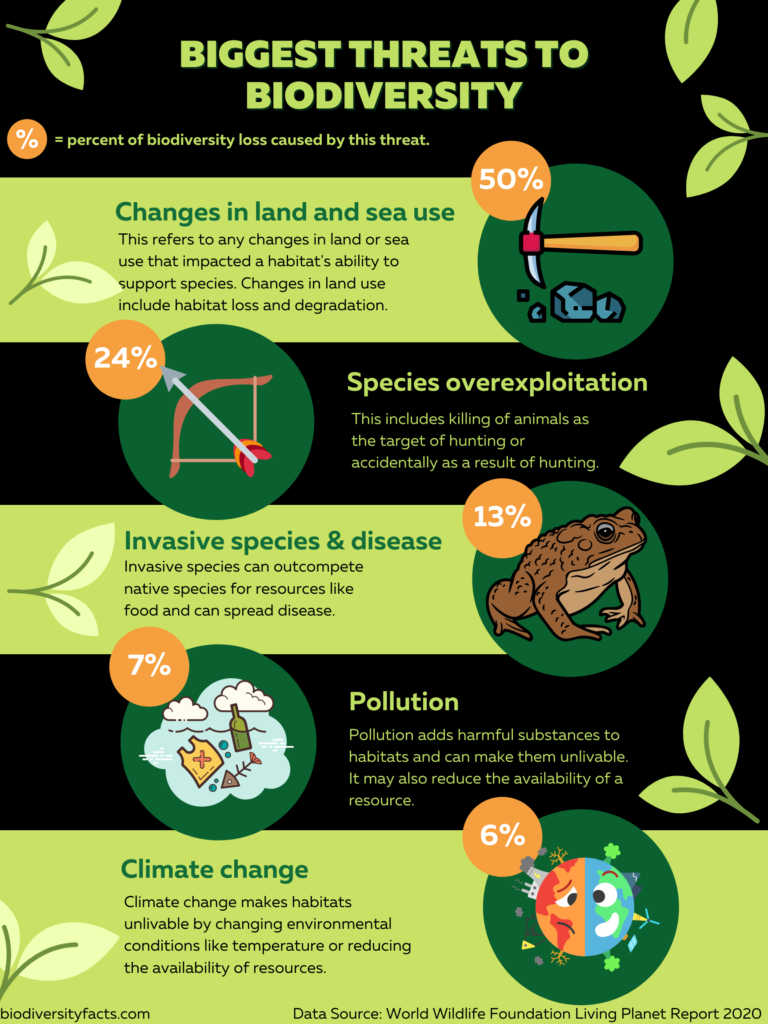
In recent decades, the rich tapestry of life on Earth has been unraveling at an alarming rate. One of the most insidious culprits behind this trend is habitat loss. It might seem straightforward at first glance — as natural habitats are converted for agriculture, urbanization, and other human endeavors, the species that once thrived there seem to diminish. However, upon closer inspection, the ramifications of habitat loss reveal a labyrinth of consequences that extend deeply into ecological, economical, and social fabric. To understand the breadth of this issue, one must delve into its complex causative factors and its overarching implications on biodiversity.
Habitat loss manifests in various forms, predominantly due to urban sprawl, deforestation, and infrastructure development. Each of these activities infringes upon the natural landscapes that are home to countless organisms. Forests, wetlands, and grasslands are often sacrificed for agricultural fields meant to sustain burgeoning populations. But this presents a stark paradox; while we aim to nourish ourselves, the diversity of life that sustains the balance of ecosystems is simultaneously eradicated. This loss is not without consequence; it disrupts intricate food webs and diminishes genetic diversity, ultimately crippling ecosystems and their resilience.
Intriguingly, the connection between habitat loss and biodiversity can be conceptualized as a cascade of events. When one species becomes endangered due to habitat destruction, the ripple effect can endanger others. Predators lose their prey; flora reliant on specific fauna for pollination wither; and soil organisms, which play a pivotal role in nutrient cycling, face existential threats. An ecosystem is indeed a delicately woven fabric, and when a single thread is pulled, the entire structure risks unraveling.
The phenomenon of habitat loss is often exacerbated by economic incentives that prioritize short-term gains over long-term sustainability. Land development is often heralded as a boon to local economies, promising jobs and progress. However, this perspective is simplistically utilitarian and myopic. The visual splendor of a vibrant ecosystem, replete with diverse flora and fauna, is frequently overshadowed by the stark allure of concrete and steel. The irony is that the very progress it celebrates is undermined by the resources that biodiversity provides — from clean air and water to the genetic materials necessary for medicine and agriculture.
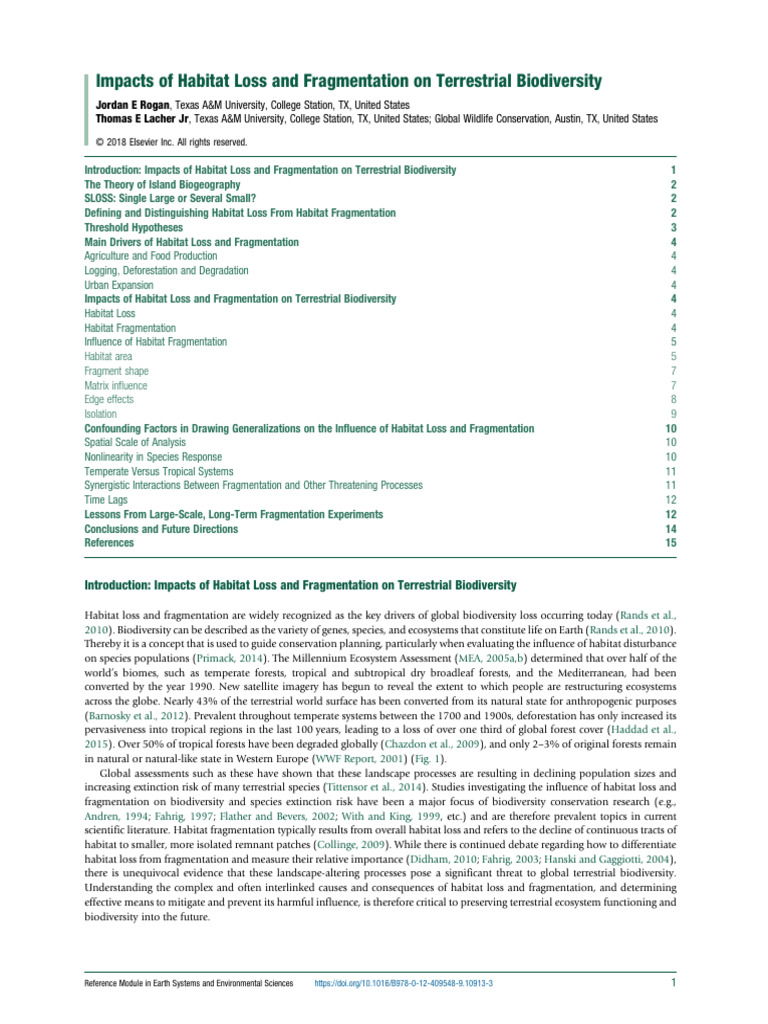
Moreover, the fragmented nature of remaining habitats poses a significant challenge for species survival. As landscapes are dissected into isolated patches, organisms find themselves trapped, unable to migrate to new areas or mates. This isolation leads to inbreeding, reducing genetic diversity and increasing vulnerability to diseases and environmental changes. As species become more susceptible, the likelihood of extinction grows, perpetuating a vicious cycle of loss that echoes throughout an entire ecosystem.
Furthermore, habitat loss disproportionately impacts already vulnerable communities. Indigenous peoples, closely tied to their environments, often bear the brunt of habitat destruction. When their lands are compromised, not only does biodiversity suffer, but so too do the cultural practices and traditions that have thrived in these regions for generations. The loss of biodiversity translates into a loss of heritage, wisdom, and a sense of identity. In this respect, the ramifications of habitat loss extend far beyond ecological considerations—they strike at the very essence of human community and cultural integrity.
Efforts to combat habitat loss and mitigate its effects are multifaceted and must involve cooperation at local, national, and international levels. Policies aimed at land conservation, sustainable agriculture, and reforestation are paramount. Initiatives like wildlife corridors can provide crucial links between fragmented habitats, allowing for species migration and genetic exchange. By recognizing and preserving the interconnectedness of all life forms, humanity can foster a new paradigm that prioritizes coexistence over exploitation.
In addition to governmental and organizational efforts, individual action plays an indelible role in combating habitat loss. Simple choices, like supporting sustainable products, advocating for conservation initiatives, and raising awareness, can contribute to a larger momentum towards change. It is incumbent upon each of us to recognize our collective responsibility as stewards of the Earth. Through education and advocacy, we can galvanize a movement that celebrates biodiversity instead of surrendering to the convenience of habitat destruction.
One cannot overlook the critical intersection of habitat loss and climate change. As habitats are altered, carbon sequestration capabilities diminish, further accelerating global warming. The very ecosystems that absorb the excess carbon emitted into the atmosphere—forests, wetlands, and oceans—are under siege. The deleterious effects of climate change, from extreme weather patterns to habitat shifts, create a feedback loop that exacerbates habitat loss. This interconnectedness highlights the importance of a holistic approach in conservation efforts, addressing not only the habitat itself but also the overarching systems that affect its health.
Understanding why habitat loss ranks as one of the gravest threats to biodiversity is an inquiry that unveils a tapestry of intricate connections between ecological health, economic motivations, cultural integrity, and climate imperatives. The fragile balance of life on Earth is in peril, and the consequences extend far beyond the loss of species. The call to action is strong and urgent; we must collectively embrace the moral imperative to preserve not only our planet’s diverse life forms but also the very foundation of our shared existence. The allure of economic gain must not dull the insight that we are, after all, custodians of this world—we owe it to future generations to ensure their right to experience the wonder of biodiversity in its fullest, most vibrant forms.






Leave a Comment