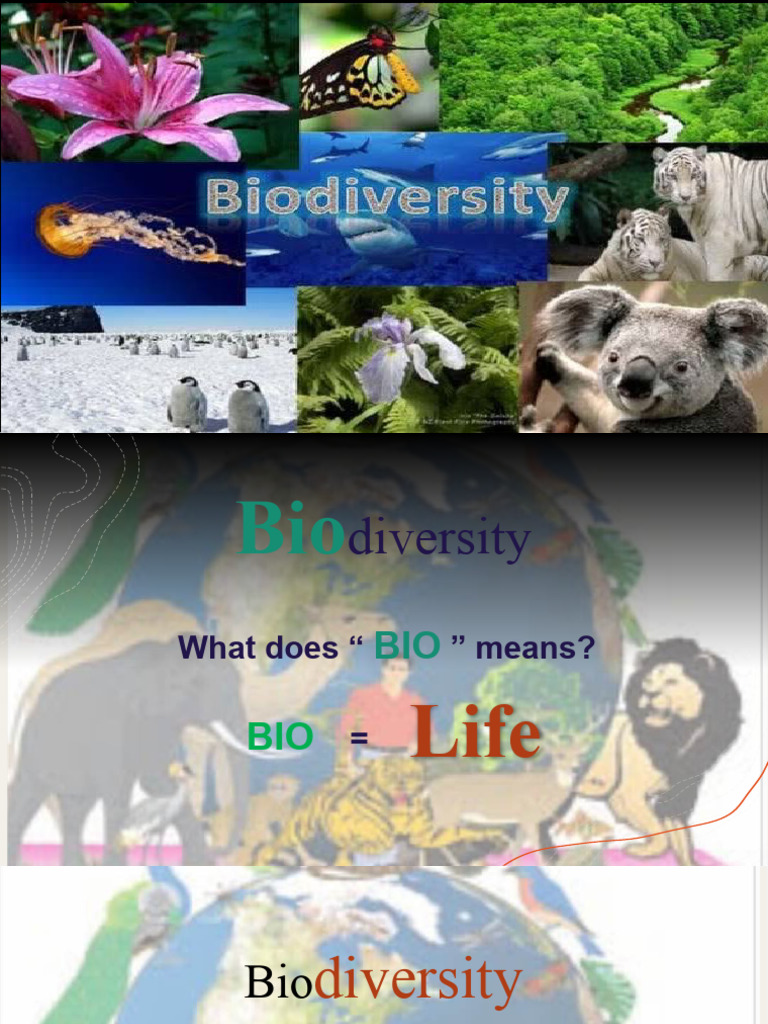
Biodiversity, the intricate tapestry of life on Earth, fostered by millions of years of evolution, is often taken for granted. The world we inhabit teems with a multitude of species—each playing a pivotal role in sustaining the complex systems that support our planet. Yet, this significant wealth of life is imperiled, and an exploration into why biodiversity is essential to natural ecosystems reveals profound truths about our environment and our existence.
At the outset, biodiversity serves as a cornerstone for ecosystem functionality. Each species, from the tiniest microbes to the massive elephants, contributes to ecological processes that regulate climate, purify air and water, and cycle nutrients. These interactions create resilience within ecosystems; the more diverse an ecosystem, the greater its ability to withstand environmental perturbations such as disease, climate change, and habitat destruction. For instance, a forest brimming with various tree species will likely fare better during an invasive pest outbreak compared to a monoculture of a single tree species, which could be decimated quickly.
Diversity within ecosystems also bolsters productivity. Different species utilize resources in varying ways; some may thrive in the shade, while others may require direct sunlight. This niche differentiation leads to efficient resource allocation, allowing ecosystems to maximize energy capture and nutrient cycling. For example, a diverse coral reef can harness sunlight through various types of symbiotic algae, each optimized for differing depths and light conditions, thereby ensuring survival and growth even as environmental variables fluctuate.
Moreover, biodiversity is integral to the provision of ecosystem services—the myriad of benefits provided to humanity at no cost. Pollination, a quintessential example, hinges on a diverse array of species, including bees, birds, and bats. Studies have shown that ecosystems with higher species diversity result in more effective pollination, which is indispensable for the reproduction of many of the crops we rely on for sustenance. Without the myriad of pollinators, food production would be severely diminished, leading to food scarcity and increased malnutrition. Agriculture, therefore, deeply entwines with ecological health, emphasizing that our wellbeing is inextricably linked to the biological variety around us.
Further inspection reveals the significance of genetic diversity—yet another layer within the biodiversity paradigm. Genetic diversity is crucial for a species’ ability to adapt to changes in climate and environment. For instance, a population of pests may evolve resistance to a certain pesticide; if the genetic diversity of that pest population is low, the entire group may become susceptible to extinction. Conversely, higher genetic variability within crop species promotes resilience against diseases, ensuring that farmers have reliable yields even amidst adverse conditions. Thus, genetic diversity stands as a buffer against the uncertainty of the future.
The interdependence among species is another compelling reason to cherish biodiversity. Symbiotic relationships—like the mutualism between flowering plants and their pollinators—underscore the intricate web of life that binds species together. When one species is removed or declines, the ripple effects can cascade across the ecosystem, destabilizing intricate relationships. The extinction of a single species can lead to the decline of others that depend on it for food, shelter, or other vital needs. This interconnectedness prompts a collective responsibility to preserve biodiversity, as the loss of one could herald the demise of many.
Additionally, biodiversity underpins the cultural and spiritual life of humans. Many communities around the globe are intrinsically linked to their surrounding biodiversity, drawing on local flora and fauna for medicine, sustenance, and identity. Ethnomedicine, for example, relies on the diverse plant species used by indigenous cultures for healing; as these natural resources dwindle, so too does the rich tapestry of knowledge woven into the culture. The importance of biodiversity extends beyond material needs—it also encompasses the aesthetic and recreational values that nurture our spirits and well-being. Biodiverse landscapes inspire art, literature, and philosophy, representing the quintessence of life itself.
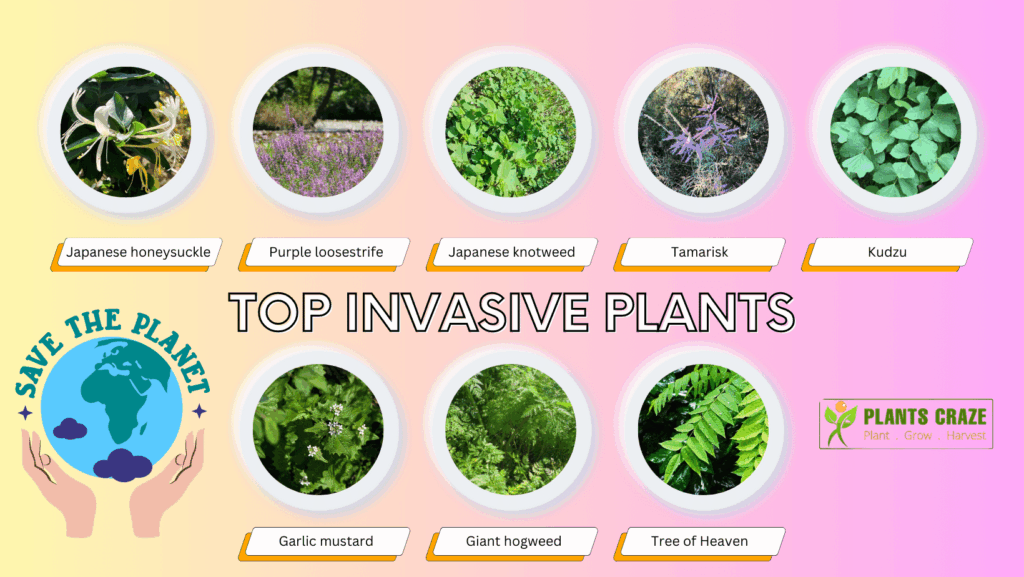
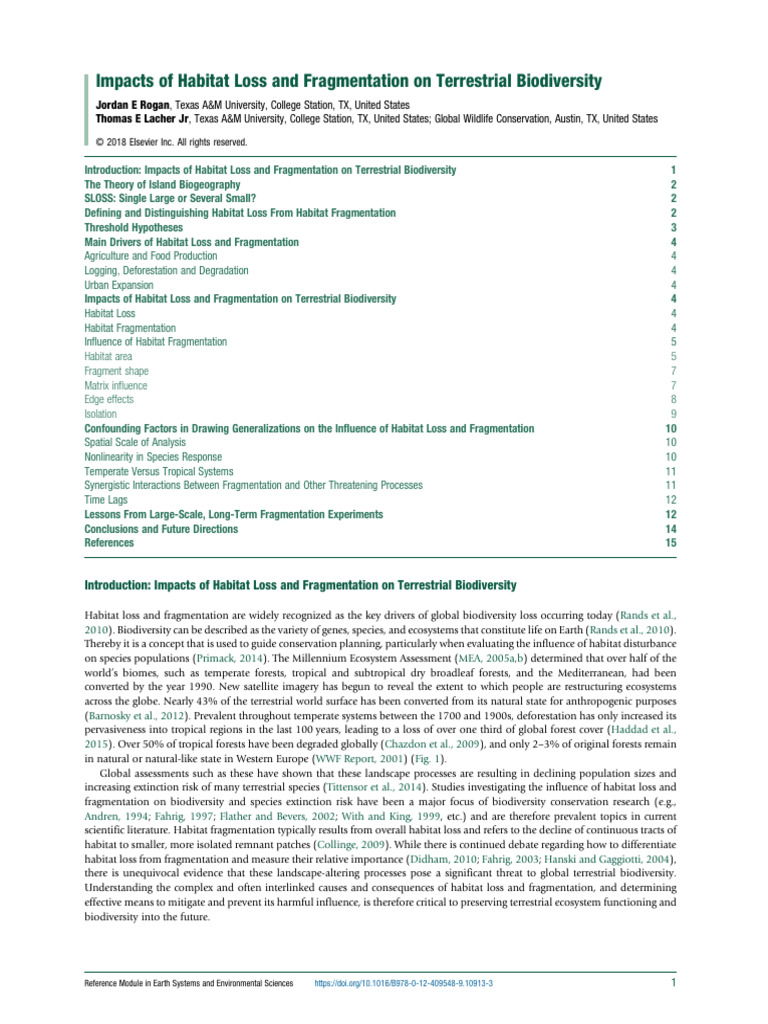
In light of these multi-faceted roles that biodiversity plays, it becomes increasingly troubling to observe the accelerating rates of extinction we currently face. Habitat loss, climate change, pollution, and invasive species pose formidable threats to the intricate balance of life. The implications of such diminishment extend beyond nature; they reverberate around the globe, impacting economies, food security, and health. The call to action is clear: fostering biodiversity is not merely an environmental concern but a fundamental necessity for human survival.
Addressing environmental crises necessitates a paradigm shift in how we value and interact with ecosystem diversity. Conservation efforts ought to be prioritized, emphasizing the restoration of habitats, sustainable management of natural resources, and the protection of endangered species. Engaging local communities in conservation can invigorate efforts and cultivate an appreciation for the intricate interrelations that sustain life on Earth.
In summation, biodiversity is not merely a collection of living organisms; it is the vital framework upon which the health of our planet relies. The richness of life ensures that ecosystems function effectively, providing essential services, protecting genetic diversity, and shaping cultural narratives. Each species is a cog in a far larger machine, and our well-being hinges on the stasis and resilience of these environments. To secure a future where both nature and humanity thrive, we must acknowledge the crucial importance of biodiversity and act decisively to safeguard it.









Leave a Comment