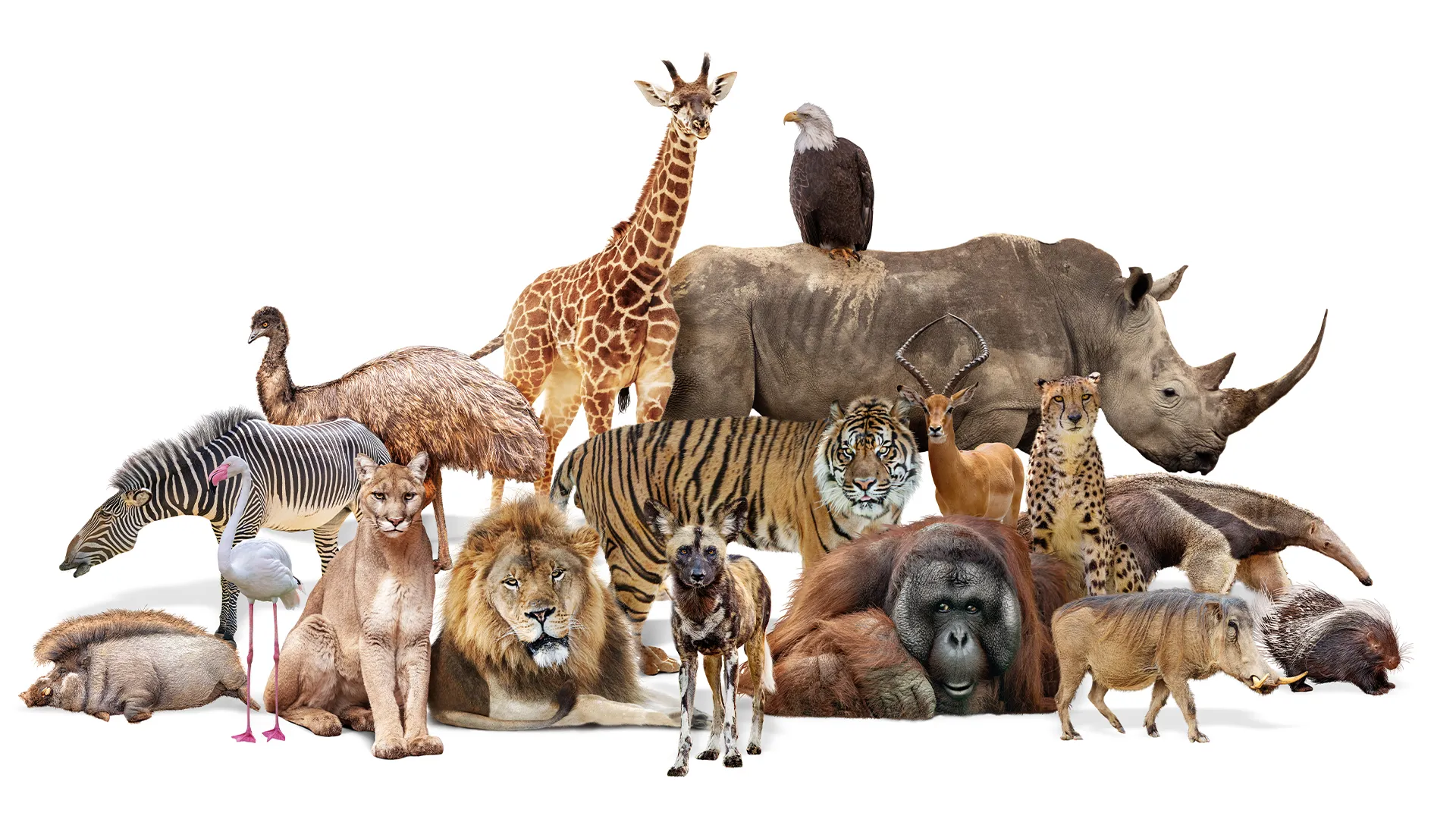
In an era marked by unprecedented ecological upheaval, understanding which animals face the gravest threats of extinction is imperative. Amidst our bustling world, many species languish on the brink, victims of habitat destruction, climate change, pollution, and poaching. The manner in which we perceive these creatures—often seen as mere numbers in scientific studies—must be reexamined. Let us delve into the realm of endangered species, exploring the animals with the highest extinction rates and the underlying factors that contribute to their perilous plight.
To commence this exploration, we must first understand the disparity in extinction rates among different animal groups. Amphibians, for instance, are one of the most affected taxa. These remarkable creatures, known for their sensitive skin and dual life stages, serve as vital indicators of environmental health. Alarmingly, nearly one-third of all amphibian species are threatened with extinction. This staggering statistic is often attributed to a combination of habitat loss due to urban expansion, pollution, and the cataclysmic spread of chytridiomycosis, a devastating fungal disease that has decimated populations worldwide.
Next, we turn to the plight of reptiles. These ancient creatures, which have roamed the Earth far longer than humans, face similar calamities. Over 20 percent of all reptiles are classified as threatened. The infamous decline of the world’s turtles is particularly worthy of mention. Factors such as illegal trade, loss of nesting sites, and climate change, which disrupts their migratory patterns and reproductive cycles, have placed these creatures in jeopardy. The sobering fate of the Yangtze giant softshell turtle serves as a poignant illustration; it is teetering dangerously close to extinction, with only a handful left in existence.
Bird populations have also encountered catastrophic declines. Approximately 12 percent of all bird species are now facing extinction, particularly in biodiversity hotspots like tropical rainforests and island ecosystems. Habitat destruction, especially through deforestation, poses one of the most significant threats. Avian species such as the Spix’s macaw and the flightless Kakapo have become emblematic of the fragility of avian life. Conservation initiatives have been instituted to revive these populations, yet the road ahead remains fraught with challenges.
Mammals, too, share a gloomy narrative in this saga of decline. Alarmingly, around 26 percent of mammals are threatened with extinction, with large-bodied species disproportionately affected. The African elephant, for instance, is grappling with poaching driven by the ivory trade and habitat loss due to human encroachment. Similarly, the vaquita, a small porpoise endemic to the Gulf of California, faces imminent extinction, with fewer than thirty individuals remaining. This illuminates a critical aspect of conservation—the urgency to not merely preserve species, but to preserve entire ecosystems upon which they depend.
As we sift through the myriad endangered species, it becomes abundantly clear that certain ecological niches are more vulnerable than others. Freshwater habitats are an alarming example, where myriad species are threatened due to pollution, dam construction, and water diversion. Species such as the Sumatran orangutan and the critically endangered Gharial are emblematic of this plight, their fates intricately woven into the health of their respective ecosystems.
Understanding the underlying factors behind these extinction rates invites us to question our role in this unfolding tragedy. Industrialization, agricultural expansion, climate change, and urbanization have collectively eroded habitats and fragmented ecosystems. On a micro level, our everyday choices—from the products we consume to our energy sources—have consequential impacts that reverberate throughout the animal kingdom. This interplay of human action and environmental degradation offers a poignant reminder of our interconnectedness with nature.
Moreover, the issue of invasive species adds another layer of complexity to this dire situation. Non-native species can outcompete, prey on, or introduce diseases to vulnerable native species, further exacerbating their plight. Take the example of the Burmese python in the Florida Everglades, which has decimated local wildlife populations. The intricate balance within ecosystems hinges on the preservation of native fauna, which, in turn, requires our respectful stewardship.
While the statistics are alarming, it is essential to recognize the advancements in conservation efforts that provide a glimmer of hope. Global initiatives aimed at habitat restoration, the establishment of protected areas, and stringent anti-poaching laws demonstrate that concerted efforts can yield positive results. Innovative breeding programs have successfully reintroduced species like the California condor and the Arabian oryx back into their native habitats.
In conclusion, the animals with the highest extinction rates transcend mere statistics; they are emblematic of the broader environmental crisis that we face today. The narratives of each species remind us of the delicate balance within ecosystems and the urgent need for a paradigm shift in our relationship with nature. Acknowledging their struggles invites a deeper sense of responsibility, prompting us to become more than mere spectators in the story of the natural world. Instead, let us be catalysts for change, striving to ensure that future generations inherit a planet rich in biodiversity and teeming with life.






Leave a Comment