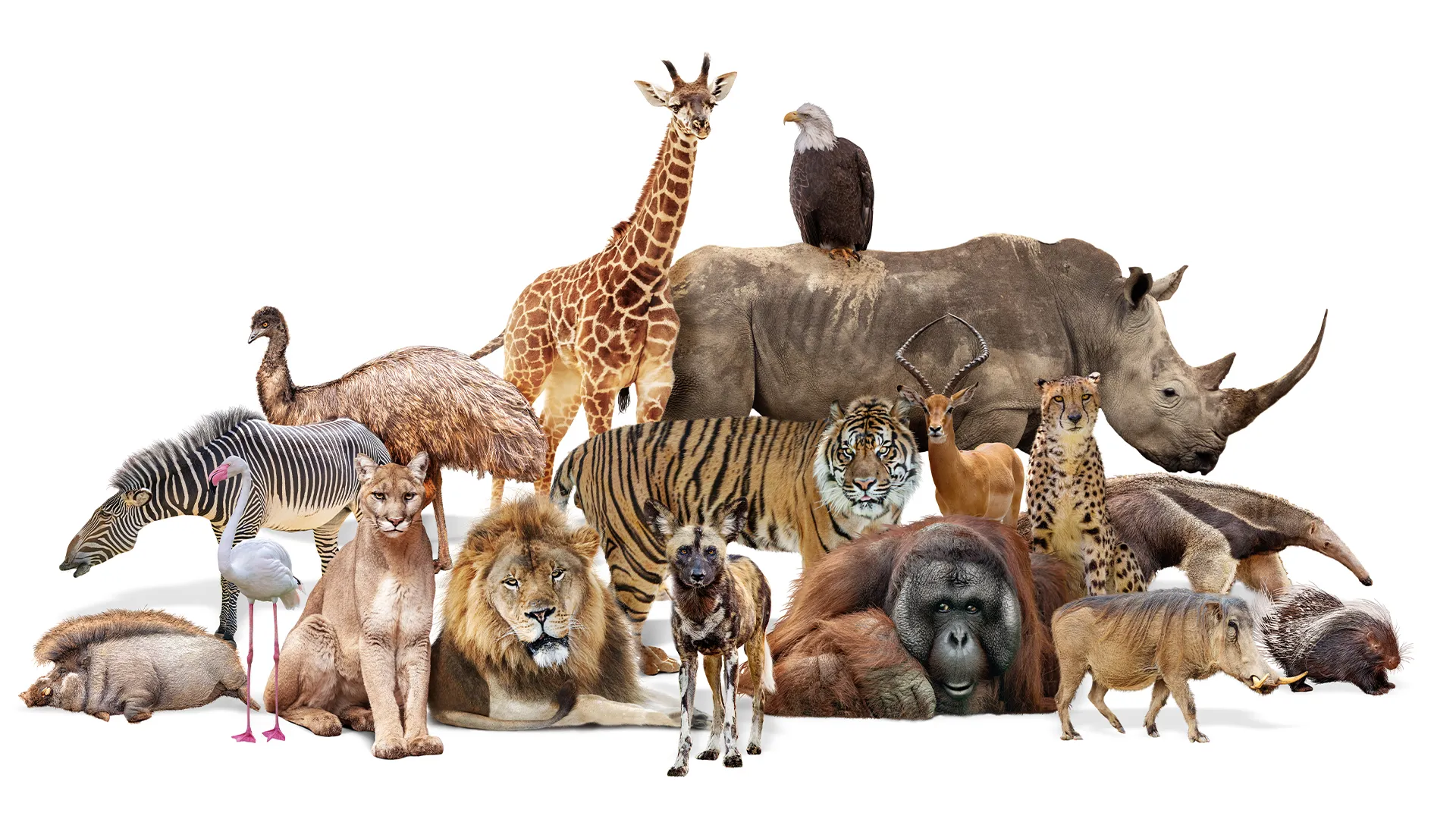
The current era is marked by an alarming decline in biodiversity, with numerous species teetering on the brink of oblivion. The extinction crisis, fueled by human activities, poses an existential threat not only to the species themselves but also to the intricate tapestry of life on Earth. As stewards of the planet, it is imperative to delve into the plight of those animals currently facing the dire specter of extinction. This narrative explores various categories of endangered animals, highlighting their unique vulnerabilities, the intricacies of their ecosystems, and the urgent need for conservation efforts.
Understanding Endangerment
To grasp the magnitude of the extinction crisis, it is essential to understand the classifications of endangered species. The International Union for Conservation of Nature (IUCN) designates species as ‘critically endangered’, ‘endangered’, or ‘vulnerable’. Each classification signifies a different level of risk, with critically endangered species facing an imminent threat of extinction in the wild. This classification frame underscores the necessity for immediate conservation action.
Mammals: The Silent Voices of the Wild
Mammals are among the most recognizable inhabitants of our ecosystems, yet many face the gravest threats. For instance, the vaquita, a small porpoise indigenous to the Gulf of California, is teetering on the brink of extinction, with estimates suggesting fewer than thirty individuals remain. Their plight is exacerbated by illegal fishing practices, which entangle them in nets, crippling their chances of survival.
Similarly, the Amur leopard, native to the temperate forests of the Russian Far East and Northeast China, is one of the world’s rarest big cats. Its habitat is threatened by deforestation and poaching, leading to a sharp decline in its population. Conservationists advocate for habitat preservation and anti-poaching initiatives to bolster the survival prospects of such icons of biodiversity.
Aves: The Aerial Wonders Under Siege
The avian world, vibrant and diverse, is also in peril. The California condor, a symbol of conservation efforts, has experienced devastating population declines due to lead poisoning, habitat destruction, and microtrash ingestion. This majestic bird, with a wingspan surpassing ten feet, is now a focal point for recovery programs that aim to reintroduce captive-bred individuals into the wild while monitoring their health and viability.
Additionally, the Kakapo, a flightless parrot endemic to New Zealand, faces an uphill battle against extinction. With a mere population of about two hundred individuals, intensive management and breeding programs are vital for its survival. The dedication of conservationists has led to significant efforts in predator control and habitat restoration, aiming to secure a future for this unique species.
Reptiles: Ancient Survivors at Risk
Reptiles, often overlooked, also comprise a significant portion of endangered species. The Aldabra giant tortoise, found on the Aldabra Atoll in the Seychelles, is classified as vulnerable due to habitat loss and climate change. These tortoises play a vital role in their habitat, influencing vegetation cycles and contributing to ecosystem health.
Equally endearing is the plight of the hawksbill turtle, a marine reptile facing severe threats from poaching, habitat degradation, and climate change impacts on nesting sites. These turtles serve crucial roles in their environments, such as maintaining coral reef health. Conservation initiatives aimed at protecting nesting beaches and curbing illegal trade are critical to ensuring their survival.
Amphibians: The Disappearing Sentinels
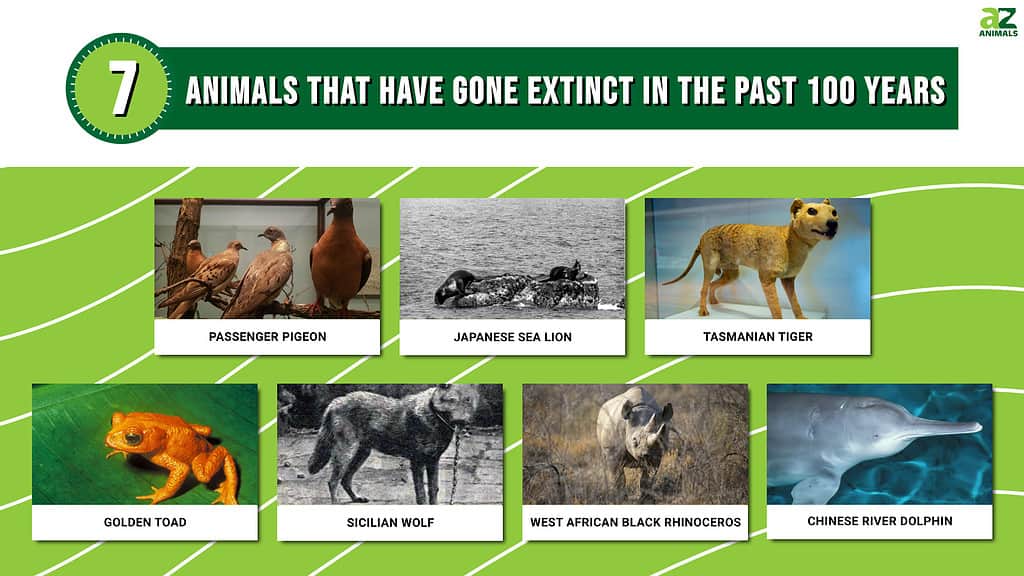
Amphibians are often considered bioindicators, reflecting the health of ecosystems. However, they are experiencing an unprecedented decline due to factors like habitat destruction and fungal disease. The golden toad, once found in Costa Rica, has not been seen since 1989, a haunting reminder of the fragility of biodiversity.
The decline of amphibians impacts entire ecosystems. For instance, the extinction of the Panamanian golden frog would not only be a profound loss but would also affect the ecological balance of its environment. Efforts in captive breeding, habitat restoration, and disease management are essential to stave off further disappearances.
Fish: The Underwater Refugees
In the aquatic realm, fish species are facing immense challenges. The Sahara’s Gharial, a unique crocodile-like fish, is threatened by habitat destruction and river pollution. Similarly, the bluefin tuna, coveted for its role in sushi cuisine, is severely overfished. The depletion of such species resonates through entire marine ecosystems, causing imbalances that affect biodiversity.
Efforts to implement sustainable fishing practices and marine protected areas are of utmost importance. These strategies aim to safeguard the habitats of endangered fish while ensuring the health of the oceans for future generations.
Urgency for Action
The grim reality of endangered species calls for urgent action. Conservation efforts must extend beyond mere awareness; they must involve local communities, policymakers, and global stakeholders. By fostering sustainable practices and restoring habitats, there is hope for recovery. Every species plays a pivotal role in its ecosystem, and their loss reverberates in ways often unseen.
In conclusion, the animals currently in danger of extinction represent more than just individual species; they embody the interconnectedness of life on Earth. As custodians of the planet, the onus lies on humanity to champion their cause, ensuring that the cacophony of nature continues to flourish for generations to come. Each action, no matter how small, can contribute to the vital fight against extinction. The time to act is now – for the voiceless inhabitants of our world depend on our resolve.







Leave a Comment