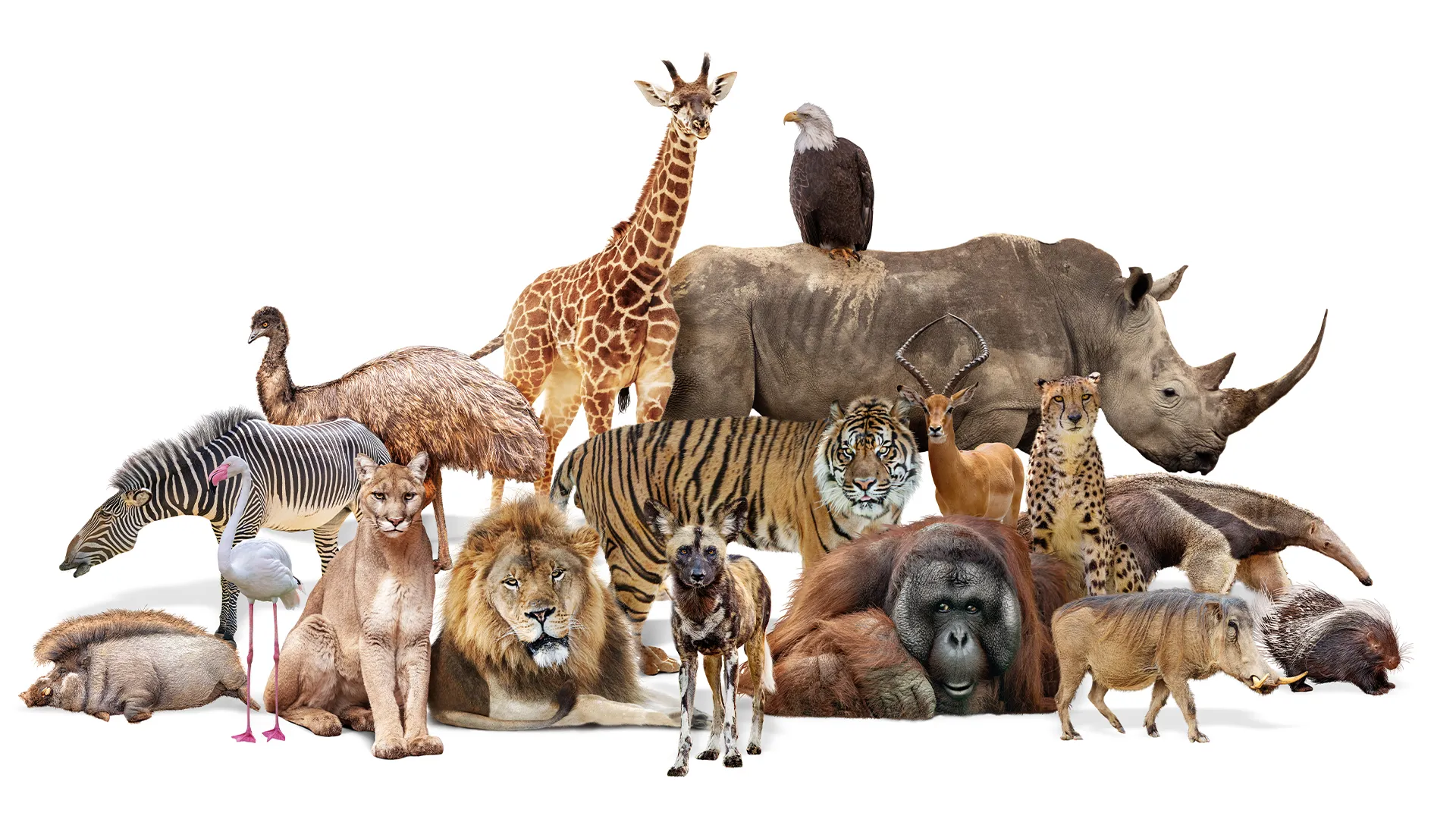
Humanity’s relentless pursuit of progress has encroached upon the natural world, leading to a poignant reality: numerous species teeter on the precipice of extinction. The urgency of this crisis compels us to scrutinize the enigmatic inhabitants of our planet. In this endeavor, we shall delve into an assortment of species that are verging on disappearance, thereby shedding light on their magnificent biology, their habitat conundrums, and the precarious predicaments they currently face.
As we explore this subject, it is imperative to recognize that extinction is not merely a statistical concern but rather a profound loss of biodiversity. The species we will examine are emblematic of larger environmental issues, and their plight serves as a harbinger of the intricate web of life that binds us all together.
One of the most critically endangered species is the Vaquita marina (Phocoena sinus), a diminutive porpoise found only in the northern part of the Gulf of California. This marine mammal has seen its population plummet to an alarming estimate of fewer than 30 individuals due to bycatch in illegal gillnets used for fishing. Vaquitas embody a pivotal ecological role, maintaining the balance of their aquatic environment, and their potential extinction represents not just the loss of a species, but a dire warning sign regarding industrial fishing practices and habitat destruction.
Transitioning from the sea to the land, the Sumatran orangutan (Pongo abelii) finds itself in a similarly dire predicament. Deforestation driven by palm oil and timber industries has decimated their rainforest habitat in Sumatra and Borneo. With fewer than 14,000 individuals left, the Sumatran orangutan is emblematic of the urgent need to protect tropical ecosystems. Their complex social structures and intelligence highlight their essential role in enriching biodiversity within their habitat, revealing that the survival of this species directly correlates with the health of its environment.
The plight of the Amur leopard (Panthera pardus orientalis) is particularly notable due to its unique adaptation to temperate climates. Once roaming the forests of Eastern Russia and Northeastern China, this solitary big cat now teeters on the brink, with an estimated population of only 100 individuals remaining in the wild. Poaching, habitat fragmentation, and depletion of prey species have been compounded by climate change, further threatening its survival. Conservation efforts are essential, not only for the Amur leopard but for the larger ecosystem that relies on the predator-prey dynamic.
In the icy habitats of the Arctic, the polar bear (Ursus maritimus) faces existential threats as climate change continues to erode its habitat. Polar bears are stark indicators of global warming, as their survival intricately depends on sea ice for hunting seals, their primary food source. As the ice steadily diminishes, the impact is felt not just by the bears themselves but by the entire Arctic ecosystem. The polar bear’s fate is a clarion call urging global action to combat climate change and preserve polar environments.
Conversely, the Javan rhino (Rhinoceros sondaicus) exemplifies the dire consequences of poaching and habitat loss, with numbers dwindling to approximately 75 individuals, all confined to Ujung Kulon National Park in Indonesia. This species epitomizes the desperate need for stringent anti-poaching efforts and habitat conservation. The Javan rhino also serves as a reminder of how interconnected species are within their ecosystems; their disappearance could invoke a cascade of repercussions across the species that coexist with them.
The Yangtze River dolphin (Lipotes vexillifer), or Baiji, constitutes a tragic embodiment of human-induced extinction. Once prevalent in the Yangtze River, there have been no recorded sightings since 2007, leading many to declare it functionally extinct. This dolphin’s demise underscores the tragic consequences of pollution, overfishing, and river damming, collectively debilitating its habitat. Its story is a cautionary tale about the urgent need to prioritize river conservation and safeguard aquatic biodiversity.
The world of avian species is not spared from extinction’s grip. The Kākāpō (Strigops habroptilus), a flightless parrot endemic to New Zealand, has faced dramatic population declines primarily due to invasive species and habitat destruction. Conservationists have rallied to protect the remaining few within intensive recovery programs, illustrating the potential for human intervention to alter a species’ fate positively. This endeavor serves as a beacon of hope and emphasizes the crucial role of conservation initiatives worldwide.
As we synthesize these observations, it becomes evident that every threatened species not only harbors intrinsic value but is also a vital component of our global ecosystem. The cessation of their existence would mean the irrevocable alteration of ecosystems that have flourished for millennia. This loss profoundly impacts not only the biological landscape but also cultural legacies and indigenous ways of life.
In conclusion, the specter of extinction looms over our planet, compelling us to confront our responsibilities as stewards of the Earth. By recognizing the plight of these species—from the Vaquita to the Kākāpō—we foster a collective commitment to safeguard our planet’s biodiversity. It is incumbent upon humanity to galvanize efforts toward conservation; to advocate for policies that mitigate environmental degradation and to inspire future generations to cherish the intricate tapestry of life that surrounds us. The stories of these remarkable animals serve as powerful narratives, urging us to reflect on our connection to nature and the indelible impact our actions can have on the fate of these species.







Leave a Comment