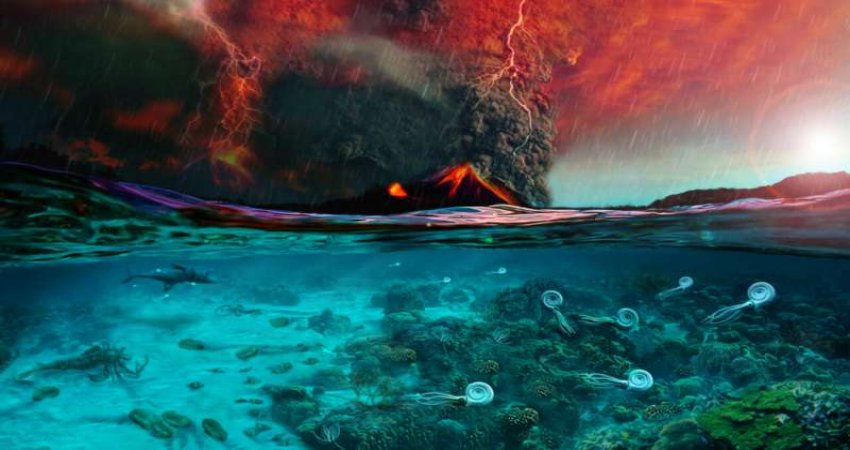
The annals of Earth’s history are adorned with epochs of grandeur and devastation, each marked by the rise and fall of myriad species. Of these cataclysms, none resonates more profoundly than the largest mass extinction—a cataclysmic event that rekindles our understanding of nature’s precarious balance. This mass extinction, which occurred approximately 252 million years ago, is known as the Permian-Triassic extinction event. It represents not merely a punctuated equilibrium in biological evolution but also a stark reminder of the fragility of life itself.
The Permian-Triassic extinction, often referred to as ‘The Great Dying,’ serves as both a harbinger and a mirror reflecting the consequences of ecological equilibrium being disrupted. An astonishing 90 percent of marine species and 70 percent of terrestrial vertebrate species perished during this period. The sheer magnitude of this loss can be likened to a theater where the curtains fall abruptly, leaving half-formed characters and narrative arcs suspended in dramatic tension.
To comprehend this tumultuous period, it is crucial to explore the geological and biological context leading up to this existential crisis. The Permian period, which spanned from about 299 to 252 million years ago, was marked by the dominance of reptiles and the flourishing of various marine life forms. The supercontinent Pangaea had amalgamated, altering ocean currents and climate patterns—an exquisite tableau that teetered precariously on the brink of an environmental upheaval. The close of the Permian set the stage, with ecosystems intricately woven into a tapestry of interdependence, only to be unraveled by zealous forces of nature.
The mechanisms that orchestrated this ballet of destruction were multifaceted. One primary factor was volcanic activity—specifically, the colossal eruptions that formed the Siberian Traps. Picture immense engines of the Earth spewing forth lava, gas, and ash, altering atmospheres and washing away the delicately balanced habitats. This relentless barrage released staggering quantities of carbon dioxide, catalyzing severe climate perturbations. Temperature gradients plummeted, oceans turned acidic, and the anoxic waters suffocated marine life—a graphic tableau of desolation where silence reigned supreme.
The ramifications of this event reverberated through time and space, reshaping entire biospheres. The vivid projections of lush landscapes teeming with life coursed through the veins of the Earth, only to be depleted and transformed into arid wastelands. As the ecological paradise collapsed, an intricate web of life, once harmonious, lay in ruin. Shifting ecosystems cried out in desperation, and the monumental decline became the catalyst for ushering in a new age.
Ironically, amid the obliteration, new opportunities arose for the resilience of life. The aftermath of this cataclysmic event saw the dawn of the Triassic period—a renaissance of sorts—where hardy creatures began to populate the desolate realms left in the wake of destruction. Early dinosaurs and mammals emerged, filling the ecological niches left vacant by extinct species. Life, like a resilient phoenix, rose from the ashes, showcasing an astounding ability to adapt and flourish amid adversity.
Understanding the Permian-Triassic extinction event thus allows us to engage in deeper introspection regarding contemporary ecological challenges. As humanity grapples with unprecedented climate change, habitat loss, and species extinction, we stand at a crossroads echoing the lessons of the Past. The specter of the Great Dying is not a relic of history; it is a cautionary tale, urging us to reflect on our relationship with the natural world.
Amidst this backdrop of foreboding, one might pose the question: What lessons can we glean from such a profound tragedy? Firstly, the event underscores the importance of biodiversity—the fortification against ecological collapse. The Permian-Triassic extinction exemplified how interconnected life forms are, akin to a delicately woven tapestry where the removal of one thread unravels the entire structure. We must advocate for the preservation of habitats and species that fortify ecological resilience, steering away from the anthropogenic behaviors that precipitate degradation.
Secondly, it illuminates the urgency of climate action. The Great Dying was propelled by swift and catastrophic environmental change. As we witness similar patterns of warming and habitat destruction today, the echo of history implores us to act decisively and responsibly, mitigating change through sustainable practices. The current trajectory is a grim parallel to history’s lessons—a reminder that we should not ignore the signs emitted by our planet.
Lastly, the narrative of resilience through adversity emerges, emphasizing the potential for recovery. The Earth is capable of astounding regeneration, yet it demands conscious stewardship from us. The legacy of the largest mass extinction manifests not merely as a tale of ruin but as a narrative ripe with opportunities for rejuvenation and renewal.
In summary, the Permian-Triassic extinction is an indelible chapter in the chronicle of life on Earth—a narrative woven with threads of destruction and resilience. As we explore the consequences of this ancient cataclysm, we are reminded that our stewardship of the planet is imperative. The lessons ensconced within the depths of Earth’s history invite us to be the architects of a different narrative, one of harmony and coexistence. By heeding the warnings of our past, we can endeavor to prevent repeating the grave mistakes that once led to the tragic silence of a world once vibrant with life.







Leave a Comment