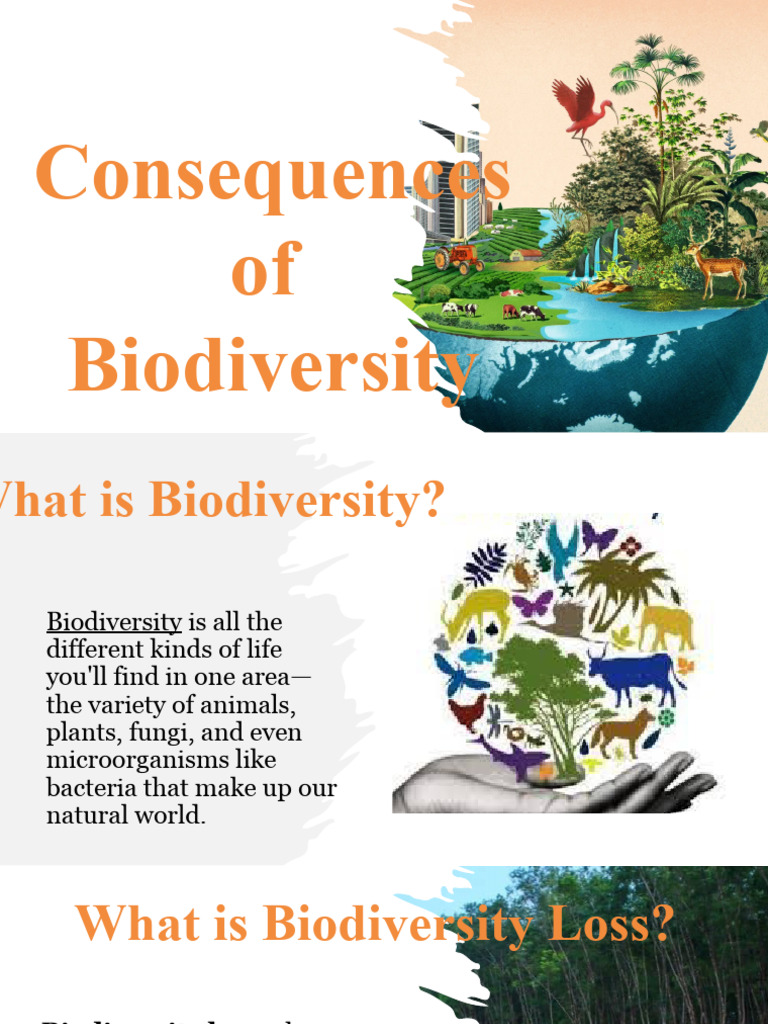
Imagine a grand tapestry, intricately woven with threads of countless colors, each representing a unique species, an ecosystem, or an entire biological community. This vibrant fabric of life embodies the essence of our planet—its biodiversity. Yet, what happens when threads are pulled away, one by one? The once-resplendent tapestry begins to fray, its beauty diminished, its integrity compromised. As we stand at the precipice of a biodiversity crisis, we must ponder: what will the loss of biodiversity really cost us in the long run?
At its core, biodiversity refers to the richness of life on Earth, an elegant dance of interdependence among various species and their habitats. Each organism, from the tiniest microorganism to the largest mammal, plays a role in maintaining equilibrium within ecosystems. These systems provide us with irreplaceable services, often taken for granted. We rely on them for clean air, pure water, fertile soil, and an abundance of food. However, the weaving of this ecological fabric is threatened by human activities such as deforestation, pollution, and climate change.
As biodiversity dwindles, so too does the resilience of ecosystems. They become fragile and susceptible to disease and disruption, leading to catastrophic consequences. For instance, the collapse of coral reefs—often dubbed the “rainforests of the sea”—serves as a vivid illustration. These vibrant underwater structures, teeming with life, not only provide habitat for myriad marine species but also protect coastlines from erosion and support local economies through tourism and fishing. When coral reefs degrade due to warming oceans and pollution, the ramifications ripple throughout the food web and human communities alike.
The economic implications of biodiversity loss are staggering. The United Nations estimates that the global economic value of ecosystem services ranges from $125 trillion to $140 trillion annually. This equates to more than 1.5 times the entire global GDP. By disregarding the importance of biodiversity, we are unwittingly jeopardizing our own prosperity. Agricultural systems, for instance, rely heavily on biodiversity. Crop diversity ensures resilience against pests and diseases, while pollinators are integral to the reproduction of many fruit and vegetable crops. Without a rich assortment of plants and animals, our food security hangs in the balance, potentially leading to shortages, increased prices, and nutritional deficiencies.
The healthcare sector, too, is deeply intertwined with biodiversity. Many modern medicines originate from compounds found in plants and animals. Consider the Pacific Yew tree, whose bark contains taxol, a potent cancer treatment. A decline in biodiversity could limit our access to untapped resources for new medications, stifling advances in healthcare. The loss of even a single species can hinder our ability to discover innovative solutions to health crises, placing human welfare on precarious ground.
Moreover, biodiversity plays a pivotal role in climate regulation. Forests, wetlands, and oceans sequester carbon dioxide, offsetting greenhouse gas emissions. As ecosystems dwindle, their capacity to mitigate climate change diminishes, thrusting us into a vicious cycle of degradation and disaster. This can exacerbate extreme weather events, leading to increased flooding, droughts, and heatwaves—a reality already stretching our social and economic systems to their limits.
The sociocultural costs of biodiversity loss are equally profound. Indigenous peoples often maintain a deep spiritual and cultural connection to their native ecosystems, with traditional knowledge intricately tied to the land and its biodiversity. The erasure of these connections diminishes cultural identity and communal resilience. The extinction of species is not just an ecological concern; it is a profound loss of heritage, history, and wisdom lamentably swept away from our collective memory.
Furthermore, a decline in biodiversity can amplify social inequalities. Vulnerable communities disproportionately bear the brunt of environmental degradation, often lacking the resources to adapt to changes or recover from disasters. As food sources dwindle, prices soar, and access to vital resources diminishes, marginalized populations face escalated risks of hunger and poverty. This inequality is not a distant concern; it reverberates throughout society, affecting global stability and peace.
To avert this impending calamity, a paradigm shift is necessary. A concerted effort from governments, corporations, and individuals is crucial in fostering a more sustainable relationship with nature. Conservation initiatives, sustainable agriculture practices, and the restoration of natural habitats can act as salves for the wounds inflicted on our ecosystems. Legislation and policies must prioritize biodiversity, recognizing its intrinsic value over short-term economic gain. Education and public awareness initiatives can empower communities, encouraging stewardship of the environment and fostering a culture of conservation.
In conclusion, the loss of biodiversity is not merely an environmental issue but a multifaceted crisis with far-reaching implications for our economy, health, culture, and social equity. As we fiercely advocate for the planet, let us remember that the threads of our natural world, although delicate, are exquisitely resilient. By safeguarding these connections, we protect not only the tapestry of life on Earth but also our future, ensuring that the narrative of our existence continues to thrive amid the complexities of an ever-evolving world. The stakes are high, and the time to act is now. Only by embracing this responsibility can we hope to weave a richer, more vibrant future for generations to come.








Leave a Comment