In the grand tapestry of life, biodiversity serves as the vibrant thread that holds the fabric of our planet intact. Yet, like an artist’s brush that’s been ravaged by time and misuse, this intricate interconnection is fraying at the seams. Understanding the principal causes of low biodiversity requires delving into the convergence of anthropogenic activities, ecological change, and the natural world’s response to human endeavor. As we unravel these threads, we uncover an intricate but perilous design, threatened by the very beings who benefit from its existence.
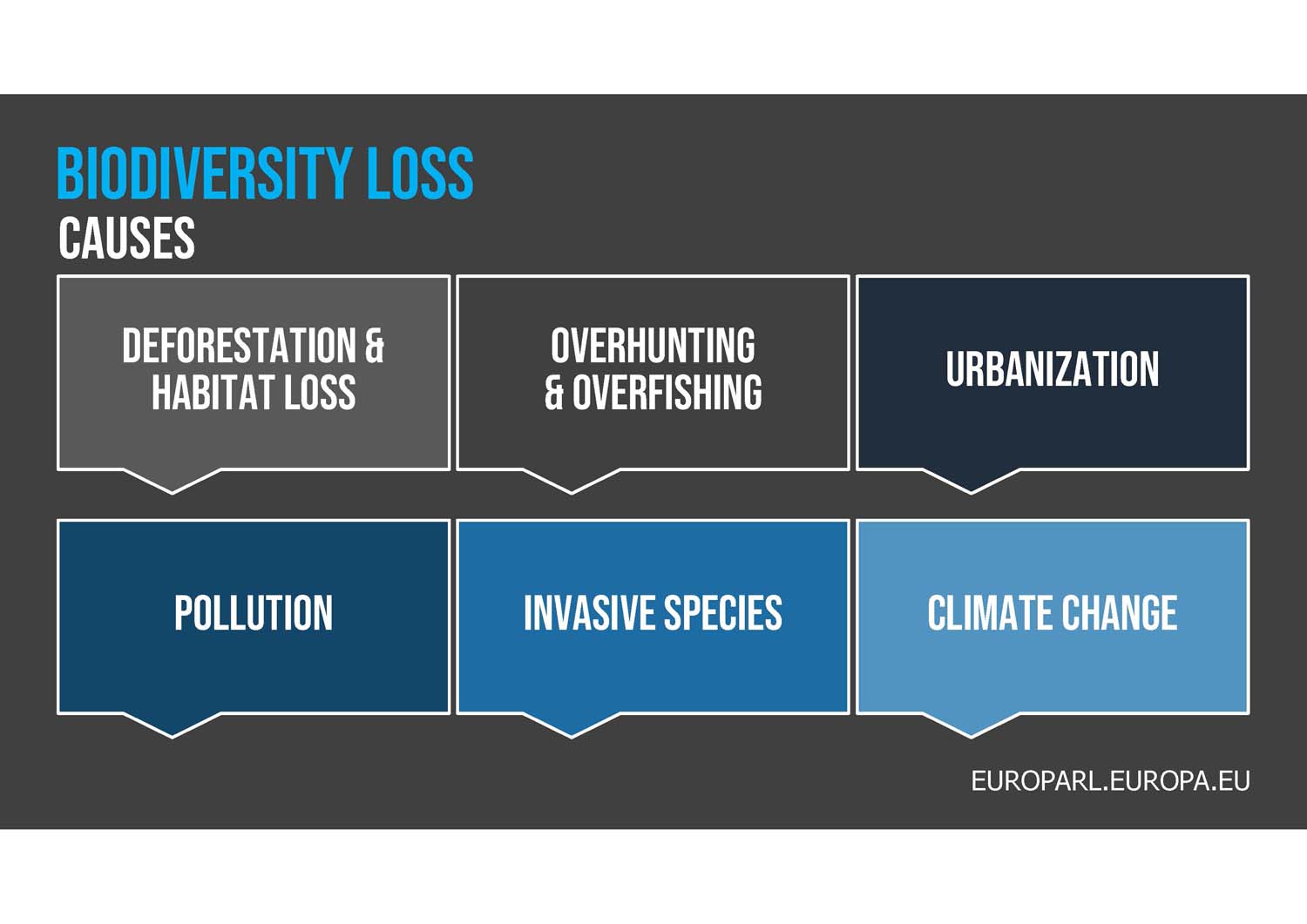
Imagine, if you will, a vast forest—a veritable cathedral of life. Towering trees ascend like ancient pillars, their branches intertwined in a celestial dance, while the underbrush teems with vibrant flora and invisible fauna. Each species, from the smallest microorganism to the grandest predator, plays a symbiotic role in this ecosystem. Alas, when we consider the primary cause of diminished biodiversity, we confront the shadowy specter of habitat destruction, a ruthless force that cleaves this harmonious existence.
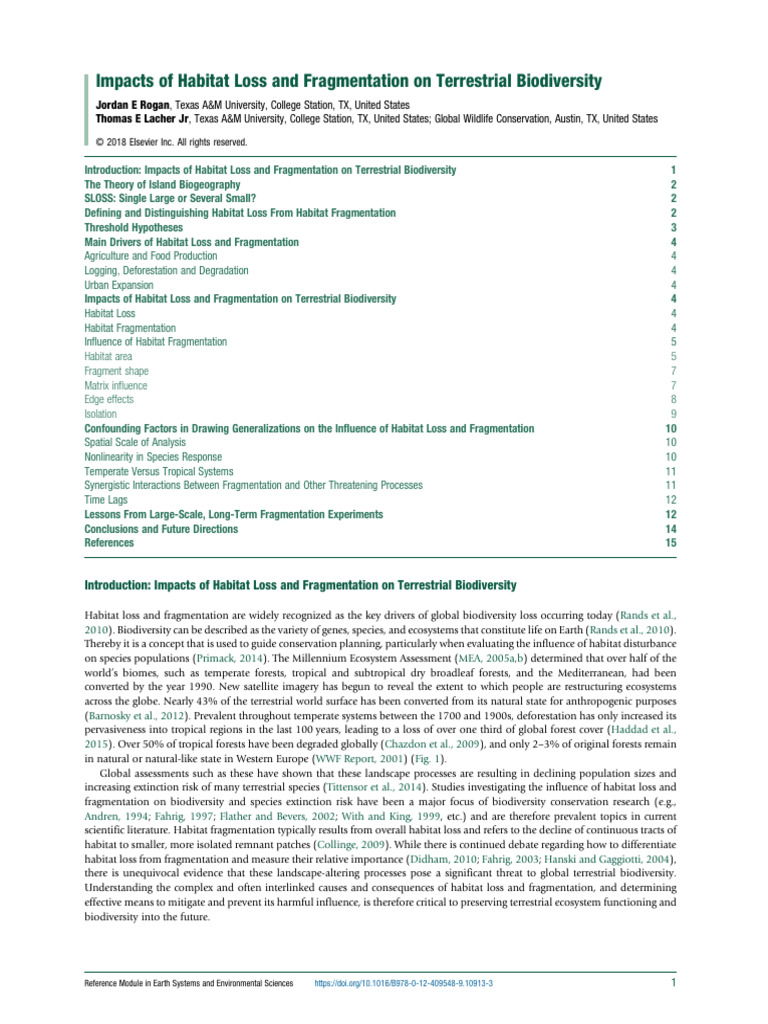
Habitat destruction manifests chiefly through urban development, agriculture, and deforestation. Today’s relentless quest for progress often sacrifices green fields, wetlands, and forests for the concrete jungle, where nature’s brushstrokes are swapped for asphalt patches. With the expansion of cities, the delicate ecosystems that once thrived are fragmented into isolated patches, making it nearly impossible for species to thrive and reproduce. The voracious appetite of industrial agriculture, often likened to a relentless predator, strips the land bare, leaving behind monocultures devoid of ecological dynamism.
If habitat destruction is the sharp knife severing life’s connections, climate change is the unseen hand that perpetuates the cut. The gradual alteration of climate patterns has profound implications for habitats. Species are often ill-equipped to adapt to rapid shifts in temperature and precipitation, resulting in a cascading effect on food webs and interdependent relationships. A once-thriving coral reef, now bleached and lifeless, stands as a haunting reminder of the fragility of these ecosystems, illustrating how climatic aberrations can exert pressure that resonates across the globe.
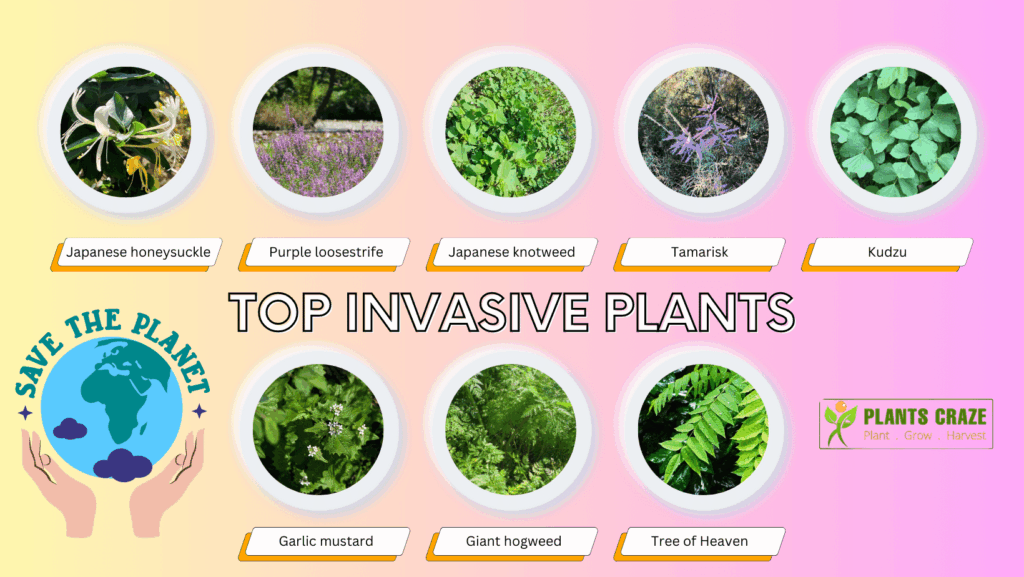
Moreover, invasive species introduce another layer of complexity to this intricate conundrum. When foreign entities infiltrate ecosystems—whether through accidental transport or deliberate introduction—the balance that has held sway for generations can be upset dramatically. Invasive plants can overshadow native flora, while foreign wildlife often preys upon indigenous species unaccustomed to the new predator’s presence. This ecological dissonance leads to a decline in native biodiversity, as established species struggle to co-exist with their new and aggressive counterparts.
Pollution, the silent assailant, further compounds the crisis of low biodiversity. Contaminants seep into our soils, air, and waters, creating toxic environments that suffocate life. Pesticides and herbicides, intended to protect crops, do not discriminate, poisoning insects and other species that are critical to pollination and nutrient cycling. Aquatic ecosystems bear the brunt of this onslaught, as euphoric visions of aquaculture turn into nightmares of algal blooms and dead zones—consequences of nutrient overloading that systematically eradicate marine biodiversity.
The intrepid paradox is that while technological advances strive to enhance human comfort, they often neglect the fragile ecosystems that sustain all forms of life. Overexploitation looms ominously as a formidable force diminishing biodiversity. Unsustainable fishing practices deplete aquatic stocks beyond recovery, and logging accelerates the loss of ancient forests, which serve as lungs for our planet. Stripped of their grandeur, these once-thriving bastions of biodiversity become mere shadows of their former selves, echoing the haunting refrain of loss and degradation.
The loss of biodiversity transcends mere numbers; it represents a profound erasure of the Earth’s genetic reservoir. This genetic diversity is akin to an encyclopedia containing vital information for resilience against disease, climate change, and other environmental stresses. Each species harbors unique adaptations and traits that can inspire innovations in medicine, agriculture, and systems design. Yet, as species vanish, so too does this invaluable compendium, narrowing the scope of solutions available to our increasingly fragile world.
An oft-overlooked dimension of low biodiversity is the intrinsic moral and aesthetic value of nature. To witness a thriving ecosystem is to embrace the sublime interconnectedness of life. These landscapes instill a sense of kinship, igniting a passion for stewardship. When biodiversity wanes, we risk severing our connection to the natural world—a loss that echoes through generations. Our cultural narratives, folklore, and artistic expressions are inextricably tied to the flora and fauna that surround us, each disappearance resonating like the fading notes of a cherished melody.
Ultimately, the quest to restore biodiversity is not merely an ecological imperative; it is a clarion call for humanity to reevaluate its role within the tapestry of life. To nurture the rebirth of biodiversity, we must foster collaborative efforts across borders and sectors. Sustained legal and communal efforts to protect habitats, reduce pollution, and manage resources sustainably are crucial. The dialogue must shift from exploitation to coexistence, where every species—no matter how small—holds value and contributes to the Earth’s harmonious narrative.
As we stand at the crossroads, the choice remains ours: continue down the path of destruction or embrace a profound understanding of life’s interconnectedness. By fostering biodiversity, we not only protect the exquisite beauty of our planet but also secure a legacy of resilience and vitality for future generations. The thread of biodiversity must be woven with intention and care. Only then can we hope to see this tapestry restored to its resplendent glory, telling a story of reconciliation, regeneration, and reverence for life in all its splendid forms.








Leave a Comment