What if the colors of our world began to fade? Imagine standing in a garden filled with vibrant flowers, only to witness them wilting one by one. This grim possibility is the harsh reality we face with biodiversity loss, an issue that could potentially lead to a colossal unraveling of ecosystems around the globe. But what exactly does biodiversity loss mean?
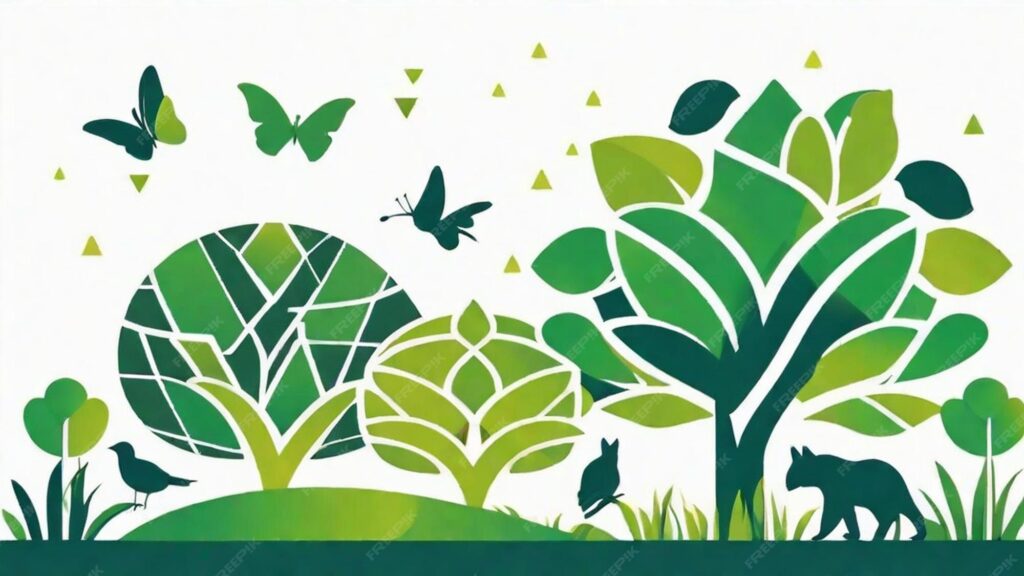
Biodiversity, in its most fundamental form, is the vast array of life on Earth. It encompasses the myriad species of plants, animals, fungi, and microorganisms, along with the genetic variations within these species, and the intricate ecosystems they form. Essentially, biodiversity is life’s myriad threads weaving together to create the fabric of our planet’s health and prosperity.
However, this delicate tapestry is increasingly under threat. Biodiversity loss refers to the decline in the number and variety of living organisms in a particular habitat or the entire planet. While the term may sound technical, its implications are far-reaching and profoundly impactful. The decline can be attributed to various factors, ranging from habitat destruction to climate change, pollution, and overexploitation of natural resources.
To fully grasp the weight of biodiversity loss, consider the infamous butterfly effect. A single butterfly flapping its wings could theoretically set off a series of events that leads to a typhoon on the other side of the world. This metaphor serves to illustrate how interconnected life truly is. Disrupt one species or a single ecosystem, and the ripple effects can culminate in significant environmental upheavals. Think of keystone species, those critical organisms playing an essential role in maintaining the structure of an ecosystem. Their loss can precipitate the collapse of entire food webs.
The immediacy of biodiversity loss is alarming. According to recent studies, extinction rates are estimated to be 100 to 1,000 times higher than the natural background rate. This means species are disappearing at an unprecedented pace, raising a crucial question: What does this mean for our survival as a species? The answer is straightforward yet daunting. Biodiversity is a cornerstone of ecosystem services—those essential processes afforded by nature, such as pollination, water purification, and climate regulation.
One cannot overlook the role that habitat destruction plays in this dilemma. Urban sprawl, agriculture, and deforestation are metamorphosing landscapes into concrete jungles, effectively erasing the homes of countless species. The Amazon rainforest, often referred to as the ‘lungs of the Earth,’ is a tragic example of this phenomenon. As large swathes of forest are cleared for cattle ranching and agriculture, not only are individual species becoming extinct, but entire ecosystems are being obliterated. The implications of this are dire, as these habitats often act as carbon sinks, helping to mitigate the impacts of climate change.
Moreover, climate change exacerbates the situation, further challenging the survival of numerous species. As temperatures rise and weather patterns become increasingly erratic, many species are finding their habitats untenable. Coral reefs, often described as the rainforests of the sea, face mass bleaching events due to rising ocean temperatures. The loss of coral reefs not only endangers the myriad marine species that depend on them but also affects human communities reliant on them for food and tourism.
Pollution contributes to biodiversity loss as well. Chemical runoff from agriculture seeps into waterways, creating dead zones where life cannot survive. Plastics infiltrate oceans, endangering marine life through ingestion and entanglement. Each piece of microplastic is a testament to humanity’s careless relationship with nature, presenting an ever-growing challenge to conservation efforts.
But what can be done? Addressing biodiversity loss requires collective action and a renewed commitment to environmental stewardship. The challenge lies in fostering a sense of responsibility among individuals and communities toward the natural world. Conservation efforts can no longer be the exclusive responsibility of governments and NGOs. Grassroots movements are flourishing, inspiring communities to protect their local ecosystems.
The introduction of protected areas, such as national parks and marine reserves, plays an essential role in conserving biodiversity. These sanctuaries serve as refuges for countless species while also allowing for a sustainable interface between nature and human activity. Integrating traditional ecological knowledge with modern conservation science can lead to innovative solutions that respect both the environment and local communities.
Education and awareness are also pivotal in combating biodiversity loss. By understanding the critical importance of biodiversity, individuals can make informed choices that contribute to conservation efforts. Simple actions, such as reducing waste, choosing sustainably sourced products, and supporting local conservation initiatives, create a ripple effect that can foster considerable change.
The challenge of biodiversity loss looms large, yet it is not insurmountable. It calls for every individual to become an active participant in the preservation of our planet’s rich tapestry of life. Through collective awareness and action, we can ensure that the vibrant colors of our world do not diminish, but rather thrive for generations to come. Embrace the challenge—what can you do today to help preserve the intricate web of life that sustains us all?







Leave a Comment