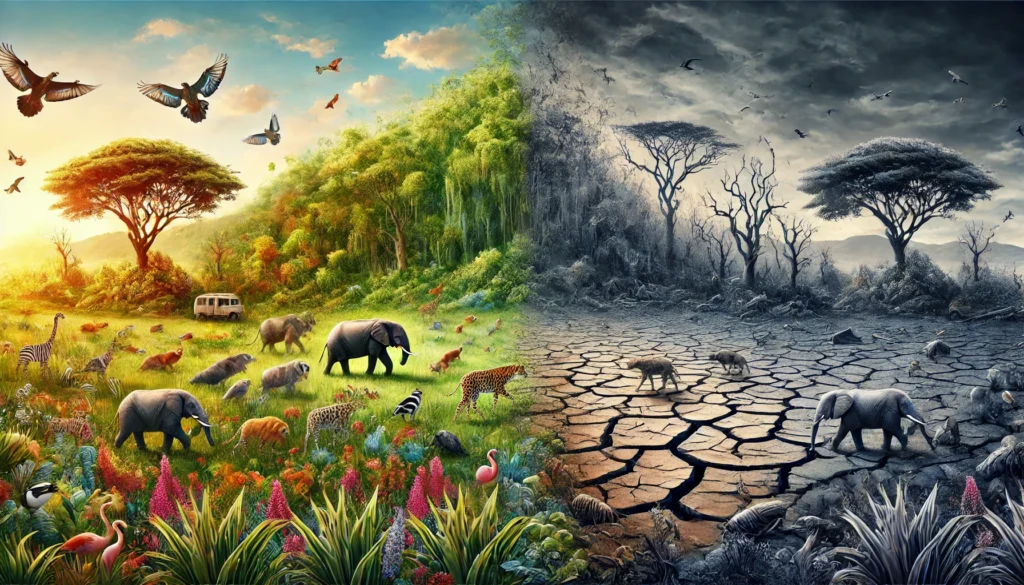
Imagine strolling through a dense forest, the overwhelming symphony of chirping birds, rustling leaves, and the occasional splash of a brook serenading your senses. Now, envision this vibrant ecosystem stripped of its myriad inhabitants. A single question lingers: What happens to an ecosystem when biodiversity declines?
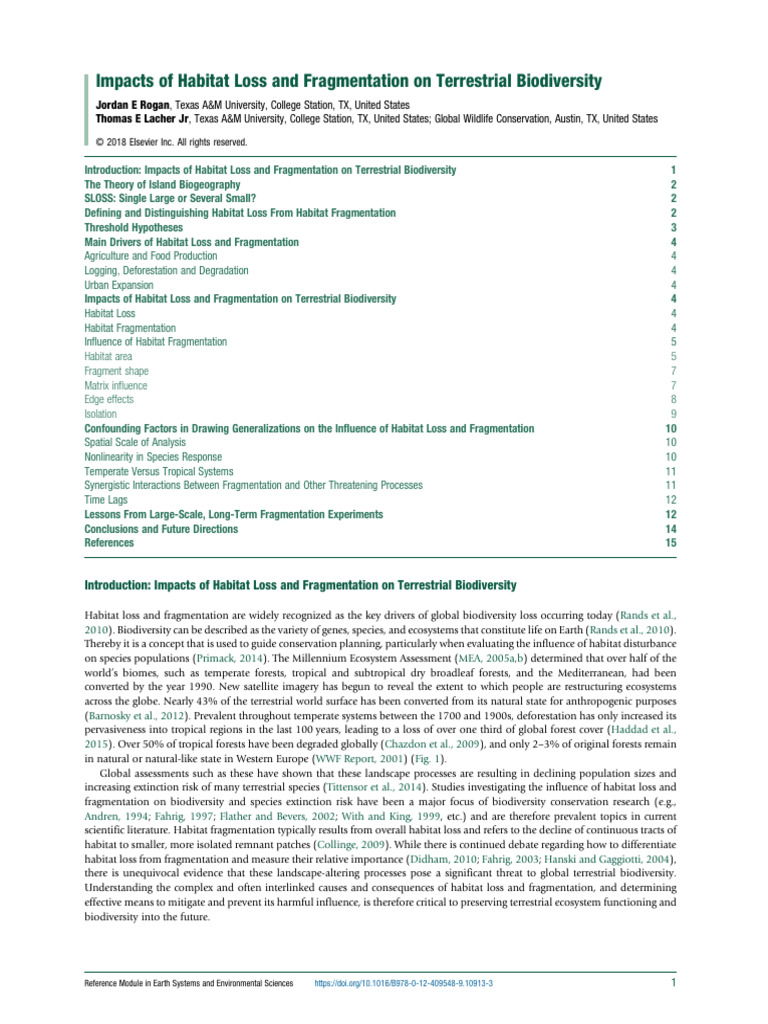
To grasp the gravity of this issue, we first need to understand biodiversity—the rich tapestry of life constituting various species, their genetic variations, and the ecological complexes they inhabit. Biodiversity is not merely about numbers; it’s the essence that facilitates vital ecosystem functions. As we delve into this topic, let us dissect the repercussions of dwindling species variety and the potential chaos that unravels within these intricate systems.
### 1. Disruption of Ecological Balance
Ecosystems thrive on balance—predators, prey, producers, and decomposers all play distinct roles that ensure stability. Biodiversity acts as a stabilizing force; if one species falters, others can fill the void. However, as biodiversity declines, this equilibrium is jeopardized. The extinction or drastic reduction of a single species can trigger a cascading effect, leading to overpopulation of certain species while others falter into oblivion.
Consider the role of pollinators, for instance. Bees, butterflies, and various birds contribute significantly to pollinating plants. A decline in these pollinators due to habitat loss results in diminished plant reproduction, triggering a decline in fruit and seed production. This directly impacts herbivores, causing their populations to crash, which, in turn, affects the carnivores that depend on them for sustenance. Chaos ensues as the food web becomes increasingly tenuous.
### 2. Decreased Resilience Against Disasters
As biodiversity diminishes, ecosystems become less resilient to environmental stressors such as climate change, natural disasters, or disease outbreaks. Ecological resilience refers to an ecosystem’s ability to withstand shocks and recover from them. Diverse ecosystems are adept at adapting to changes; however, monocultures and species-poor areas lack this crucial trait.
For instance, coral reef systems, teeming with diverse marine life, can better withstand temperature fluctuations and pollution. Yet, when biodiversity is compromised, these reefs are more susceptible to bleaching events. With fewer species, the ecosystem’s ability to recover from such disturbances plummets, leading to long-term degradation.
### 3. Altered Nutrient Cycling
Nutrient cycling is a fundamental process in ecosystems; it refers to the movement and exchange of organic and inorganic matter back into the production of living matter. Diverse flora and fauna contribute to efficient nutrient cycling. When biodiversity takes a nosedive, these cycles become disrupted.
For example, certain fungi and bacteria play essential roles in decomposing organic matter, releasing nutrients back into the soil. A decline in microbial diversity may impede this process, resulting in nutrient-poor soils and diminished agricultural yields. This not only threatens food security but also jeopardizes the health of ecosystems relying on fertile ground for growth and replenishment.
### 4. Increase in Invasive Species
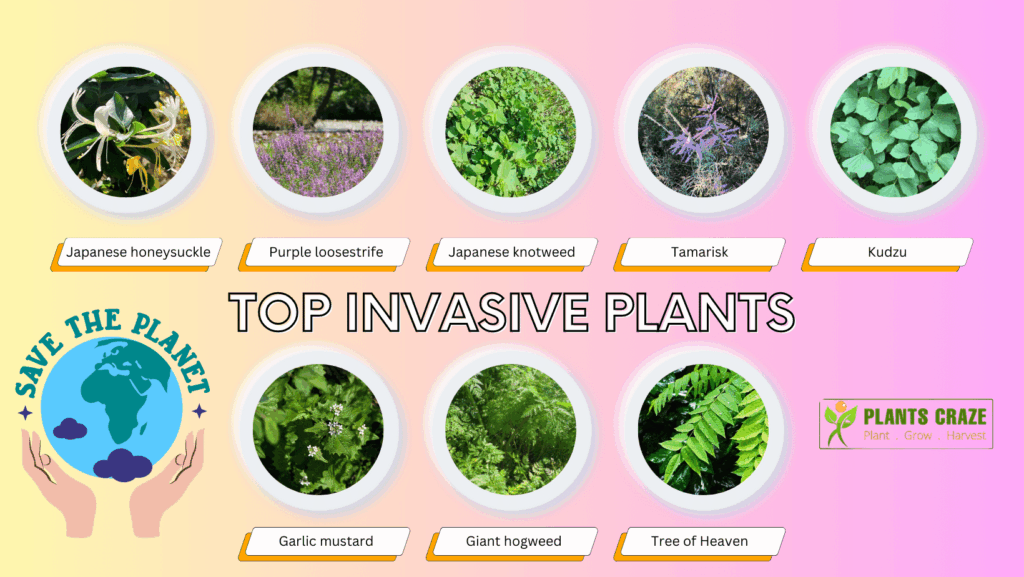
As native species succumb to the threats posed by biodiversity loss, invasive species often capitalize on the vacuum left behind. These newcomers, usually brought in unintentionally through human activity, can outcompete native species for resources, pushing them further toward extinction.
Invasive plants, such as kudzu in the southeastern United States, can engulf entire ecosystems, overshadowing native vegetation and rendering it unable to thrive. This further diminishes biodiversity, creating a vicious cycle that engulfs the entire ecosystem, altering its fundamental nature and leading to long-lasting changes that may not be reversible.
### 5. Impacts on Human Well-being
A decline in biodiversity does not solely affect flora and fauna; humans, too, are intricately linked to these ecosystems. Healthy ecosystems provide ecosystem services, which include clean air, fresh water, and fertile soil. These services are paramount for human survival and well-being. As biodiversity wanes, so does our access to these fundamental resources.
The repercussions extend to the culinary realm as well. A decrease in crop and livestock diversity jeopardizes food security, reducing our dietary options and increasing vulnerability to food shortages. With the looming threat of climate change, such a scenario could become increasingly pervasive if we do not act decisively to protect our ecosystems.
### Conclusion: A Call to Action
What can we do to combat the decline of biodiversity and its cascading effects on ecosystems? This question requires not only reflection but also action. Engaging in conservation efforts, supporting sustainable practices, and preserving natural habitats are crucial. Elevating awareness about the importance of biodiversity can foster a collective responsibility toward environments that nurture life.
The future of ecosystems is tethered to our choices and actions today. By collectively acknowledging the profound implications of biodiversity loss and promoting strategies to mitigate it, we can hope to restore the delicate balance that sustains not only other species but ourselves within this interwoven web of life. Let us embrace this challenge—because the stakes are no less than the very fabric of life itself.







Leave a Comment